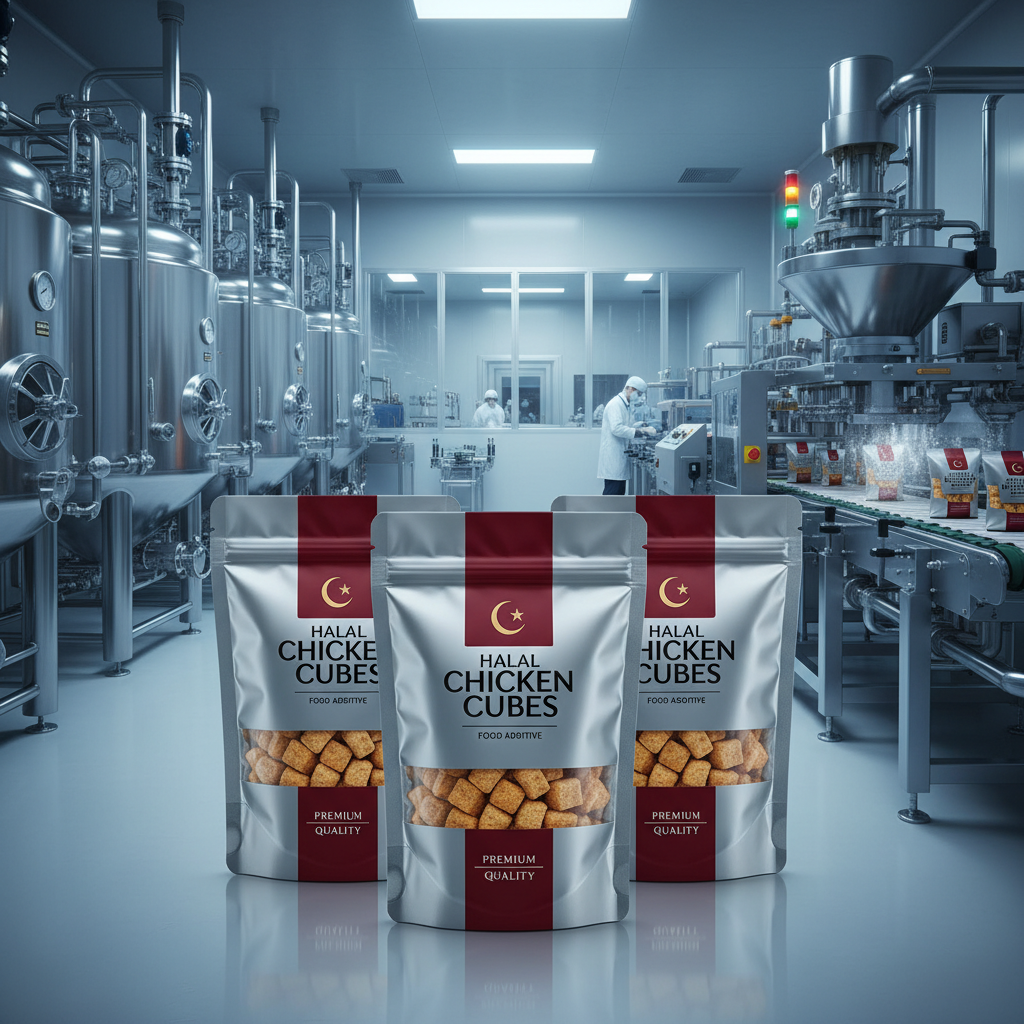
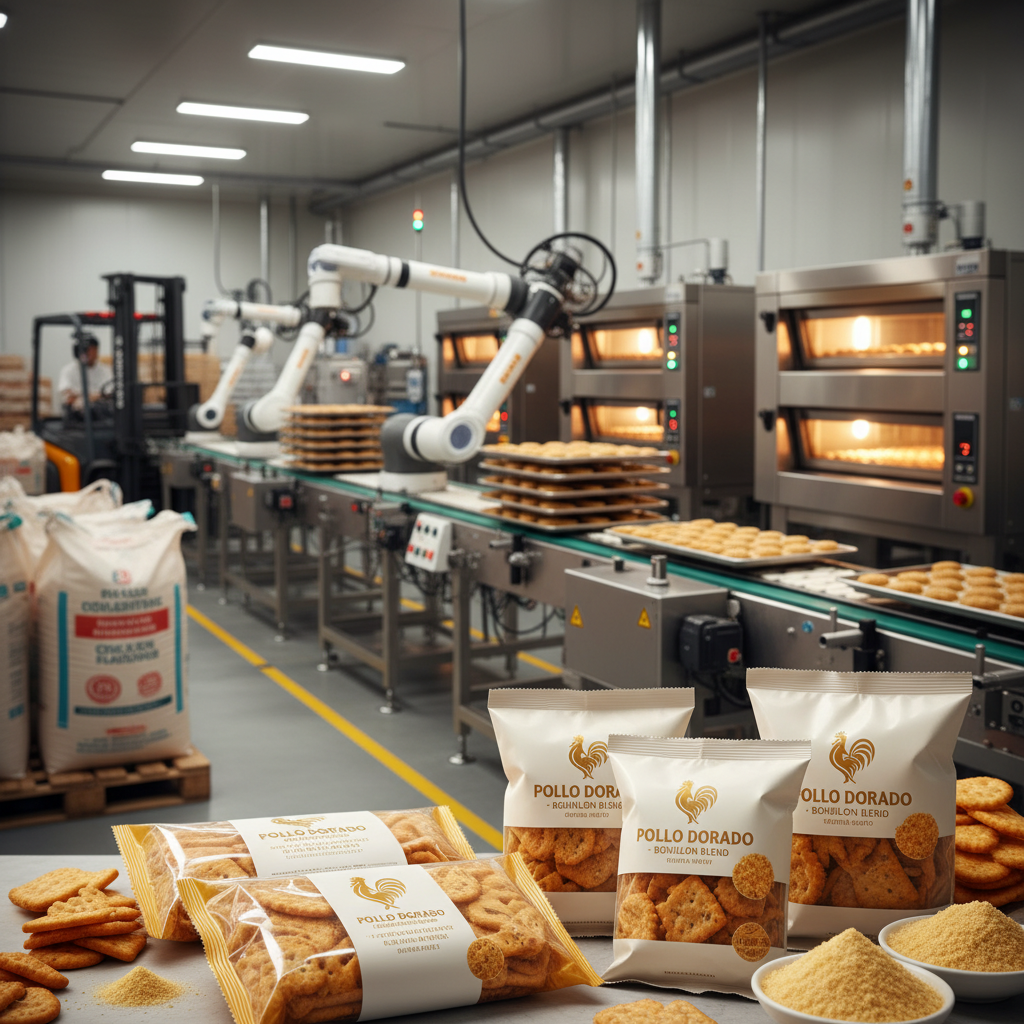
The global demand for convenient, high-quality flavor enhancers has placed the chicken powder manufacturer at the center of the modern food supply chain. As consumers seek a balance between homemade taste and industrial efficiency, the role of specialized producers in creating consistent, savory profiles has become indispensable for food processors worldwide.
Understanding the nuances of how a professional chicken powder manufacturer operates allows businesses to optimize their ingredient sourcing, ensuring that the final product maintains a rich, umami-heavy flavor profile while adhering to strict safety standards. This is not merely about adding salt and flavor; it is about the chemistry of taste.
From large-scale snack production to specialized pharmaceutical-grade food intermediates, the expertise of a chicken powder manufacturer ensures scalability and stability. This guide explores the technical dimensions, global applications, and future innovations driving the industry forward.
Global Industry Context of Chicken Powder Production
The global food additive market has witnessed a significant surge, driven by the urbanization of Asia and Africa and the rising demand for processed "ready-to-eat" meals. For a chicken powder manufacturer, this represents a shift from producing basic seasonings to engineering complex flavor systems that can withstand high-temperature processing and long-term storage.
According to recent industry analysis, the integration of ISO and HACCP standards has become the baseline for entry into international markets. The challenge today lies in the "clean label" movement, where manufacturers must reduce artificial additives while maintaining the intense savory profile that consumers expect from a premium powder.
Defining the Role of a Chicken Powder Manufacturer
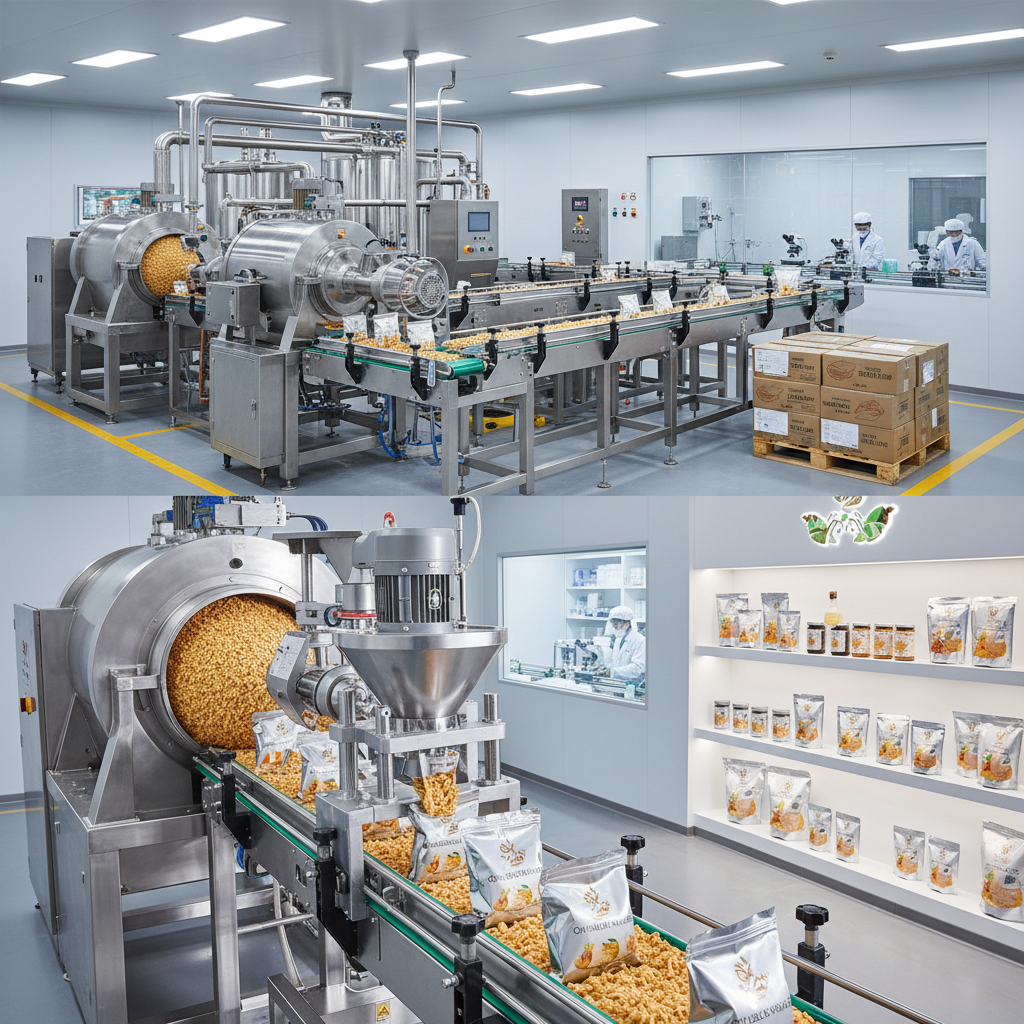
At its core, a chicken powder manufacturer is a specialized chemical and food engineering entity that transforms raw proteins and aromatic extracts into a stable, dehydrated powder. This process involves sophisticated spray-drying and vacuum-drying technologies to ensure that the volatile flavor compounds are locked in, preventing oxidation and flavor loss.
Beyond simple production, these manufacturers act as R&D partners for food brands. They develop customized formulations—adjusting sodium levels, fat content, and MSG alternatives—to meet the specific regulatory requirements of different regions, such as the EU's EFSA or the USA's FDA.
In the broader context of the food additive industry, this role bridges the gap between raw agricultural output and consumer-ready convenience. By stabilizing the "chicken" flavor, manufacturers enable the global distribution of consistent taste profiles, regardless of the local availability of fresh poultry.
Core Components of High-Quality Flavor Manufacturing
The primary metric for any chicken powder manufacturer is the balance of Umami. This is achieved through a precise blend of glutamates and nucleotides, which trigger the savory receptors on the human tongue, creating a full-bodied taste experience.
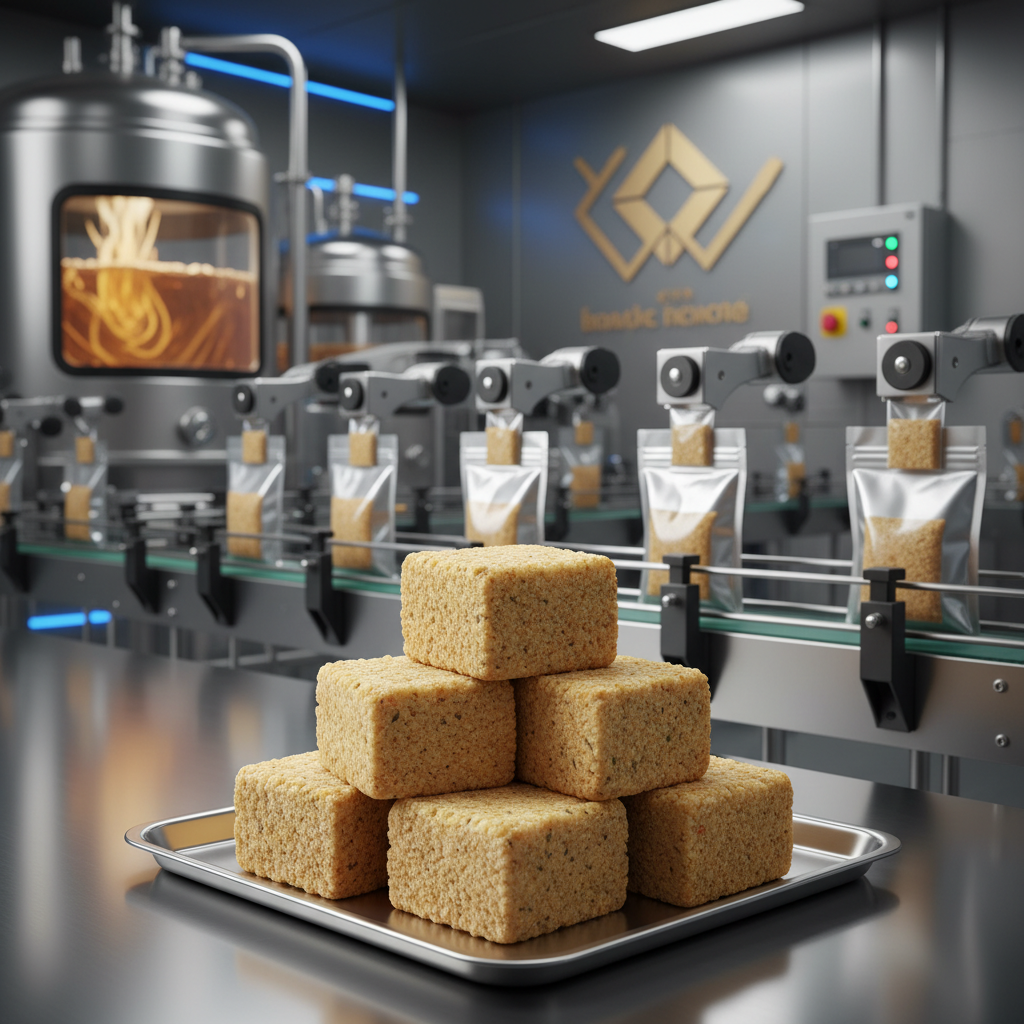
Scalability and stability are the second pillars. A professional chicken powder manufacturer ensures that the powder is non-clumping and highly soluble. This is often achieved through the use of food-grade anti-caking agents and optimized particle size distribution during the milling process.
Finally, purity and safety are non-negotiable. Rigorous testing for heavy metals, microbial loads, and pesticide residues ensures that the output from the chicken powder manufacturer meets pharmaceutical-grade standards when used in nutraceuticals or specialized food intermediates.
Practical Applications and Market Scalability
The versatility of products from a chicken powder manufacturer extends far beyond the domestic kitchen. In industrial food production, these powders are used as base layers for instant noodles, canned soups, and snack seasonings, providing a cost-effective way to achieve a high-end taste.
Furthermore, in remote industrial zones or emergency relief operations, concentrated chicken powders serve as essential nutrient and flavor boosters for dehydrated rations, ensuring that populations in crisis receive palatable and calorie-dense nutrition.
Efficiency Comparison by Production Method
Strategic Advantages of Specialized Sourcing
Partnering with a dedicated chicken powder manufacturer provides a tangible competitive edge in cost reduction. By sourcing high-concentration powders, companies reduce shipping weights and storage volumes compared to liquid bases, drastically lowering logistics overhead.
Beyond the financial metrics, there is the element of trust and reliability. A certified manufacturer provides a consistent chemical fingerprint for every batch, eliminating the risk of flavor drift which could otherwise alienate a loyal customer base.
Future Trends in Savory Ingredient Innovation
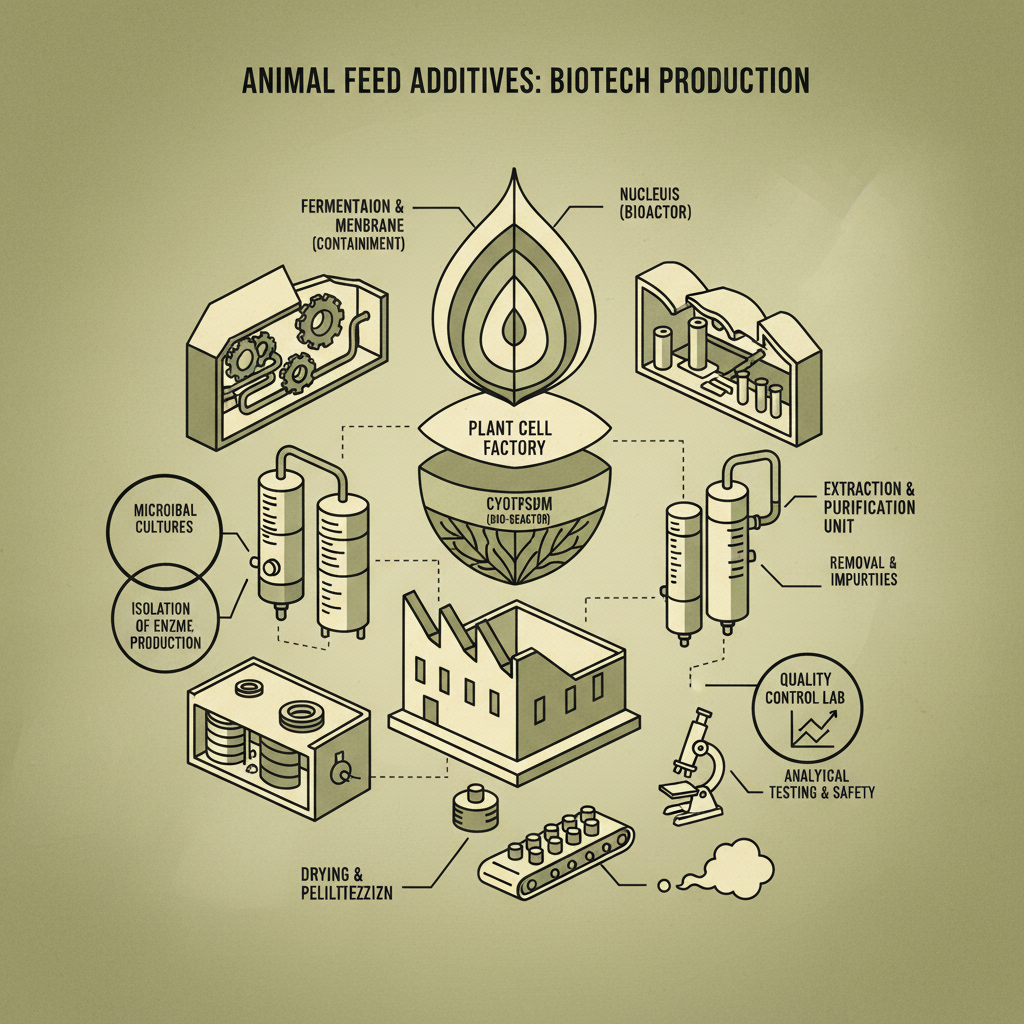
The next frontier for the chicken powder manufacturer is the integration of biotechnology and plant-based alternatives. As the "flexitarian" diet grows, manufacturers are developing hybrid powders that combine traditional chicken extracts with yeast extracts and mushroom proteins to reduce meat consumption without sacrificing taste.
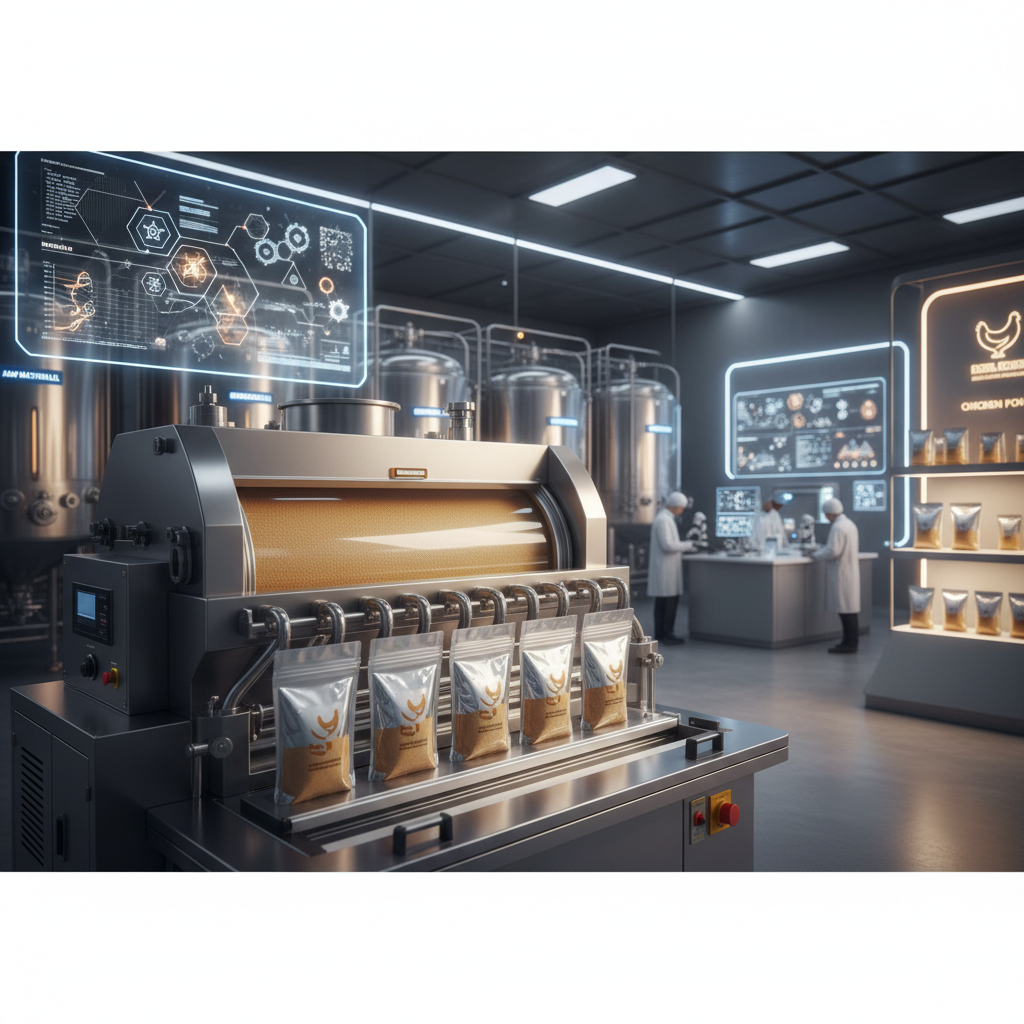
Digital transformation is also reshaping the factory floor. Automation and AI-driven blending systems now allow for "micro-customization," where flavor profiles can be tweaked in real-time based on sensory data feedback, ensuring an exact match to a client's gold standard sample.
Sustainability is the final driver. Future production cycles will focus on "closed-loop" water systems and the utilization of byproduct proteins from the poultry industry, turning waste into high-value additives and reducing the carbon footprint of savory seasoning.
Overcoming Challenges in Global Supply Chains
One of the most persistent challenges faced by a chicken powder manufacturer is the volatility of raw material costs. Fluctuations in the price of corn, soy, and poultry proteins can disrupt pricing models. To solve this, leading manufacturers are adopting strategic hedging and long-term sourcing contracts.
Another hurdle is the diversity of international labeling laws. What is considered a "natural flavor" in one country may be classified as an "additive" in another. Expert manufacturers overcome this by maintaining multiple formulation lines and providing comprehensive documentation for every export shipment.
Lastly, the struggle against moisture absorption in humid climates requires innovation in packaging. The shift toward high-barrier multi-layer foils and nitrogen-flushed packaging has significantly extended the shelf life and quality of the final product.
Comparative Analysis of Manufacturing Standards and Quality Metrics
| Quality Dimension |
Standard Grade |
Premium Grade |
Impact on Final Product |
| Protein Content |
3% - 5% |
12% - 20% |
Richness & Body |
| Solubility Rate |
Moderate |
Instant/High |
Texture Smoothness |
| Umami Intensity |
6/10 |
9/10 |
Taste Depth |
| Shelf Stability |
12 Months |
24 Months |
Storage Cost |
| Additive Level |
High Fillers |
Clean Label |
Consumer Health Perception |
| Color Consistency |
Variable |
Standardized |
Visual Appeal |
FAQS
Consistency is achieved through standardized raw material sourcing and the use of automated blending systems. Leading manufacturers employ sensory panels and HPLC (High-Performance Liquid Chromatography) to verify that the chemical composition of the flavor compounds remains identical from batch to batch, ensuring the end consumer experiences the same taste every time.
Yes, most modern manufacturers offer "No MSG Added" versions. They achieve the same umami effect by utilizing natural sources of glutamates, such as yeast extract, hydrolyzed vegetable protein (HVP), or mushroom powder, catering to health-conscious markets and specific dietary regulations.
Look for ISO 22000 (Food Safety Management), HACCP (Hazard Analysis and Critical Control Points), and HALAL or KOSHER certifications if you are targeting specific cultural markets. These certifications guarantee that the manufacturer adheres to global safety and ethical production standards.
Manufacturers use dehydration (reducing water activity to below 0.3) and vacuum-sealed, light-proof packaging. By removing the oxygen and moisture that bacteria and oxidation need to thrive, the powder remains stable and flavorful for up to 24 months without relying on synthetic preservatives.
Absolutely. Professional manufacturers offer OEM/ODM services where they can adjust the saltiness, aroma intensity, and color to match a client's specific brand requirements. This often involves a sampling phase where the manufacturer iterates the formula based on the client's feedback.
Chicken extract powder is a concentrated form of chicken protein and flavor with minimal additives. Chicken seasoning powder is a complete blend that includes the extract along with salt, sugar, spices, and anti-caking agents, designed to be used as a finished seasoning rather than a raw ingredient.
Conclusion
The strategic importance of a chicken powder manufacturer extends far beyond the simple production of a seasoning. By blending advanced food science with industrial scalability, these manufacturers enable the global food industry to deliver consistent, high-quality savory experiences while optimizing costs and logistics. From the precision of umami balancing to the rigor of ISO certifications, the technical expertise provided by a professional manufacturer is the invisible backbone of the processed food market.
Looking forward, the industry is poised for a revolution driven by clean-label demands and sustainable biotechnology. Businesses that partner with forward-thinking manufacturers—those investing in plant-based hybrids and automated precision—will be best positioned to capture the evolving consumer market. We invite you to explore how professional seasoning solutions can elevate your product line. Visit our website: www.chinaseasoning.com