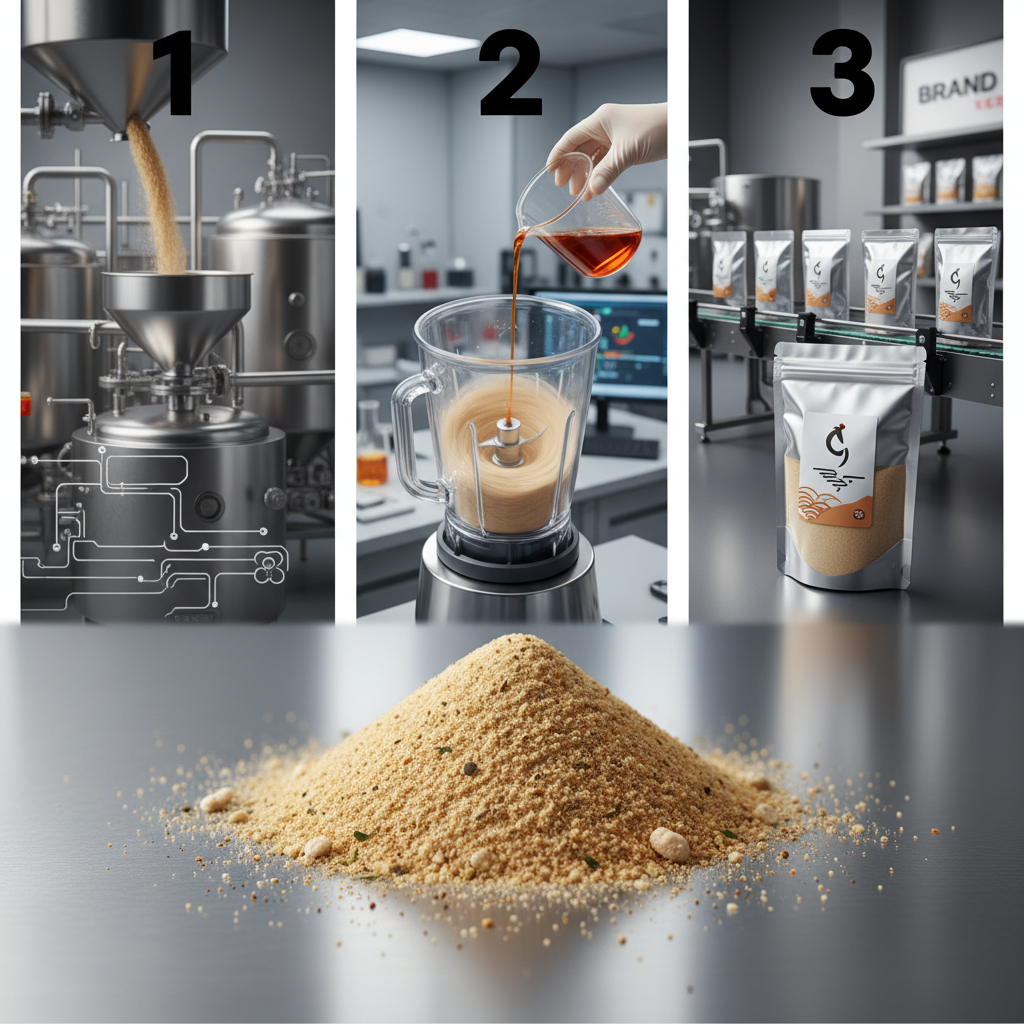
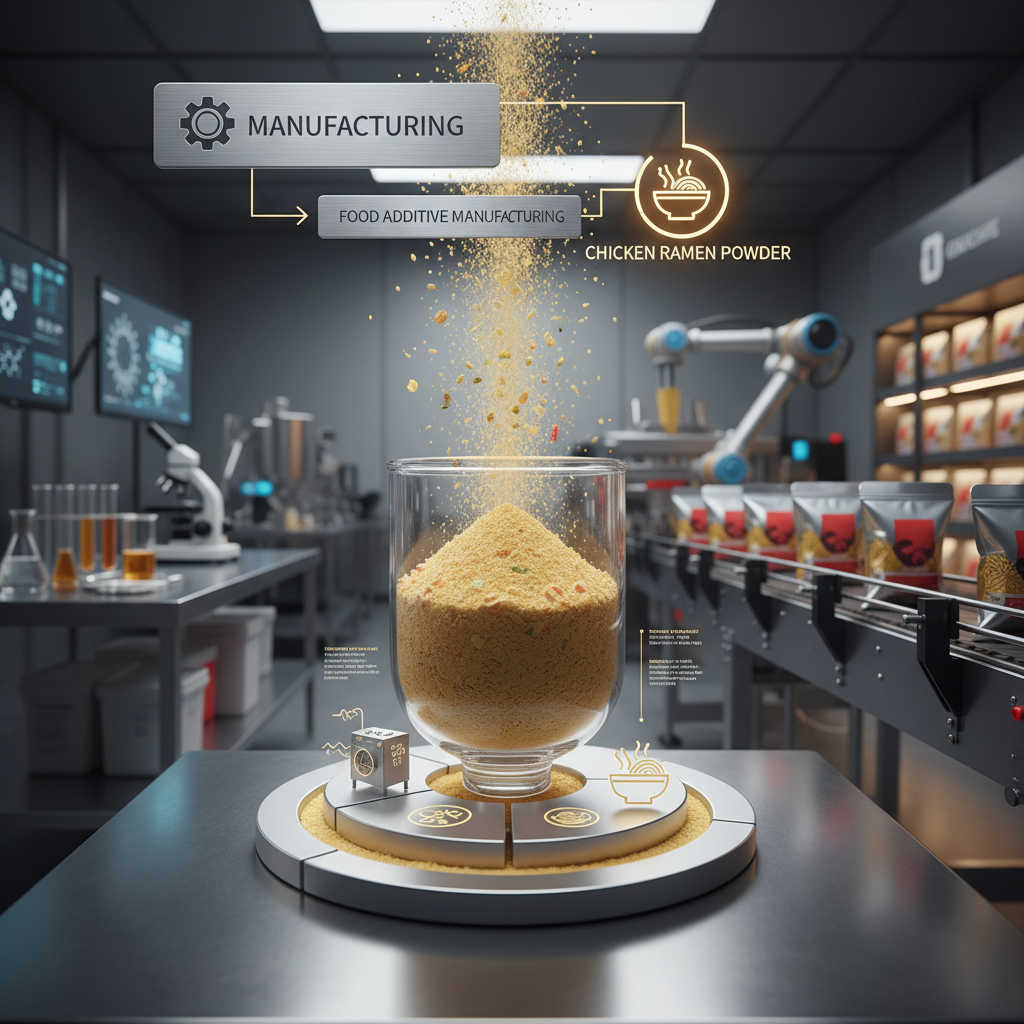
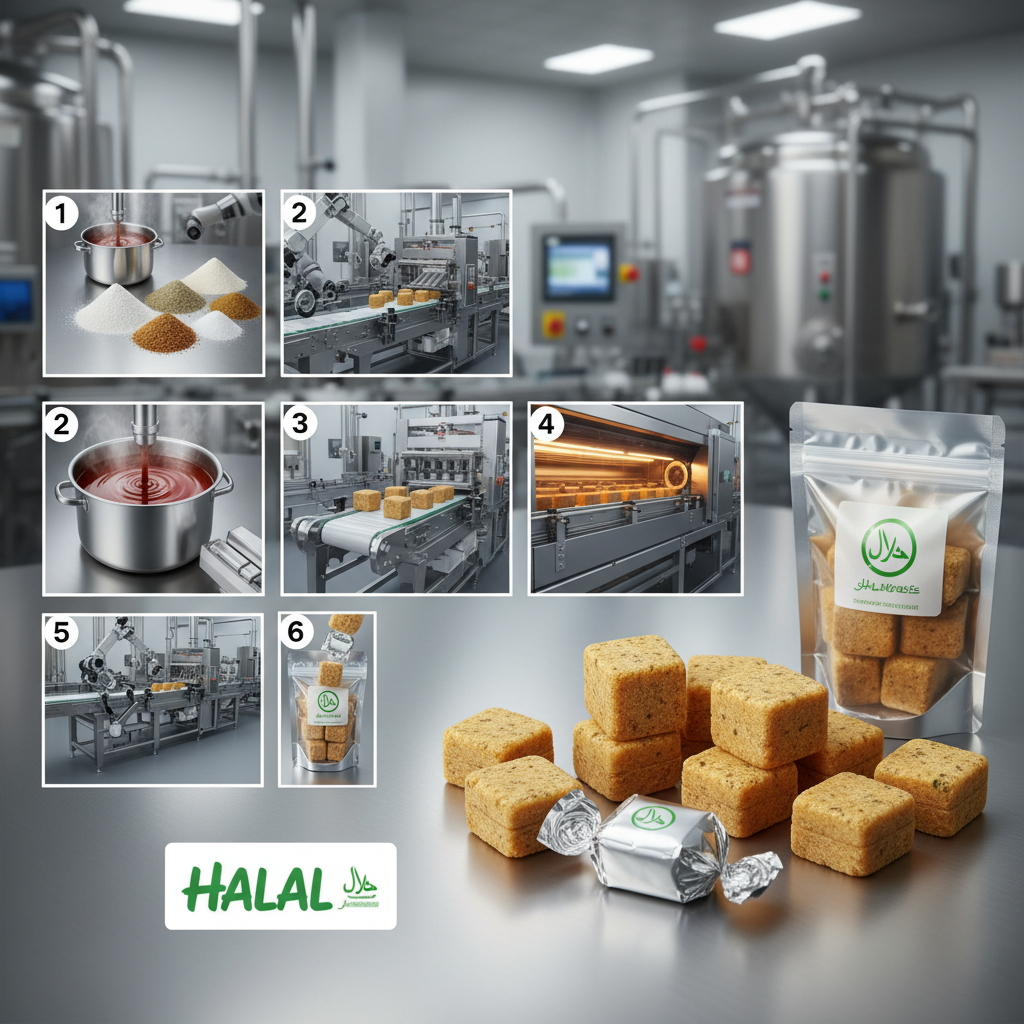
In the fast-paced world of modern convenience foods, chicken ramen powder has emerged as a cornerstone ingredient for manufacturers seeking to balance authentic flavor with industrial scalability. This versatile seasoning blend allows for the consistent reproduction of a rich, savory chicken broth profile across millions of servings, ensuring that consumers receive the same taste experience regardless of where they purchase their meal.
The global demand for instant noodles and ready-to-eat meals has surged, driven by urbanization and the need for affordable, quick-nutrition options. Within this context, the quality of the seasoning powder determines the market success of the final product, as it must withstand high-temperature processing while maintaining a complex aromatic profile.
Understanding the formulation, application, and quality standards of chicken ramen powder is essential for food technologists and procurement managers. By optimizing the balance of flavor enhancers, salt, and chicken extracts, companies can improve consumer satisfaction and operational efficiency in the food additive sector.
Global Market Relevance of Chicken Ramen Powder
The global consumption of instant noodles is an indicator of economic shifts toward convenience. According to data trends in the food additive industry, the demand for high-quality chicken ramen powder has grown exponentially in Asia and Africa, where it serves as an affordable source of savory flavor in nutrient-dense meals.
However, manufacturers face the challenge of meeting stricter international food safety standards (ISO) while keeping costs low. The industry is currently pivoting toward "clean label" versions of these powders to address health concerns regarding MSG and artificial preservatives without sacrificing the signature "umami" taste.
Defining Chicken Ramen Powder in Modern Food Tech
At its core, chicken ramen powder is a dehydrated seasoning blend designed to reconstitute instantly in hot water. It is a sophisticated mixture of chicken extracts, salt, sugar, spices, and flavor enhancers, engineered to provide a consistent taste profile that mimics hours of slow-simmered broth in a matter of seconds.
In the context of modern food manufacturing, this product represents the intersection of chemistry and culinary art. It allows for precise control over sodium levels and allergen management, making it an indispensable tool for large-scale food production where manual seasoning is impossible.
Beyond simple taste, these powders address humanitarian needs by providing shelf-stable, flavor-enhanced food options for disaster relief and remote industrial zones. The ability to transport flavor in a lightweight, dry format reduces logistics costs and prevents spoilage in harsh climates.
Core Components for Flavor Stability
The effectiveness of chicken ramen powder relies heavily on the quality of its base extracts. High-grade chicken powder provides the essential amino acids and fats that create the "mouthfeel" associated with authentic ramen, ensuring the product doesn't taste thin or overly salty.
Crucial to the stability of the powder are anti-caking agents and carriers like maltodextrin. These components prevent the chicken ramen powder from clumping in humid environments, which is vital for automated packaging lines that require a free-flowing powder for accurate dosing.
Finally, the aromatic profile is maintained through a precise blend of garlic, onion, and white pepper powders. These volatile compounds are encapsulated to ensure that the fragrance is released only when the consumer adds boiling water, maximizing the sensory impact of the meal.
Industrial Application and Scalability Factors
For food manufacturers, scalability is the primary driver for adopting standardized chicken ramen powder. By using a pre-mixed powder, companies can eliminate the variance associated with raw ingredient batches, ensuring that a batch produced in January tastes exactly like one produced in December.
Furthermore, the integration of these powders into automated sachet-filling machines increases throughput. The ability to rapidly switch between different flavor variations of the powder allows brands to diversify their product lines without investing in entirely new production facilities.
Performance Metrics of Different Chicken Ramen Powder Formulations
Global Use Cases in Instant Food Sectors
In the Southeast Asian market, chicken ramen powder is frequently adapted to local tastes by adding citrus or spicy notes, demonstrating its versatility as a base seasoning. Large-scale noodle manufacturers utilize this as a "master blend" that can be customized for different regional demographics.
Beyond traditional noodles, this powder is increasingly used in the "cup soup" and "instant porridge" sectors. In remote industrial zones or military rations, these powders provide a critical psychological comfort by offering familiar, savory flavors in a highly stable and portable form.
Long-term Value and Economic Advantages
The primary economic advantage of utilizing a professional-grade chicken ramen powder is the drastic reduction in waste. Unlike liquid bases, powders have a significantly longer shelf life and require less energy for storage and transport, directly lowering the carbon footprint of the supply chain.
From a brand perspective, the reliability of the taste builds long-term consumer trust. When a customer knows that their favorite ramen will always taste the same, it creates a loyal relationship that transcends price fluctuations, adding intangible value to the brand equity.
Additionally, the use of optimized powders reduces the need for expensive on-site kitchen equipment. Manufacturers can move from complex cooking processes to simple blending and packaging, allowing for a leaner operational model and faster time-to-market for new products.
Future Innovations in Seasoning Technology
The future of chicken ramen powder lies in biotechnological advancements, such as the use of yeast extracts to replace synthetic MSG. These "natural enhancers" provide the same savory depth while appealing to the health-conscious consumer, aligning with global trends toward wellness and transparency.
Digital transformation is also impacting the industry through "precision flavoring." AI-driven analysis of consumer taste preferences allows manufacturers to tweak the composition of their powder in real-time, creating hyper-localized versions of chicken ramen that cater to specific city-level flavor profiles.
Sustainability is another key pillar, with the development of plant-based "chicken" powders. By using hydrolyzed vegetable proteins and natural aromas, companies can create a vegan-friendly chicken ramen powder that mimics the original taste, opening up entirely new market segments.
Comparative Analysis of Chicken Ramen Powder Production Technologies
| Technology Type |
Flavor Retention |
Production Cost |
Shelf Stability |
| Spray Drying |
Medium |
Low |
High |
| Freeze Drying |
Very High |
High |
Very High |
| Drum Drying |
Low |
Very Low |
Medium |
| Vacuum Drying |
High |
Medium |
High |
| Agglomeration |
Medium |
Medium |
High |
| Hybrid Processing |
High |
Medium |
High |
FAQS
When stored in airtight, moisture-proof packaging in a cool, dry place, professional-grade chicken ramen powder typically maintains its peak flavor and stability for 12 to 24 months. The use of high-quality anti-caking agents is critical to preventing clump formation over this period.
Yes, by integrating potassium chloride or utilizing "umami boosters" like yeast extracts and mushroom powders, manufacturers can significantly lower sodium levels while maintaining a perceived salty and savory profile that satisfies consumers.
Absolutely. Industrial formulations are specifically engineered for high flowability. By controlling particle size and moisture content, the powder ensures precise dosing in high-speed sachet-filling machines, reducing downtime and waste.
Ensure your supplier provides certifications such as ISO 22000, HACCP, or HALAL/KOSHER where applicable. Regular third-party laboratory testing for heavy metals and microbial counts is the best way to guarantee compliance with destination country laws.
Spray-drying is more cost-effective and produces a fine powder suitable for mass markets. Freeze-drying preserves more of the original volatile aromas and nutrients but comes at a significantly higher production cost, usually reserved for premium product lines.
Yes, chicken ramen powder is highly versatile. It is commonly used as a base for instant soups, as a seasoning for savory snacks (like chips), and as a quick flavor enhancer in commercial sauce production.
Conclusion
In summary, chicken ramen powder is far more than a simple additive; it is a precision-engineered tool that enables the global food industry to deliver consistent, high-quality, and affordable meals. From the careful selection of base extracts and stability agents to the application of cutting-edge drying technologies, every element of its production is designed to maximize flavor impact and operational efficiency.
Looking forward, the transition toward clean-label ingredients and sustainable, plant-based alternatives will redefine the industry. For manufacturers, investing in high-quality seasoning solutions is not just about taste, but about building brand resilience and meeting the evolving health demands of a global consumer base. Visit our website for professional solutions: www.chinaseasoning.com