The global culinary landscape is undergoing a significant transformation as the demand for consistent, high-quality flavor profiles grows. Among the most essential tools for achieving this consistency is chicken spice powder, a sophisticated blend of aromatic herbs and savory enhancers designed to standardize taste across large-scale food production. By integrating precise ratios of salt, garlic, onion, and specialized flavor enhancers, these powders allow manufacturers to maintain brand integrity while scaling operations globally.
In the competitive realm of food manufacturing, the ability to deliver a "signature taste" is the primary differentiator between market leaders and generic brands. The application of premium chicken spice powder solves the inherent volatility of fresh ingredients, which often vary in potency and flavor depending on the season and source. This stability is crucial for companies producing everything from ready-to-eat meals and instant soups to processed poultry products, ensuring that every batch meets strict quality control standards.
Beyond mere taste, the strategic use of advanced food additives in seasoning blends reflects a broader industry shift toward efficiency and clean-label innovation. Understanding the chemistry and application of chicken spice powder enables food scientists to optimize cost-to-flavor ratios, reduce waste, and accelerate the time-to-market for new product launches. This comprehensive guide explores the industrial significance, technical components, and future trajectories of this indispensable food manufacturing component.
Global Industry Context of Chicken Spice Powder
The global demand for processed poultry and seasoned convenience foods has surged in line with urbanization and the rise of the middle class in emerging economies. According to market trends aligned with ISO food safety standards, the seasoning industry is pivoting toward highly concentrated, stable powders that can withstand diverse logistics chains. The integration of chicken spice powder into the supply chain allows for a drastic reduction in the logistical complexity of transporting fresh aromatics, providing a standardized base that is recognized across borders.
However, the industry faces a significant challenge: the "flavor gap" caused by varying regional palates and the increasing consumer demand for "natural" labels. Manufacturers are now tasked with creating powders that provide the intense, savory "umami" profile of traditional chicken stock while adhering to strict regulatory frameworks regarding synthetic additives. This tension drives the innovation in chicken seasoning, pushing the industry toward a hybrid approach of biotechnological extracts and traditional spice blending.
Defining the Essence of Chicken Spice Powder
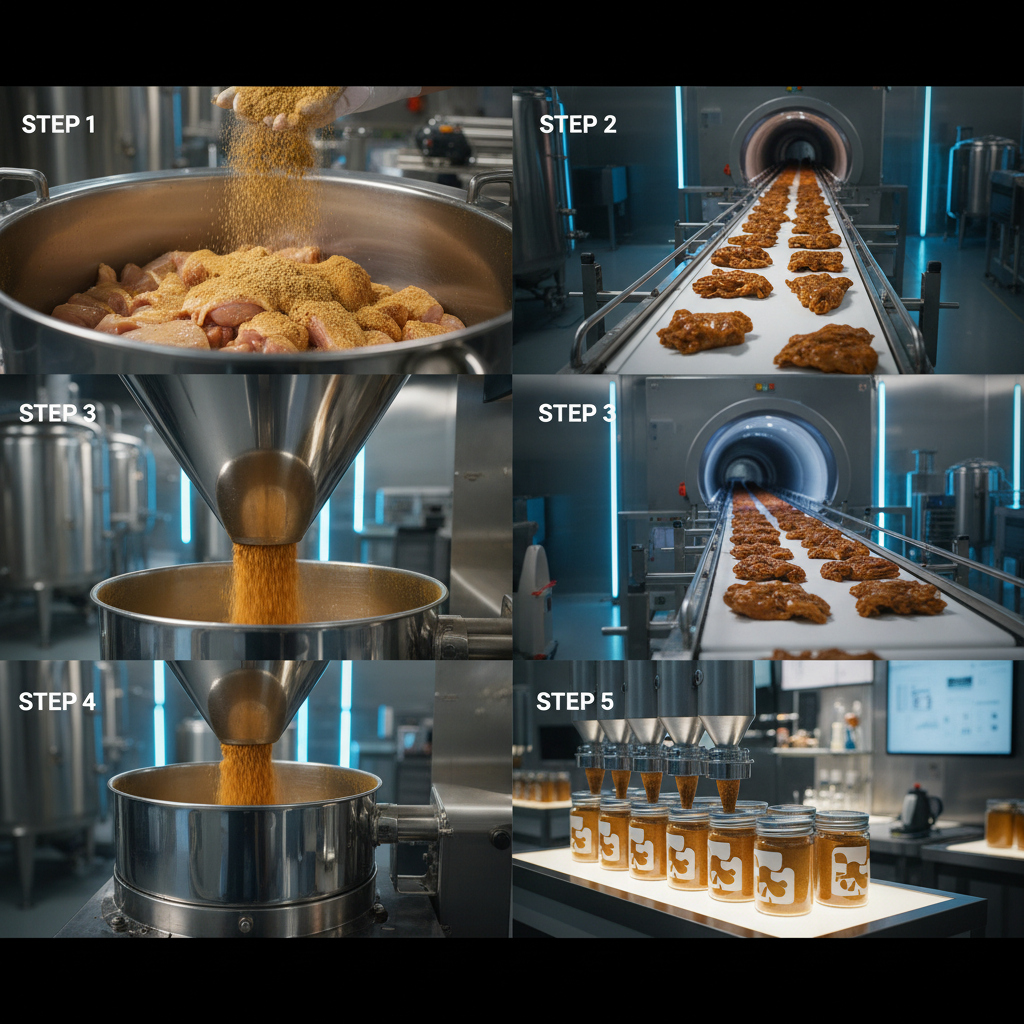
At its most fundamental level, chicken spice powder is a precision-engineered food additive comprising a mixture of dehydrated chicken extracts, salt, maltodextrin, and a curated selection of spices. Unlike simple home-made seasonings, industrial-grade powders are processed using spray-drying or freeze-drying technologies to ensure a homogeneous particle size, which is critical for uniform distribution in large-scale mixing vats.
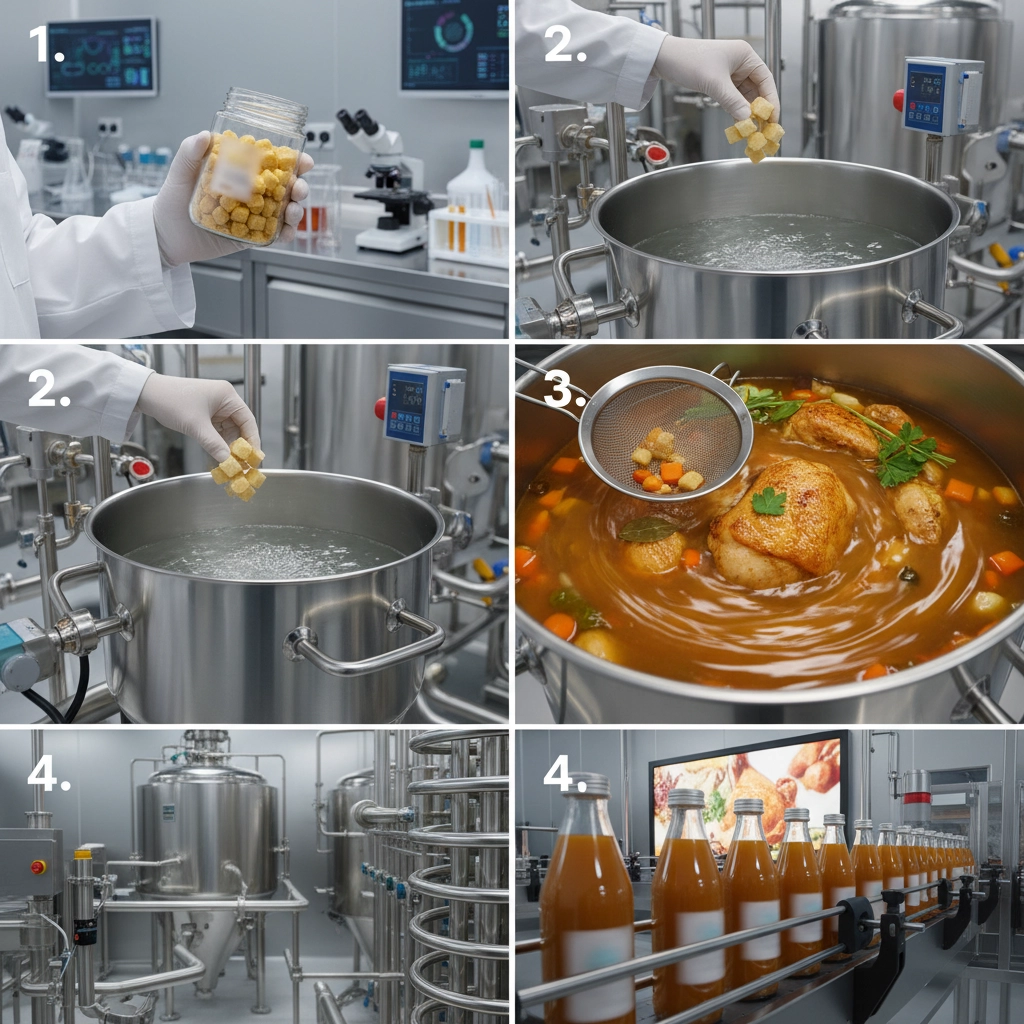
In the context of modern food industry needs, this product serves as a "flavor foundation." It provides the necessary depth and savory notes that characterize chicken-based products without requiring the presence of excessive amounts of fresh meat, thereby optimizing production costs. It acts as a bridge between raw material procurement and the final sensory experience of the consumer.
Furthermore, the humanitarian and nutritional relevance of such additives cannot be overlooked. In regions where fresh protein is scarce or expensive, fortified seasoning powders are often used in supplementary food programs to improve the palatability and caloric acceptance of nutrient-dense porridges and stews, making high-quality taste accessible to underserved populations.
Core Components for Flavor Stability
The effectiveness of chicken spice powder relies heavily on its Umami Balance. This is typically achieved through a synergy of glutamates and ribonucleotides, which mimic the natural savoriness of slow-cooked poultry. When these components are correctly balanced, the powder can enhance the perceived quality of the base protein, making even leaner cuts of meat taste richer and more satisfying.
Solubility and Dispersion are equally critical. Industrial chicken spice powder must dissolve rapidly in liquids or integrate seamlessly into fats without clumping. This is often achieved through the addition of anti-caking agents and the optimization of particle morphology, ensuring that the seasoning does not leave gritty residues in sauces or uneven "flavor spots" in processed meats.
Finally, Oxidative Stability ensures a long shelf life. Because many of the spices and extracts used in the powder contain volatile oils, the inclusion of natural antioxidants (such as rosemary extract) prevents the development of off-flavors over time. This stability allows manufacturers to store large quantities of the powder in warehouses without risking the degradation of the final product's taste profile.
Performance Metrics in Industrial Application
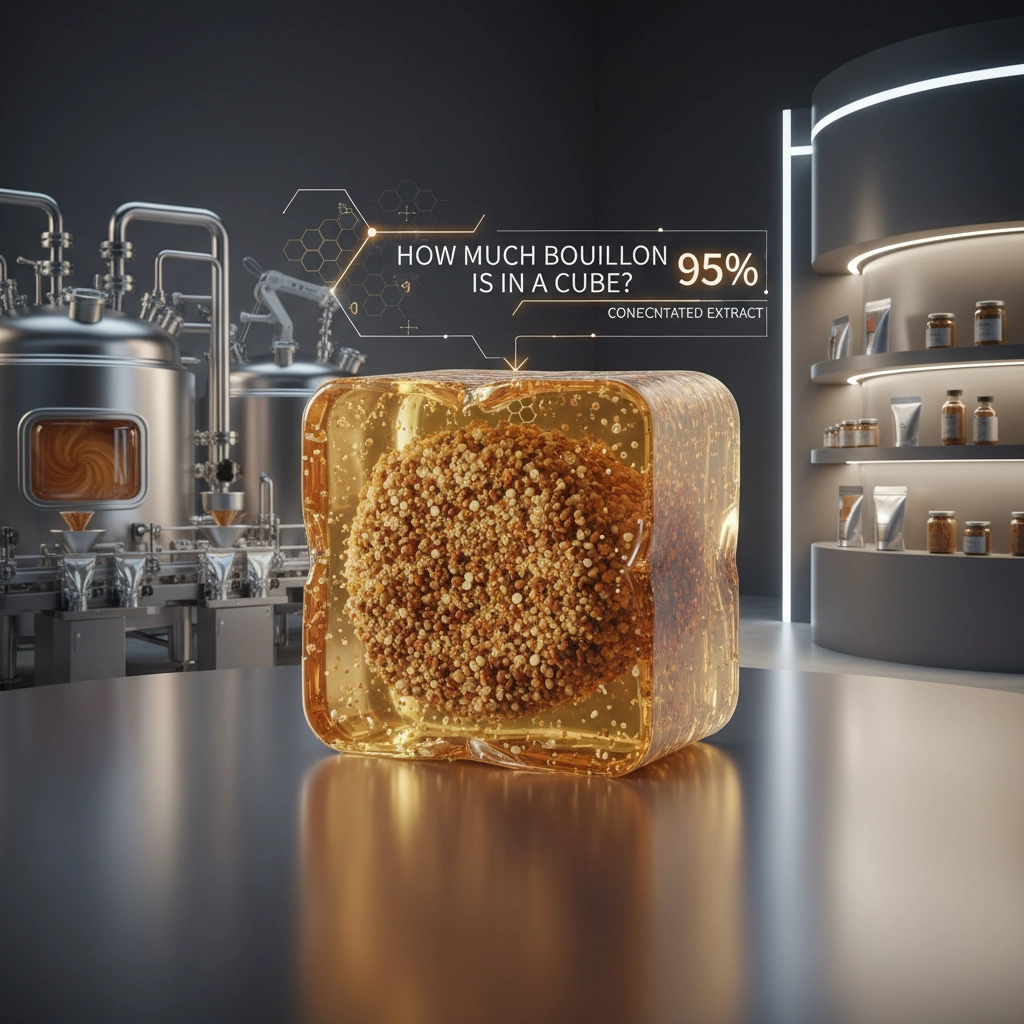
Measuring the success of a seasoning blend requires a combination of sensory analysis and quantitative data. In a commercial setting, chicken spice powder is evaluated based on its "impact value"—the minimum amount required to achieve a target flavor intensity. High-efficiency powders allow for lower dosage rates, which directly reduces the cost per unit of the finished food product.
Moreover, the thermal stability of the powder is a key performance indicator. In processes like extrusion or high-temperature baking, many flavor compounds evaporate. Premium powders are engineered to retain their aromatic integrity even under extreme heat, ensuring that the chicken flavor remains prominent from the factory line to the consumer's plate.
Efficiency Comparison of Chicken Spice Powder Variations
Global Use Cases and Market Adoption
The versatility of chicken spice powder allows it to penetrate various industrial sectors. In the snack food industry, it is used as a surface coating for extruded corn puffs and potato chips, where its fine particle size ensures an even layer of flavor that doesn't clump. In Southeast Asian markets, it is often integrated into instant noodle seasoning packets, providing a savory base that complements local spice profiles.
In more specialized contexts, such as the production of military MREs (Meals Ready-to-Eat) or disaster relief food kits, the powder is invaluable. Its low moisture content prevents spoilage in extreme climates, and its high flavor density ensures that calorie-dense but bland staples are palatable, which is critical for maintaining morale and nutritional intake in high-stress environments.
Long-Term Value and Sustainable Advantages
From a financial perspective, the adoption of standardized chicken spice powder offers immense cost-efficiency. By replacing the need for large-scale fresh ingredient processing—which involves high labor costs, waste from peeling and chopping, and expensive cold-chain logistics—companies can significantly reduce their operational overhead. The predictability of the powder's performance also reduces the rate of rejected batches in the quality control phase.
Sustainability is another key driver. Modern seasoning manufacturing focuses on reducing the carbon footprint by sourcing ingredients locally and utilizing energy-efficient drying processes. By concentrating flavors into a powder, the volume of material transported is reduced, leading to fewer shipping trips and lower CO2 emissions compared to transporting liquid bases or fresh aromatics.
Moreover, the trust established through consistent quality builds long-term brand equity. Consumers associate a specific taste with a brand; when chicken spice powder ensures that a product tastes the same in New York as it does in Tokyo, it reinforces the consumer's trust in the brand's reliability and professionalism.
Future Innovations in Seasoning Technology
The future of chicken spice powder is being shaped by the rise of "Clean Label" requirements. We are seeing a shift toward the use of yeast extracts and fermentation-derived flavor enhancers to replace traditional MSG, meeting the consumer demand for more natural ingredients without sacrificing the savory depth of the product.
Digital transformation is also entering the seasoning lab. AI-driven flavor mapping is now being used to analyze consumer preferences in real-time, allowing manufacturers to tweak the composition of their powders to match emerging regional trends. Automation in blending ensures that every gram of the mixture is perfectly distributed, eliminating human error in the manufacturing process.
Finally, the industry is exploring encapsulation technology. By coating individual flavor molecules in a microscopic protective layer, chicken spice powder can be designed for "timed release." This means the flavor is only released upon heating or chewing, creating a more dynamic and intense sensory experience for the end consumer.
Comparative Analysis of Chicken Spice Powder Formulation Trends
| Formulation Type |
Primary Goal |
Key Ingredient |
Market Suitability |
| Traditional Blend |
Cost Efficiency |
MSG & Salt |
Budget Food Lines |
| Clean Label |
Health Perception |
Yeast Extract |
Premium Health Brands |
| High-Intensity |
Strong Flavor Profile |
Concentrated Extract |
Instant Soups/Snacks |
| Low-Sodium |
Nutritional Balance |
Potassium Chloride |
Dietary/Medical Foods |
| Encapsulated |
Flavor Longevity |
Maltodextrin Shell |
High-Heat Processing |
| Organic Certified |
Eco-Sustainability |
Natural Herbs |
Eco-Conscious Markets |
FAQS
Industrial powders are engineered for scalability and stability. They feature a more precise particle size for uniform distribution in large batches and often include specialized anti-caking agents and thermal stabilizers that aren't found in small-batch retail versions. This ensures that a food manufacturer can produce millions of units with the exact same taste profile.
When stored in a cool, dry environment in airtight packaging, most professional-grade powders have a shelf life of 12 to 24 months. The inclusion of natural antioxidants and the removal of moisture during the drying process prevent the fats in the chicken extract from oxidizing, which is what typically causes "stale" flavors in home seasonings.
While traditional chicken spice powder contains meat extracts, the industry offers "chicken-flavored" versions developed through fermentation and yeast extracts. These provide the identical savory profile without any animal derivatives, making them ideal for the rapidly growing plant-based meat market while maintaining the familiar "chicken" taste.
Clumping is usually a result of humidity or poor particle distribution. We recommend using powders with optimized anti-caking agents (like silicon dioxide) and ensuring that your storage area is climate-controlled. Additionally, using a ribbon blender or high-shear mixer helps integrate the powder more effectively into the base product.
Yes, industrial seasoning is highly customizable. We can adjust the levels of garlic, pepper, or onion and add regional accents (such as lemongrass for SE Asia or paprika for Europe) to ensure the chicken spice powder aligns with local taste preferences while maintaining the core savory base.
Depending on the formulation, powders can range from pale cream to golden yellow. Most include a small amount of natural coloring (like turmeric or paprika extract) to give the finished product a rich, appetizing appearance that suggests a well-seasoned, slow-cooked chicken dish.
Conclusion
In summary, chicken spice powder is far more than a simple condiment; it is a critical industrial tool that ensures flavor consistency, reduces production costs, and enables the global scaling of food brands. By balancing umami chemistry with physical stability and nutritional considerations, these powders solve the volatility of fresh ingredients and meet the rigorous demands of the modern supply chain.
Looking forward, the integration of clean-label ingredients and AI-driven flavor customization will further elevate the role of seasoning in food manufacturing. For companies aiming to lead the market, investing in high-quality, stable, and innovative seasoning solutions is not just a matter of taste, but a strategic move toward operational excellence and consumer loyalty. Visit our website: www.chinaseasoning.com