In the rapidly evolving landscape of global gastronomy, the demand for authentic yet convenient flavor solutions has led to the rise of specialized ingredients like chicken pho powder. This innovative food additive allows commercial kitchens and home cooks alike to replicate the complex, slow-simmered depth of a traditional Vietnamese broth in a fraction of the time, bridging the gap between artisanal quality and industrial efficiency.
The global shift toward "convenience gourmet" means that the precision of a chicken pho powder formulation is no longer just about saving time; it is about maintaining flavor consistency across thousands of servings. For food manufacturers, integrating such a high-performance seasoning base ensures that the aromatic profile of cinnamon, star anise, and roasted chicken remains stable regardless of the production scale.
Understanding the science behind these powders—from the spray-drying techniques to the balance of umami-rich enhancers—is crucial for stakeholders in the food additive industry. By leveraging a premium chicken pho powder, businesses can reduce labor costs and minimize ingredient waste while delivering a product that meets the high expectations of modern, health-conscious consumers.
Global Industry Context of Chicken Pho Powder
The global food additive market has seen a significant surge in the adoption of concentrated seasoning bases, with chicken pho powder emerging as a key growth driver in the Asian-fusion segment. As international trade expands and the popularity of Southeast Asian cuisine grows in Western markets, the need for standardized, export-grade flavor powders has become paramount for maintaining ISO-compliant quality standards across borders.
One of the primary challenges addressed by this powder is the volatility of fresh ingredient sourcing. Traditionally, a pho broth requires hours of simmering bone-in chicken and fresh aromatics, which is economically unfeasible for fast-casual dining chains. By utilizing a scientifically formulated chicken pho powder, operators can eliminate the risk of batch-to-batch inconsistency and reduce the carbon footprint associated with transporting bulky fresh ingredients.
Definition and Industrial Meaning
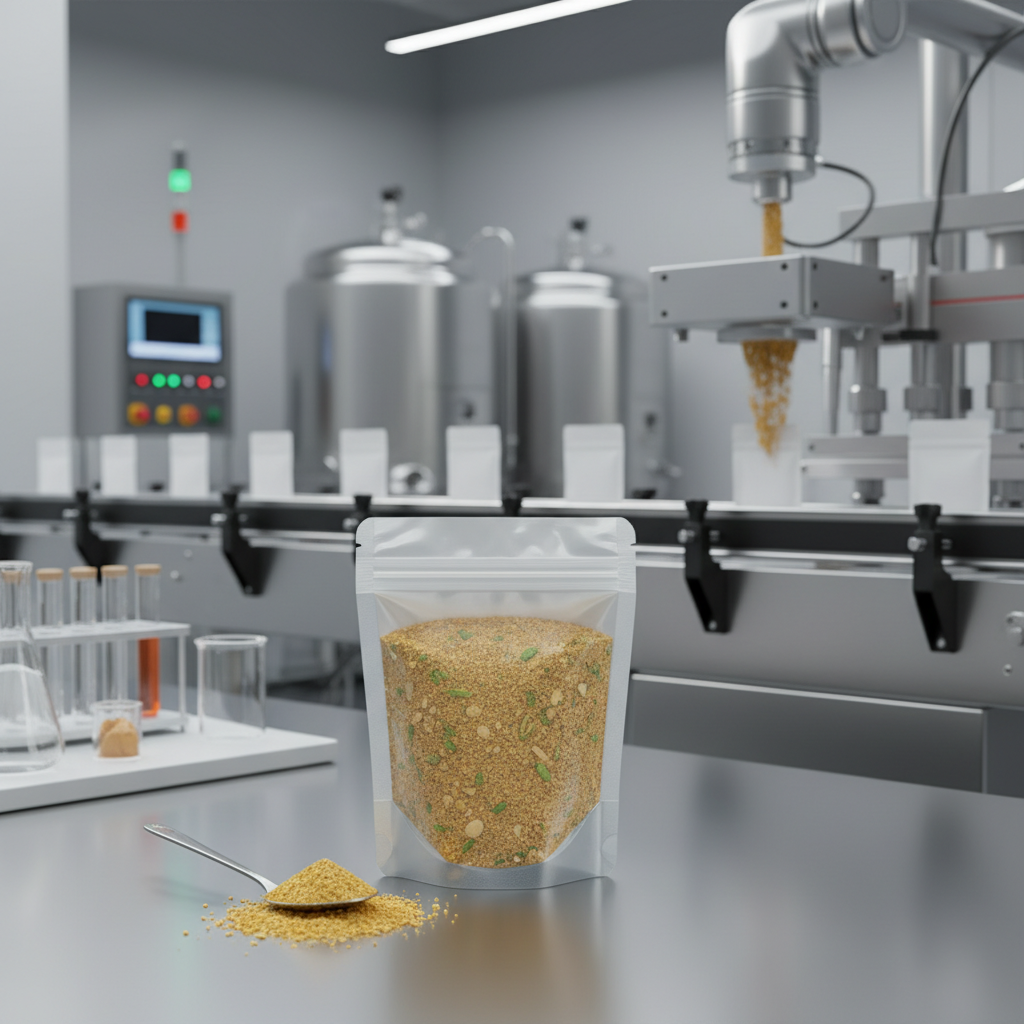
In technical terms, chicken pho powder is a dehydrated, composite seasoning blend that integrates chicken extracts, salt, sugar, and a precise matrix of botanical spices such as star anise, cinnamon, and cloves. Unlike simple bouillon cubes, this powder is engineered for high solubility and a "clean label" profile, ensuring that it dissolves instantly in hot water to create a clear, aromatic broth.
From an industrial perspective, this product represents the intersection of traditional culinary arts and modern food chemistry. It allows for the "modularization" of flavor, where the core chicken essence is stabilized through advanced drying processes, allowing manufacturers to scale production without sacrificing the nuanced taste of a home-cooked meal.
Furthermore, in the context of global food security and humanitarian aid, concentrated powders provide a nutrient-dense and shelf-stable method of delivering flavor and calories to remote regions. The ability to store chicken pho powder without refrigeration makes it an invaluable asset for emergency food rations and long-term storage in industrial zones.
Core Components of High-Quality Formulations
The efficacy of a premium chicken pho powder relies heavily on the quality of its protein base. High-grade chicken extracts are typically derived from hydrolyzed proteins that provide a deep, savory umami foundation, ensuring the broth has "body" and mouthfeel even when diluted.
Aromatic precision is the second pillar of a successful chicken pho powder. The ratio of cinnamon to star anise must be mathematically balanced to avoid an overpowering medicinal taste, utilizing volatile oil encapsulates that release their scent only when exposed to boiling water.
Finally, the inclusion of stability agents and anti-caking additives ensures that the chicken pho powder remains a free-flowing powder during storage. This prevents the formation of clumps, which is critical for automated dosing systems in large-scale food manufacturing plants.
Key Performance Factors in Production
When analyzing the performance of different production methods for chicken pho powder, manufacturers focus on three main KPIs: solubility, flavor retention, and cost-per-unit. Spray-drying remains the gold standard for achieving a fine particle size, while freeze-drying is often reserved for premium, organic lines where nutrient preservation is the priority.
The balance between these factors determines the product's market positioning. A powder optimized for high-volume industrial use will prioritize rapid solubility and low cost, whereas a gourmet-grade powder will emphasize the complexity of the chicken essence and the purity of the spices used.
Performance Comparison of Chicken Pho Powder Variants
Global Applications and Market Use Cases
The versatility of chicken pho powder extends far beyond traditional soup bowls. In the ready-to-eat (RTE) meal sector, it is used as a dry seasoning packet in instant noodle cups, allowing consumers to enjoy a restaurant-quality Vietnamese experience in minutes. This application requires the powder to be highly stable against moisture ingress to prevent premature clumping within the packaging.
Beyond consumer goods, industrial catering services for airlines and cruise ships rely on chicken pho powder to ensure consistency across different galley environments. By using a standardized powder, these organizations can maintain strict nutritional labeling and allergen control, which is nearly impossible when relying on fresh, variable-source chicken broths.
Long-Term Value and Sustainable Advantages
Integrating chicken pho powder into a business model offers significant economic advantages. The most immediate benefit is the drastic reduction in food waste; since the powder has a shelf life of 12-24 months, businesses no longer risk losing large batches of simmered broth due to spoilage or unexpected drops in customer traffic.
From a sustainability angle, the concentrated nature of the powder reduces the logistical burden. Shipping a few kilograms of high-potency chicken pho powder is far more eco-friendly than transporting hundreds of liters of liquid broth or tons of raw chicken carcasses, significantly lowering the CO2 emissions associated with the supply chain.
Moreover, the reliability of a chemically stable seasoning base fosters trust between the manufacturer and the end-user. When a chef knows that the flavor profile will be identical every single time, they can innovate more freely with toppings and presentations, knowing the foundation—the chicken pho powder—is flawless.
Future Trends in Seasoning Innovation
The future of chicken pho powder is moving toward "hyper-personalization" and clean-label transparency. We are seeing a trend where manufacturers remove MSG and artificial enhancers, replacing them with natural yeast extracts and mushroom powders to achieve the same umami depth while appealing to health-conscious demographics.
Digital transformation is also playing a role, with AI-driven flavor profiling allowing companies to tweak chicken pho powder recipes based on regional taste preferences. For instance, a version for the North American market might emphasize a sweeter profile, while the Southeast Asian version remains more savory and pungent.
Sustainability will remain a core driver, with the industry exploring plant-based chicken alternatives to create "vegan pho powders" that mimic the taste of chicken using precision fermentation. This evolution ensures that chicken pho powder remains relevant in a world shifting toward ethical and sustainable protein sources.
Analysis of Chicken Pho Powder Formulation and Market Efficiency
| Formulation Type |
Umami Intensity |
Solubility Rate |
Cost Efficiency |
| Standard Spray-Dried |
Medium (7/10) |
Very High |
Excellent |
| Premium Bone-Extract |
High (9/10) |
High |
Moderate |
| Organic Clean-Label |
Medium (6/10) |
Medium |
Low |
| Industrial Bulk Base |
Low (5/10) |
Very High |
Superior |
| Freeze-Dried Gourmet |
Extreme (10/10) |
Medium |
Very Low |
| Plant-Based Mimic |
Medium (7/10) |
High |
Moderate |
FAQS
Professional powders offer unmatched consistency and stability. While homemade stock varies by batch, a high-quality chicken pho powder ensures every bowl has the exact same salt, umami, and aromatic balance. Additionally, it reduces preparation time from 12 hours to 5 minutes and provides a shelf-stable solution that eliminates the risk of rapid spoilage.
To avoid clumping, it is recommended to stir the powder into boiling water gradually or pre-mix it with a small amount of warm water to create a slurry before adding it to the main pot. Premium powders are engineered with anti-caking agents and high solubility profiles to minimize this issue, but proper water temperature (above 90°C) is key to activating the encapsulated aromatics.
Yes, the industry is shifting toward clean-label ingredients. Many manufacturers now offer versions of chicken pho powder that use yeast extracts or mushroom powders for umami instead of MSG and avoid wheat-based fillers. Always check the technical data sheet (TDS) for certification regarding gluten-free and non-GMO status.
When stored in a cool, dry place in original airtight packaging, most industrial-grade chicken pho powder products have a shelf life of 18 to 24 months. The low moisture content (typically below 5%) prevents microbial growth and preserves the volatile oils of the spices, ensuring the flavor remains potent over time.
Absolutely. These powders are designed for compatibility with automatic dosing systems and industrial mixers. Because they are standardized in particle size and weight, they can be precisely measured by machinery to maintain strict recipe controls across massive production lines, making them ideal for RTE meal manufacturers.
Importing chicken pho powder requires compliance with the destination country's food safety regulations (such as FDA in the US or EFSA in Europe). Ensure your supplier provides a Certificate of Analysis (COA), an MSDS sheet, and proper health certificates. Working with a seasoned manufacturer helps ensure all labeling meets local regulatory requirements.
Conclusion
In summary, chicken pho powder represents a critical evolution in the food additive industry, transforming a labor-intensive culinary tradition into a scalable, efficient, and consistent commercial product. By balancing protein-rich chicken extracts with a precise aromatic spice matrix, this product enables businesses to maintain high quality while drastically reducing waste and operational costs.
Looking ahead, the integration of clean-label ingredients and sustainable production methods will further solidify the role of these seasoning bases in the global market. For manufacturers and restaurateurs seeking to optimize their efficiency without compromising on authenticity, investing in a high-performance chicken pho powder is a strategic move toward long-term growth. Visit our website: www.chinaseasoning.com