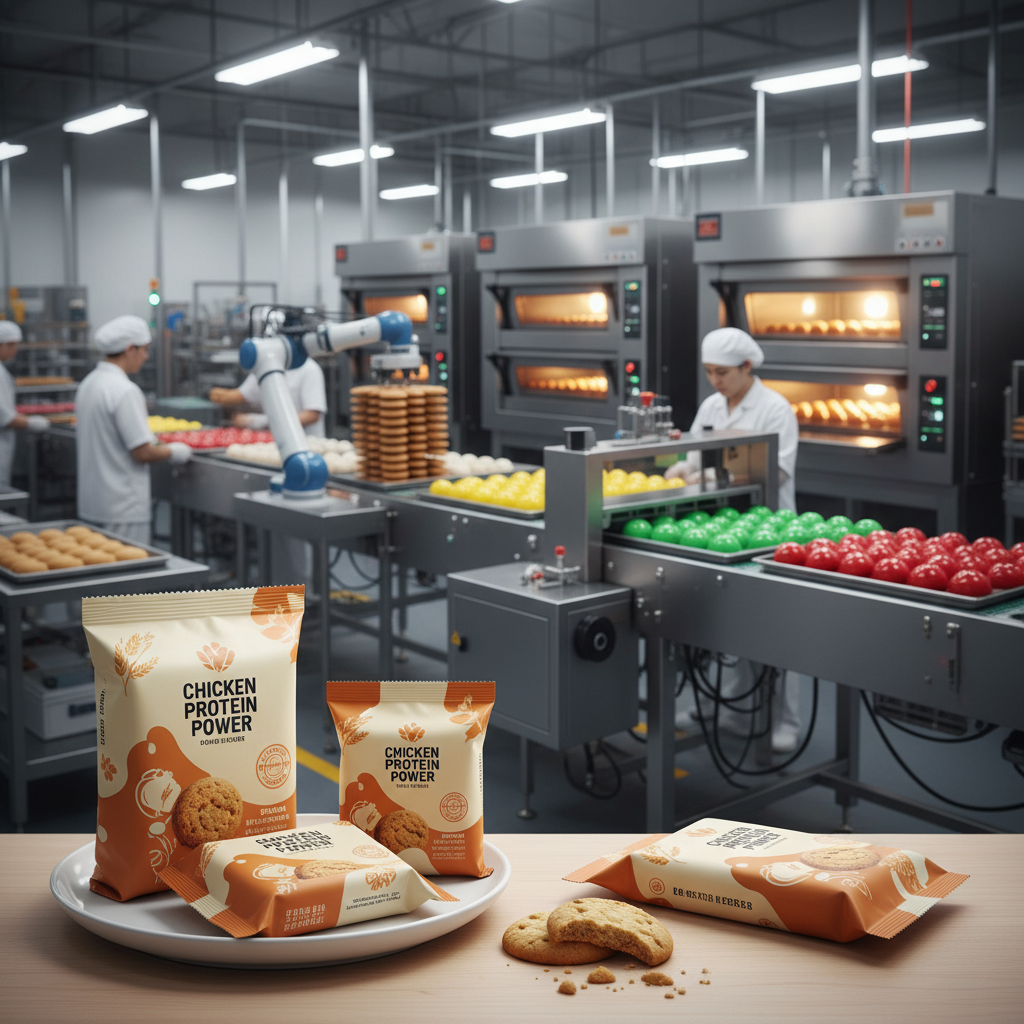
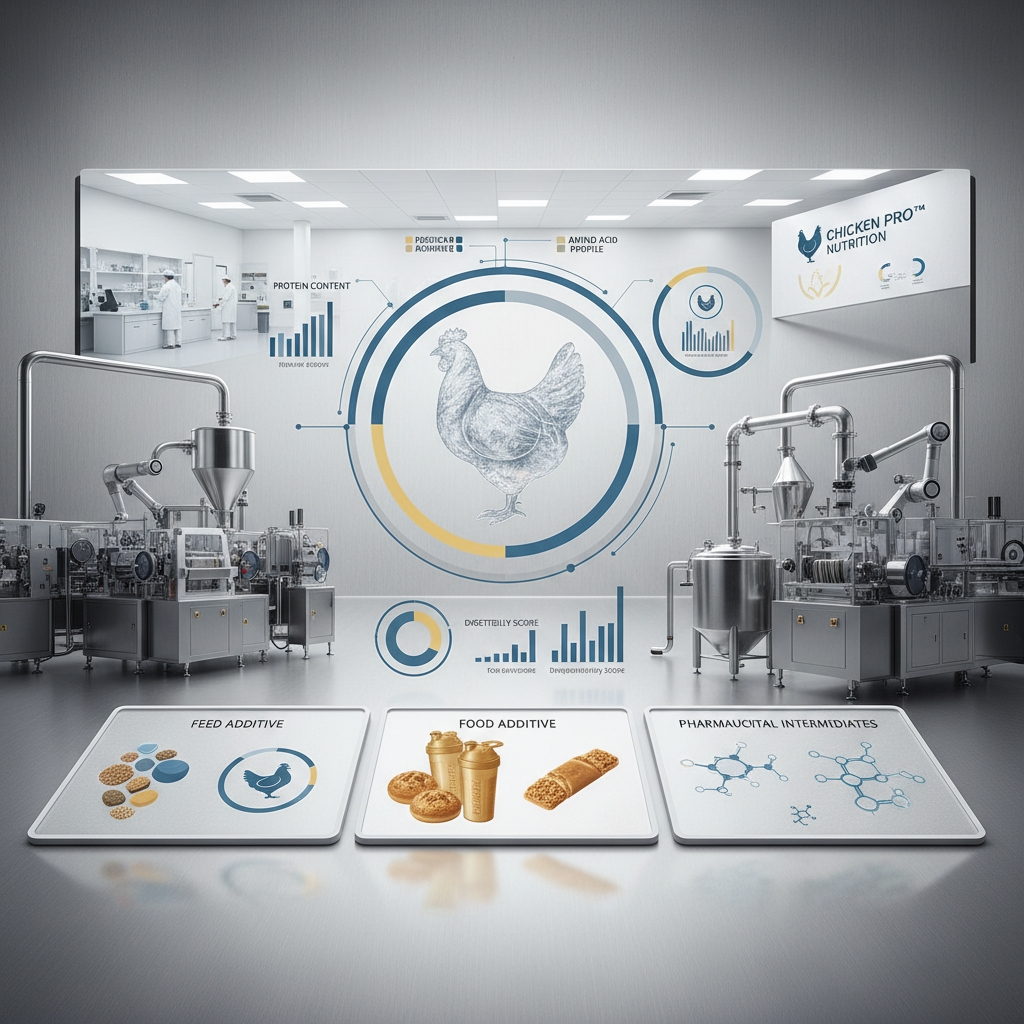
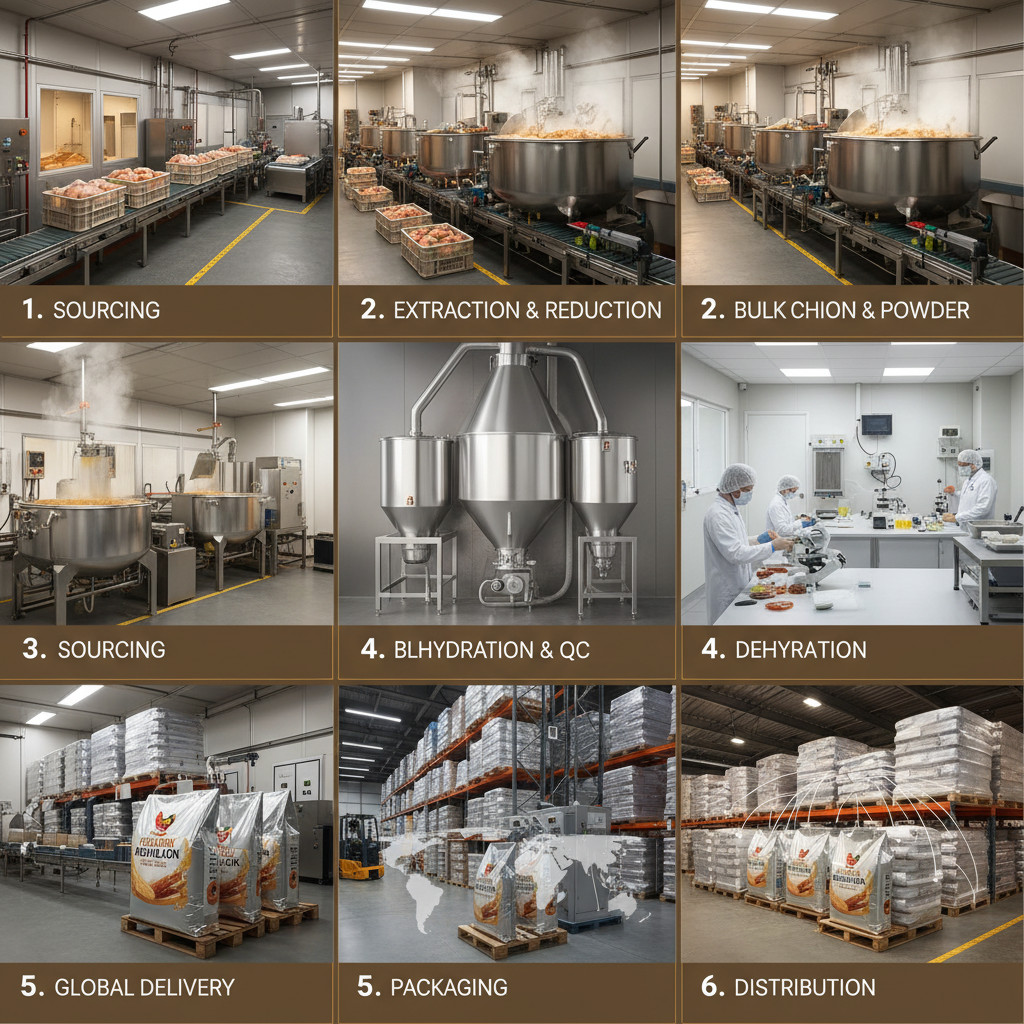
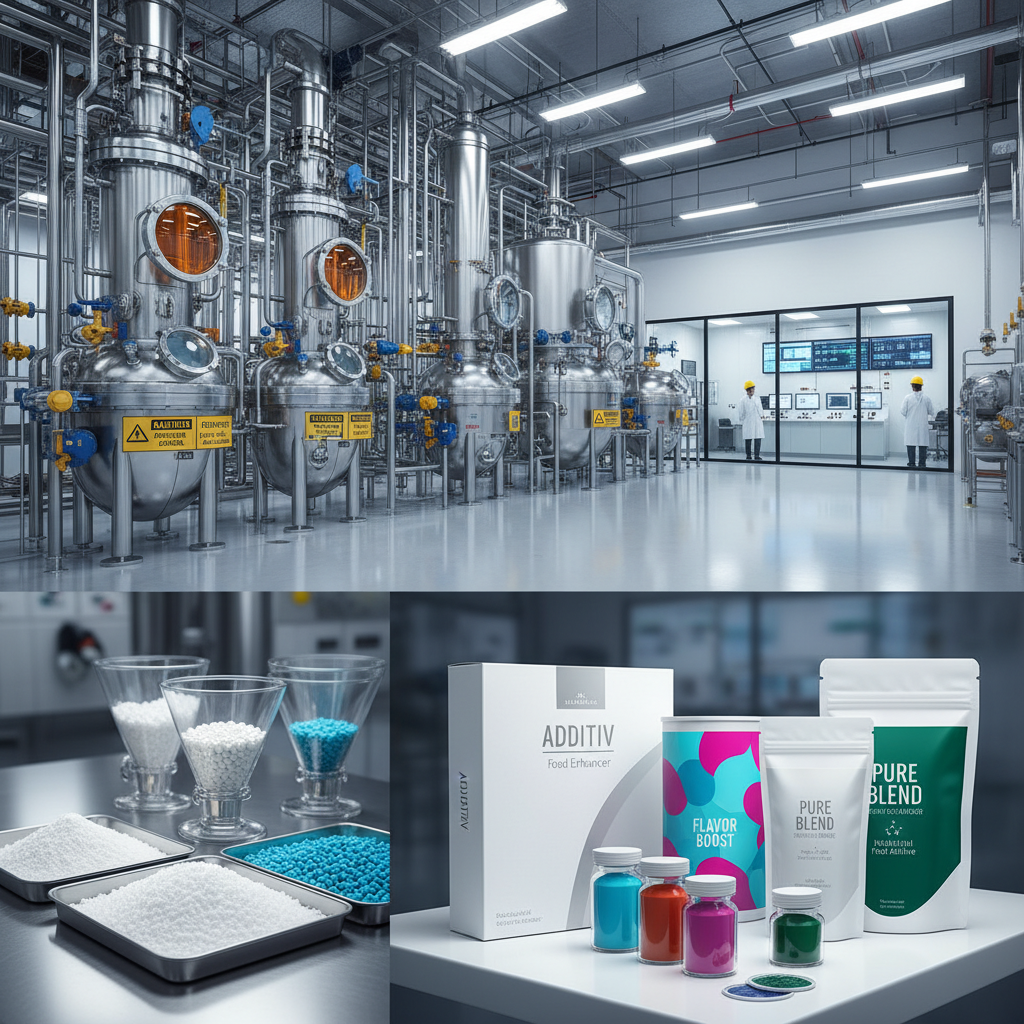
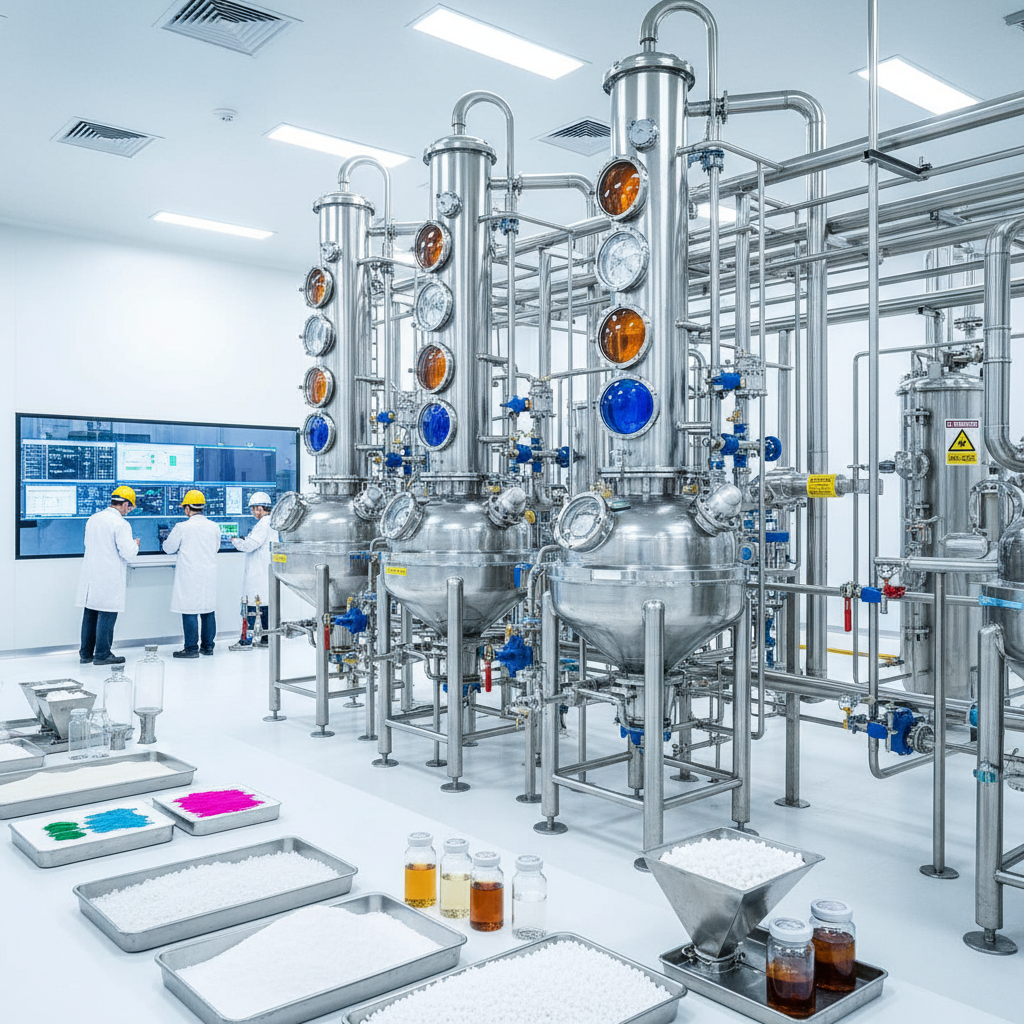
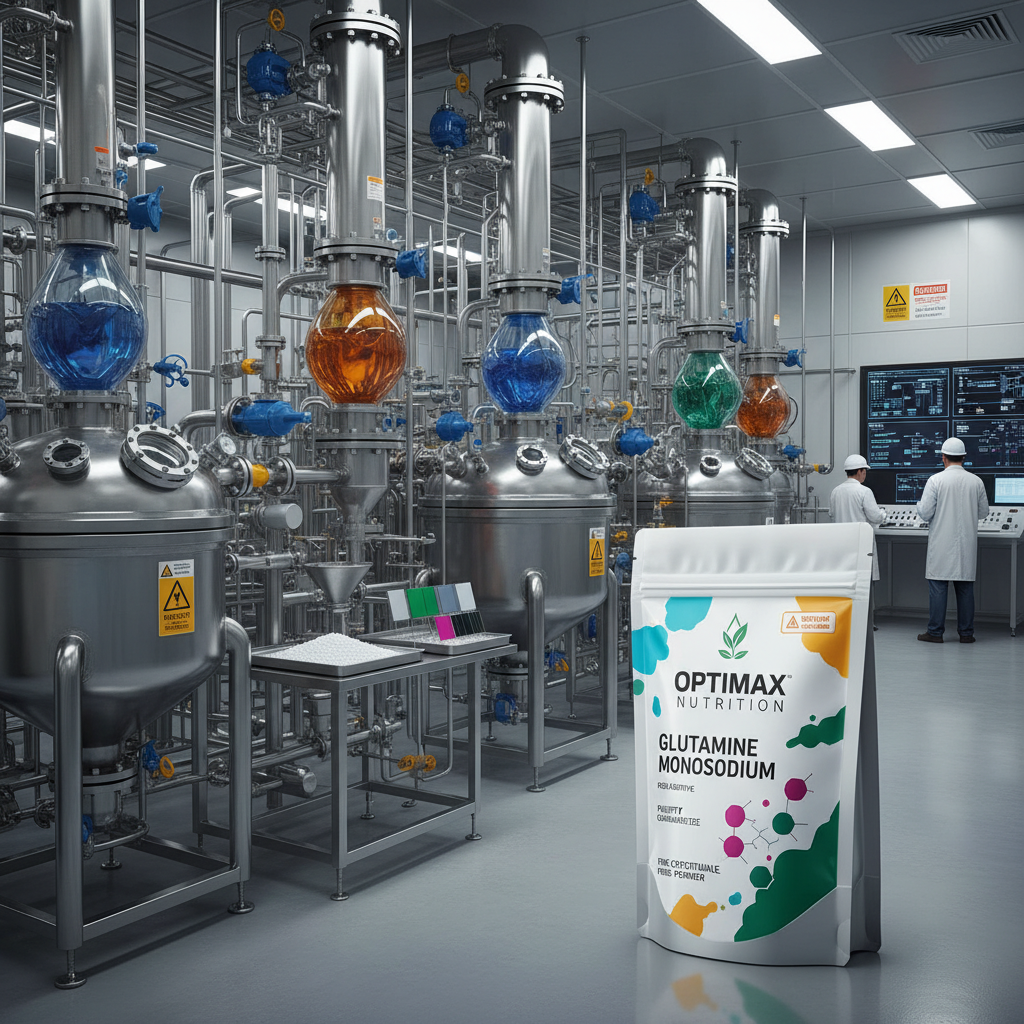
In the evolving landscape of global nutrition and sustainable agriculture, chicken protein powder has emerged as a pivotal ingredient for enhancing the nutritional density of both human food and animal feed. As the demand for high-quality, bioavailable protein grows, the industry is shifting toward efficient processing methods that maximize amino acid retention while minimizing environmental waste.
From a commercial perspective, the integration of this potent protein source allows manufacturers in the feed additive and food additive sectors to create products that support rapid growth in livestock and muscle recovery in humans. The versatility of this powder makes it an indispensable asset for those seeking a balance between cost-efficiency and high biological value.
Understanding the nuances of chicken protein powder—from its raw extraction to its final application—is essential for stakeholders aiming to optimize product performance. By leveraging advanced manufacturing standards, the industry can address global protein shortages and improve the overall sustainability of the food supply chain.
Global Relevance of Chicken Protein Powder
On a global scale, the reliance on chicken protein powder is driven by the urgent need for sustainable protein sources to support a growing population. According to data aligned with FAO guidelines, the poultry industry remains one of the most efficient converters of feed to protein, making the byproduct utilization in the form of protein powders a key strategy for reducing biomass waste and promoting a circular economy.
The primary challenge facing the industry is the volatility of raw material quality and the stringent regulatory requirements across different continents. By transforming raw poultry proteins into a standardized powder, manufacturers can ensure consistent nutritional delivery across borders, effectively mitigating the risks associated with fresh protein spoilage and logistical instabilities in remote industrial zones.
Defining Chicken Protein Powder in Modern Industry
At its core, chicken protein powder is a concentrated protein extract derived from poultry sources, processed through hydrolysis or spray-drying to ensure stability and solubility. Unlike raw meat, this powder provides a precise concentration of essential amino acids, making it an ideal additive for specialized feed, pharmaceutical intermediates, and nutritional supplements.
In the context of modern industry, this material serves as a bridge between agricultural waste and high-value nutritional products. By employing enzymatic hydrolysis, the long-chain proteins are broken down into peptides, which significantly enhances the absorption rate in the gut of target animals or humans, thereby improving the overall efficiency of the dietary intake.
This innovation addresses humanitarian needs by providing a cost-effective method to combat protein-energy malnutrition in developing regions. Because it is lightweight and has a long shelf life, it can be easily transported to areas where fresh protein sources are scarce, providing a critical nutritional safety net.
Core Components for Optimal Quality
The effectiveness of chicken protein powder is primarily determined by its amino acid profile, particularly the presence of lysine and methionine. These components are critical for skeletal growth and metabolic function, ensuring that the end product meets the biological demands of the target organism.
Bioavailability and solubility are the hallmarks of high-grade chicken protein powder. When the protein is properly hydrolyzed, it becomes more soluble in water, reducing the digestive load on the liver and kidneys while maximizing the rate of nutrient uptake in the intestinal tract.
Furthermore, purity and stability play a decisive role in commercial viability. The removal of excess lipids and the control of moisture levels prevent oxidative rancidity, ensuring that the powder remains chemically stable during long-term storage and transport in varied climatic conditions.
Practical Applications and Use Cases
The application of chicken protein powder spans multiple high-impact industries. In the livestock sector, it is used as a premium feed additive to accelerate the growth cycle of aquaculture and swine, reducing the time to market while ensuring robust health. In the pharmaceutical realm, it serves as a critical intermediate for the synthesis of peptide-based medications.
Real-world use cases often appear in high-stress environments. For instance, in post-disaster relief operations, fortified food blends containing poultry protein are deployed to provide immediate caloric and muscle-preserving nutrition to displaced populations. Similarly, in remote industrial zones where fresh food logistics are impossible, this powder provides a reliable protein baseline for workforce health.
Efficiency Ratings of Protein Processing Methods
Strategic Advantages and Long-Term Value
The long-term value of adopting chicken protein powder lies in its dual ability to reduce costs and increase sustainability. By repurposing protein-rich byproducts that would otherwise end up in landfills, companies significantly lower their environmental footprint while tapping into a high-margin ingredient source.
Beyond the balance sheet, there is a profound emotional and logical angle: trust and reliability. Providing a consistent, contaminant-free protein source ensures the safety of the food chain, fostering consumer confidence and upholding the dignity of nutritional standards across various socioeconomic strata.
Future Innovations in Protein Extraction
The future of chicken protein powder is being reshaped by digital transformation and green chemistry. Automation in the extraction process is allowing for real-time monitoring of amino acid profiles, ensuring that every batch meets a precise molecular blueprint without human error.
Furthermore, the shift toward green energy in manufacturing plants is reducing the carbon intensity of the spray-drying process. New membranes for ultra-filtration are being developed to separate proteins at lower temperatures, preserving the native structure of the proteins and increasing the overall biological value of the final powder.
We are also seeing a trend toward "designer proteins," where the powder is tailored for specific needs—such as hypoallergenic versions for sensitive livestock or high-leucine blends for muscle-wasting prevention in clinical settings.
Overcoming Implementation Challenges
One of the primary limitations in current practice is the sensory profile of the powder, which can sometimes possess a strong odor or taste that affects the palatability of the final product. To overcome this, industry experts are implementing advanced vacuum deodorization and natural masking agents that maintain the nutritional integrity while improving the commercial appeal.
Another challenge is the regulatory discrepancy between international markets. To navigate this, manufacturers are adopting ISO-certified quality management systems and transparent traceability protocols, allowing them to provide the necessary documentation for seamless import/export operations.
Ultimately, the solution lies in continuous R&D. By investing in enzymatic breakthroughs and precision fermentation, the industry can produce a chicken protein powder that is not only nutritionally superior but also perfectly adapted to the strictest global purity standards.
Comparison of Protein Powder Grades and Their Industrial Utility
| Grade Level |
Processing Method |
Primary Application |
Purity Score (1-10) |
| Industrial Grade |
Mechanical Pressing |
Bulk Animal Feed |
5 |
| Standard Grade |
Thermal Spray Drying |
Aquaculture Additives |
7 |
| Premium Grade |
Enzymatic Hydrolysis |
Specialized Pet Food |
8 |
| Pharma Grade |
Ultra-Filtration |
Pharmaceutical Intermediates |
10 |
| Nutritional Grade |
Vacuum Deodorization |
Human Supplements |
9 |
| Custom Blend |
Molecular Tailoring |
Clinical Nutrition |
9 |
FAQS
Chicken protein powder typically offers a more complete amino acid profile, particularly in essential sulfur-containing amino acids like methionine, which are often limiting in plant proteins. This leads to better muscle development, improved immune response, and faster growth rates in poultry and aquaculture.
When stored in a cool, dry place in airtight packaging, high-quality powder can typically last 12 to 24 months. The use of vacuum sealing and moisture control during production is key to preventing oxidation and maintaining the biological activity of the peptides.
Yes, provided it is the "Pharma Grade" variant. Ultra-filtration and high-purity extraction processes ensure that the protein is free from contaminants and lipids, making it an ideal substrate for the synthesis of therapeutic peptides and other pharmaceutical compounds.
Absolutely. Through advanced deodorization and purification, the powder becomes an excellent source of bioavailable protein for sports nutrition and elderly care, offering a cost-effective alternative to whey or casein with similar absorption rates.
NGOs should seek suppliers that provide comprehensive COA (Certificate of Analysis) and ISO certifications. Due to its stability and high nutrient density, the powder is often shipped in bulk silos or reinforced bags, facilitating rapid deployment in crisis zones without the need for cold-chain logistics.
Yes, significantly. Enzymatic hydrolysis breaks proteins into smaller peptides, which are absorbed much faster in the small intestine. In contrast, simple thermal drying preserves the protein in longer chains, which may require more digestive effort and offer a slower release of amino acids.
Conclusion
In summary, chicken protein powder represents a sophisticated synergy between agricultural efficiency and nutritional science. By transforming poultry by-products into high-value additives, the industry not only supports the growth and health of livestock and humans but also contributes to a more sustainable, zero-waste global food economy. From its critical role in pharmaceutical intermediates to its life-saving application in humanitarian aid, the versatility of this protein source is unmatched.
Looking forward, the integration of green chemistry and digital precision will continue to elevate the purity and efficacy of these powders. We encourage manufacturers and distributors to prioritize hydrolyzed, high-bioavailability grades to maximize their product's competitive edge and social impact. For premium sourcing and technical consultation, visit our website: www.chinaseasoning.com