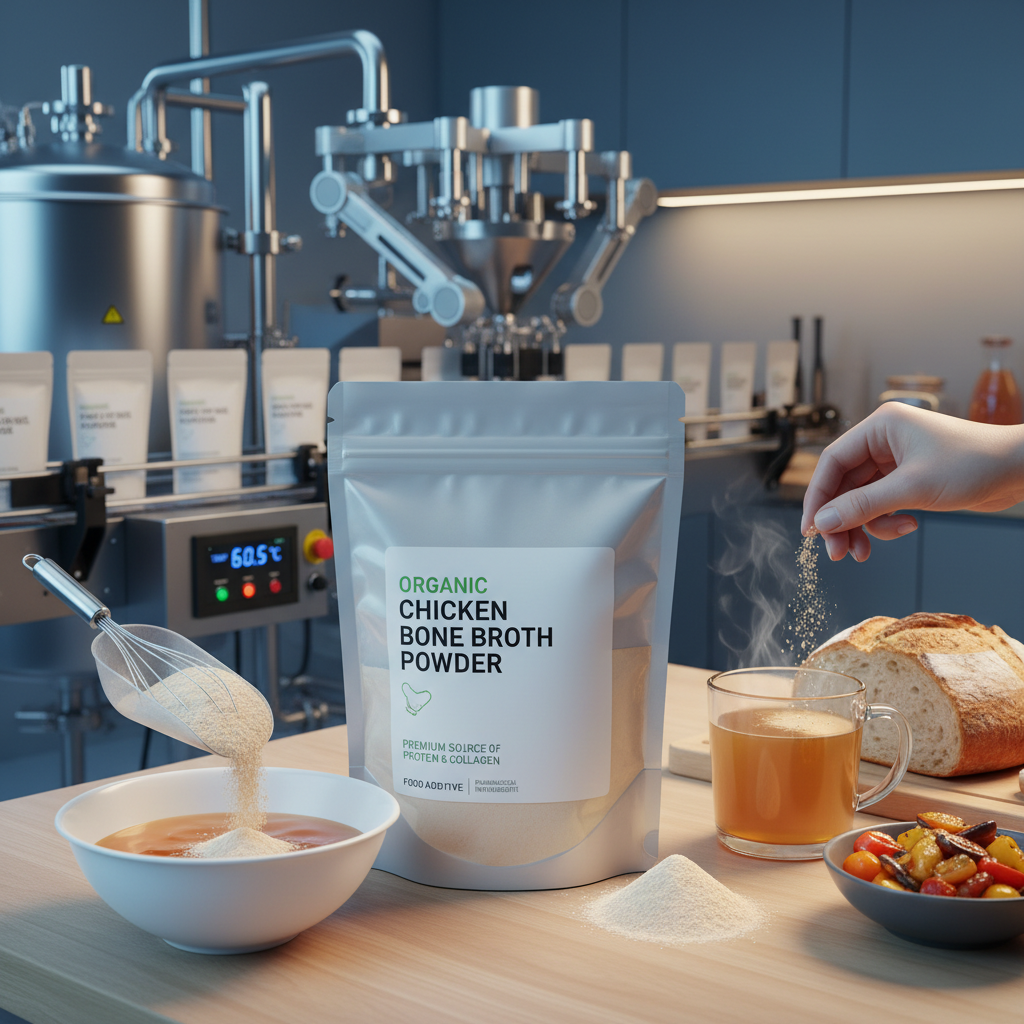
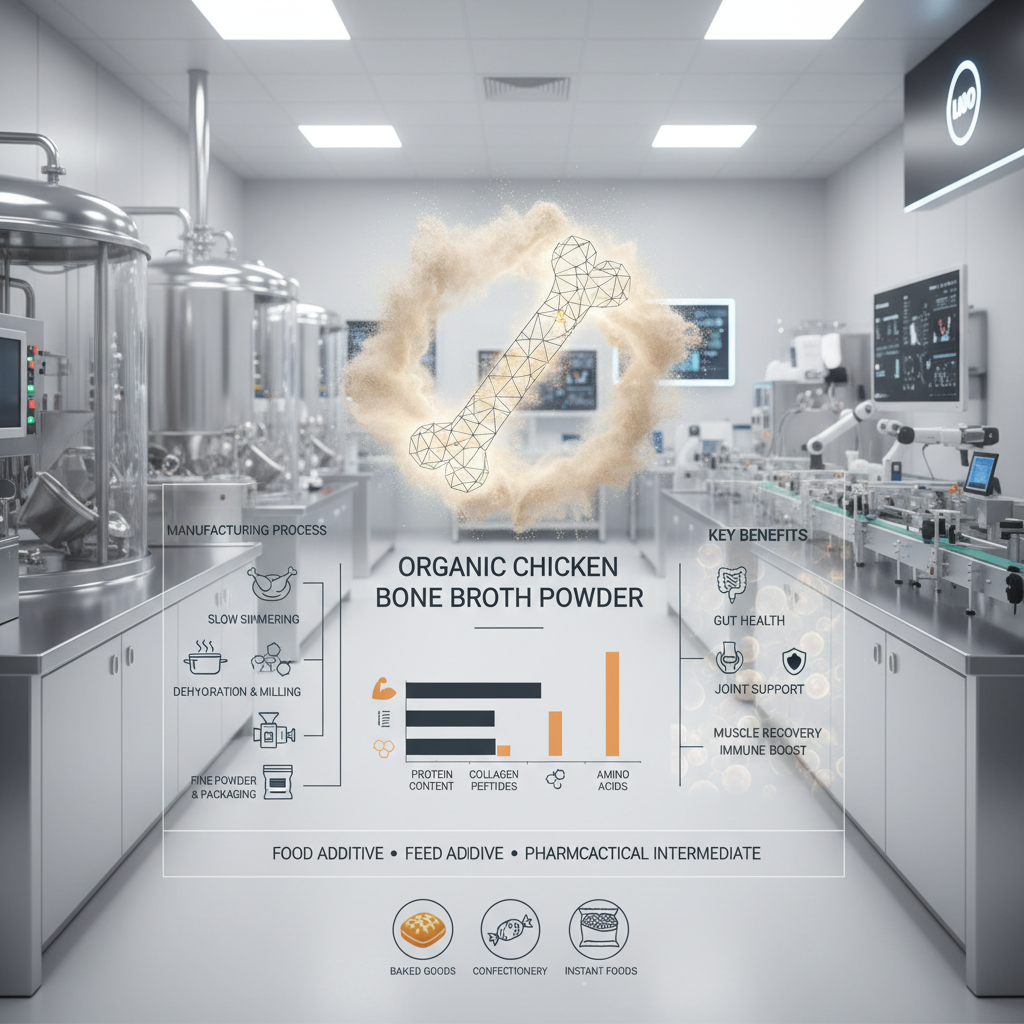
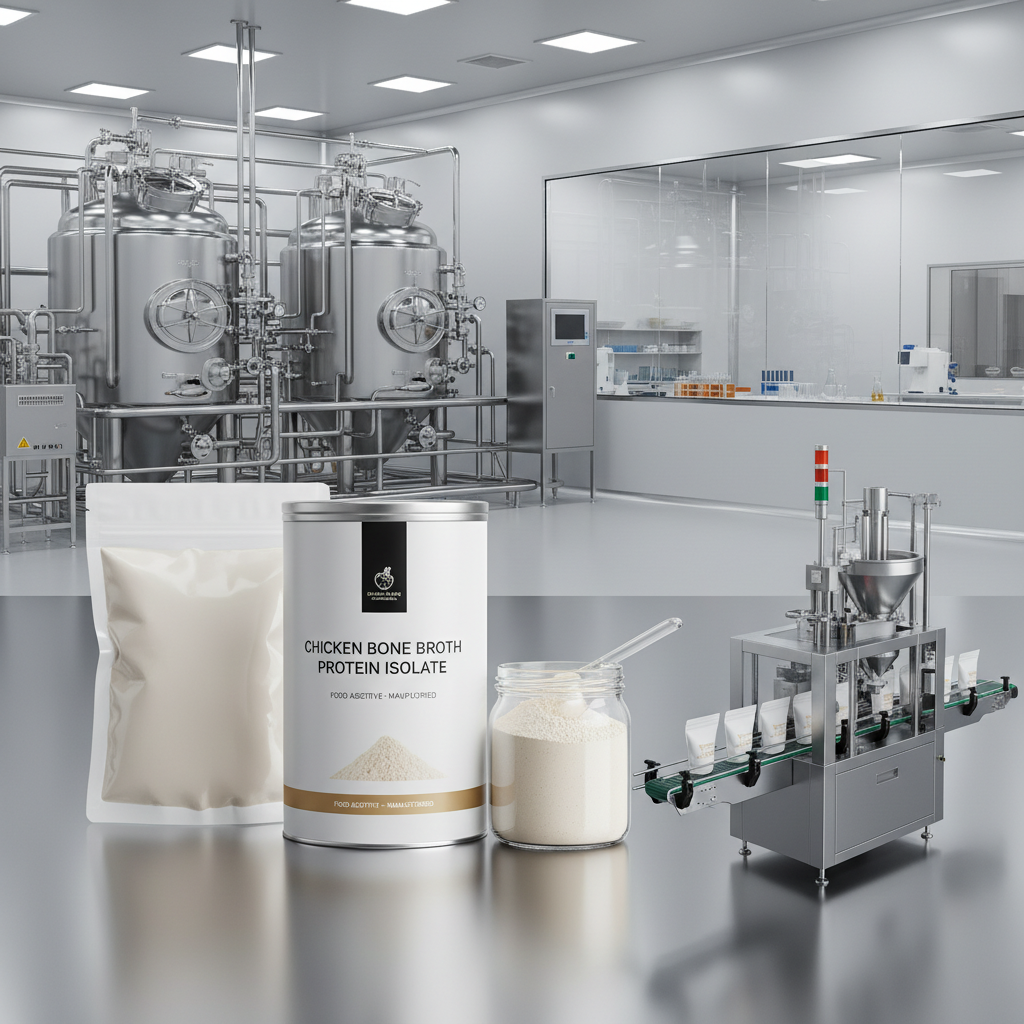
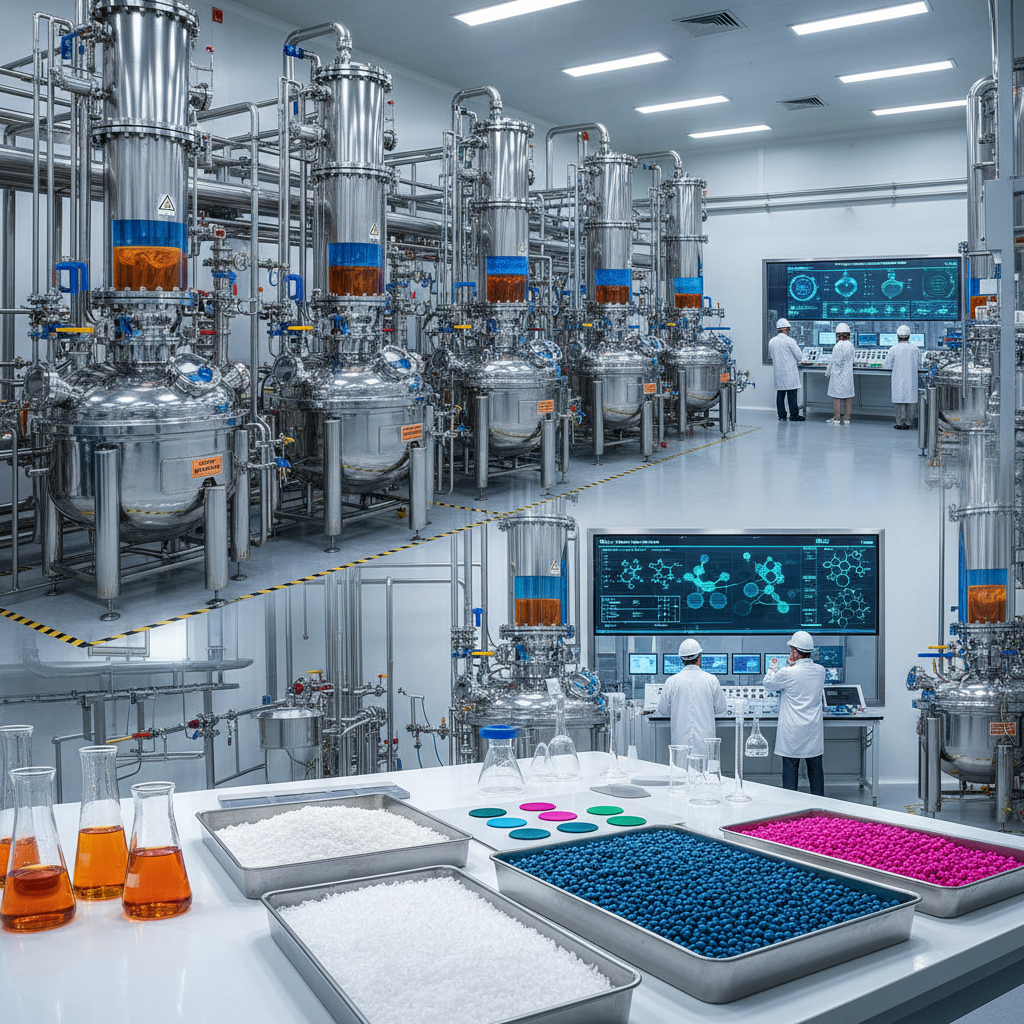
The global shift toward functional nutrition has brought organic chicken bone broth powder to the forefront of the health food industry. As consumers increasingly seek nutrient-dense, clean-label alternatives to synthetic supplements, this concentrated protein source offers a biological synergy of collagen, minerals, and amino acids that are essential for gut health and joint recovery.
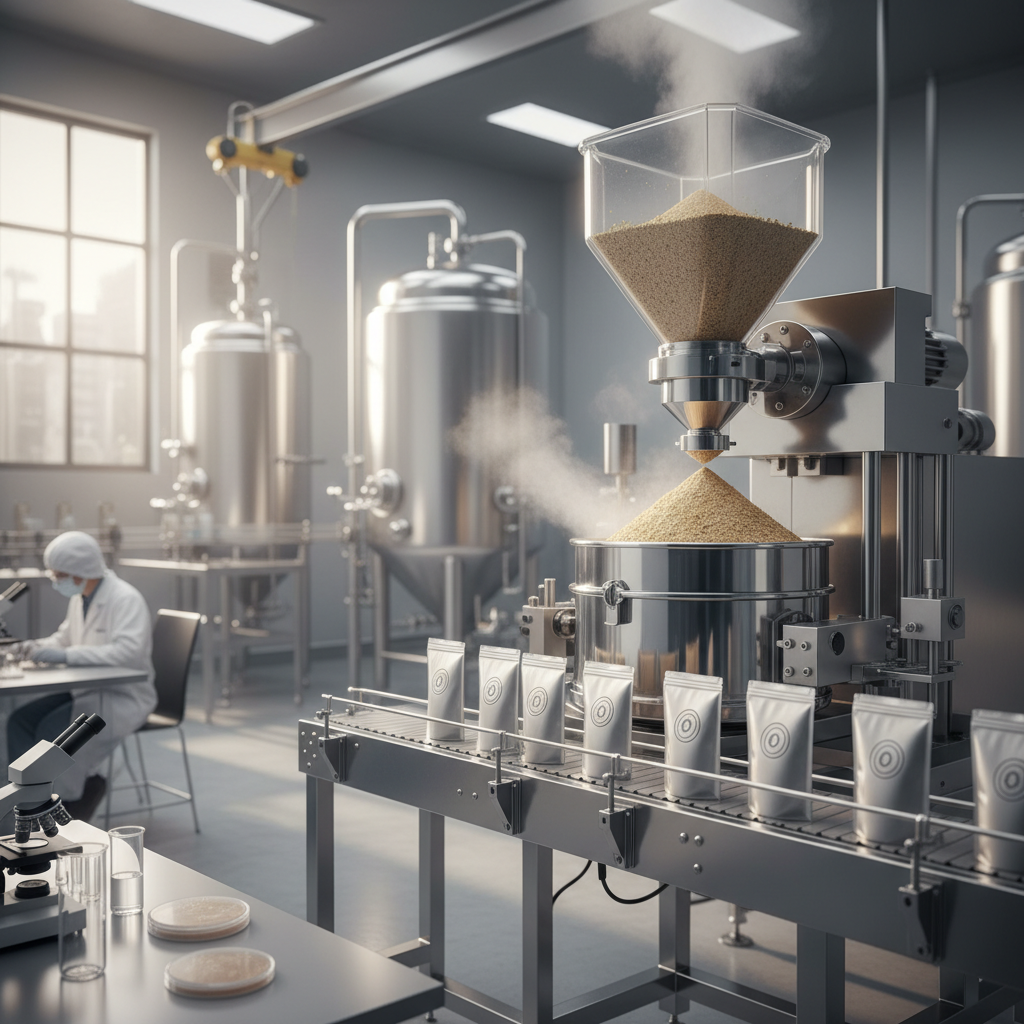
From a manufacturing perspective, the transition from liquid broths to a stable powder format has revolutionized the supply chain for food additives. By utilizing advanced spray-drying or freeze-drying technologies, producers can now maintain the integrity of heat-sensitive nutrients while significantly extending shelf life and reducing logistics costs associated with water weight.
Understanding the nuances of organic certification and the extraction process is critical for brands aiming to enter the high-end wellness market. Whether used as a base for gourmet soups, a protein boost in smoothies, or a pharmaceutical-grade intermediate for collagen peptides, the versatility of this ingredient makes it a cornerstone of modern nutritional science.
The Global Market Dynamics of Organic Chicken Bone Broth Powder
The demand for organic chicken bone broth powder has seen a CAGR increase of nearly 7% globally over the last five years. This surge is largely driven by the "Paleo" and "Keto" dietary trends in North America and Europe, where consumers view bone broth as a primary source of glycine and proline. According to industry trends aligned with ISO food safety standards, the move toward organic sourcing is no longer a niche preference but a regulatory and consumer-driven requirement.
However, the industry faces a significant challenge: maintaining the "organic" integrity throughout the powderization process. Many conventional methods involve additives or high-heat processing that can degrade the delicate collagen matrix. The struggle for manufacturers lies in balancing large-scale industrial throughput with the artisanal quality expected by health-conscious consumers.
Understanding the Composition and Definition
In simple terms, organic chicken bone broth powder is a dehydrated concentrate derived from organic chicken bones and connective tissues, simmered slowly to extract collagen and minerals, and then converted into a shelf-stable powder. Unlike standard bouillon, which is primarily salt and flavor enhancers, this powder is a nutrient-dense food additive focused on biological function.
From a molecular perspective, the "magic" of this product lies in the hydrolysis of collagen into gelatin and further into peptides. This process makes the amino acids more readily absorbable by the human gut, addressing modern humanitarian needs such as treating malnutrition in elderly populations or accelerating recovery in post-surgical patients.
The "organic" designation ensures that the chickens were raised without synthetic pesticides, antibiotics, or genetically modified feed. This is crucial because bone-derived products can accumulate residues from the animal's diet, making a certified organic supply chain essential for pharmaceutical-grade applications and clean-label food manufacturing.
Core Quality Factors in Industrial Production
When assessing the quality of organic chicken bone broth powder, the first factor is Protein Purity. Industrial grade powder must maintain a high percentage of collagen peptides relative to total solids to ensure that the final product delivers the promised joint and skin benefits.
The second critical factor is Solubility and Mixability. A high-quality organic chicken bone broth powder should dissolve instantly in both hot and cold liquids without clumping, a characteristic achieved through precise particle size control during the drying phase.
Finally, Sensory Neutrality is paramount. While traditional broth is savory, industrial powder used as a food additive must have a controlled flavor profile to avoid overpowering the end product. Achieving a clean, mild taste while retaining the organic nutritional profile requires meticulous filtration and deodorization processes.
Performance Metrics and Bioavailability
The efficacy of organic chicken bone broth powder is measured by its bioavailability—the ease with which the body absorbs its nutrients. Low-temperature processing preserves the peptide chains, ensuring that the collagen doesn't denature into useless protein fragments.
For manufacturers, the choice between spray-drying and freeze-drying often determines the final rating of the product in terms of nutrient density and solubility. Freeze-drying typically yields a superior product but at a higher cost, creating a trade-off between premium quality and market accessibility.
Nutritional Efficiency of Different Bone Broth Processing Methods
Global Applications and Diverse Use Cases
In the culinary industry, organic chicken bone broth powder is utilized as a natural flavor enhancer and thickener in organic soups, sauces, and gravies. Its ability to provide a "deep" savory taste without the need for MSG makes it a favorite for clean-label food manufacturers in the EU and USA.
Beyond food, this powder is finding significant application in the nutraceutical sector. In remote industrial zones or post-disaster relief operations, where fresh nutrition is unavailable, fortified porridge or meal replacements containing this powder provide critical amino acids to support the immune systems of vulnerable populations.
Sustainable Advantages and Long-Term Value
One of the most compelling arguments for organic chicken bone broth powder is the principle of "upcycling." By converting bones—often a byproduct of the organic poultry industry—into a high-value nutrient powder, manufacturers reduce biological waste and promote a circular economy.
From a consumer standpoint, the long-term value lies in preventive health. Regular intake of the collagen and glucosamine found in bone broth is linked to reduced joint inflammation and improved gut lining integrity (leaky gut syndrome), reducing the future reliance on expensive pharmaceutical interventions.
Furthermore, the transition to a powdered format drastically reduces the carbon footprint of transportation. Shipping a lightweight powder instead of heavy liquid broth reduces fuel consumption and eliminates the need for energy-intensive refrigerated shipping in many cases.
Future Innovations in Bone Broth Processing
The future of organic chicken bone broth powder lies in enzymatic hydrolysis. By using specific organic enzymes to "pre-digest" the collagen, manufacturers can create powders with even smaller peptide chains, increasing absorption rates for clinical use in sports medicine and geriatric care.
Digital transformation is also hitting the factory floor. AI-driven temperature control and automated sensory analysis now allow producers to ensure that every batch of powder has an identical amino acid profile, eliminating the variability traditionally associated with organic animal products.
As sustainability policies tighten, we expect to see a rise in "zero-waste" certifications where the entire chicken is utilized. This integration will likely lower the cost of raw organic materials, making high-quality bone broth powder more accessible to the general public.
Comparative Analysis of Organic Bone Broth Powder Quality Dimensions
| Production Method |
Nutrient Retention |
Solubility Score |
Market Cost Level |
| Freeze-Drying |
Ultra-High (98%) |
9.5/10 |
Premium |
| Spray-Drying |
High (85%) |
8.0/10 |
Moderate |
| Drum-Drying |
Medium (60%) |
6.0/10 |
Economy |
| Enzymatic Hydrolysis |
Optimal (Peptides) |
10/10 |
High |
| Vacuum Drying |
High (90%) |
7.5/10 |
Moderate |
| Traditional Dehydration |
Low (50%) |
4.0/10 |
Low |
FAQS
The primary difference lies in the purpose and ingredients. Regular bouillon is a seasoning product focused on flavor, often containing high amounts of salt, MSG, and artificial colors. In contrast, organic chicken bone broth powder is a functional food additive designed for nutrition. It is rich in bioavailable collagen, amino acids, and minerals, and is produced from certified organic ingredients without synthetic additives.
To maintain the integrity of the collagen peptides, the powder should be stored in a cool, dry place away from direct sunlight. Using an airtight container or the original vacuum-sealed packaging is essential to prevent moisture absorption, as the powder is hygroscopic. While it is shelf-stable, keeping it in a pantry with stable temperatures ensures the amino acid profile remains intact for up to 12-24 months.
Yes, organic chicken bone broth powder is an ideal fit for both Keto and Paleo diets. It is naturally carb-free and rich in healthy proteins and fats. Because it is organic, it avoids the processed soy or corn fillers often found in conventional products, making it a compliant and nutrient-dense addition to low-carb and ancestral eating patterns.
High-quality, hydrolyzed organic chicken bone broth powder is designed for excellent solubility and can be mixed into cold smoothies, juices, or water. However, the ease of mixing depends on the production method; freeze-dried or enzymatically hydrolyzed versions dissolve more readily in cold liquids than traditional drum-dried powders. For best results in cold drinks, using a blender or frother is recommended.
Verification should be done by checking for recognized organic certifications on the packaging, such as USDA Organic, EU Organic, or JAS. Additionally, reputable manufacturers provide a Certificate of Analysis (CoA) for each batch, which details the purity, amino acid content, and confirms the absence of pesticides or antibiotics. Always source from suppliers who maintain transparent supply chain documentation.
The most significant benefits include improved joint mobility due to the high collagen content, enhanced gut health by supporting the intestinal lining, and boosted skin elasticity. Additionally, the glycine found in the powder can improve sleep quality and support liver detoxification. It serves as a highly efficient way to introduce essential minerals like calcium and phosphorus into the diet.
Conclusion
The adoption of organic chicken bone broth powder represents a perfect intersection of traditional wisdom and modern food technology. By transforming a nutrient-dense liquid into a versatile, stable powder, the industry has unlocked new possibilities for both health-conscious consumers and large-scale food manufacturers. From its role in supporting gut and joint health to its contribution to a zero-waste circular economy, this ingredient provides tangible value that far exceeds that of standard flavor enhancers.
Looking ahead, the integration of enzymatic hydrolysis and AI-driven quality control will further refine the bioavailability and consistency of these products. For businesses in the food additive or pharmaceutical intermediate sectors, investing in certified organic, high-solubility powders is a strategic move to meet the growing global demand for clean-label nutrition. We encourage you to explore the potential of these functional ingredients to elevate your product line. Visit our website: www.chinaseasoning.com