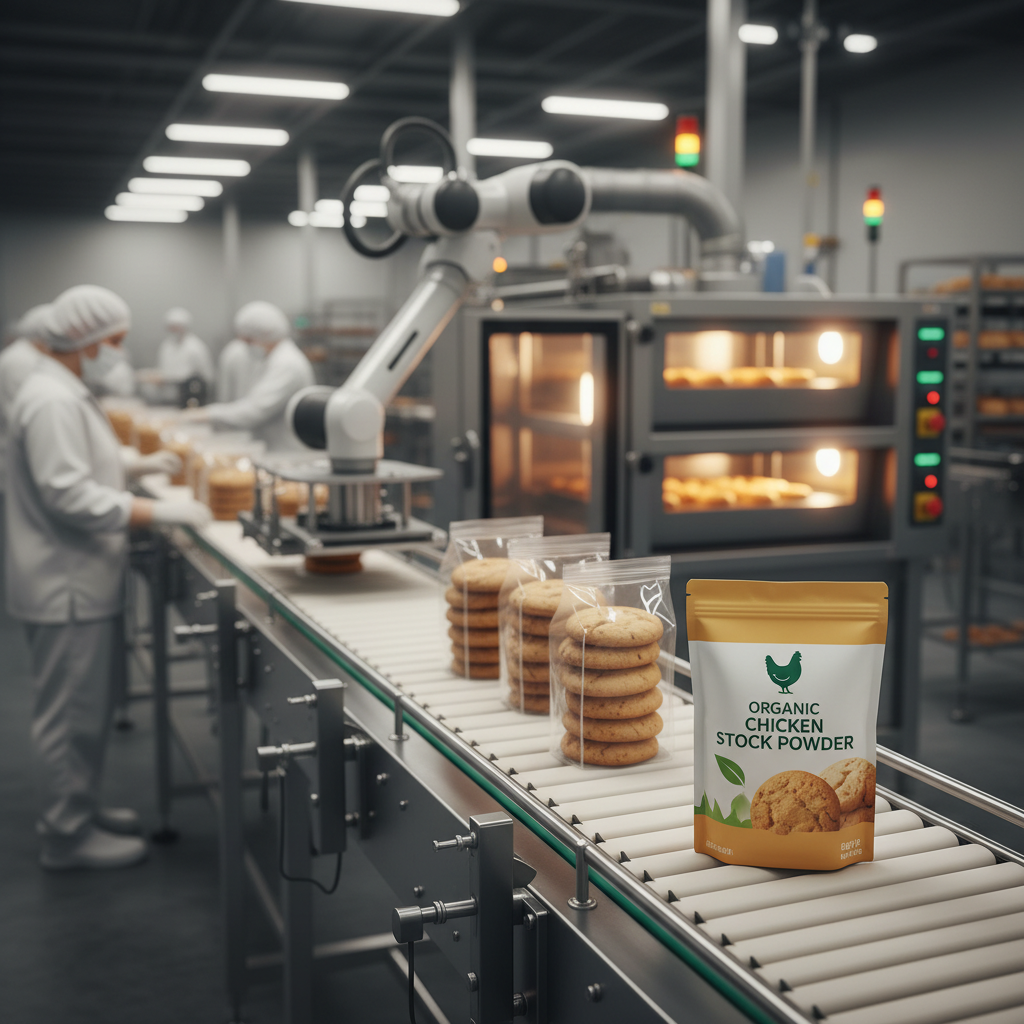
In the evolving landscape of global nutrition, organic chicken cubes have emerged as a pivotal solution for consumers seeking a balance between gourmet flavor and clean-label integrity. These concentrated flavor enhancers provide a sustainable alternative to synthetic seasonings, allowing home cooks and industrial food manufacturers to achieve a rich, savory profile without compromising on organic certifications.
The global shift toward organic food manufacturing is not merely a trend but a response to increasing health consciousness and environmental concerns. By integrating organic chicken cubes into daily diets, users can reduce their intake of artificial MSG and chemical preservatives while supporting agricultural practices that prioritize soil health and animal welfare.
Understanding the technical composition and the scalable application of these organic seasonings is essential for businesses in the food additive sector. From ensuring consistency in large-scale production to maintaining the delicate balance of organic ingredients, the development of high-quality organic chicken cubes represents the intersection of traditional culinary art and modern food science.
Global Market Demand for Organic Chicken Cubes
The global demand for organic bouillon and concentrated seasonings has seen a significant uptick, mirroring the broader trend reported by the World Bank and various agricultural ISO standards regarding sustainable food systems. As consumers move away from highly processed additives, organic chicken cubes have become a staple in households that prioritize non-GMO ingredients and chemical-free production.
The challenge currently facing the industry is the "flavor gap"—the difficulty in achieving the same intensity of savory "umami" found in synthetic cubes without using MSG. However, through advanced organic fermentation and the use of yeast extracts, the industry is successfully closing this gap, making organic options as palatable as their traditional counterparts.
Defining the Composition of Organic Chicken Cubes
At its core, an organic chicken cube is a dehydrated concentrate of organic chicken stock, organic sea salt, and a blend of organic herbs and spices. Unlike conventional cubes, these are formulated without hydrogenated fats, artificial colorants, or synthetic flavor enhancers, ensuring that every ingredient is traceable to a certified organic source.
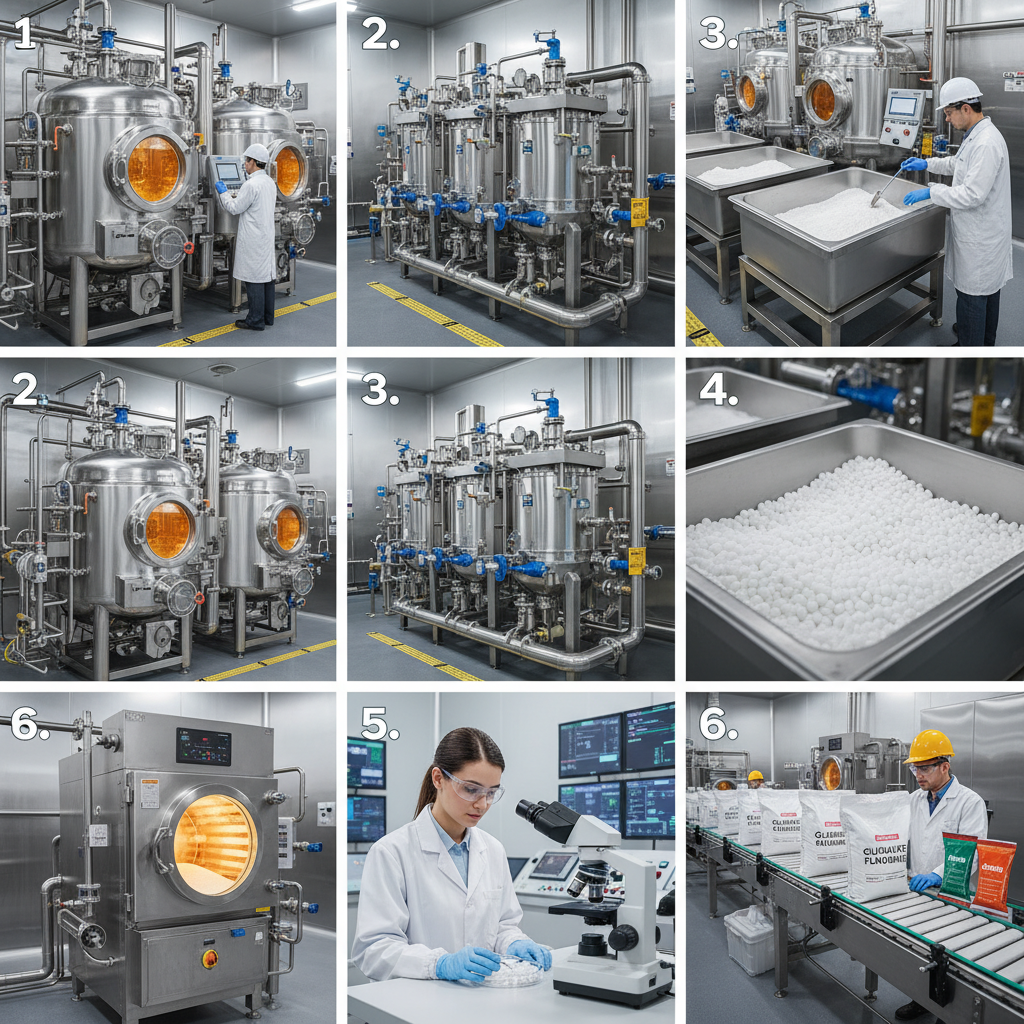
From an industrial perspective, these cubes are a triumph of moisture-reduction technology. By utilizing precision spray-drying or vacuum-drying methods, manufacturers can preserve the volatile aromatic compounds of the organic chicken and herbs, ensuring a long shelf life without the need for chemical preservatives.
This product addresses a critical humanitarian and modern need: the requirement for nutrient-dense, easy-to-transport, and quick-to-prepare food bases. Whether used in high-end organic restaurants or as a convenient home cooking aid, these cubes provide a consistent flavor profile that meets strict international organic regulatory standards.
Core Factors in Organic Cube Production
One of the primary factors in the quality of organic chicken cubes is the Sourcing Integrity. Ensuring that the poultry is raised without antibiotics or synthetic pesticides is paramount. The quality of the base stock depends entirely on the organic feed provided to the livestock, which directly influences the depth of the amino acid profile in the final cube.
Scalability and Consistency represent a second critical pillar. Producing small batches of organic stock is simple, but maintaining the same salt-to-flavor ratio in tons of organic chicken cubes requires precise automation. Manufacturers must balance the organic binders—such as organic rice flour or maltodextrin—to ensure the cube remains stable under various humidity conditions.
Finally, Cost Efficiency is managed through strategic supply chain integration. By sourcing organic herbs and salts in bulk from certified cooperatives, producers can lower the retail price of organic chicken cubes, making them accessible to a wider demographic rather than just a luxury niche market.
Comparative Performance of Seasoning Methods
When evaluating the efficacy of different flavor delivery systems, organic chicken cubes outperform liquids in terms of logistics and powders in terms of flavor concentration. The cubic form allows for precise portion control, which is essential for industrial food production where recipe consistency is a key performance indicator.
The following data illustrates the perceived quality and performance of various organic seasoning delivery methods, highlighting the superior balance of convenience and flavor found in high-grade organic cubes.
Organic Flavor Delivery System Efficiency
Global Applications and Industrial Use Cases
In real-world contexts, organic chicken cubes are utilized far beyond the home kitchen. In the hospitality industry, specifically in organic-certified hotels and resorts across Europe and North America, these cubes provide a standardized base for soups and sauces, ensuring that guests experience the same high-quality flavor regardless of the chef on duty.
Moreover, in specialized logistics, such as post-disaster relief operations or remote industrial zones (e.g., mining camps in remote regions), these cubes are invaluable. Their long shelf life and compact nature allow NGOs and companies to provide nutrient-dense, palatable meals to populations in areas where fresh organic ingredients are impossible to source.
Long-term Value and Sustainability Benefits
The long-term value of transitioning to organic chicken cubes extends beyond health. From a sustainability angle, organic production reduces the nitrogen runoff associated with synthetic fertilizers used in conventional poultry feed, thereby protecting local waterways and biodiversity.
Logistically, the concentrated nature of the cube reduces packaging waste and transportation emissions compared to liquid stocks. By shipping a dry concentrate rather than water, the carbon footprint per serving is drastically lowered, aligning with global corporate social responsibility (CSR) goals for green logistics.
From an emotional and brand perspective, providing organic options builds a foundation of trust and dignity. Consumers feel safer knowing the products they feed their families are free from hidden chemicals, fostering a loyal relationship between the manufacturer and the end-user based on transparency and shared values of wellness.
Future Innovations in Organic Flavor Technology
The future of organic chicken cubes lies in the integration of digital transformation and biotechnology. We are seeing a rise in "Precision Fermentation," where specific organic microbes are used to create bio-identical umami compounds, eliminating the need for any synthetic additives while enhancing the richness of the chicken flavor.
Furthermore, automation in the manufacturing process is reducing waste. Smart factories now use AI-driven sensors to monitor the moisture levels of each batch in real-time, ensuring that every cube has the exact same dissolution rate and flavor intensity. This reduces product rejection rates and optimizes resource usage.
As green energy becomes the standard, the production of organic cubes is shifting toward carbon-neutral facilities. The combination of solar-powered drying arrays and biodegradable, compostable packaging will soon make these cubes not just organic in content, but entirely sustainable in their lifecycle.
Analysis of Organic Chicken Cube Technical Specifications and Market Trends
| Innovation Metric |
Traditional Organic |
Next-Gen Bio-Tech |
Sustainability Impact |
| Flavor Intensity |
Moderate |
High (Precision Fermentation) |
Low Resource Use |
| Dissolution Rate |
Standard |
Rapid (Micro-milled) |
Energy Efficient |
| Packaging |
Recyclable Plastic |
Compostable Plant-Fiber |
Zero Waste |
| Additive Profile |
Organic Salt/Herbs |
Yeast Extract+Bio-Umami |
Non-GMO Certified |
| Shelf Stability |
12-18 Months |
24+ Months (Vacuum-Seal) |
Reduced Food Waste |
| Production Cost |
Medium-High |
Optimized (AI Control) |
Economies of Scale |
FAQS
Organic chicken cubes are produced using ingredients from certified organic farms, meaning no synthetic pesticides, antibiotics, or GMOs were used. Unlike regular cubes, they avoid artificial flavor enhancers like MSG and use natural organic alternatives to achieve a savory taste, making them a healthier and more sustainable choice for consumers.
When stored in a cool, dry place and kept in their original airtight packaging, organic chicken cubes typically maintain peak flavor for 12 to 18 months. The dehydration process removes the water that bacteria need to grow, allowing for a long shelf life without the need for synthetic preservatives.
Yes, organic chicken cubes are ideal for industrial use because they provide a standardized, concentrated flavor profile. This ensures consistency across large batches of soups, sauces, and stews, which is critical for maintaining brand quality in the food service industry while adhering to organic certification standards.
No, organic chicken cubes contain real organic chicken stock. However, the same production technology used for these cubes is often applied to create organic vegetable cubes, which provide a similar convenience and flavor profile for vegan or vegetarian dietary requirements.
While salt is necessary for preservation and flavor in a cube format, many organic manufacturers are now offering "low-sodium" versions. These utilize potassium salts or concentrated organic vegetable extracts to maintain the savory profile while reducing the overall sodium content for health-conscious consumers.
Importing organic chicken cubes requires documentation of organic certification (such as USDA Organic or EU Organic) and compliance with the destination country's food safety laws. It is recommended to work with a supplier who provides full traceability and phytosanitary certificates to ensure smooth customs clearance.
Conclusion
In summary, organic chicken cubes represent a vital evolution in the food additive industry, bridging the gap between convenience and clean nutrition. By combining rigorous organic sourcing with advanced dehydration and fermentation technologies, these products provide an efficient, sustainable, and delicious base for global culinary applications, ranging from home kitchens to industrial food plants.
Looking forward, the integration of AI-driven production and biodegradable packaging will further enhance the value proposition of these seasonings. As the global market continues to prioritize health and environmental stewardship, investing in high-quality organic flavor solutions is not just a business strategy, but a commitment to a healthier planet. To explore our premium range of organic seasonings, visit our website: www.chinaseasoning.com.