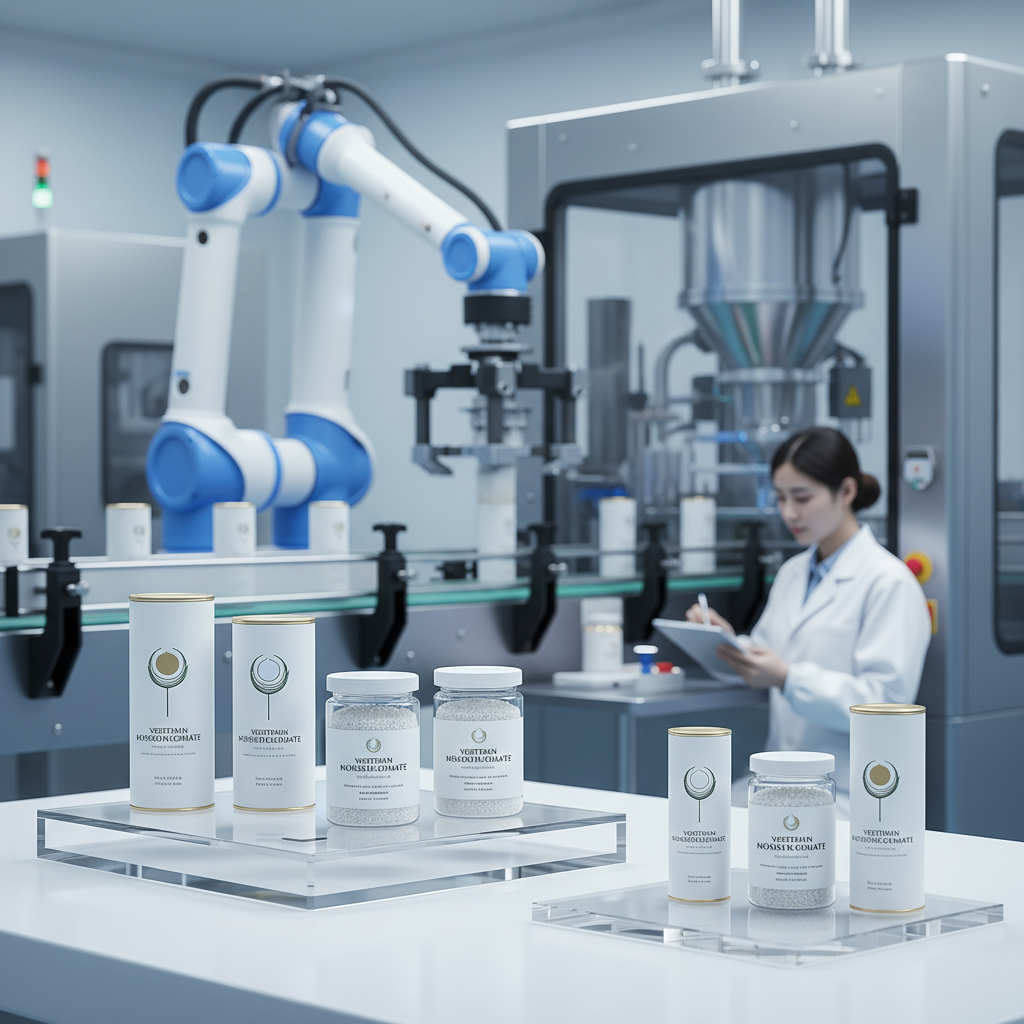
The global shift toward clean labeling and sustainable sourcing has catapulted organic chicken broth cubes from a niche health store item to a staple in modern industrial food production and home kitchens alike. As consumers increasingly demand transparency regarding the origin of their ingredients, the importance of organic certification in concentrated bouillon becomes a critical differentiator for brands seeking to establish trust. These convenient flavor enhancers provide a bridge between the rustic, slow-simmered taste of traditional stocks and the fast-paced requirements of contemporary culinary applications.
From a manufacturing perspective, the production of organic chicken broth cubes involves a sophisticated balance of freeze-drying or spray-drying technologies to preserve the volatile aromatic compounds of organic poultry and vegetables. By eliminating synthetic MSG, artificial colors, and pesticide-laden additives, manufacturers are meeting the rigorous standards of the E-E-A-T (Experience, Expertise, Authoritativeness, and Trustworthiness) principles in food safety. This transition not only supports biodiversity in agriculture but also reduces the chemical load on the environment, aligning food additive manufacturing with global sustainability goals.
Understanding the technical composition and commercial viability of these cubes is essential for food technologists and procurement managers. Whether used as a primary seasoning in ready-to-eat meals or as a nutrient-dense base for pharmaceutical-grade soups, the versatility of organic chicken broth cubes ensures a consistent flavor profile while maintaining a "natural" status. This guide explores the global context, technical specifications, and future innovations driving the growth of the organic bouillon sector.
Global Market Context of Organic Chicken Broth Cubes
The global demand for organic chicken broth cubes has seen a steady CAGR increase, mirroring the broader trend toward organic food consumption documented by organizations like the IFOAM (International Federation of Organic Agriculture Movements). As urban populations grow and the time available for traditional meal preparation shrinks, the "convenience-health" paradox has emerged. Consumers are no longer willing to sacrifice nutritional integrity for speed, pushing the food additive industry to innovate beyond traditional, salt-heavy bouillon.
In regions such as North America and the European Union, strict regulations regarding organic labeling (such as USDA Organic or EU Organic) have forced manufacturers to overhaul their supply chains. The challenge lies in sourcing sufficient volumes of certified organic chicken extract and non-GMO salt while maintaining a competitive price point. This has led to an increase in strategic partnerships between large-scale organic poultry farms and specialized food processing plants to ensure a stable pipeline of raw materials.
Defining Organic Standards in Concentrated Bouillon
At its core, organic chicken broth cubes are dehydrated flavor concentrates derived from poultry raised without antibiotics or synthetic hormones, and fed an organic diet. Unlike conventional cubes, which often rely on hydrolyzed vegetable proteins (HVP) and artificial flavor enhancers to achieve an "umami" punch, organic versions rely on the natural reduction of bone broth and the inclusion of organic yeast extracts.
The connection to modern humanitarian and health needs is profound. In an era where metabolic syndromes and hypertension are rising, the industry is pivoting toward reducing sodium levels in these cubes without compromising taste. By utilizing organic potassium salts or enhancing the natural glutamates found in organic carrots and celery, manufacturers are creating products that support heart health while remaining culinary-effective.
Furthermore, the definition extends to the processing agents. To be truly organic, the binders used to hold the cube shape must be organic-compliant, avoiding synthetic stearates or modified starches. This commitment to purity ensures that the final product is suitable for a wide range of dietary restrictions, including those seeking "clean label" certifications.
Core Components for Quality and Stability
The stability of
organic chicken broth cubes depends heavily on the water activity level (Aw). To prevent microbial growth without using synthetic preservatives, the moisture content must be kept extremely low, typically through advanced vacuum-drying processes. This ensures a shelf life of 12-24 months without the need for chemical stabilizers.
Flavor scalability is achieved through the precise ratio of organic chicken fat to lean extract. The lipid profile provides the "mouthfeel" and aroma, while the protein crystals provide the depth. Achieving this balance organically requires high-precision centrifugation to separate fats and solids, ensuring that each cube provides a consistent taste experience across millions of units.
Cost efficiency is often the biggest hurdle in organic manufacturing. By optimizing the extraction process—using closed-loop water systems and energy-efficient evaporators—manufacturers can reduce the waste of organic raw materials, making the final organic chicken broth cubes more accessible to the average consumer without eroding profit margins.
Industrial Applications and Scaling Efficiencies
In the commercial food sector, organic chicken broth cubes are utilized far beyond the home kitchen. They serve as a critical base for the "industrial soup" segment, where consistency is paramount. Large-scale catering services for hospitals and schools use these cubes to ensure that nutritional standards are met across thousands of servings, providing a controlled amount of protein and minerals.
Moreover, in the realm of pharmaceutical intermediates and nutraceuticals, concentrated organic broths are being explored as carriers for specific amino acids or as base ingredients for recovery diets. The ability to scale the production of these cubes allows for rapid deployment in food relief operations, where nutrient-dense, lightweight, and long-lasting flavor bases can improve the palatability of emergency rations in remote zones.
Performance Metrics of Organic Chicken Broth Cubes Production
Long-term Value and Sustainability Impact
The adoption of organic chicken broth cubes offers tangible long-term value by reducing the reliance on industrial monoculture and chemical pesticides. By supporting organic poultry farming, the food additive industry contributes to healthier soil and cleaner groundwater, creating a regenerative cycle that benefits the entire food chain.
From a consumer psychology perspective, the value lies in "peace of mind." The emotional connection to safety and dignity—knowing that the food provided to one's family is free from synthetic toxins—builds an unbreakable bond of trust between the brand and the customer. This trust translates into brand loyalty and a willingness to pay a premium for verified organic quality.
Emerging Trends in Organic Flavor Technology
The future of organic chicken broth cubes is being shaped by the digital transformation of the supply chain. Blockchain technology is now being integrated to provide "farm-to-cube" traceability, allowing consumers to scan a QR code on the packaging to see the exact farm where the organic chicken was raised and the date of processing.
Additionally, the industry is moving toward "hyper-concentration." Using advanced osmotic dehydration, manufacturers can create smaller, more potent cubes that use less packaging and reduce shipping emissions. This aligns with the global push for green energy and carbon neutrality in the manufacturing sector.
We are also seeing a convergence with the plant-based movement, where "hybrid" organic cubes are developed. These combine organic chicken extract with organic mushroom powders to enhance the umami profile while reducing the total animal-protein load, catering to the "flexitarian" market.
Overcoming Challenges in Organic Production
One of the primary challenges in producing organic chicken broth cubes is the natural variation in raw material quality. Organic poultry may have different fat content depending on the season or the specific organic feed used, which can lead to inconsistencies in the final product's taste and texture.
To solve this, expert food technologists are implementing AI-driven blending systems. These systems analyze the chemical composition of each incoming batch of organic extract and automatically adjust the proportions of salt, yeast, and herbs to ensure a standardized flavor profile regardless of raw material fluctuations.
Another limitation is the higher cost of organic certification and auditing. To overcome this, many mid-sized manufacturers are forming cooperatives to share the costs of certification and invest in shared high-tech processing facilities, thereby achieving the economies of scale typically reserved for global conglomerates.
Analysis of Organic Chicken Broth Cubes Production Parameters
| Production Factor |
Organic Requirement |
Impact on Quality |
Cost Index (1-10) |
| Poultry Sourcing |
Certified Organic / Non-GMO |
Pure taste, no residues |
9 |
| Binding Agent |
Organic Rice Starch |
Clean dissolution |
4 |
| Drying Process |
Low-temp Vacuum Drying |
Preserves nutrients |
7 |
| Flavor Enhancement |
Organic Yeast Extract |
Natural Umami |
6 |
| Packaging |
Biodegradable/Recyclable |
Eco-friendly image |
5 |
| Salt Source |
Organic Sea Salt |
Mineral richness |
3 |
FAQS
Organic chicken broth cubes are produced using poultry raised without synthetic pesticides or antibiotics. Unlike regular bouillon, they exclude artificial MSG, synthetic colors, and GMO-derived additives, focusing instead on natural extracts and organic yeast for flavor. This results in a cleaner label and a product that is generally more aligned with health-conscious dietary requirements.
Manufacturers achieve stability by strictly controlling the water activity (Aw) of the product. Through advanced processes like vacuum drying or freeze-drying, moisture is removed to a level where bacteria and mold cannot grow. Additionally, organic salt acts as a natural preservative, ensuring the cubes remain fresh for an extended period without needing synthetic chemicals.
Yes, they are highly efficient for commercial use. Because they are standardized concentrates, they provide consistent flavor profiles across large batches of soup or sauce. Many institutional kitchens prefer them to reduce the labor and energy costs associated with simmering organic bones for hours, while still claiming organic certification for their final menu items.
Absolutely. Due to their purity and lack of synthetic irritants, organic chicken broth cubes are often used as a base for nutrient-dense recovery broths. They provide essential minerals and a comforting flavor that can stimulate appetite in patients, making them a valuable tool in therapeutic nutrition when formulated with low sodium.
The most reliable way is to check for official certification seals, such as the USDA Organic or EU Organic logo. Furthermore, reputable manufacturers provide COAs (Certificates of Analysis) and traceability documents that track the ingredients back to the certified organic farm, ensuring that the "organic" claim is backed by legal standards.
While salt is necessary for preservation and flavor, many organic brands are now developing "low-sodium" versions. They replace a portion of the salt with organic potassium or enhance the natural glutamates from organic vegetables to maintain a savory taste while reducing the total sodium content, making them safer for hypertensive consumers.
Conclusion
In summary, organic chicken broth cubes represent the perfect intersection of industrial efficiency and holistic health. By combining advanced dehydration technologies with a commitment to organic sourcing, the food additive industry has created a product that meets the rigorous demands of modern consumers and commercial kitchens. From the elimination of synthetic MSG to the integration of blockchain traceability, these cubes are a testament to the evolution of sustainable food manufacturing.
Looking forward, the industry is poised for further innovation in nutrient density and carbon-neutral production. For businesses and consumers alike, transitioning to organic bouillon is not just a culinary choice, but a commitment to environmental stewardship and long-term wellness. We encourage food manufacturers and procurement specialists to prioritize certified organic concentrates to future-proof their products in an increasingly health-conscious global market. Visit our website: www.chinaseasoning.com