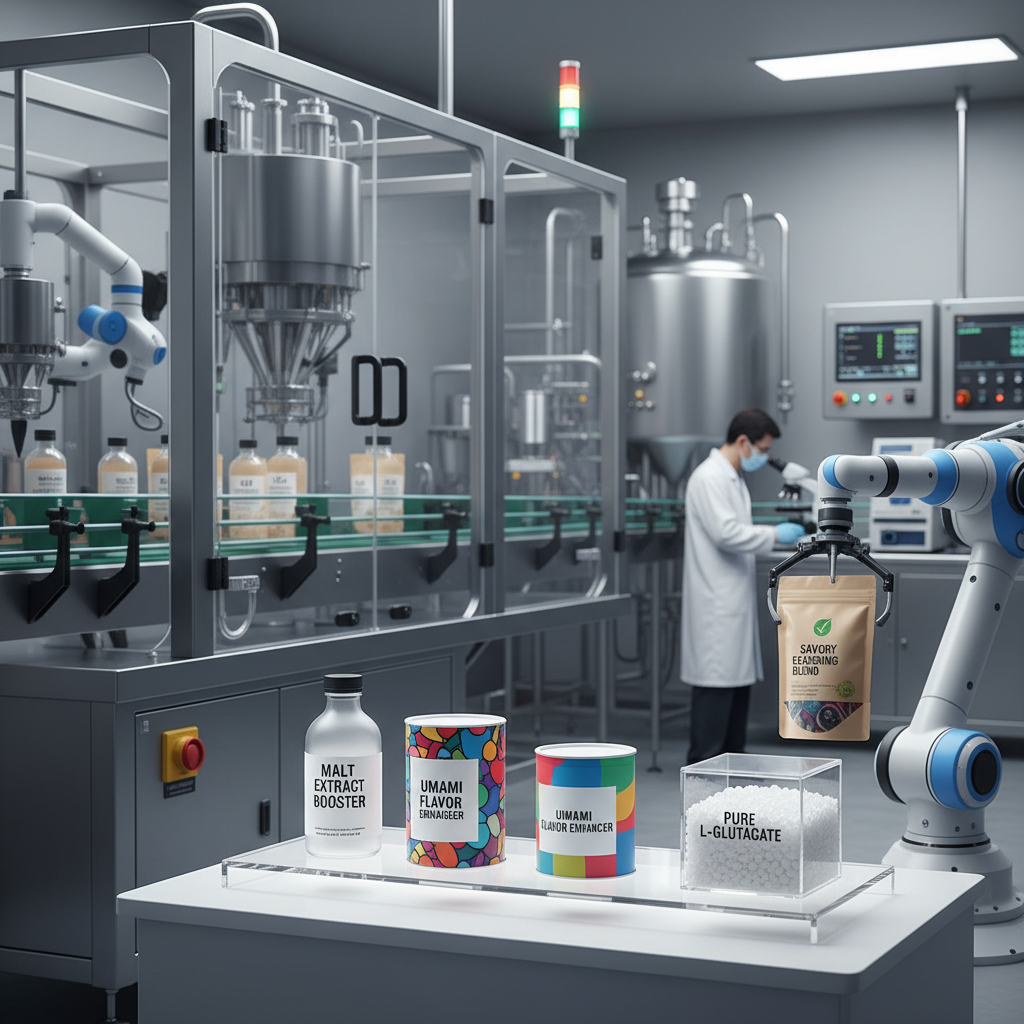
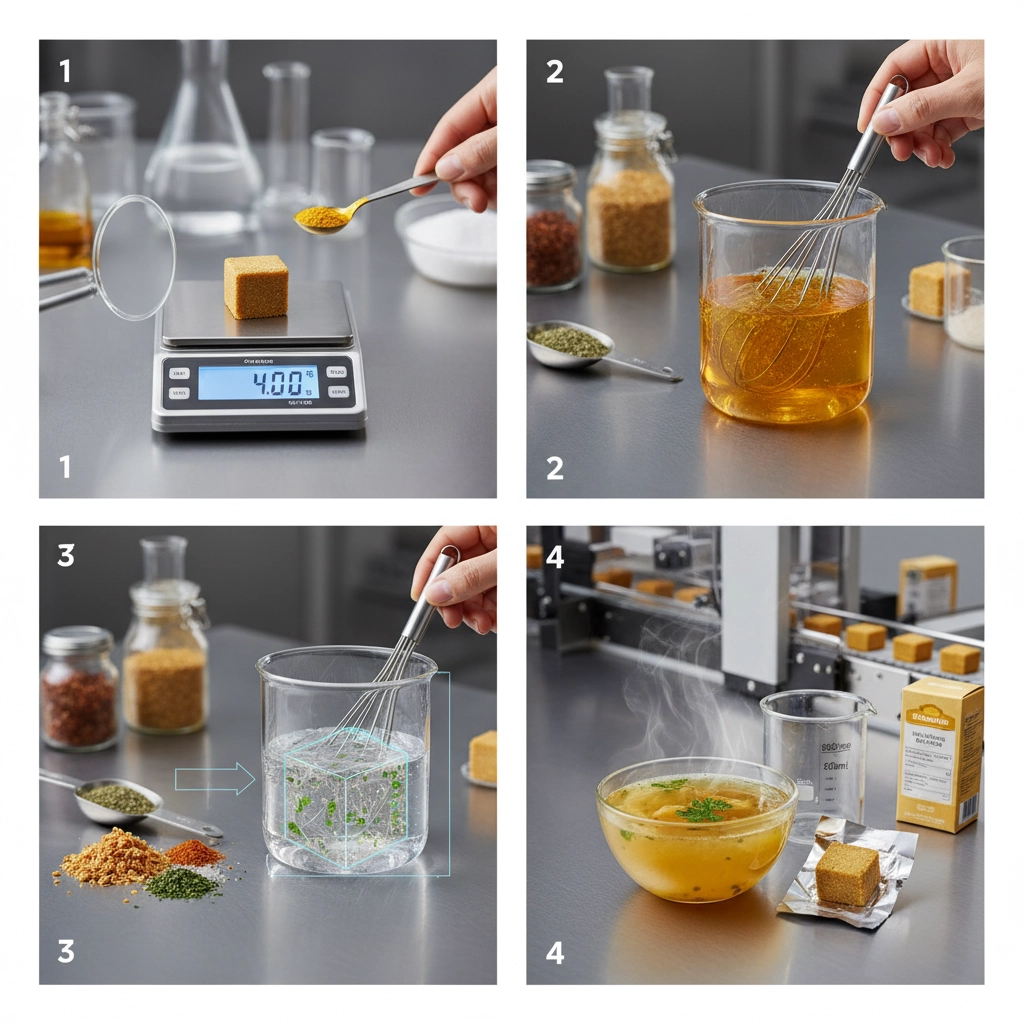
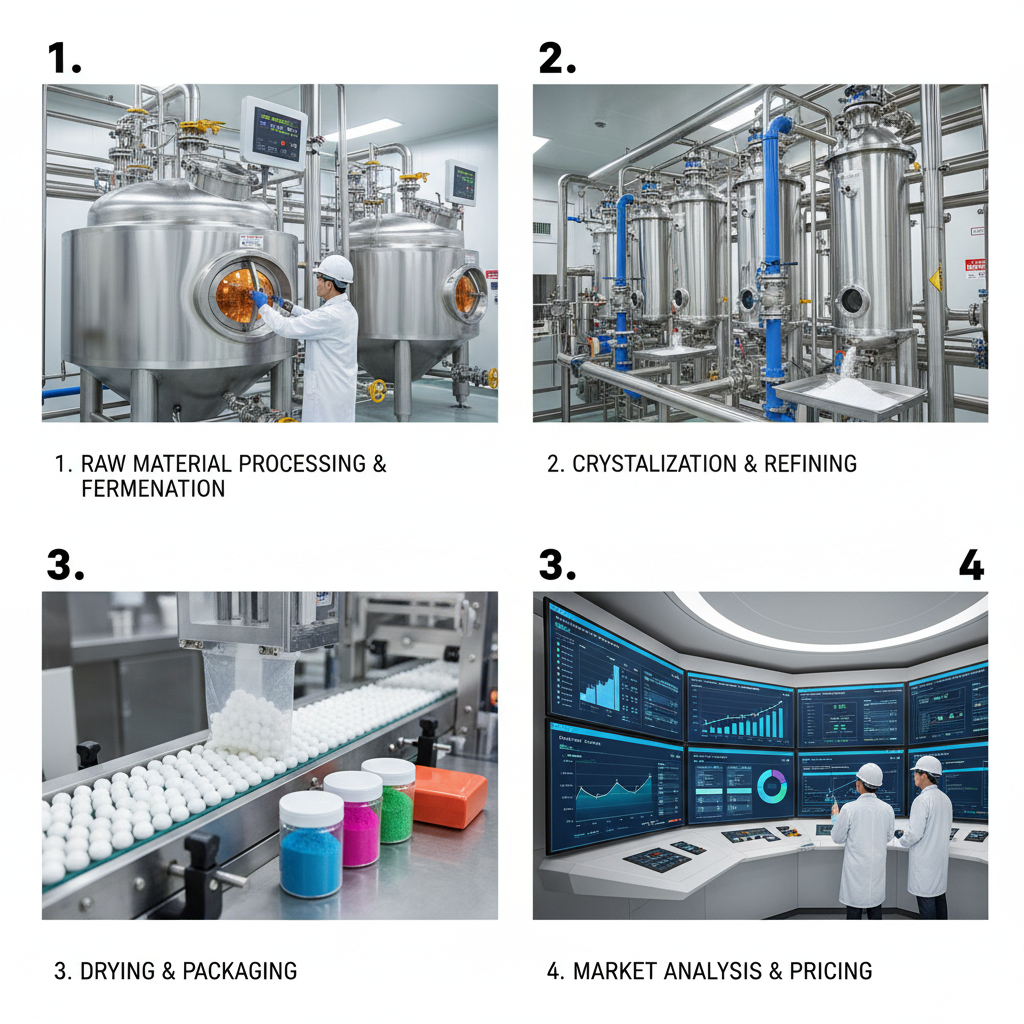
The global food industry is constantly evolving toward a balance between intense flavor profiles and clean-label demands. In this landscape, malt extract msg has emerged as a sophisticated solution for manufacturers seeking to enhance the umami depth of their products without relying solely on synthetic additives. By blending the natural sweetness of malted grains with the savory power of glutamates, this ingredient provides a synergistic effect that elevates the sensory experience of processed foods.
Understanding the nuances of malt extract msg is crucial for food scientists and procurement managers who aim to optimize cost-efficiency while maintaining high palatability. Its role extends beyond simple seasoning; it acts as a flavor modulator that can mask bitterness and round out the taste of complex recipes in everything from instant soups to premium snacks.
As consumer preferences shift toward "natural-identical" flavors, the strategic implementation of malt extract msg allows brands to achieve a professional, commercial-grade taste profile that resonates with a global audience. This guide explores the technical specifications, industrial applications, and future trends surrounding this versatile additive.
Global Industry Context of Malt Extract MSG
On a global scale, the demand for flavor enhancers has seen a steady CAGR increase, driven by the expansion of the convenience food market in Asia-Pacific and Latin America. According to industry benchmarks similar to those tracked by ISO quality standards, the integration of malt extract msg addresses a critical challenge: the need for "full-bodied" taste in low-sodium or reduced-fat formulations.
Many manufacturers struggle with the "flat" taste that occurs when traditional salt or sugar levels are reduced. By utilizing malt extract msg, companies can maintain a high sensory impact, ensuring that the product remains competitive in a market where taste is the primary driver of repeat purchases.
Definition and Chemical Synergy of Malt Extract MSG
At its core, malt extract msg is a composite additive that combines the rich, fermented profiles of barley malt extract with the potent umami properties of monosodium glutamate. This combination creates a complex flavor bridge, where the sugars and proteins from the malt soften the sharp edge of the glutamate, resulting in a more natural, lingering savory taste.
In the context of modern food manufacturing, this synergy is vital. It mimics the slow-cooked, reduced flavors typically found in traditional stews or aged sauces, but provides it in a stable, powdered, or liquid form that can be precisely dosed in industrial mixers.
Beyond taste, the ingredient serves as a functional tool for humanitarian food aid and fortified nutritional products, where maximizing palatability in nutrient-dense pastes is essential for patient compliance and consumer acceptance.
Core Components and Functional Factors
The efficacy of malt extract msg is determined by several key factors, foremost among them being Flavor Depth. Unlike pure MSG, the malt component introduces a toasted, cereal-like note that adds a three-dimensional quality to the overall taste profile.
Another critical aspect is Solubility and Stability. High-quality malt extract msg is engineered to dissolve rapidly in both hot and cold applications, ensuring a homogenous distribution of flavor without clumping or sedimentation in liquid concentrates.
Finally, Cost Efficiency plays a major role. By utilizing the synergistic effect between the malt and the glutamate, manufacturers can often reduce the total volume of additives required to achieve the same sensory impact, thereby lowering the overall bill of materials (BOM) for the final product.
Industrial Performance and Scalability Metrics
When scaling production from laboratory batches to metric tons, the consistency of malt extract msg becomes paramount. Industrial-grade additives must maintain a strict particle size distribution to avoid uneven seasoning in high-speed extrusion or spraying processes.
From a technical standpoint, the integration of this additive allows for a streamlined production line, reducing the need for multiple separate seasoning steps and simplifying the inventory management of raw materials.
Performance Analysis of Malt Extract MSG Variants
Global Applications across Food Sectors
The application of malt extract msg spans multiple continents and categories. In the snack food industry, particularly in Southeast Asia, it is widely used in extruded corn snacks and potato chips to create a savory "baked" flavor that appeals to local tastes while keeping production costs low.
Additionally, in the pharmaceutical and nutraceutical sectors, it is employed in meal replacement shakes and medical-grade nutrition powders. Here, it serves as a taste-masking agent, neutralizing the metallic or bitter aftertaste of vitamins and minerals, thereby improving the patient's willingness to consume the supplement.
Long-Term Value and Economic Advantages
Investing in high-quality malt extract msg provides a tangible competitive edge. From a cost perspective, the concentrated nature of the additive means lower shipping weights and reduced storage footprints compared to using bulk natural extracts alone.
Beyond the balance sheet, there is a psychological value in "flavor reliability." Brands that use standardized additives can ensure that a product tastes exactly the same in New York as it does in Tokyo, fostering consumer trust and brand loyalty through consistency.
Furthermore, the ability to reduce sodium levels while maintaining flavor aligns with global health initiatives, potentially opening new "health-conscious" market segments and reducing the regulatory pressure associated with high-salt foods.
Future Innovations in Malt Extract MSG Production
The future of malt extract msg is leaning toward biotechnology and sustainable sourcing. We are seeing a move toward enzymatic hydrolysis, which allows for a more precise breakdown of malt proteins, resulting in an even cleaner taste profile and higher bio-availability of the nutrients.
Digital transformation in the manufacturing process, such as AI-driven blending, is also allowing producers to customize the ratio of malt to glutamate in real-time, tailoring the additive to specific regional taste preferences without changing the core production line.
Sustainability is also taking center stage, with research into using "upcycled" brewery grains to produce the malt extract portion of the additive, thereby reducing food waste and lowering the carbon footprint of the food additive supply chain.
Comparative Analysis of Malt Extract MSG Production Methods
|
Production Method
|
Umami Purity
|
Cost Per Unit
|
Sustainability Score
|
| Traditional Thermal Blending |
Moderate |
Low |
5/10 |
| Enzymatic Hydrolysis |
High |
Medium |
8/10 |
| Upcycled Grain Process |
Moderate |
Very Low |
10/10 |
| Vacuum Spray Drying |
Very High |
High |
7/10 |
| Cold-Press Infusion |
High |
Medium |
6/10 |
| AI-Optimized Blending |
Extreme |
Medium |
9/10 |
FAQS
While pure MSG provides a sharp, direct savory hit, malt extract msg blends that potency with the complex, toasted sugars and proteins of barley malt. This results in a more rounded, "natural" taste that mimics slow-cooked foods, making it more suitable for premium products where a harsh chemical taste must be avoided.
Yes, malt extract msg is designed for industrial resilience. The glutamate remains stable under most commercial cooking temperatures, and the malt components can actually undergo further Maillard reactions during baking or frying, enhancing the depth of color and aroma in the final product.
Absolutely. Because of the synergistic effect between the malt and the glutamates, the perceived saltiness and savoriness are amplified. This allows food chemists to reduce the actual sodium chloride content without sacrificing the "craveability" or flavor impact of the product, aiding in the creation of healthier alternatives.
Many pharmaceutical intermediates and vitamins have a bitter or metallic profile. The rich, sweet-savory base of malt extract msg acts as a sensory shield, occupying the taste receptors and rounding out the sharp edges of these off-flavors, making nutritional drinks much more palatable.
When stored in a cool, dry environment and sealed in moisture-proof packaging, industrial-grade malt extract msg typically maintains its potency and solubility for 18 to 24 months. Proper rotation of stock (FIFO) is recommended to ensure maximum flavor freshness.
Since it contains malt extract derived from barley, it is generally not suitable for gluten-free diets. However, it is usually vegan-friendly. For gluten-free applications, manufacturers can request modified versions using rice malt or other alternative grain extracts to achieve a similar effect.
Conclusion
In summary, malt extract msg represents a critical intersection of traditional flavor science and modern industrial efficiency. By combining the organic depth of malt with the precision of glutamates, it solves the common industry challenge of achieving a full-bodied, savory profile while managing costs and sodium levels. From snack foods to medical nutrition, its versatility makes it an indispensable tool for any food manufacturer aiming for global quality standards.
Looking forward, the shift toward sustainable production and AI-optimized blending will only increase the value of this additive. Companies that integrate high-quality flavor modulators today will be better positioned to navigate the complex demands of the future consumer, who seeks both intense taste and clean, responsible sourcing. To optimize your product's flavor profile, visit our website: www.chinaseasoning.com