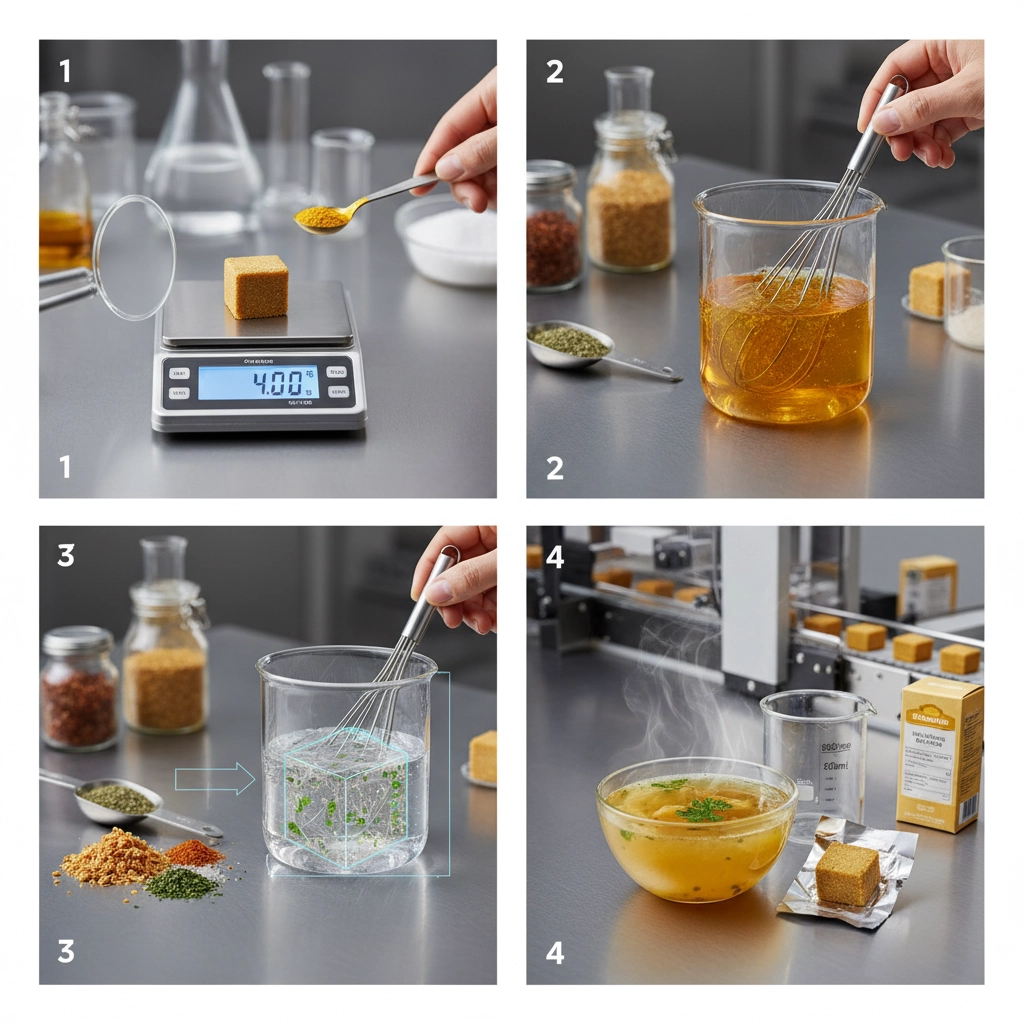
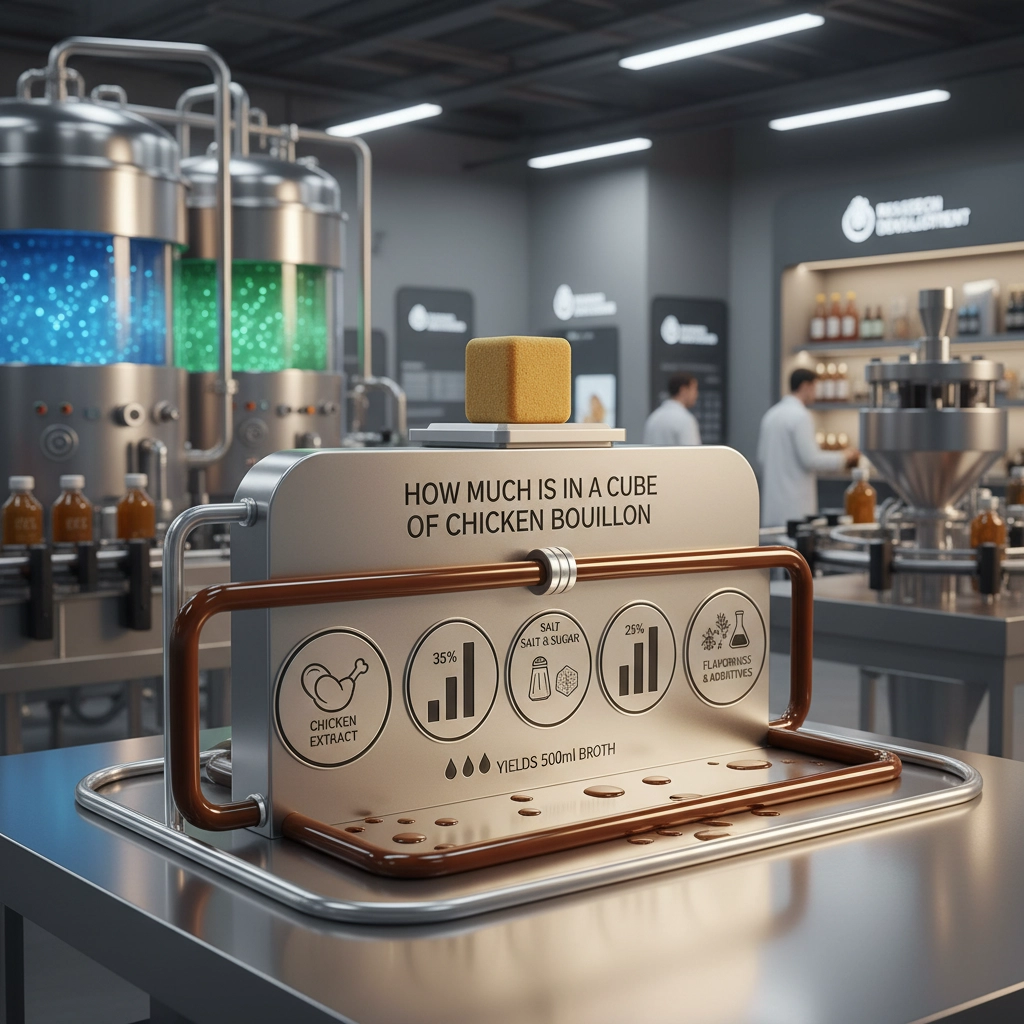
When preparing a meal, one of the most common culinary questions is how much is in a cube of chicken bouillon in terms of flavor concentration and nutritional content. These compact flavor bombs are engineered to provide a consistent taste profile, allowing home cooks and professional chefs alike to achieve a rich, savory base without the time-consuming process of simmering whole carcasses for hours.
Understanding the composition of these cubes is essential for maintaining dietary balance, especially regarding sodium intake. Because chicken bouillon is a concentrated food additive, the ratio of salt to flavor enhancers is carefully calibrated to ensure stability and shelf-life, making it a staple in pantries globally from Asia to Europe.
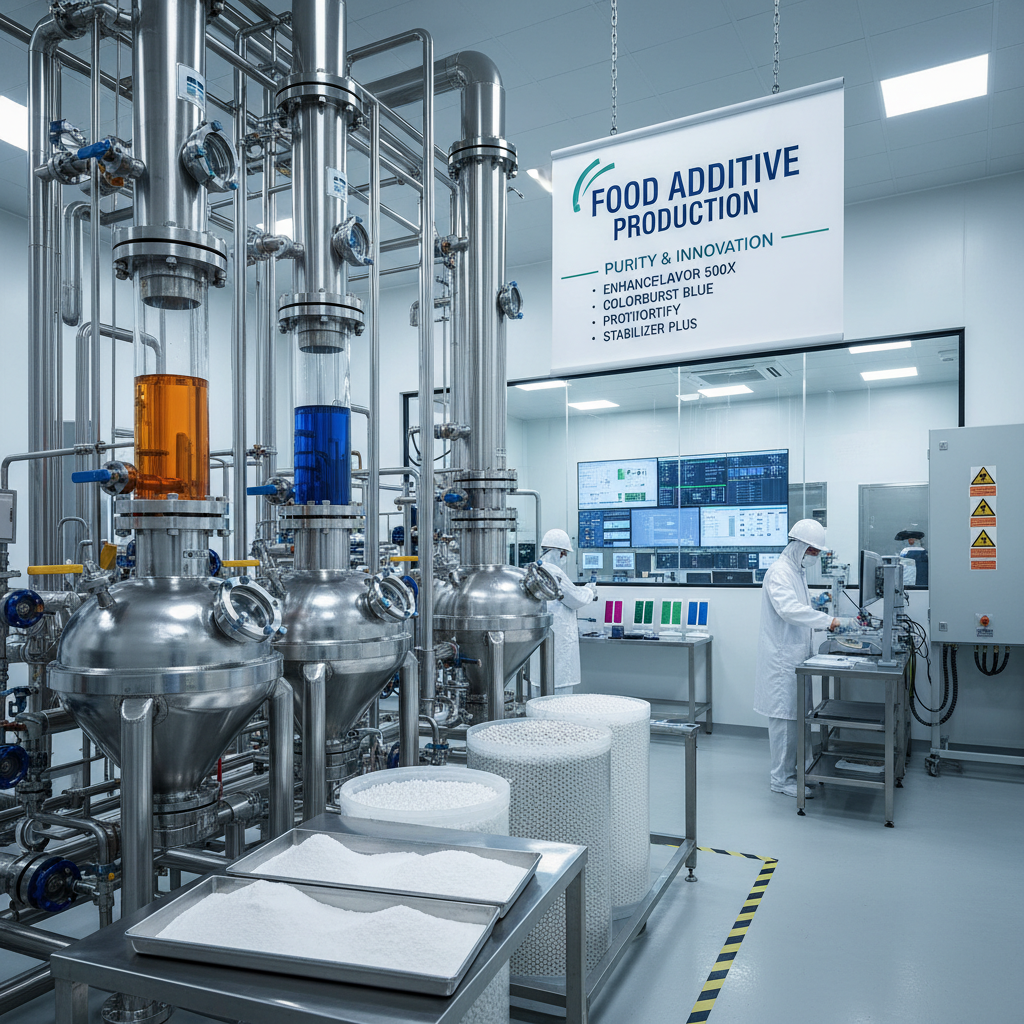
Beyond mere convenience, the science behind how much is in a cube of chicken bouillon involves a precise blend of hydrolyzed proteins, yeast extracts, and spices. By analyzing these components, we can better appreciate how food additive manufacturing transforms raw agricultural products into highly efficient, scalable seasoning solutions.
The Compositional Analysis of Chicken Bouillon Cubes
To understand how much is in a cube of chicken bouillon, one must look at the structural matrix of the product. Typically, a single cube consists of salt, fat (often palm oil or hydrogenated oils), and a dehydrated mixture of chicken meat extracts or hydrolyzed vegetable proteins. These ingredients are compressed under high pressure to form a stable solid that resists moisture absorption until dissolved.
The "essence" of the cube comes from the Maillard reaction products and glutamates, which provide the savory "umami" profile. In the food additive industry, the precision of these measurements ensures that every cube provides an identical sensory experience, regardless of whether it is used in a home kitchen in New York or a commercial kitchen in Shanghai.
Global Market Relevance and Consumption Standards
On a global scale, the demand for concentrated seasonings is driven by the need for affordable, shelf-stable flavorings. According to food industry trends and ISO standards for dehydrated products, the bouillon cube represents a triumph of logistics; it reduces the weight and volume of transporting stock by over 90% compared to liquid alternatives.
In many developing economies, these cubes are more than just a convenience—they are a primary source of flavor in diets where fresh meat may be expensive or unavailable. The accessibility of how much is in a cube of chicken bouillon allows millions to enhance the nutritional appeal of staple grains and legumes.
However, this widespread adoption has led to increased scrutiny from health organizations like the WHO regarding salt intake. The industry is now challenged to maintain the potency of the flavor while reducing the chemical load, leading to a shift toward more natural yeast extracts and organic spice blends.
Nutritional Breakdown and Sodium Concentration
When analyzing the nutritional data, the most striking discovery regarding how much is in a cube of chicken bouillon is the sodium content. A single cube often contains between 2,000mg to 3,000mg of sodium, which can represent more than the recommended daily allowance for an adult in a single serving.
Beyond sodium, the "meat" content is often smaller than consumers expect. In many commercial varieties, the actual chicken solids are replaced by "chicken flavor," which is a combination of monosodium glutamate (MSG) and aromatic compounds. This is why understanding how much is in a cube of chicken bouillon is crucial for those managing hypertension or strict dietary restrictions.
Fortunately, modern pharmaceutical intermediates and food science have introduced potassium-based salt substitutes. These innovations allow manufacturers to maintain the savory profile while significantly lowering the cardiovascular risk associated with traditional bouillon cubes.
Efficiency and Cost-Benefit Analysis of Concentrates
From a commercial perspective, the efficiency of bouillon cubes is unmatched. The cost per serving is a fraction of the cost of fresh chicken stock, primarily because the dehydration process removes water, which is the most expensive component to transport and store.
When we quantify how much is in a cube of chicken bouillon in terms of "flavor yield," one cube typically replaces approximately 500ml of liquid stock. This scalability is vital for the food additive sector, where consistency across large batches of product is the gold standard.
Comparative Flavor Yield and Cost Efficiency
Industrial Applications in Food Manufacturing
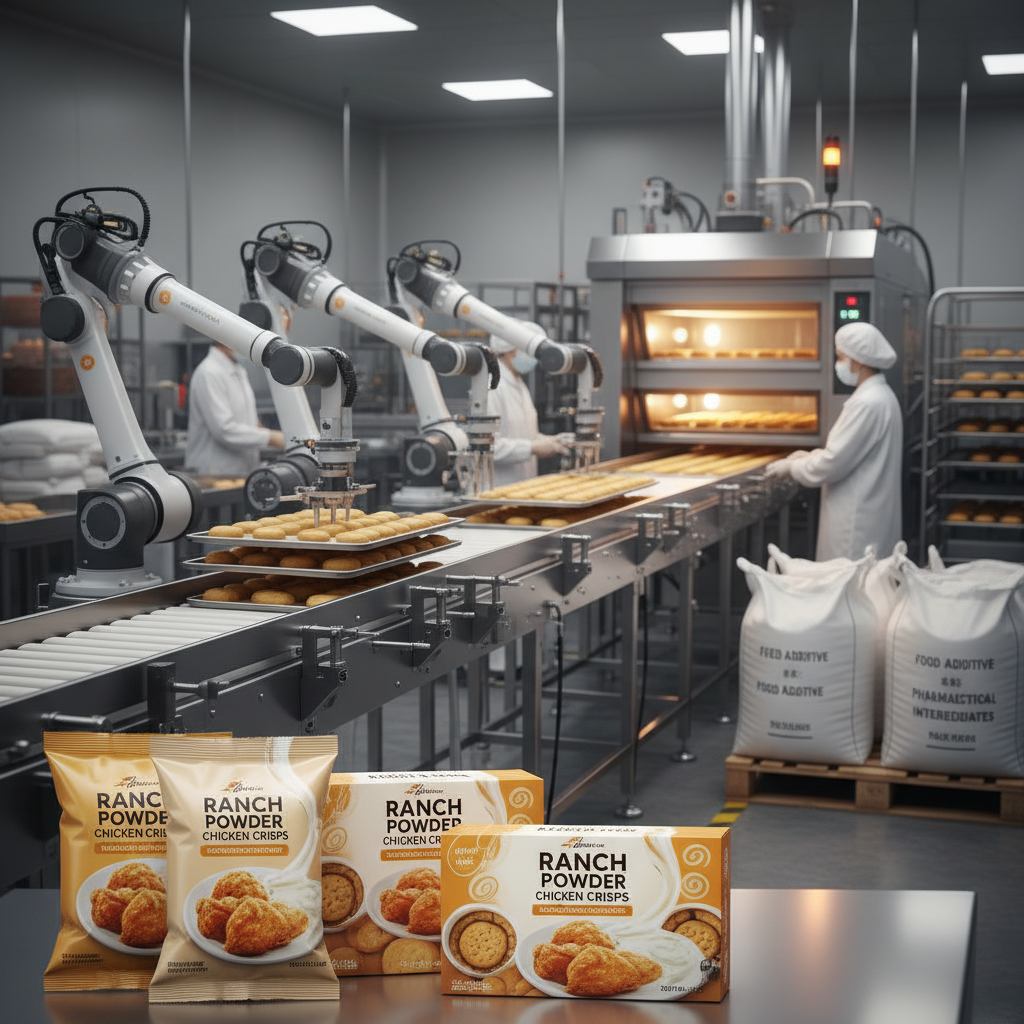
In the broader context of food additive manufacturing, the technology used to determine how much is in a cube of chicken bouillon is applied to various other "hot products," including pharmaceutical intermediates and animal feed additives. The process of micronization—reducing particles to a microscopic size—ensures that the bouillon dissolves instantly in boiling water without leaving clumps.
Furthermore, industrial food producers use these concentrated bases as "starter kits" for ready-to-eat meals. By controlling the exact amount of flavor additives in each unit, companies can guarantee that a canned soup produced in January tastes identical to one produced in July, providing the reliability that global consumers demand.
Humanitarian Logistics and Nutritional Support
The logistical value of concentrated seasonings becomes most apparent in post-disaster relief operations. In areas where infrastructure has collapsed and refrigeration is non-existent, bouillon cubes provide a critical means of making bland emergency rations palatable, which is essential for the psychological well-being of displaced populations.
When NGOs calculate how much is in a cube of chicken bouillon, they aren't just looking at calories, but at the ability to stimulate appetite in malnourished individuals. The high sodium content, while a concern in developed nations, can actually be a benefit in high-heat environments where electrolyte replacement is necessary.
By integrating these cubes into food aid packages, organizations can deliver maximum flavor and basic mineral support with minimal shipping weight, demonstrating how a simple food additive can solve complex humanitarian challenges in remote industrial zones.
Future Trends in Low-Sodium Bouillon Innovation
The future of the industry is moving toward "clean label" products. Consumers are increasingly questioning how much is in a cube of chicken bouillon and demanding the removal of synthetic preservatives and artificial dyes. This is driving a surge in the use of freeze-drying technology, which preserves more natural nutrients than traditional spray-drying.
Digital transformation is also playing a role, with AI-driven flavor profiling allowing manufacturers to create "hyper-regional" bouillon cubes. For example, a cube tailored for West African cuisine will have a different aromatic profile than one designed for the East Asian market, despite using the same core chicken-base technology.
Ultimately, the goal is a sustainable, green-energy manufacturing process that reduces the carbon footprint of salt mining and palm oil sourcing, ensuring that the convenience of the bouillon cube does not come at an environmental cost.
Analysis of Bouillon Composition by Product Grade
| Product Grade |
Sodium Level (mg) |
Real Chicken % |
Shelf Life (Months) |
| Economy Grade |
2800mg |
2-5% |
24 |
| Standard Commercial |
2200mg |
8-12% |
18 |
| Low-Sodium Pro |
800mg |
15% |
12 |
| Organic Gourmet |
1100mg |
25% |
12 |
| Industrial Bulk |
2500mg |
10% |
36 |
| Health-Focused |
600mg |
20% |
9 |
FAQS
Typically, one bouillon cube is concentrated to be equivalent to about 500ml (approx. 2 cups) of liquid chicken stock. While it provides the salt and primary flavor notes, it lacks the gelatin and collagen found in fresh, slow-simmered bones, which gives fresh stock a thicker mouthfeel.
No, although salt is the primary preservative. These cubes also contain flavor enhancers like MSG, dehydrated chicken fat, sugar, and a variety of spices (like onion and garlic powder). Some brands also include anti-caking agents to ensure the cube remains solid during storage.
Standard cubes are very high in sodium. However, many food additive manufacturers now produce "low-sodium" or "no-salt-added" versions. Always check the nutrition label to see how much sodium is in the specific cube you are purchasing, as values can vary wildly between brands.
Due to their low moisture content and high salt concentration, bouillon cubes are extremely stable. Most have a shelf life of 12 to 24 months. If stored in a cool, dry place in an airtight container, they can remain effective even longer, though the aromatic oils may fade slightly over time.
They fall into both categories. While sold as a consumer product, they are manufactured using food additive principles—utilizing concentrates, stabilizers, and flavor enhancers to create a standardized result. In industrial settings, they are treated as a seasoning additive for larger food formulations.
The dissolution rate depends on the compression pressure used during manufacturing and the type of fats used as binders. High-quality industrial cubes are engineered with specific particle sizes to ensure they dissolve rapidly in boiling water without leaving residue.
Conclusion
In summary, understanding how much is in a cube of chicken bouillon reveals a sophisticated intersection of culinary art and food science. From the precise balance of sodium and umami enhancers to the logistical brilliance of dehydration, these small cubes provide an essential service in both home cooking and global humanitarian aid, ensuring that flavor is accessible, consistent, and cost-effective.
Looking forward, the evolution of bouillon will likely center on health-centric innovation, reducing salt without sacrificing the sensory experience. For those in the food manufacturing or pharmaceutical intermediate sectors, the lessons learned from the bouillon cube—efficiency, stability, and scalability—remain a blueprint for future product development. Visit our website for more professional insights: www.chinaseasoning.com