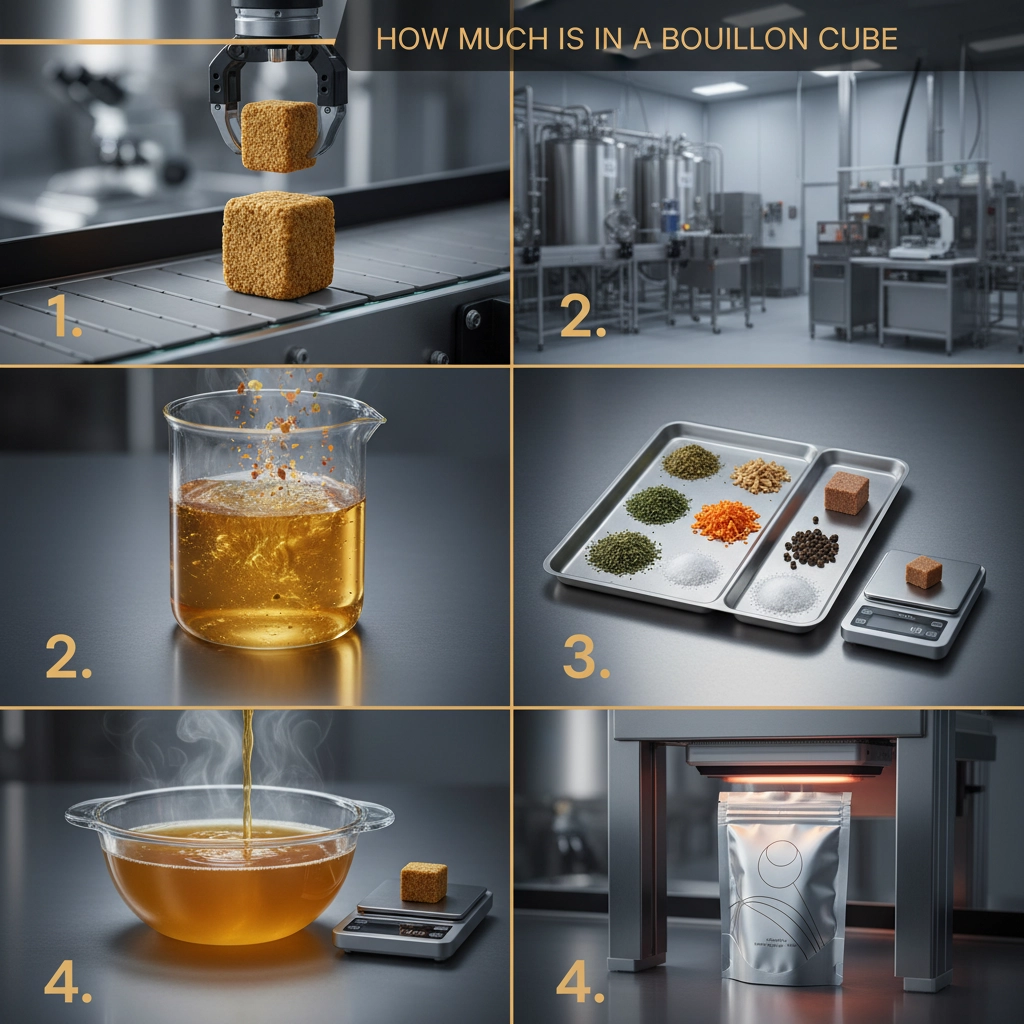
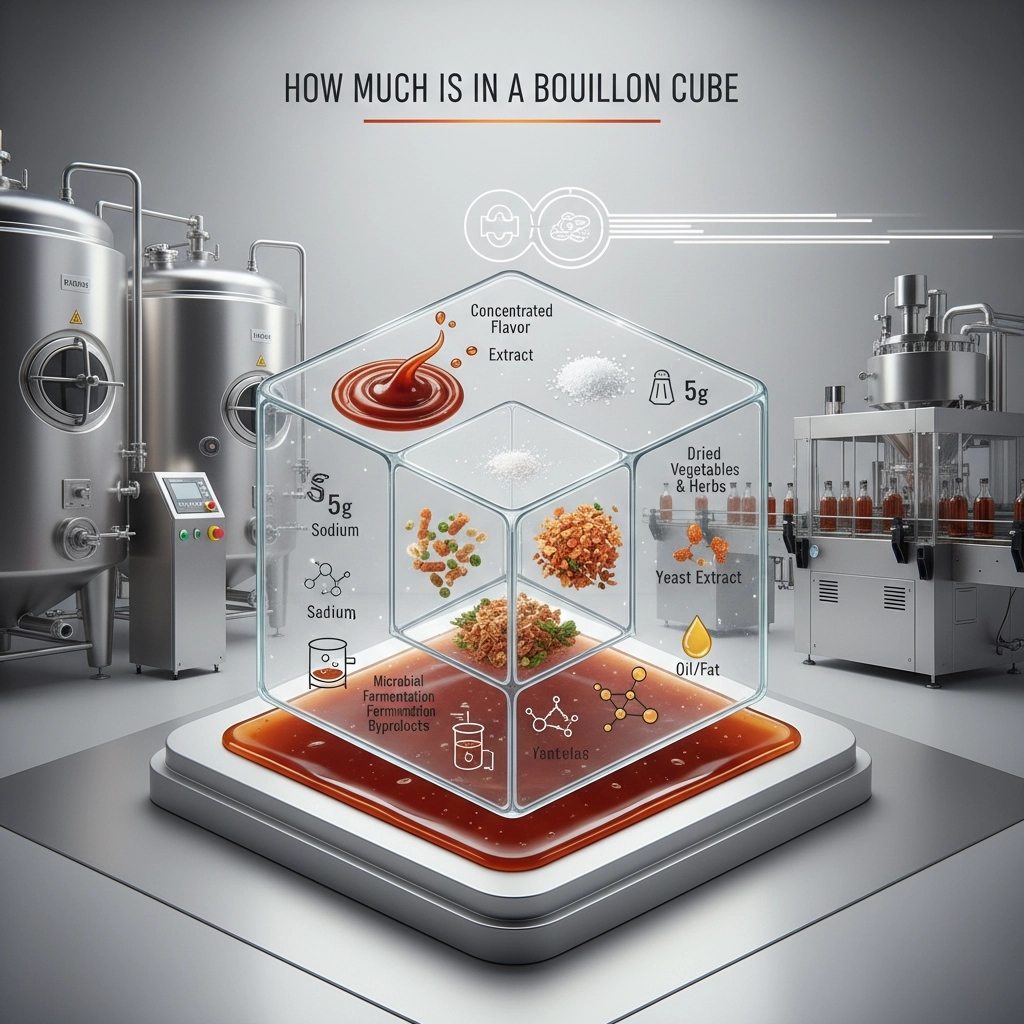
When exploring the culinary efficiency of concentrated flavorings, many home cooks and professional chefs often ask, how much is in a bouillon cube in terms of sodium, seasoning, and flavor density. These small, compressed blocks of dehydrated stock are marvels of food engineering, designed to provide a consistent taste profile without the need for hours of simmering bones and vegetables. Understanding the concentration of these cubes allows for better control over dietary intake and recipe precision.
From a global perspective, the bouillon cube represents a vital intersection of food technology and accessibility, providing an affordable way to enhance the nutritional perceived value of meals across diverse socioeconomic backgrounds. Whether used in a simple soup or as a base for complex sauces, the question of how much is in a bouillon cube extends beyond mere ingredients to include stabilizers and flavor enhancers that ensure a long shelf life.
For those in the food additive and manufacturing industry, analyzing the precise composition of these cubes is essential for developing healthier alternatives, such as low-sodium or organic versions. By dissecting exactly how much is in a bouillon cube, manufacturers can optimize the balance between taste intensity and health regulations, ensuring that the final product meets both consumer expectations and international food safety standards.
The Chemical Composition of Bouillon Cubes
To understand how much is in a bouillon cube, one must first look at the primary building blocks: salt, glutamate, and dehydrated fats. Salt acts not only as a flavor enhancer but also as the primary preservative, ensuring that the cube remains stable at room temperature for years. The addition of Monosodium Glutamate (MSG) or yeast extracts provides the "umami" punch that mimics the depth of a slow-cooked broth.
Beyond the salt, these cubes contain a blend of powdered vegetables, meat extracts, and sugar. Depending on the brand, the actual percentage of meat or vegetable solids can vary significantly, often making up only a small fraction of the total weight. The remaining volume is filled with binders and anti-caking agents that allow the mixture to be pressed into a hard, uniform cube.
Industrial Production and Concentration Levels
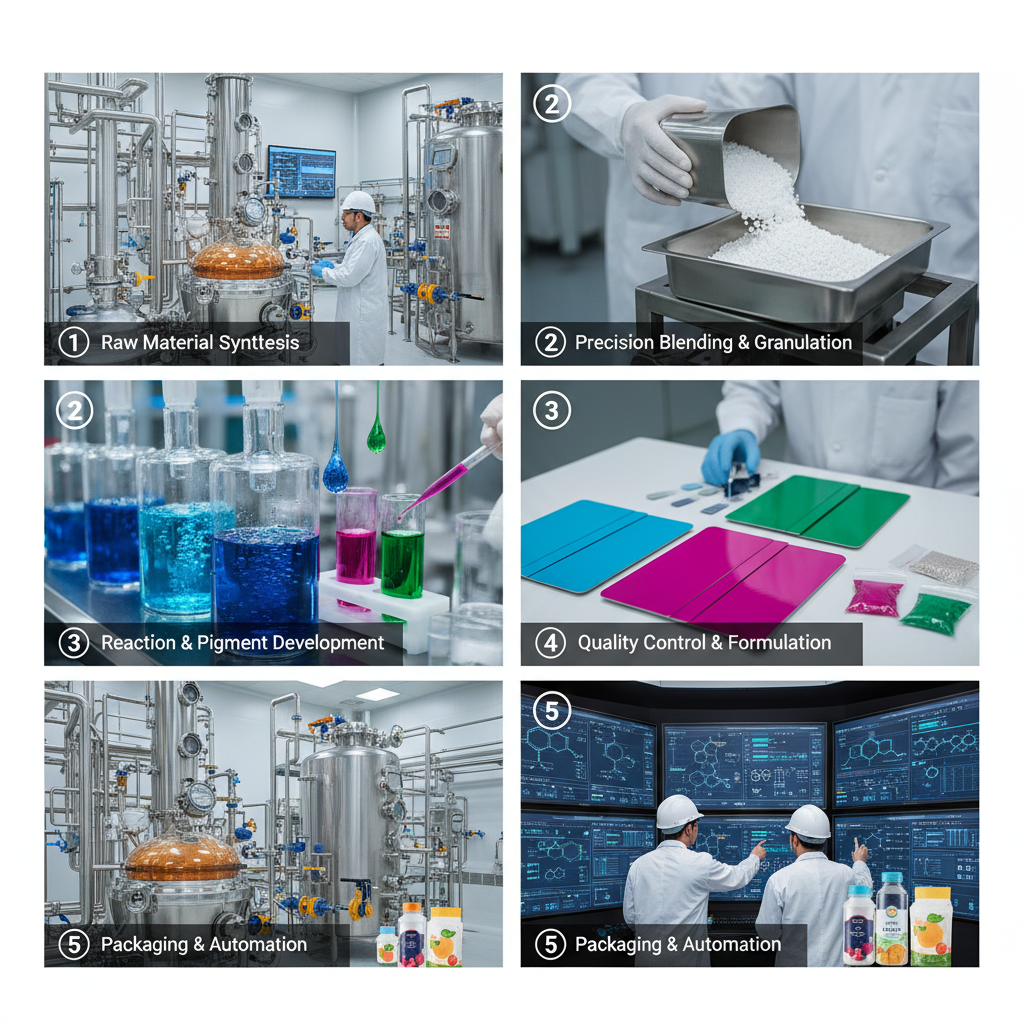
The industrial process of determining how much is in a bouillon cube involves a sophisticated method of spray-drying and compression. Liquid stocks are concentrated through evaporation, and then the remaining solids are mixed with dry additives. This ensures that a single small cube can replace approximately 500ml to 1 liter of water, offering an incredible ratio of flavor-to-volume.
Precision in dosing is critical during the manufacturing phase. Automated systems ensure that the ratio of salt to aromatic herbs remains constant, preventing variations in taste between batches. This standardization is what makes bouillon cubes a preferred choice for commercial food services that require exact taste profiles across multiple global locations.
Furthermore, the physical compression of the ingredients serves a dual purpose. By removing air pockets, manufacturers can pack more active ingredients into a smaller space, reducing packaging waste and shipping costs. This efficiency is why the bouillon cube remains a staple in the food additive industry, blending logistics with culinary science.
Sodium Content and Dietary Implications
When health-conscious consumers ask how much is in a bouillon cube, they are usually referring to the sodium levels. A single cube can contain upwards of 2,000mg of sodium, which often represents nearly the entire daily recommended limit for an adult. This high concentration is necessary for preservation but poses challenges for those with hypertension.
To mitigate this, the food additive industry is innovating with potassium-based salt substitutes. By analyzing how much is in a bouillon cube, researchers are replacing traditional NaCl with alternatives that maintain the savory profile while significantly lowering the blood-pressure impact.
Moreover, the interaction between sodium and other enhancers like MSG can create a synergistic effect, making the flavor seem more intense than it would be with salt alone. This allows manufacturers to slightly reduce the total salt content without compromising the perceived richness of the broth.
Flavor Potency and Efficiency Metrics
Measuring the efficiency of a bouillon cube requires a look at its "flavor yield." When we evaluate how much is in a bouillon cube, we are essentially measuring the potency of the concentrated extracts against the volume of solvent (water). High-quality cubes use a higher percentage of natural extracts, resulting in a more complex taste.
In a commercial setting, the cost-to-flavor ratio is the primary metric. A cube that can flavor 1.5 liters of water without losing its profile is considered more efficient than one that only flavors 0.5 liters. This efficiency makes these products indispensable in large-scale catering and pharmaceutical-grade nutritional supplements.
Comparison of Ingredient Potency in Bouillon Formulations
Global Applications in Food Relief
In humanitarian contexts, knowing how much is in a bouillon cube is a matter of survival and dignity. In post-disaster relief operations, where fresh produce and meat are unavailable, these cubes provide essential salts and a psychological boost through familiar flavors, making bland emergency grains more palatable.
Organizations like the World Food Programme (WFP) utilize concentrated seasonings because they are lightweight and have an indefinite shelf life under proper conditions. The ability to transform a pot of plain rice into a savory meal using a small amount of additive significantly improves the morale and nutritional intake of displaced populations in remote industrial zones or war-torn regions.
Sustainability in Seasoning Manufacturing
The shift toward sustainable manufacturing has changed the answer to how much is in a bouillon cube. Modern plants are moving away from palm oil—often used as a binder—toward more sustainable vegetable fats or starch-based binders. This reduces the ecological footprint of the product while maintaining its structural integrity.
Moreover, the industry is implementing "zero-waste" extraction processes. By using the by-products of the meat and vegetable industries to create the extracts for these cubes, manufacturers are contributing to a circular economy. What was once waste is now a high-value flavor concentrate.
Digital transformation in the factory also allows for real-time monitoring of ingredient ratios. This means less waste during the mixing phase and a more precise understanding of exactly how much is in a bouillon cube for every single unit produced, ensuring total consistency.
Future Innovations in Cube Formulation
The next generation of flavor cubes is moving toward "clean label" formulations. Consumers are demanding to know exactly how much is in a bouillon cube without seeing chemical names they don't recognize. This is driving the development of natural fermentation processes to replace synthetic flavor enhancers.
Automation and AI are also being used to create personalized bouillon profiles. In the future, we may see cubes tailored to specific dietary needs—such as high-protein or vitamin-fortified versions—where the "amount" in the cube is balanced for medical nutrition rather than just taste.
Finally, biodegradable packaging is replacing the traditional foil and paper wraps. This ensures that the convenience of the bouillon cube does not come at the cost of environmental degradation, aligning the product with global ESG (Environmental, Social, and Governance) goals.
Analysis of Future Bouillon Formulation Trends
| Innovation Type |
Key Ingredient Change |
Impact on Taste |
Sustainability Score |
| Clean Label |
Natural Yeast Extracts |
Mild, Authentic |
9/10 |
| Low Sodium |
Potassium Chloride |
Slightly Metallic |
7/10 |
| Eco-Binder |
Cassava Starch |
Neutral |
10/10 |
| Fortified |
Iron & B-Vitamins |
Slightly Bitter |
8/10 |
| Vegan Pro |
Mushroom Protein |
Deep Umami |
9/10 |
| Organic |
Organic Sea Salt |
Pure, Clean |
9/10 |
FAQS
Typically, a single bouillon cube contains between 800mg and 2,300mg of sodium, depending on the brand and flavor. Because salt is used as the primary preservative and flavor enhancer, it makes up a significant portion of the cube's weight. For those monitoring their salt intake, it is recommended to use only half a cube or seek out "low-sodium" versions that replace some salt with potassium.
In most commercial bouillon cubes, the "meat" is present as a highly concentrated extract or a hydrolyzed vegetable protein (HVP) that mimics meat flavor. While some premium brands use a higher percentage of real dehydrated meat solids, most use flavorings and extracts to maintain a low cost and long shelf life. Always check the ingredient list for "meat extract" versus "artificial flavor."
Yes, bouillon powder is essentially the same product as the cube but without the binding agents used to compress it. The ratio is usually 1 teaspoon of powder per one bouillon cube. Powder is often preferred by chefs because it dissolves faster and allows for more precise measurements when creating smaller batches of sauce or glaze.
Incomplete dissolution is usually caused by the binding agents (like hydrogenated fats) used to keep the cube's shape. To ensure a full melt, it is best to dissolve the cube in boiling water first. If you are adding it to a slow-cooker, crumbling the cube into smaller pieces beforehand can help it integrate more evenly into the liquid.
Yes, because of their extremely low water activity and high salt content, bouillon cubes are among the most shelf-stable food products. When stored in a cool, dry place in their original packaging, they can last for several years. However, they can absorb moisture from the air, which may lead to clumping or a decrease in flavor potency over time.
Many traditional bouillon cubes contain Monosodium Glutamate (MSG) to provide the savory umami taste. However, many modern brands have moved toward using yeast extract or hydrolyzed proteins, which contain naturally occurring glutamates that provide the same effect. If you are avoiding MSG, look for labels that specifically state "No added MSG."
Conclusion
In summary, understanding how much is in a bouillon cube reveals a complex balance of food science, chemistry, and logistical efficiency. From the critical role of sodium in preservation to the innovative use of umami enhancers, these small cubes provide a massive amount of flavor potency in a compact form. By analyzing their composition, we can see how the food additive industry evolves to meet global needs, balancing the demand for convenience with the necessity of health and sustainability.
Looking forward, the trajectory of seasoning manufacturing is leaning toward cleaner labels and reduced sodium, ensuring that these kitchen staples remain relevant in a health-conscious era. For businesses and consumers alike, the bouillon cube remains a testament to how industrial concentration can bring gourmet flavor to the masses. To explore high-quality additive solutions and professional seasoning ingredients, we invite you to visit our website: www.chinaseasoning.com.