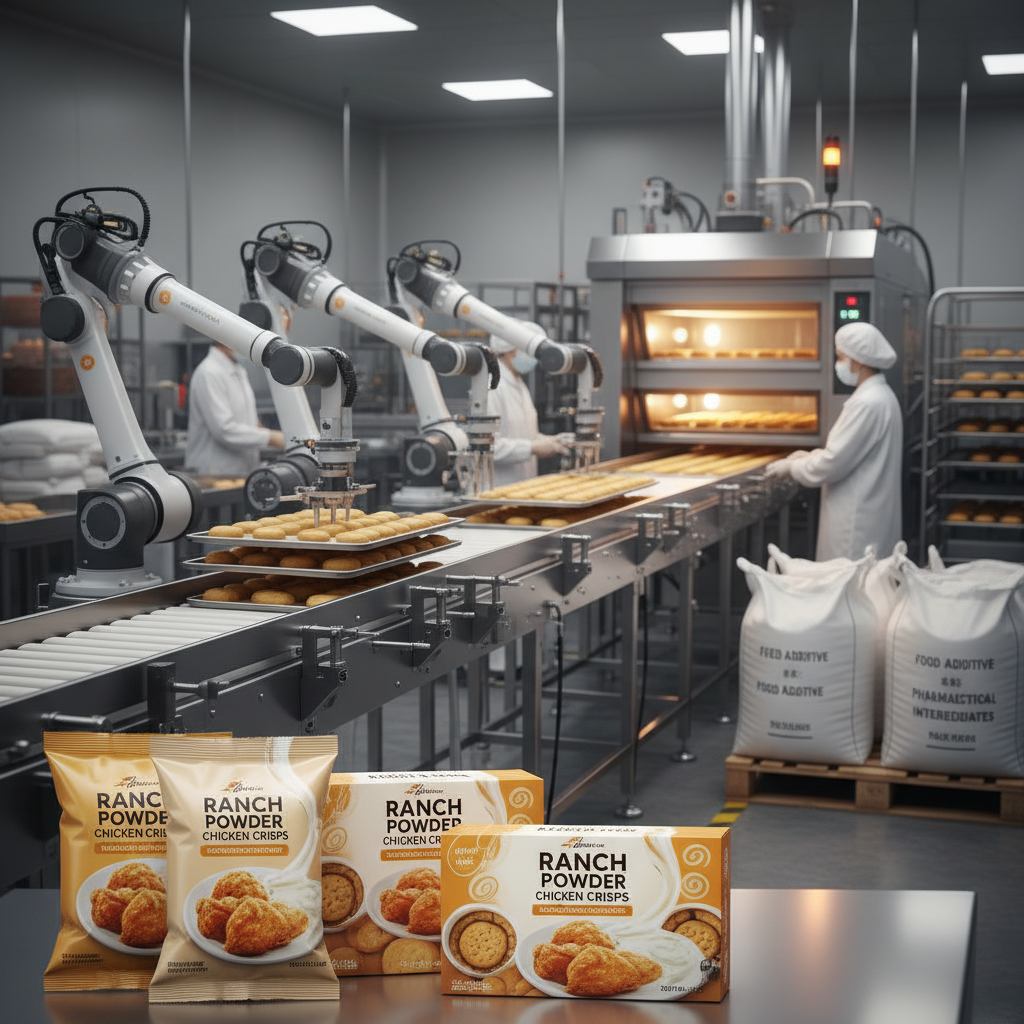
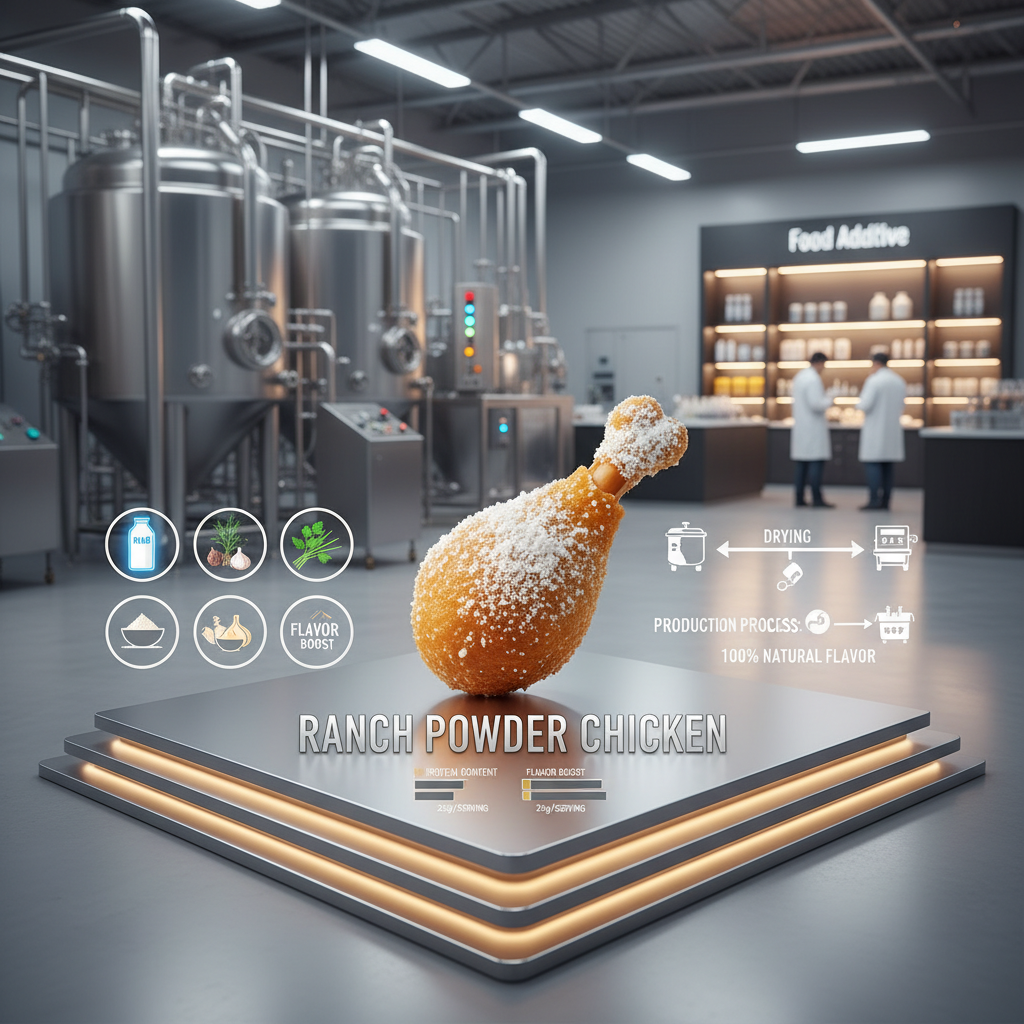
In the competitive landscape of the global food additive industry, the demand for consistent, high-impact seasoning has led to the rise of specialized blends. Among these, ranch powder chicken seasonings have emerged as a pivotal innovation, combining the creamy, herbaceous profile of classic ranch with the savory requirements of poultry processing. This fusion not only simplifies the production line for manufacturers but also ensures a standardized taste profile that resonates with consumers worldwide.
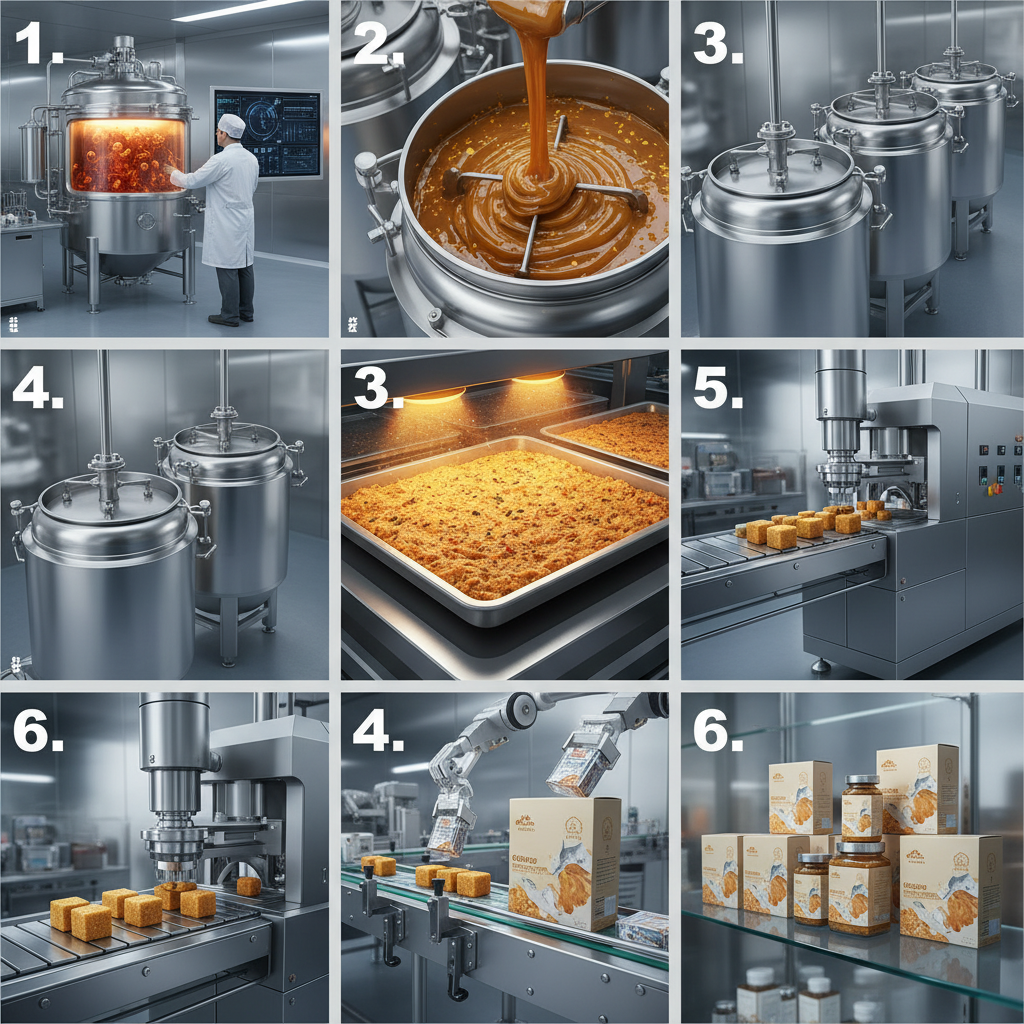
Understanding the chemistry and application of ranch powder chicken is essential for food technologists aiming to balance flavor intensity with shelf-stability. By utilizing advanced dehydration and blending techniques, manufacturers can create a versatile powder that adheres perfectly to chicken surfaces, whether for frying, baking, or air-frying. This efficiency reduces waste and optimizes the sensory experience, making it a staple in both industrial food service and home-cooking kits.
From a commercial perspective, the scalability of ranch powder chicken allows brands to enter diverse markets—from fast-casual dining in North America to emerging snack markets in Asia. By leveraging high-quality feed and food additives, companies can maintain the integrity of the "ranch" flavor—characterized by buttermilk, garlic, and onion—while ensuring the final product meets strict international safety and quality standards.
Global Industry Context of Ranch Powder Chicken
The global appetite for convenient, flavor-dense poultry products has surged, with the seasoning market experiencing a steady CAGR. As urban populations grow, the reliance on "ready-to-cook" solutions has made the development of ranch powder chicken blends a strategic priority for food additive manufacturers. Market data indicates a shift toward "bold" and "fusion" flavors, where traditional Western tastes are integrated into global poultry diets.
However, the industry faces a significant challenge: maintaining flavor volatility. Natural herbs and dairy powders often degrade under high heat or long storage periods. This creates a technical gap that only high-grade food additives and stabilization agents can bridge, ensuring that the ranch profile remains vibrant from the factory floor to the consumer's plate.
Defining the Composition of Ranch Powder Chicken
At its core, ranch powder chicken is a sophisticated mixture of dehydrated dairy solids, aromatic herbs (such as dill, parsley, and chives), and a precise balance of acidity and salt. Unlike simple salt-and-pepper rubs, this powder is designed to create a "creamy" mouthfeel without the immediate addition of liquid fats, relying instead on the interaction between the powder and the natural moisture of the chicken meat.
From a technical standpoint, it connects modern food engineering with humanitarian needs by providing a nutrient-dense, flavor-stable seasoning that can be transported easily without refrigeration. This makes it an ideal solution for large-scale food distribution programs and remote catering services where fresh herbs are unavailable.
The formulation usually involves a carrier agent—often maltodextrin or modified corn starch—which prevents clumping and ensures an even distribution of the seasoning. This structural integrity is what allows the powder to maintain its identity during the high-temperature processes associated with chicken preparation.
Core Components for Quality Ranch Powder Chicken
Flavor Consistency is the first pillar of a successful ranch powder chicken blend. Achieving a uniform taste across millions of batches requires the use of standardized pharmaceutical-grade intermediates and high-purity food additives to ensure that the pungent notes of garlic and onion do not overpower the delicate buttermilk base.
Adhesion and Texture play a critical role in the consumer experience. The particle size of the ranch powder chicken must be meticulously calibrated; too coarse, and the seasoning falls off the chicken; too fine, and it may clump or burn during the cooking process.
Shelf-Life Extension is achieved through the integration of anti-caking agents and antioxidants. These components protect the volatile oils in the herbs from oxidation, ensuring that the "fresh-picked" aroma of the ranch seasoning persists even after months of warehouse storage.
Scalability and Cost Efficiency in Production
For industrial manufacturers, the shift to pre-blended ranch powder chicken reduces labor costs and minimizes human error in the kitchen. By automating the seasoning phase, companies can scale their output from hundreds to thousands of units per hour while maintaining an identical flavor profile.
Furthermore, the high concentration of flavor in the powder form means that lower volumes of product are required to achieve the desired taste, significantly lowering shipping and storage costs compared to liquid ranch marinades.
Efficiency Ratings of Ranch Powder Chicken Application Methods
Global Applications and Market Use Cases
In the North American market, ranch powder chicken is widely utilized by quick-service restaurants (QSRs) to ensure a consistent "signature taste" across thousands of franchises. The powder is often integrated into breading mixes, creating a cohesive layer of flavor that survives the deep-frying process.
Conversely, in the European and Asian markets, there is a growing trend of using these powders in the production of gourmet chicken snacks and dehydrated poultry products. In remote industrial zones or post-disaster relief operations, where fresh ingredients are scarce, these stable seasoning powders provide a psychological sense of comfort and a reliable source of taste for personnel and displaced populations.
Long-Term Value and Consumer Reliability
The long-term value of investing in a premium ranch powder chicken formulation lies in brand loyalty. Consumers associate specific flavor notes with quality; by utilizing high-purity food additives, brands can avoid the "chemical" aftertaste often found in low-cost alternatives, fostering a relationship of trust with the customer.
From a sustainability angle, powder-based seasonings reduce the carbon footprint associated with transporting water-heavy liquid sauces. This aligns with global ESG (Environmental, Social, and Governance) goals, allowing food companies to market their products as more eco-friendly without sacrificing taste.
Ultimately, the reliability of the product—meaning it tastes the same in January as it does in July—provides the logical foundation for large-scale procurement contracts between seasoning manufacturers and global food chains.
Future Trends in Ranch Powder Chicken Innovation
The next frontier for ranch powder chicken involves the integration of "clean label" ingredients. As consumers demand fewer artificial preservatives, the industry is moving toward natural fermentation extracts and plant-based dairy alternatives to replicate the creamy buttermilk profile.
Digital transformation is also playing a role; AI-driven flavor profiling is now being used to adjust the ratios of the ranch powder chicken based on regional taste preferences, allowing for "hyper-localized" versions of a global flavor.
Automation in the blending process is further reducing contamination risks, while new encapsulation technologies allow specific flavor notes to be released only when the chicken reaches a certain internal temperature, creating a "burst" of flavor upon consumption.
Comparative Analysis of Ranch Powder Chicken Formulation Trends
| Innovation Dimension |
Traditional Formulation |
Clean Label Trend |
Impact Score (1-10) |
| Dairy Base |
Whey Powder/Casein |
Oat/Almond Milk Powder |
8 |
| Flavor Enhancers |
MSG/Artificials |
Yeast Extract/Mushrooms |
9 |
| Preservation |
Synthetic BHA/BHT |
Rosemary Extract |
7 |
| Texturizers |
Modified Starch |
Bamboo Fiber/Rice Flour |
6 |
| Herbal Sourcing |
Industrial Grade |
Organic/Sustainably Grown |
8 |
| Delivery System |
Simple Blend |
Micro-Encapsulation |
10 |
FAQS
Ranch powder chicken offers superior shelf-stability, lower transportation costs, and a more consistent coating. Unlike liquid marinades, the powder creates a concentrated flavor layer that doesn't dilute during the cooking process, resulting in a more intense taste and a better "crust" when fried or baked.
When formulated with professional-grade anti-caking agents and stored in airtight, moisture-proof packaging, these seasonings typically maintain peak flavor for 12 to 24 months. The use of antioxidants in the blend prevents the herbal oils from oxidizing, which is the primary cause of flavor loss.
Yes, modern food additive technology allows for the creation of dairy-free ranch powders. By replacing buttermilk solids with plant-based proteins and using lactic acid for the signature tang, manufacturers can provide the same iconic ranch experience for vegan chicken products.
The integration of food-grade silicon dioxide or calcium silicate acts as an effective anti-caking agent. Additionally, ensuring the warehouse humidity is controlled and using vibration-assisted dispensing systems can ensure a smooth, clump-free flow of the powder during large-scale application.
Yes, provided the formulation includes a small percentage of heat-stable carriers like maltodextrin. These carriers protect the sugars and dairy proteins from caramelizing too quickly, allowing the ranch powder chicken to achieve a golden-brown finish without the seasoning scorching.
Importing requires compliance with the destination country's food safety laws (such as FDA in the US or EFSA in Europe). We provide full MSDS (Material Safety Data Sheets) and COA (Certificate of Analysis) for every batch of ranch powder chicken to ensure seamless customs clearance and regulatory approval.
Conclusion
In summary, ranch powder chicken represents a perfect intersection of culinary tradition and industrial efficiency. By transforming a complex liquid flavor profile into a stable, scalable powder, the food additive industry has empowered manufacturers to deliver high-quality, consistent tastes across global markets. From the precision of its components—such as buttermilk solids and aromatic herbs—to its strategic application in QSRs and emergency food supplies, this product proves that technical innovation is the key to meeting modern consumer demands.
Looking forward, the evolution toward clean-label ingredients and AI-driven flavor customization will only further enhance the versatility of ranch seasoning. For businesses seeking to optimize their production lines and captivate their customers, investing in high-purity, scientifically formulated powders is not just a choice, but a competitive necessity. We invite you to explore how our advanced additive solutions can elevate your product line. Visit our website: www.chinaseasoning.com