In the modern culinary landscape, the demand for efficiency and consistent flavor has led to the widespread adoption of chicken cube seasoning. These concentrated bouillon blocks serve as a cornerstone for both domestic kitchens and large-scale food manufacturing, offering a standardized way to introduce a savory, "umami" profile to a vast array of dishes without the need for long-simmering raw bones.
Beyond simple convenience, the global trade of these seasoning cubes reflects a broader shift toward processed food additives that ensure food security and accessibility. By condensing essential flavors and salts into a stable, portable format, chicken cube seasoning allows chefs and home cooks in diverse geographic regions to achieve professional-grade taste profiles regardless of the local availability of fresh poultry.
Understanding the technical composition and industrial application of these cubes is essential for food manufacturers aiming to optimize their product lines. From the selection of hydrolyzed vegetable proteins to the precision of the compression process, the science behind chicken cube seasoning is a testament to the sophistication of the modern food additive industry.
Global Market Dynamics of Chicken Cube Seasoning
The global market for chicken cube seasoning has experienced exponential growth, driven by the rapid urbanization of emerging economies in Asia and Africa. According to industrial trade data, the convenience of pre-measured seasoning blocks aligns perfectly with the rise of "fast-casual" dining and the increasing number of dual-income households who require quick meal preparation solutions without sacrificing flavor depth.
However, this growth presents a significant challenge: the need to balance high-intensity flavor with health-conscious consumer demands. Manufacturers are now tasked with reducing sodium levels and eliminating synthetic MSG while maintaining the signature savory profile that makes these cubes so popular worldwide, leading to a new wave of R&D in natural flavor enhancers.
Defining the Composition of Chicken Cube Seasoning
At its core, chicken cube seasoning is a dehydrated blend of salt, flavor enhancers, fats, and spices, compressed into a precise geometric shape for easy dosing. Unlike liquid concentrates, the cube format ensures a long shelf life by minimizing water activity, which prevents microbial growth and allows for distribution in regions without cold-chain infrastructure.
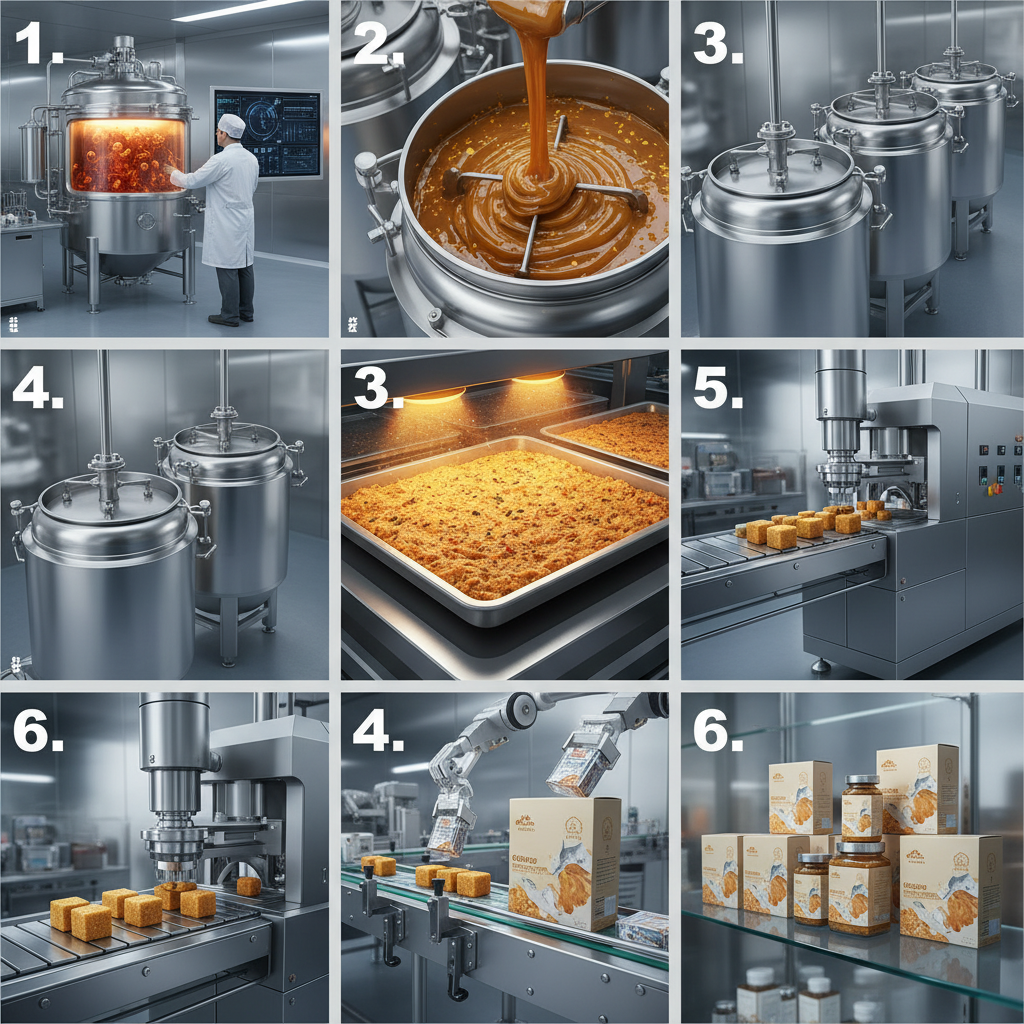
From a technical perspective, these cubes are an intersection of food chemistry and mechanical engineering. The process involves the granulation of ingredients followed by high-pressure compression, ensuring that the cube remains intact during transport but dissolves rapidly when introduced to boiling water or oil.
In the context of modern humanitarian aid and food security, these seasonings play a critical role. They provide essential salt and flavor to bland, nutrient-dense staple foods (like grains or legumes) in relief zones, improving the palatability of emergency rations and ensuring that populations maintain an appetite for necessary caloric intake.
Core Components and Quality Factors
The efficacy of chicken cube seasoning depends heavily on the quality of its base ingredients. The use of high-grade salt and carefully selected poultry extracts ensures a clean taste profile that does not leave a bitter aftertaste, which is a common flaw in low-cost alternatives.
Consistency is the primary quality factor for industrial chicken cube seasoning. By utilizing precise automated blending systems, manufacturers ensure that every single cube contains the exact ratio of flavorings, ensuring that a commercial kitchen produces the same tasting soup in New York as it does in Tokyo.
Furthermore, the inclusion of anti-caking agents and stabilizers is crucial for maintaining the structural integrity of the chicken cube seasoning. These components prevent the cubes from absorbing atmospheric moisture, which would otherwise lead to clumping or premature degradation of the aromatic oils.
Industrial Scalability and Production Efficiency
Scaling the production of chicken cube seasoning requires a sophisticated balance between raw material throughput and quality control. Modern facilities utilize continuous mixing towers and rotary presses that can output thousands of units per minute, drastically reducing the cost per unit and making the product affordable for global markets.
Efficiency is not just about speed, but also about waste reduction. By implementing closed-loop systems, manufacturers can recapture powder dust and reintegrate it into the production line, ensuring that the high-value flavor extracts used in chicken cube seasoning are utilized to their maximum potential.
Comparative Performance of Chicken Cube Seasoning Variants
Global Applications and Diverse Use Cases
The versatility of chicken cube seasoning allows it to transcend cultural boundaries. In West African cuisine, for instance, these cubes are an indispensable base for jollof rice and various stews, providing a depth of flavor that defines the regional palate. In Southeast Asia, they are often integrated into stir-fry bases and street food broths to maintain flavor consistency across multiple vendors.
Beyond consumer kitchens, industrial food service providers—such as those catering to remote mining camps or offshore oil rigs—rely on chicken cube seasoning for its logistics-friendly nature. In these environments, where fresh ingredients are scarce and storage space is limited, these cubes provide a reliable method for delivering high-quality nutrition and taste to workers.
Economic Advantages and Long-Term Value
From a commercial standpoint, the primary advantage of chicken cube seasoning is the drastic reduction in ingredient cost. By replacing the need for large quantities of fresh poultry and aromatic vegetables with a concentrated additive, restaurants can lower their food cost percentage while maintaining the perceived value of the dish.
Sustainability is another critical angle. The production of dehydrated cubes requires significantly less energy for transport and storage compared to liquid stocks or frozen poultry products. This reduction in "food miles" and cold-chain reliance lowers the overall carbon footprint of the seasoning supply chain, offering long-term environmental value.
Furthermore, the reliability of chicken cube seasoning fosters trust between the manufacturer and the end-user. When a business knows that the flavor profile will not fluctuate due to seasonal changes in raw poultry quality, they can scale their operations with confidence and precision.
Future Innovations in Seasoning Technology
The future of chicken cube seasoning lies in "Clean Label" technology. We are seeing a transition toward the use of yeast extracts and mushroom-based umami boosters to replace synthetic additives. This shift not only meets regulatory requirements but also appeals to the growing segment of health-conscious consumers who demand transparency in their food ingredients.
Automation and AI are also entering the fray. Advanced sensory analysis AI is being used to map the "flavor fingerprints" of traditional homemade stocks, allowing manufacturers to recreate those complex, organic taste profiles within a chicken cube seasoning format with unprecedented accuracy.
Finally, the integration of functional nutrients—such as adding fortified vitamins or minerals to the cubes—could transform these seasonings from simple flavor enhancers into tools for combating micronutrient deficiencies in developing nations.
Analysis of Future Chicken Cube Seasoning Development Trends
| Innovation Dimension |
Current Standard |
Future Target |
Expected Impact |
| Ingredient Source |
Synthetic Flavorings |
Fermented Plant-Based |
Higher Health Appeal |
| Sodium Content |
High (NaCl focus) |
Potassium-Balanced |
Cardiovascular Health |
| Packaging |
Multi-layer Plastic |
Biodegradable Film |
Eco-Sustainability |
| Production Method |
Batch Compression |
AI-Driven Precision |
Zero-Waste Output |
| Flavor Profile |
General Savory |
Regional Hyper-Custom |
Market Penetration |
| Added Value |
Purely Taste |
Fortified Nutrients |
Public Health Support |
FAQS
The main difference lies in stability and concentration. chicken cube seasoning is dehydrated, giving it a significantly longer shelf life and making it easier to transport without refrigeration. Liquid stocks contain higher water content, making them more prone to spoilage and more expensive to ship due to weight.
Yes, they are ideal for commercial use because they provide flavor standardization. In large-scale production, consistency is key; using chicken cube seasoning ensures that every batch of product tastes exactly the same, regardless of which chef is on duty or where the ingredients were sourced.
Manufacturers use a combination of potassium chloride to replace some of the sodium chloride and introduce natural umami enhancers like yeast extracts or mushroom powder. These ingredients trick the taste buds into perceiving a "salty" and "savory" flavor even when the actual sodium content is significantly lowered.
Standard cubes contain poultry extracts; however, there is a growing market for "chicken-style" vegan cubes. These use hydrolyzed vegetable proteins and specific aromatic blends to mimic the taste of chicken without using any animal products, making them a versatile tool for plant-based cooking.
This usually occurs due to over-compression during the manufacturing process or the use of low-quality binding agents. High-quality chicken cube seasoning is engineered with a specific porosity that allows hot water to penetrate the cube and dissolve it rapidly and evenly.
They should be stored in a cool, dry place, away from direct sunlight and moisture. Because chicken cube seasoning is hygroscopic (it attracts water), keeping it in an airtight container is essential to prevent it from softening or losing its aromatic potency.
Conclusion
In summary, chicken cube seasoning is far more than a simple kitchen shortcut; it is a sophisticated industrial product that balances chemistry, logistics, and culinary art. From its role in ensuring global food consistency to its economic advantages in commercial kitchens, the seasoning cube remains a vital component of the global food additive industry.
Looking forward, the evolution toward clean labels and fortified nutrition suggests that these products will continue to adapt to the needs of a healthier, more sustainable world. For businesses looking to optimize their flavor profiles and operational efficiency, investing in high-quality seasoning solutions is a strategic necessity. Visit our website for more professional solutions: www.chinaseasoning.com