In the evolving landscape of the global food industry, the demand for certified dietary compliant seasonings has surged, making halal bouillon a cornerstone for manufacturers seeking to enter Muslim-majority markets. This specialized seasoning provides the essential depth of flavor—umami, saltiness, and aromatic richness—while adhering to strict Sharia law guidelines, ensuring that no prohibited ingredients like porcine derivatives or alcohol are used.
The significance of this product extends beyond mere religious compliance; it represents a commitment to transparency, safety, and quality in food additives. As global trade networks expand, the ability to produce a consistent, high-quality halal bouillon allows brands to bridge the gap between traditional culinary tastes and modern industrial efficiency, catering to millions of consumers who prioritize ethical and permissible consumption.
Understanding the intricacies of halal certification and the chemical composition of these seasonings is vital for procurement managers and food scientists alike. By focusing on clean-label ingredients and rigorous auditing, the production of halal bouillon not only ensures market access but also enhances the overall trust and brand loyalty among a diverse and growing global demographic.
Global Market Context of Halal Bouillon
The global halal food market is experiencing an unprecedented growth trajectory, driven by a rising Muslim population and an increasing awareness of food provenance. According to reports aligned with State of the Global Islamic Economy trends, the demand for processed seasonings, specifically halal bouillon, has shifted from a niche requirement to a mainstream industrial necessity. This growth is not limited to OIC (Organization of Islamic Cooperation) countries but is equally visible in Western markets where diaspora populations demand authentic, permissible options.
The primary challenge for manufacturers has historically been the "invisible" ingredients—emulsifiers, flavor enhancers, and stabilizers—that may contain non-halal animal fats. This has created a critical need for specialized food additive producers who can guarantee a 100% permissible supply chain. The integration of halal bouillon into commercial food production solves this dilemma, providing a safe, standardized base for soups, sauces, and ready-to-eat meals.
Defining Halal Bouillon in Modern Manufacturing
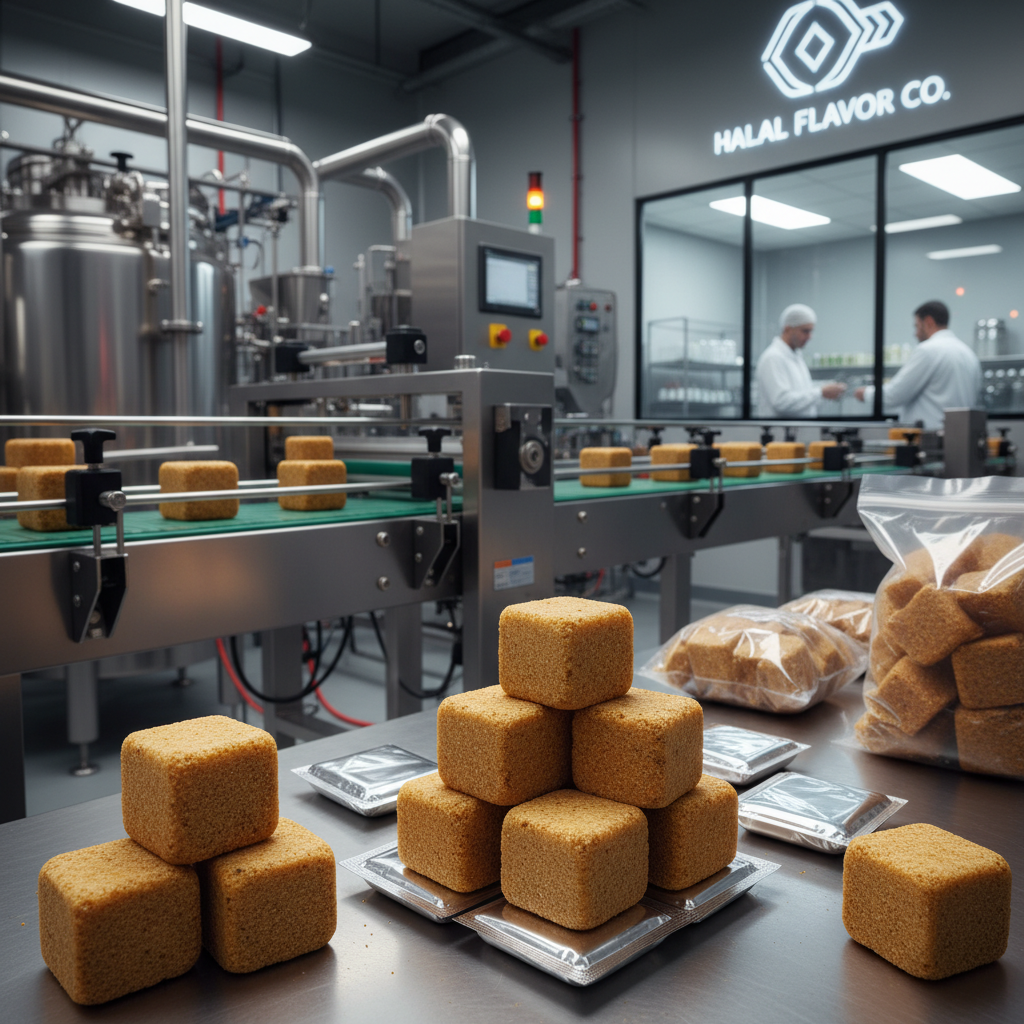
In technical terms, halal bouillon is a concentrated seasoning base—available in powder, cube, or paste form—that is produced in strict accordance with Islamic dietary laws. This means the entire lifecycle, from raw material sourcing to the final packaging, must be free from "Haram" substances. The core focus is on ensuring that any meat-based extracts used are derived from animals slaughtered according to Halal rites and that no cross-contamination occurs during the manufacturing process.
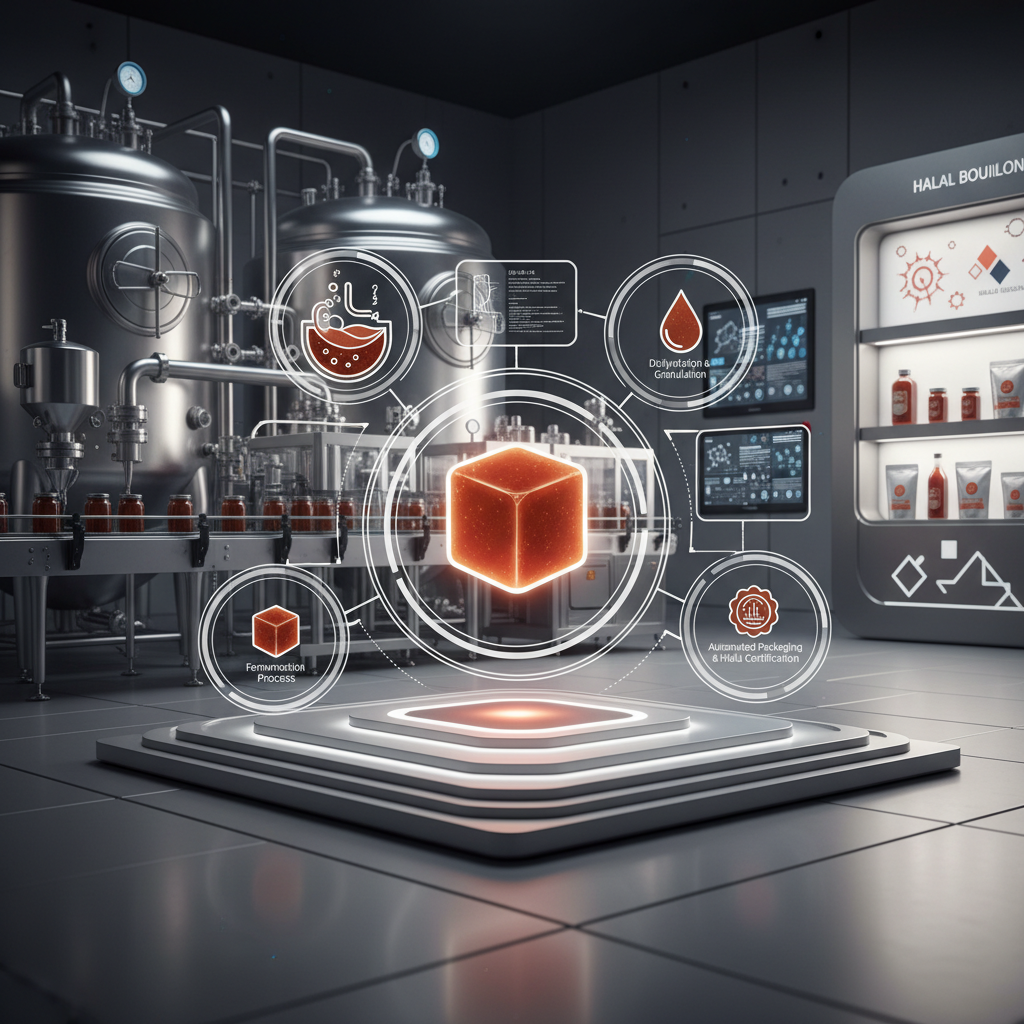
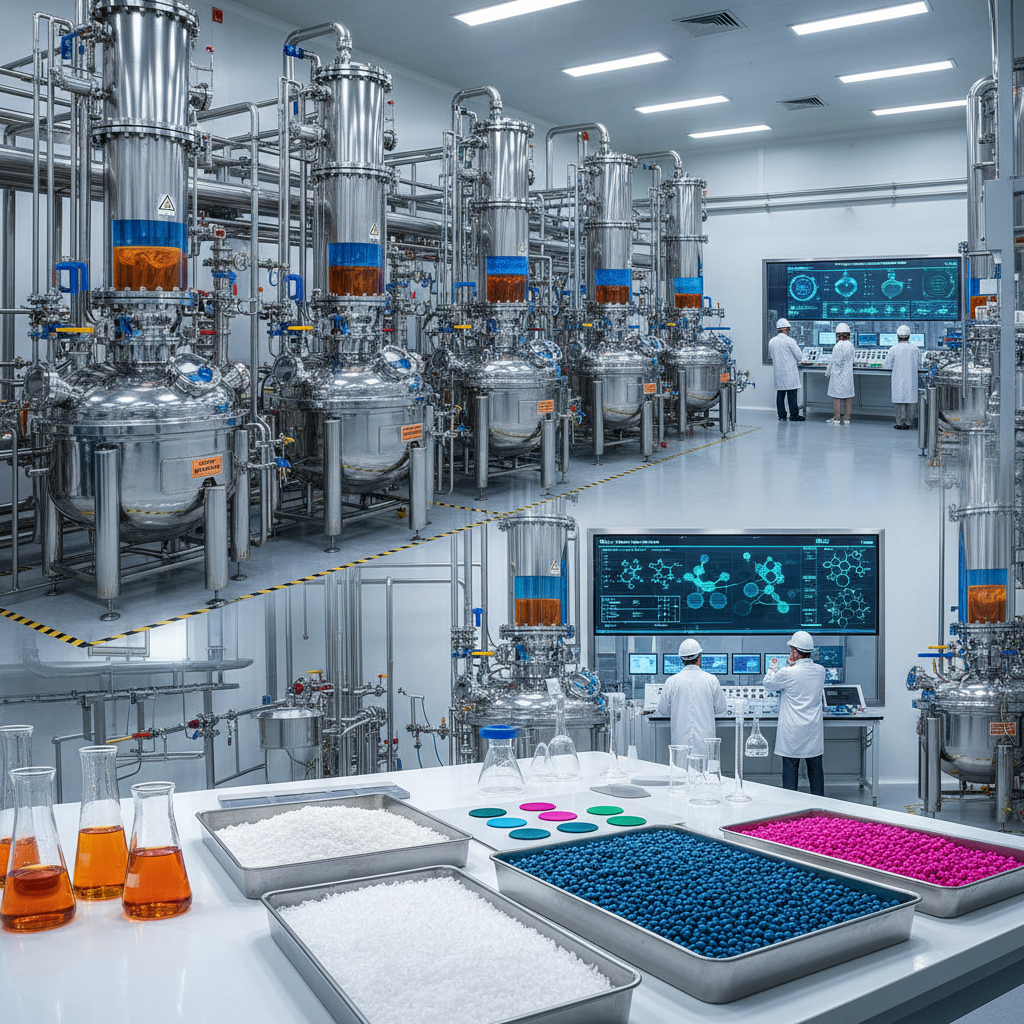
Beyond the religious definition, modern industry views this product as a high-performance food additive. It combines salt, hydrolyzed vegetable proteins, spices, and yeast extracts to mimic the complex flavor profile of slow-simmered bone broths. By utilizing advanced spray-drying and granulation technologies, manufacturers can create a halal bouillon that is not only compliant but also possesses excellent solubility and a long shelf life.
The humanitarian aspect is also significant. In global aid operations and disaster relief, providing nutritionally dense, flavor-rich, and culturally appropriate food is essential for maintaining the dignity and health of affected populations. A certified halal bouillon allows NGOs to distribute food kits that are universally acceptable in diverse geographic regions, ensuring that dietary restrictions do not hinder nutritional support.
Core Components of High-Quality Halal Seasonings
The quality of halal bouillon is determined by its "Clean Label" potential and flavor stability. Key components include high-purity salt for preservation, yeast extracts for natural umami, and a blend of botanical spices. The absence of MSG (Monosodium Glutamate) in some premium versions further enhances its appeal to health-conscious consumers who seek a natural taste profile without synthetic additives.
Scalability and cost-efficiency are critical in the production of halal bouillon. By optimizing the ratio of vegetable-based proteins to animal extracts, manufacturers can maintain a rich flavor while reducing raw material costs. This balance ensures that the final product remains affordable for mass-market distribution without compromising the strict halal integrity required for certification.
Durability is another essential factor. Because these products are often shipped internationally to humid or tropical climates, the moisture content must be strictly controlled. Using advanced anti-caking agents that are also halal-certified allows the halal bouillon to remain free-flowing and effective throughout its entire shelf life, preventing clumping and spoilage.
Practical Application and Efficiency Metrics
In industrial kitchens and food processing plants, the use of halal bouillon drastically reduces preparation time. Instead of simmering stocks for hours, chefs can achieve consistent flavor profiles in seconds. This operational efficiency is particularly valuable in the "Ready-to-Eat" (RTE) sector, where consistency across thousands of batches is the primary metric of success.
From a cost-benefit perspective, the concentration of ingredients in halal bouillon reduces shipping costs and storage space. A small amount of concentrated powder replaces large volumes of liquid broth, simplifying the logistics chain for international exporters and domestic wholesalers.
Efficiency and Quality Ratings of Halal Bouillon Variants
Global Use Cases and Regional Demands
The application of halal bouillon varies significantly by region. In Southeast Asia, particularly in Indonesia and Malaysia, it is widely used in the production of instant noodles and street food snacks, where a strong, savory profile is essential. In the Middle East, the demand focuses more on premium, authentic meat-based bouillon used in traditional stews and hospitality sectors.
Furthermore, in remote industrial zones or mining camps located in the Gulf region, halal bouillon is a staple for large-scale catering. Its ease of storage and rapid preparation make it the ideal solution for feeding thousands of workers while respecting their cultural and religious dietary requirements.
Long-Term Value and Consumer Trust
Investing in high-quality halal bouillon provides long-term value by fostering deep consumer trust. For a Muslim consumer, the Halal logo is not just a label; it is a guarantee of safety and spiritual peace. Brands that consistently provide transparent sourcing and third-party certifications create a strong emotional bond with their customers, leading to higher retention rates.
From a business perspective, the reliability of a certified supplier minimizes the risk of costly product recalls and legal disputes. In an era of heightened scrutiny, having a robust audit trail for every batch of halal bouillon ensures that the company remains compliant with international food safety standards like HACCP and ISO, alongside Halal requirements.
Ultimately, the social impact of inclusive food manufacturing cannot be overstated. By making halal bouillon accessible and high-quality, manufacturers promote diversity and inclusion in the global food chain, ensuring that no community is left behind in the quest for convenient, tasty, and healthy nutrition.
Future Innovations in Halal Additive Tech
The future of halal bouillon lies in the intersection of biotechnology and sustainability. We are seeing a shift toward plant-based "umami" enhancers derived from fermented fungi and algae, which naturally fit the halal criteria and appeal to the growing vegan and vegetarian populations. This "cross-over" appeal allows a single halal bouillon product to serve multiple dietary needs.
Digital transformation is also playing a role through Blockchain technology. Future packaging for halal bouillon may feature QR codes that allow consumers to trace the origin of the meat and the date of the Halal slaughter in real-time. This level of transparency will set a new industry standard for trust and accountability.
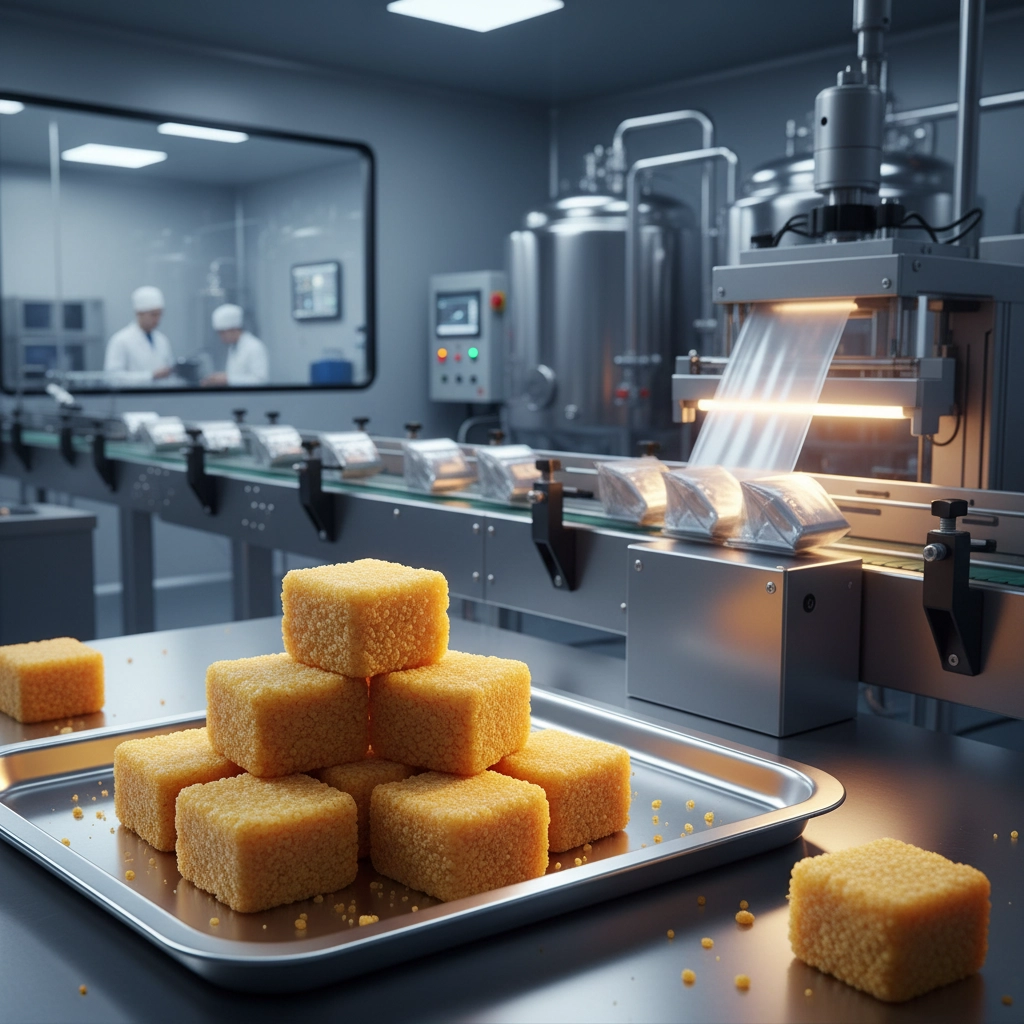
Automation in the manufacturing process is further reducing the risk of human error and cross-contamination. Smart factories utilizing AI-driven quality control can detect non-compliant particulates or anomalies in the halal bouillon production line, ensuring that every single cube or granule meets the highest possible standards of purity.
Comparative Analysis of Halal Bouillon Production Standards
| Standard Type |
Sourcing Rigor |
Certification Level |
Market Acceptance |
| Traditional Halal |
Standard Rituals |
Local Authority |
Moderate |
| Premium Halal |
Full Traceability |
International (JAKIM/MUI) |
Very High |
| Plant-Based Halal |
Vegan Sources |
Hybrid Certification |
High (Global) |
| Industrial Grade |
Bulk Sourcing |
Standard Compliance |
High (B2B) |
| Organic Halal |
Pesticide Free |
Dual Organic-Halal |
Moderate (Niche) |
| Customized Blend |
Tailored Ingredients |
Client-Specific Audit |
Very High (OEM) |
FAQS
A halal bouillon is produced without any ingredients derived from pigs (porcine) or animals not slaughtered according to Islamic law. Additionally, it must be free from alcohol-based flavorings and produced in a facility that prevents cross-contamination with non-halal products. This ensures the product is permissible for consumption by Muslims.
Not all halal bouillons are vegan, as many contain halal-certified meat extracts. However, many manufacturers now offer plant-based halal bouillon options that use vegetable proteins and yeast extracts. These are suitable for both Halal and vegan dietary requirements, making them highly versatile for global food production.
You should request a valid Halal Certificate issued by a recognized international body (such as JAKIM, MUI, or Gcertification). Ensure the certificate is current and matches the specific product batch. Reputable suppliers will also provide a full ingredient list and a flow chart of their production process to prove there is no cross-contamination.
No, halal bouillon typically has the same or even better shelf life than conventional versions. The stability depends on the moisture content and the quality of the halal-certified anti-caking agents used. When stored in a cool, dry place, concentrated powders and cubes remain stable for 12 to 24 months.
Yes, many specialized food additive manufacturers offer OEM services. They can tailor the salt levels, spice blends, and intensity of the flavor to match your brand's specific needs while ensuring the entire formulation remains strictly halal-compliant and certified.
Depending on the grade, some may contain flavor enhancers like MSG. However, there is a growing trend toward "Clean Label" halal bouillon, which replaces synthetics with natural yeast extracts and botanical spices to meet the demands of health-conscious consumers.
Conclusion
The integration of halal bouillon into the global food supply chain is more than a response to religious requirements; it is a strategic move toward a more inclusive and transparent food industry. By combining rigorous certification with advanced manufacturing technology, producers can offer a product that delivers exceptional taste, operational efficiency, and total peace of mind for millions of consumers worldwide.
Looking forward, the industry will likely shift toward sustainable, plant-based, and digitally traceable halal additives. For businesses aiming to expand their global footprint, partnering with a transparent and certified supplier of halal bouillon is the most effective way to build lasting trust and ensure market competitiveness. Visit our website for more professional solutions: www.chinaseasoning.com