In the complex landscape of global food production, glutamat de monosodiu stands as one of the most influential yet debated flavor enhancers in the industry. As a sodium salt of glutamic acid, it plays a pivotal role in achieving the "umami" taste—the savory fifth taste that bridges the gap between salty and sweet, enhancing the overall palatability of a vast array of processed foods.
Understanding the science and application of glutamat de monosodiu is essential for food manufacturers aiming to optimize product profiles while maintaining cost-efficiency. From industrial-scale snacks to sophisticated pharmaceutical intermediates, its ability to amplify naturally occurring glutamates makes it an indispensable tool in modern culinary chemistry.
Globally, the demand for high-purity flavor enhancers continues to grow, driven by the expansion of the convenient food market and the pursuit of consistent sensory experiences. By exploring the technical specifications and strategic uses of glutamat de monosodiu, stakeholders can better navigate the intersection of consumer preference, regulatory compliance, and industrial innovation.
Global Relevance of glutamat de monosodiu
The global market for glutamat de monosodiu is a multi-billion dollar industry, reflecting its ubiquity in diets across Asia, Africa, and the Americas. According to trade data and ISO standards for food additives, the consistency and purity of this compound are critical for maintaining food safety and taste uniformity across different geographical regions.
One of the primary challenges the industry addresses is the volatility of raw material costs and the need for sustainable fermentation processes. By refining the production of glutamat de monosodiu, manufacturers can provide affordable flavor solutions that enable food companies to reduce sodium intake without sacrificing the savory profile that consumers crave.
Defining the Chemical Nature of glutamat de monosodiu
At its most basic level, glutamat de monosodiu is the sodium salt of glutamic acid, an amino acid found naturally in many foods like tomatoes and aged cheeses. In an industrial context, it is typically produced through the fermentation of starches or sugar beets, resulting in a white crystalline powder that is highly soluble in water.
Its connection to modern industry extends beyond simple seasoning. Because it interacts specifically with the T1R1 and T1R3 taste receptors on the human tongue, it is used as a benchmark for savory intensity. This precision allows food scientists to calibrate flavor profiles in everything from plant-based meats to high-protein nutritional supplements.
From a humanitarian perspective, the efficiency of glutamat de monosodiu allows for the fortification of low-cost food aid packages, making nutrient-dense but bland ingredients more palatable for displaced populations in crisis zones, thereby improving caloric intake and acceptance.
Core Components and Quality Factors
The efficacy of glutamat de monosodiu is largely determined by its purity and particle size. High-grade industrial versions must ensure minimal impurities to prevent off-flavors, which is why rigorous filtration and crystallization processes are employed during manufacturing.
Scalability and solubility are key factors for food additive producers. A high-quality glutamat de monosodiu must dissolve rapidly in aqueous solutions without clumping, ensuring an even distribution of flavor across large batches of commercial soups or sauces.
Cost-efficiency remains a driving force in the procurement of glutamat de monosodiu. By optimizing the fermentation yields through biotech innovations, manufacturers can maintain a stable price point, which in turn stabilizes the cost of finished consumer goods globally.
Practical Applications and Industrial Use Cases
In real-world applications, glutamat de monosodiu is utilized far beyond the domestic kitchen. In the industrial food sector, it is a cornerstone for creating savory bases in ready-to-eat meals, where heat processing often strips away natural flavors. By adding a precise dosage, manufacturers restore the depth of flavor lost during sterilization.
Beyond food, this compound finds use in pharmaceutical intermediates and animal feed additives. In feed manufacturing, the inclusion of glutamic acid derivatives can stimulate appetite in livestock, potentially increasing growth rates and improving the overall efficiency of protein conversion in remote agricultural zones.
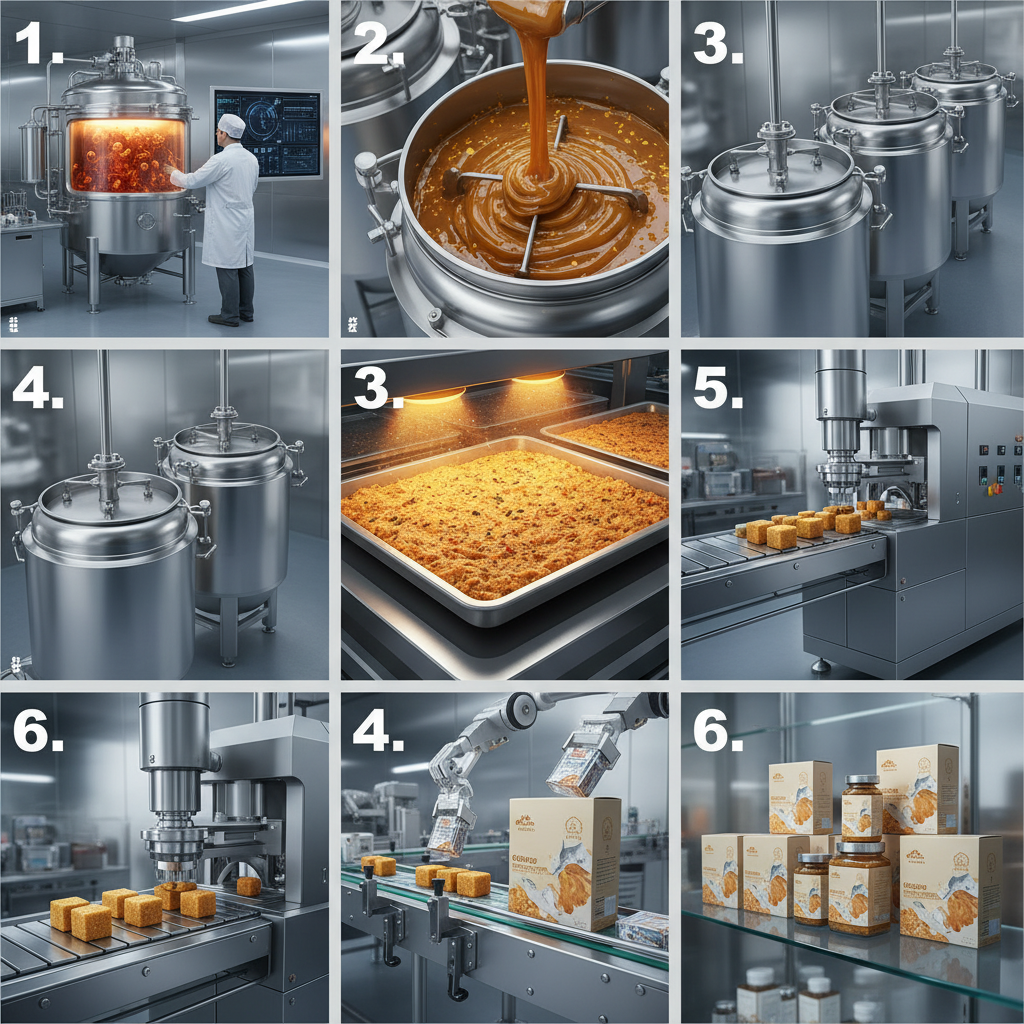
Performance Analysis of glutamat de monosodiu Production Methods
Long-Term Value and Economic Advantages
The long-term value of integrating glutamat de monosodiu into a product line lies in its ability to reduce reliance on expensive natural extracts. By utilizing a concentrated flavor enhancer, companies can achieve the same sensory impact with smaller volumes of raw ingredients, significantly lowering logistics and storage costs.
From a logical and emotional angle, the trust associated with ISO-certified glutamat de monosodiu ensures safety and reliability. Innovation in this sector is not just about taste, but about creating a sustainable food chain where flavor is accessible and affordable, fostering food security through enhanced palatability of fortified foods.
Future Trends in Flavor Enhancement
The future of glutamat de monosodiu is inextricably linked to the "Green Chemistry" movement. We are seeing a shift toward precision fermentation and the use of genetically optimized microbial strains that reduce carbon emissions and water usage during the production cycle.
Digital transformation is also playing a role, with AI-driven flavor mapping allowing manufacturers to determine the exact milligram of glutamat de monosodiu needed to balance specific ingredient profiles. This automation reduces waste and ensures a mathematically consistent taste experience across global product batches.
Furthermore, the trend toward "clean label" products is pushing the industry to develop bio-identical versions of glutamat de monosodiu derived from organic substrates, catering to a growing demographic of health-conscious consumers who demand transparency in their food additives.
Challenges and Expert Solutions
Despite its utility, glutamat de monosodiu faces persistent challenges, primarily rooted in consumer misconceptions and outdated dietary myths. The "MSG symptom complex" has historically hindered market growth in certain Western regions, despite overwhelming scientific evidence supporting its safety.
To overcome this, experts suggest a strategy of education and transparency. By rebranding the additive as "umami seasoning" and highlighting its presence in natural foods, companies can shift the narrative from a "chemical additive" to a "natural flavor amplifier."
Another technical challenge is the interaction of glutamat de monosodiu with other salts, which can sometimes lead to an overly salty profile. The solution lies in synergistic blending—combining it with ribonucleotides (like IMP and GMP) to create a powerful flavor synergy that allows for an overall reduction in total sodium content.
Comparative Analysis of glutamat de monosodiu Quality Grades and Applications
| Grade Category |
Purity Level |
Primary Application |
Performance Score (1-10) |
| Food Grade A |
> 99.5% |
Premium Snacks & Sauces |
10 |
| Industrial Grade |
98.0% - 99.0% |
Bulk Seasoning Mixes |
8 |
| Feed Grade |
95.0% - 97.0% |
Livestock Feed Additive |
7 |
| Pharma Grade |
> 99.9% |
Pharmaceutical Intermediates |
10 |
| Organic Certified |
99.0% |
Clean Label Products |
9 |
| Standard Grade |
97.0% - 98.0% |
General Food Processing |
6 |
FAQS
High-purity glutamat de monosodiu ensures that there are no residual fermentation by-products or metallic impurities. This is critical for industrial use because it prevents unwanted chemical reactions during heat processing and ensures that the final taste remains consistent across millions of units, preventing "off-notes" that could ruin a product batch.
Yes, absolutely. Because glutamat de monosodiu provides an intense savory perception (umami), it allows manufacturers to reduce the amount of sodium chloride (table salt) while maintaining a perceived saltiness. This is a key strategy for companies aiming to meet health regulations regarding sodium reduction without compromising flavor.
Modern production is increasingly sustainable. Most glutamat de monosodiu is produced via fermentation of renewable agricultural sources like corn or sugarcane. Many leading manufacturers are now implementing closed-loop water systems and utilizing the fermentation by-products as organic fertilizers, significantly reducing the environmental footprint.
To maintain its stability, glutamat de monosodiu should be stored in a cool, dry place, away from direct sunlight and moisture. Since it is hygroscopic (absorbs water from the air), using airtight packaging like moisture-proof bags or drums is essential to prevent caking and maintain the free-flowing crystalline structure.
Yes, adding glutamat de monosodiu to fortified food aid can significantly increase the acceptance of bland but nutrient-dense pastes or grains. By making the food taste more appealing, NGOs can ensure higher consumption rates among populations suffering from malnutrition, which is critical for recovery in disaster-prone areas.
Chemically, there is no difference. The glutamate in glutamat de monosodiu is identical to the glutamate found in parmesan cheese or ripe tomatoes. The only difference is that the additive version is concentrated and purified, allowing for precise control over flavor enhancement in industrial food settings.
Conclusion
In summary, glutamat de monosodiu remains a cornerstone of the global food and pharmaceutical industries due to its unparalleled ability to enhance savoriness and its economic efficiency. From its precise chemical nature as a sodium salt of glutamic acid to its diverse applications in food aid and livestock feed, the compound provides a scalable solution to the universal challenge of taste consistency and palatability.
Looking forward, the integration of green chemistry and AI-driven formulation will further refine the use of glutamat de monosodiu, making it more sustainable and targeted. For manufacturers and procurement officers, investing in high-purity, certified additives is the most reliable path toward creating products that resonate with consumers while adhering to global safety standards. Visit our website for more professional solutions: www.chinaseasoning.com