In the complex world of flavor enhancement, glutamate de monosodium stands as one of the most influential and widely utilized food additives globally. By isolating the salt of glutamic acid, the industry has unlocked the ability to consistently deliver the "umami" or savory taste, which is essential for creating satisfying food profiles across diverse cuisines. Understanding its chemical properties and application methods is crucial for food manufacturers aiming to balance cost-efficiency with high-quality sensory experiences.
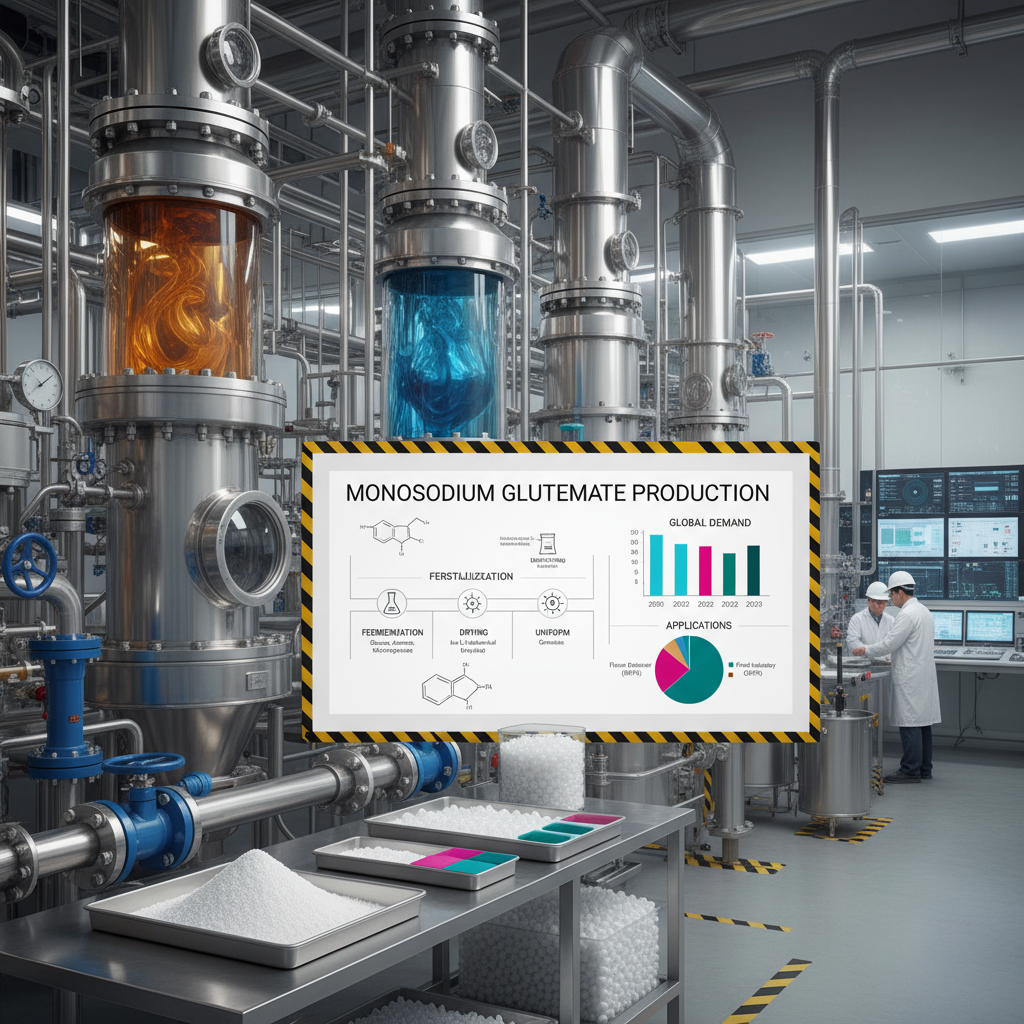
The global demand for high-purity glutamate de monosodium has surged as the processed food industry expands in emerging markets. From seasoned snacks to pharmaceutical-grade intermediates, its versatility allows it to serve multiple roles beyond simple taste enhancement, including acting as a stabilizer in certain chemical formulations. This versatility has made it a cornerstone of the modern food additive sector, bridging the gap between traditional culinary arts and industrial scale production.
Despite its ubiquity, the application of glutamate de monosodium requires a nuanced understanding of dosage and regulatory compliance to ensure consumer safety and product excellence. By leveraging advanced fermentation technologies and rigorous quality control, manufacturers can now produce variants that meet the strictest international standards. This guide explores the depth of its industrial relevance, from its chemical foundations to its future in sustainable food science.
Global Market Relevance of glutamate de monosodium
The economic footprint of glutamate de monosodium is vast, with production hubs primarily centered in Asia and North America. According to global trade data, the demand for umami-based enhancers continues to grow at a steady CAGR, driven by the rise of ready-to-eat meals and the expansion of the snack food industry. This growth is not merely quantitative but qualitative, as manufacturers move toward higher purity grades to satisfy stringent ISO and food safety regulations.
However, the industry faces a constant challenge: balancing the cost of raw materials, such as sugarcane or corn starch used in fermentation, with the volatile pricing of energy. By optimizing the microbial fermentation process, leading producers of glutamate de monosodium are reducing waste and lowering the carbon footprint of production, ensuring that the additive remains a viable and affordable solution for food producers worldwide.
Defining glutamate de monosodium in Modern Industry
At its most basic level, glutamate de monosodium is the sodium salt of glutamic acid, an amino acid found naturally in many foods like tomatoes and parmesan cheese. In an industrial context, it is produced through the fermentation of carbohydrates by bacteria such as Corynebacterium glutamicum. This process transforms a simple sugar source into a crystalline powder that can be precisely measured and integrated into large-scale food formulations.
Beyond the kitchen, this substance plays a critical role in the broader chemical and pharmaceutical landscape. As a source of glutamic acid, it serves as a precursor for various pharmaceutical intermediates, enabling the synthesis of complex organic compounds used in medicine. This dual utility makes the production of high-grade glutamate de monosodium a priority for chemical engineers focusing on biotechnology and organic synthesis.
The intersection of humanitarian needs and industrial production is evident in the use of this additive to enhance the palatability of fortified nutrient pastes used in disaster relief. By adding a small amount of glutamate de monosodium, relief organizations can ensure that essential calories and vitamins are consumed more readily by malnourished populations, proving that a simple flavor enhancer can have profound social impacts.
Core Components and Chemical Factors
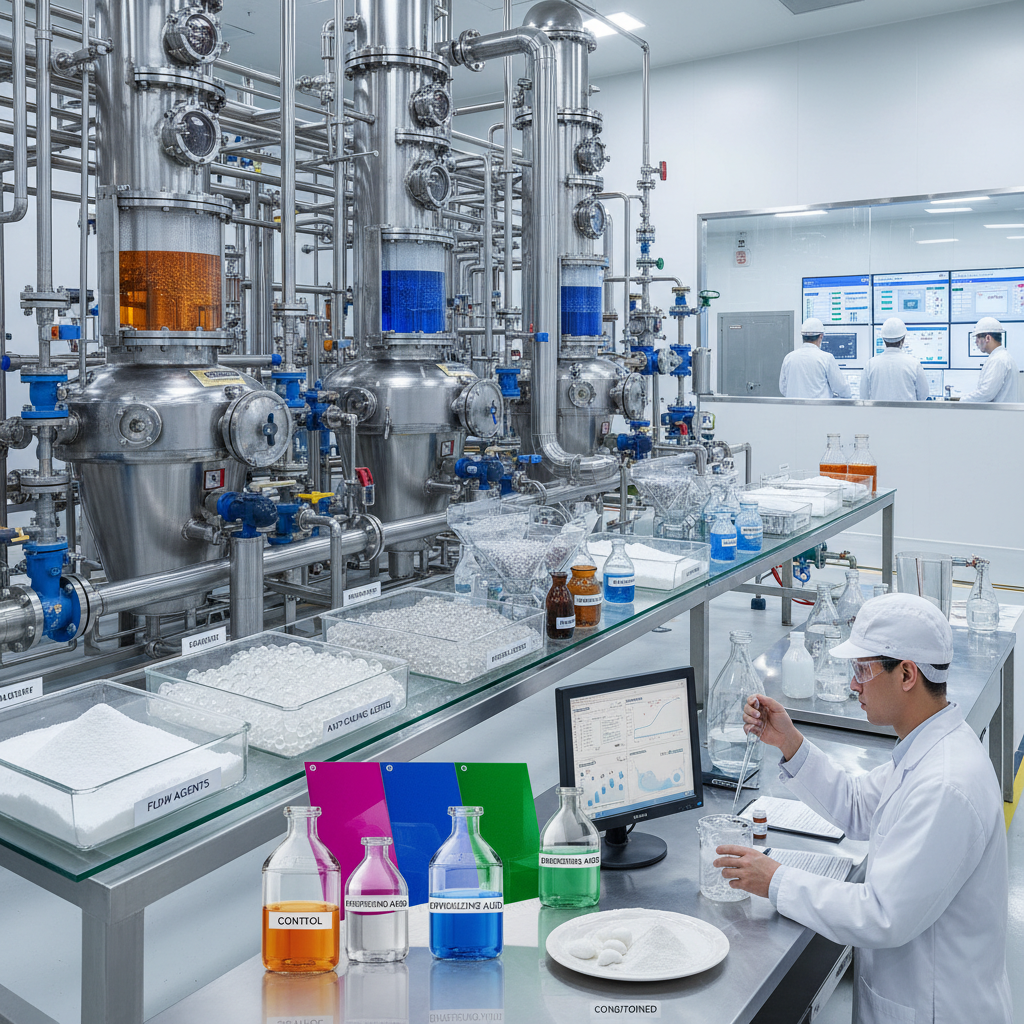
The efficacy of glutamate de monosodium is largely determined by its purity and crystalline structure. High-purity crystals ensure rapid dissolution in aqueous solutions, which is critical for maintaining a uniform flavor distribution in mass-produced sauces and soups. Impurities can lead to off-flavors or inconsistent salt levels, which can compromise the overall quality of the final food product.
Another critical factor is the solubility and pH stability of glutamate de monosodium. Because it remains stable across a wide range of processing temperatures, it is ideal for canning and pasteurization processes where other flavorings might degrade. This thermal stability ensures that the savory profile remains intact from the factory to the consumer's table.
From a cost-efficiency perspective, the synergy between glutamate de monosodium and other sodium salts is a key focus of R&D. By using it in conjunction with other flavor enhancers, manufacturers can achieve the same taste intensity with lower overall sodium levels, addressing the growing consumer demand for healthier, low-sodium food options without sacrificing taste.
Industrial Efficiency and Scalability
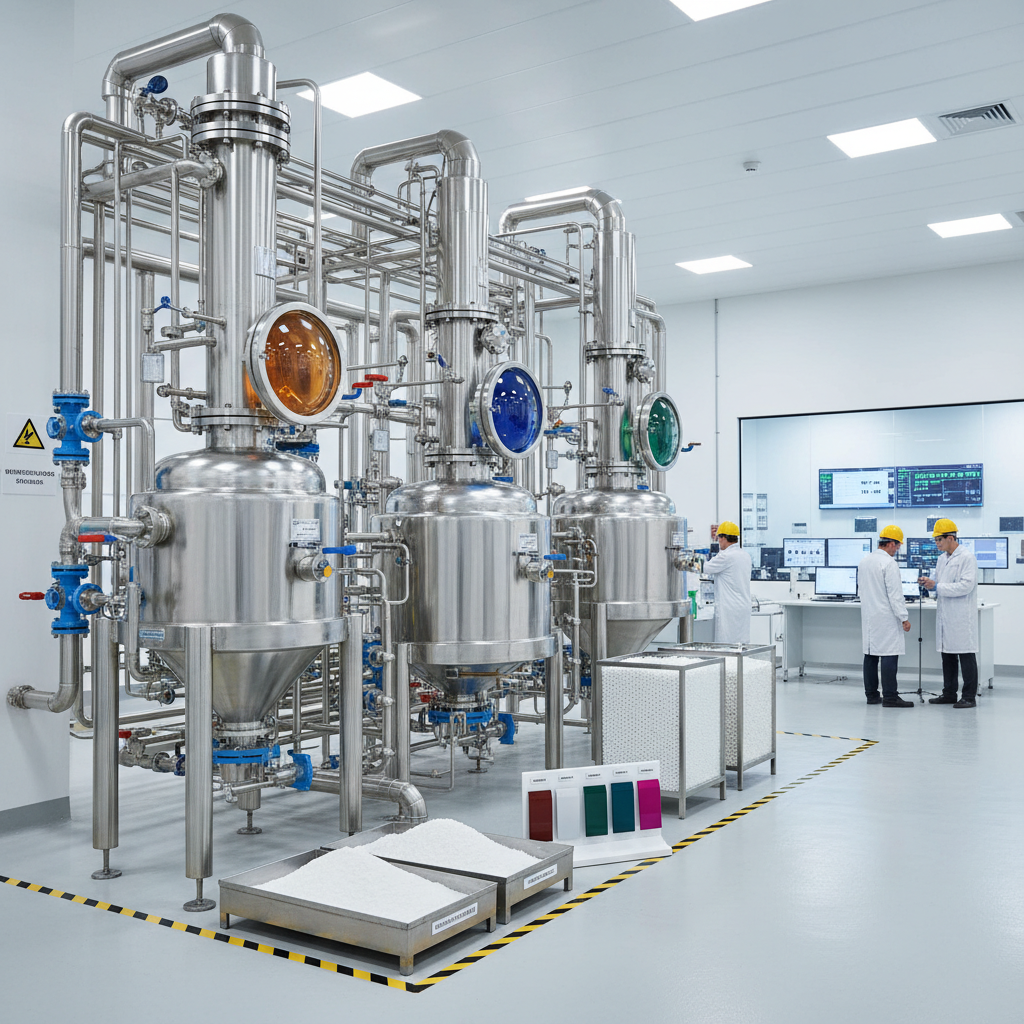
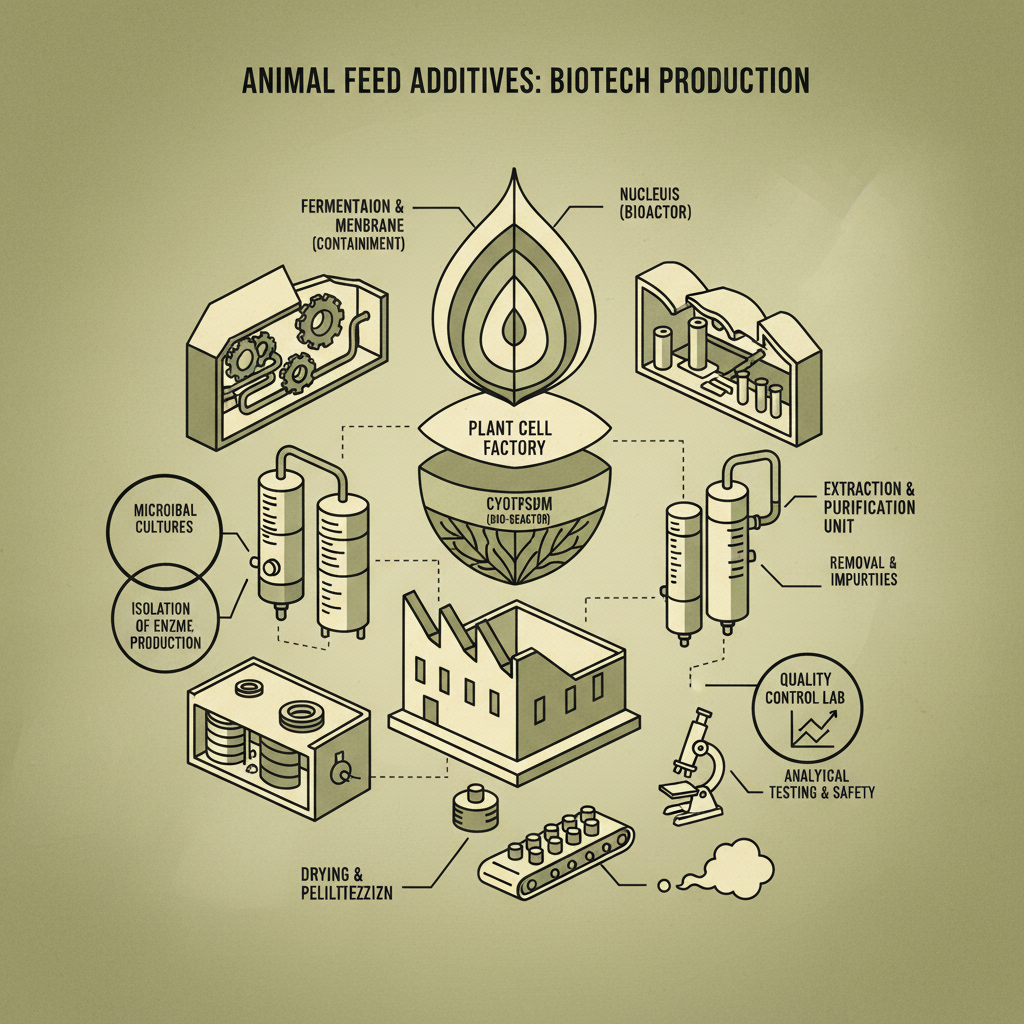
The scalability of glutamate de monosodium production is a marvel of modern bio-engineering. The shift from traditional batch fermentation to continuous fermentation processes has allowed for a massive increase in output while reducing the variance between lots. This stability is essential for global brands that require the exact same flavor profile in every single unit sold across different continents.
Furthermore, the integration of automated crystallization and drying systems has minimized human error and contamination. By utilizing closed-loop systems, producers can now maintain a sterile environment that exceeds GMP standards, ensuring that glutamate de monosodium is safe for use in both the food additive and pharmaceutical intermediate categories.
Comparison of Production Efficiency for glutamate de monosodium
Global Applications and Use Cases
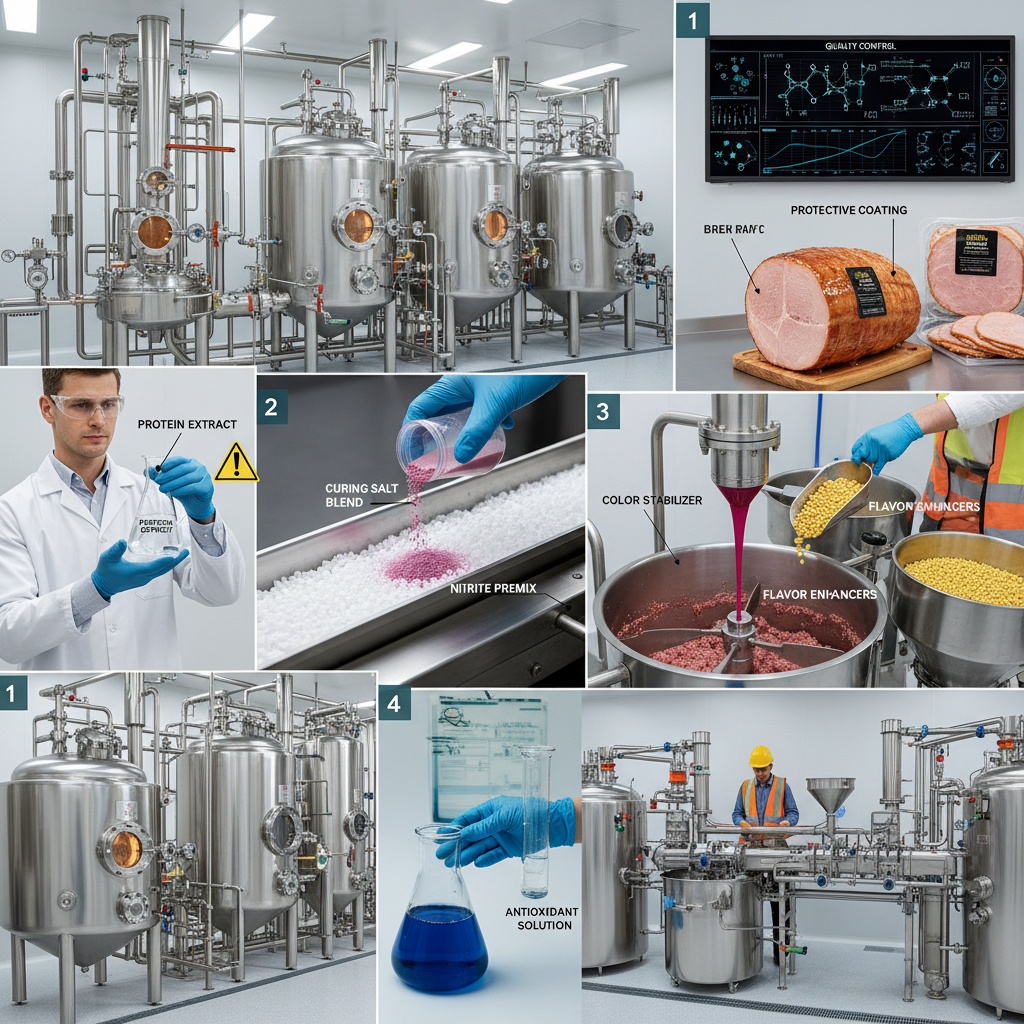
In the food industry, the primary application of glutamate de monosodium is as a flavor booster in savory products. In Southeast Asia, it is a staple in street food and commercial sauces, while in the West, it is increasingly found in processed meats and frozen dinners. Its ability to mask bitterness and enhance the natural flavors of proteins makes it indispensable for meat-alternative products, such as plant-based burgers, where achieving a "meaty" taste is a significant technical hurdle.
Beyond food, the pharmaceutical industry utilizes glutamate de monosodium as a raw material for the synthesis of specialized amino acid derivatives. In remote industrial zones where nutrition is scarce, it is also added to food supplements to increase caloric intake by making nutrient-dense but bland foods more appealing to the palate, thereby improving the overall health outcomes of the local population.
Long-Term Value and Sustainability
The long-term value of glutamate de monosodium lies in its efficiency. Because it is potent in small quantities, it reduces the need for excessive amounts of other, more expensive flavorings or high levels of sodium chloride. This not only lowers production costs for manufacturers but also allows for the creation of more balanced flavor profiles that appeal to a global audience.
From a sustainability standpoint, the shift toward using agricultural waste—such as corn stover or molasses—as the feedstock for fermentation has turned glutamate de monosodium production into a model of the circular economy. By converting waste into a high-value additive, the industry is reducing its reliance on virgin crops and decreasing the environmental impact of food manufacturing.
Moreover, the reliability of the supply chain for glutamate de monosodium provides a sense of security for food processors. With standardized purity levels and established global logistics, companies can scale their operations quickly, knowing that their core taste components will remain consistent regardless of where the final product is assembled.
Future Trends and Technological Innovations
The future of glutamate de monosodium is being shaped by the digital transformation of the manufacturing sector. The implementation of AI-driven fermentation monitoring allows producers to adjust temperature, pH, and oxygen levels in real-time, maximizing the yield of glutamic acid and reducing energy consumption. This precision farming approach to additive production is setting new benchmarks for efficiency.
Another emerging trend is the development of "green" glutamate de monosodium, produced through genetically modified microorganisms that require fewer nutrients and produce fewer by-products. These innovations are aligned with global sustainability goals, aiming to create a carbon-neutral production cycle that maintains the high performance the industry expects.
Finally, we are seeing a move toward "clean label" innovations, where glutamate de monosodium is integrated into natural yeast extracts or mushroom powders. This allows brands to provide the same umami benefit while appealing to consumers who prefer ingredients listed as "natural extracts" rather than chemical names, effectively evolving the product to meet changing consumer psychology.
Comparative Analysis of glutamate de monosodium Production Standards
|
Production Grade
|
Purity Level (%)
|
Primary Application
|
Stability Rating (1-10)
|
|
Industrial Grade
|
98.5%
|
Bulk Seasonings
|
7
|
|
Food Grade (Standard)
|
99.2%
|
Processed Foods
|
8
|
|
Premium Food Grade
|
99.8%
|
High-end Gourmet
|
9
|
|
Pharmaceutical Grade
|
99.9%
|
Intermediates
|
10
|
|
Organic-Certified
|
99.0%
|
Natural-Label
|
8
|
|
Feed Grade
|
97.0%
|
Animal Nutrition
|
6
|
FAQS
The primary difference lies in the purity level and the rigorousness of the purification process. Pharmaceutical grade glutamate de monosodium undergoes multiple crystallization cycles to remove trace impurities and adheres to GMP (Good Manufacturing Practices) standards, making it suitable for synthesis in medicine. Industrial grade is optimized for cost-efficiency and is perfectly safe and effective for broad food applications, but it may have slightly lower purity levels (around 98-99%).
While glutamate de monosodium is primarily used for flavor, its stability contributes to the consistency of the product over time. It does not act as a preservative in the traditional sense, but because it is highly stable under varying temperatures and pH levels, the savory profile of the food remains unchanged throughout its shelf life, preventing the "flavor fade" often seen with natural extracts.
Yes, modern production is increasingly sustainable. Many manufacturers now use a "circular" approach, utilizing molasses from sugar refining or corn steep liquor as a fermentation substrate. Additionally, new energy-efficient drying technologies and AI-optimized fermentation cycles are significantly reducing the carbon footprint per kilogram of glutamate de monosodium produced.
Absolutely. Because glutamate de monosodium provides a powerful umami hit, it can enhance the perceived saltiness of a product. This allows food scientists to reduce the amount of sodium chloride (table salt) used in a recipe without sacrificing the savory intensity, helping brands meet health guidelines for lower sodium intake.
To maintain its purity and prevent clumping, bulk glutamate de monosodium should be stored in a cool, dry place, away from direct sunlight and strong odors. Since it is hygroscopic (absorbs moisture from the air), moisture-proof packaging such as multi-wall paper bags with PE liners is recommended to ensure the product remains free-flowing and stable.
NGOs can import glutamate de monosodium by partnering with certified suppliers who provide all necessary COA (Certificate of Analysis) and MSDS (Material Safety Data Sheets) documentation. Ensuring the product meets the destination country's food safety standards is key. Many suppliers offer specialized packaging and logistics support to facilitate delivery to remote or disaster-affected regions.
Conclusion
Throughout this analysis, we have seen that glutamate de monosodium is far more than a simple kitchen additive; it is a sophisticated product of biotechnology that supports global food security, pharmaceutical advancement, and industrial efficiency. By balancing high purity, cost-effectiveness, and an evolving commitment to sustainability, it continues to be an essential tool for manufacturers seeking to deliver consistent, high-quality savory experiences to consumers worldwide.
Looking ahead, the integration of AI and green chemistry will further refine the production of glutamate de monosodium, ensuring it remains compatible with a future focused on health and environmental responsibility. For companies looking to optimize their flavor profiles or source high-purity intermediates, investing in quality-certified additives is the surest path to long-term market success. Visit our website: www.chinaseasoning.com