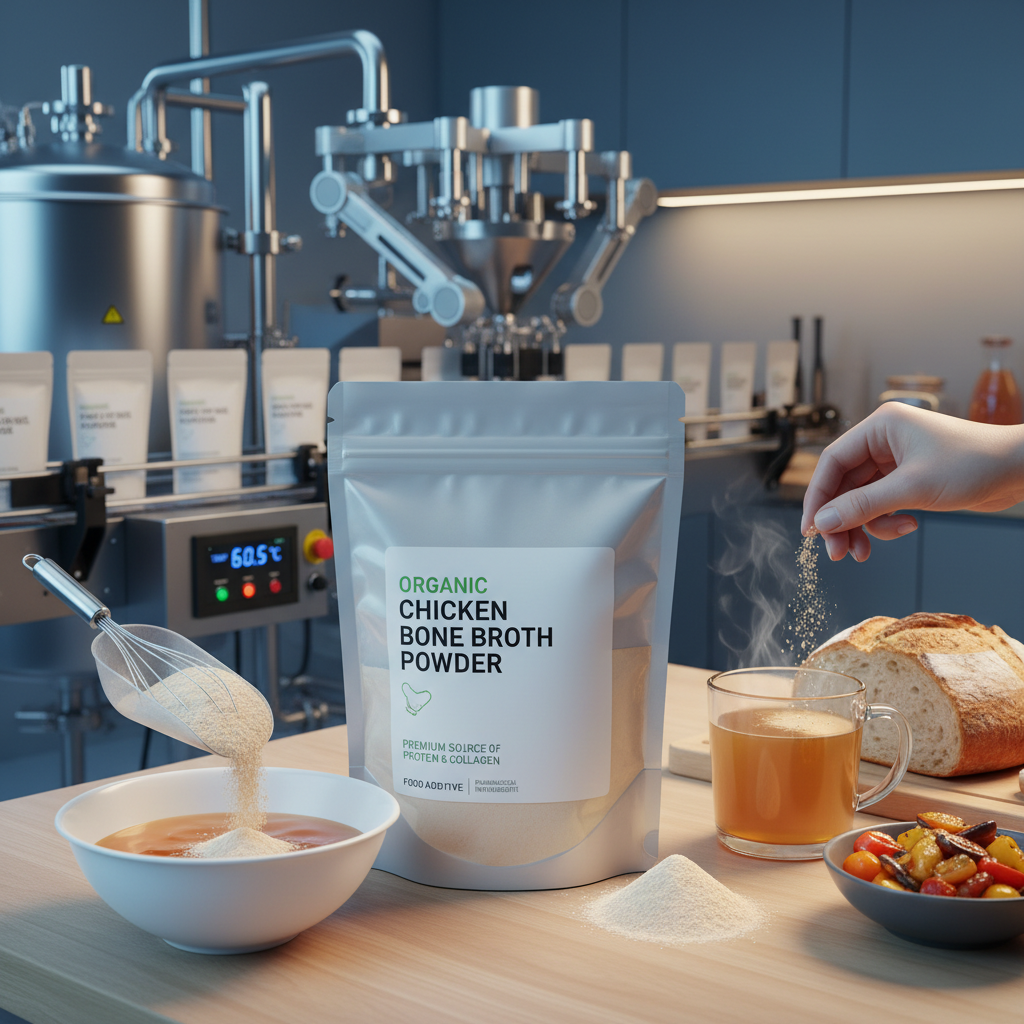
When exploring the essentials of modern pantry staples, one common question arises: what is a chicken bouillon cube? Essentially, it is a dehydrated, concentrated burst of savory chicken flavor, compressed into a small square for convenience, longevity, and consistent taste. From home kitchens to industrial food processing, these cubes have revolutionized how we add depth to soups, stews, and sauces without the need for hours of simmering raw bones.
Understanding the composition and utility of bouillon cubes is crucial for both culinary enthusiasts and professionals in the food additive industry. By blending salt, flavor enhancers, and dehydrated chicken extracts, these cubes provide a standardized taste profile that ensures quality control across different batches of food. This efficiency is why they remain a global favorite, bridging the gap between traditional slow-cooking and the fast-paced demands of contemporary gastronomy.
Beyond mere convenience, the science behind what is a chicken bouillon cube involves complex food chemistry, including the use of stabilizers and flavor carriers. As global food security and the demand for affordable, nutrient-dense flavorings increase, the role of concentrated additives like bouillon becomes even more significant. Whether used in a simple home meal or as a base for large-scale catering, these cubes represent the pinnacle of food additive engineering.
The Global Impact of Chicken Bouillon Cubes
In the landscape of global food manufacturing, the ubiquity of bouillon cubes is a testament to the need for standardized flavor. According to industry trends, the demand for concentrated seasonings has surged in developing regions where fresh stock production is time-consuming or resource-heavy. By providing a shelf-stable alternative, these cubes ensure that high-quality savory profiles are accessible regardless of geographic location or infrastructure.
The economic impact is equally significant. By reducing the waste associated with fresh meat production and extending the lifespan of chicken-flavored bases, manufacturers can lower costs and pass those savings to the consumer. This makes what is a chicken bouillon cube not just a culinary tool, but a vital component of global food accessibility and industrial efficiency.
Defining the Essence of Bouillon Concentrates
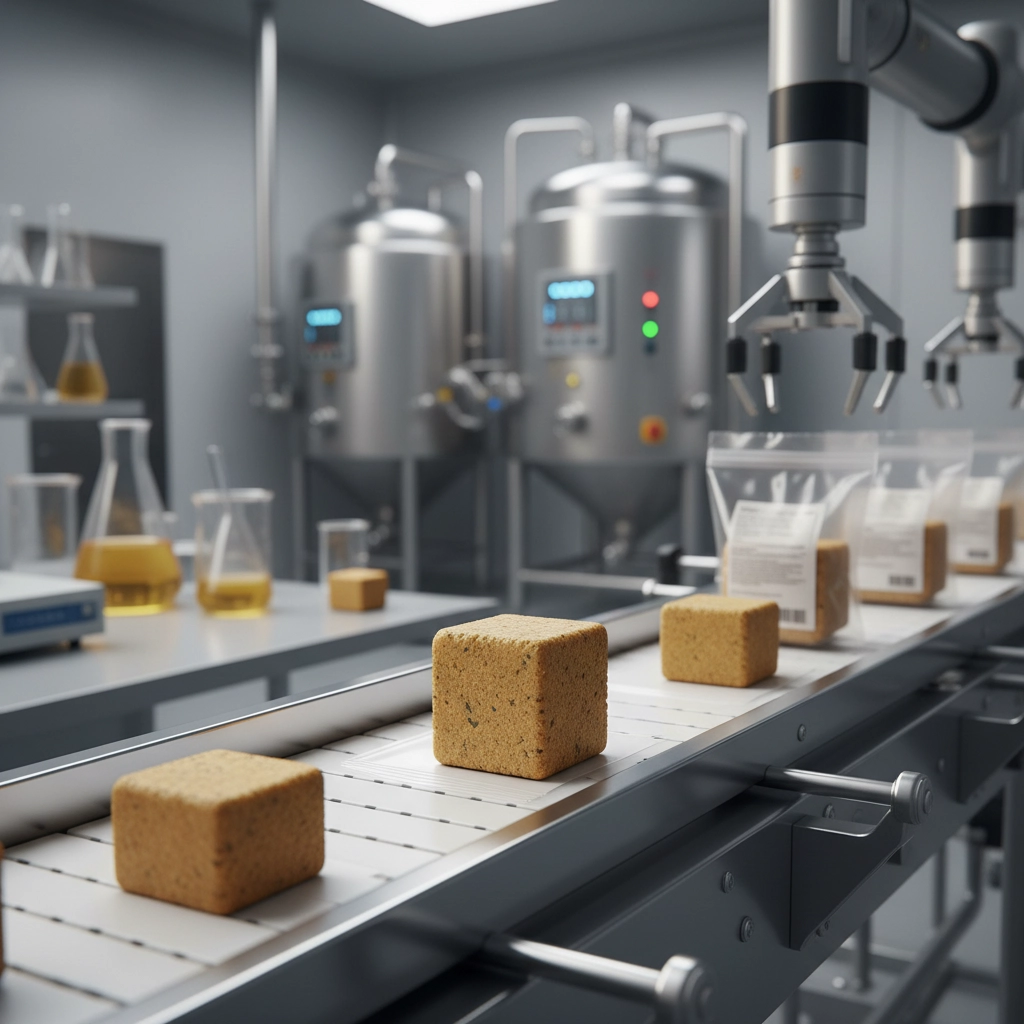
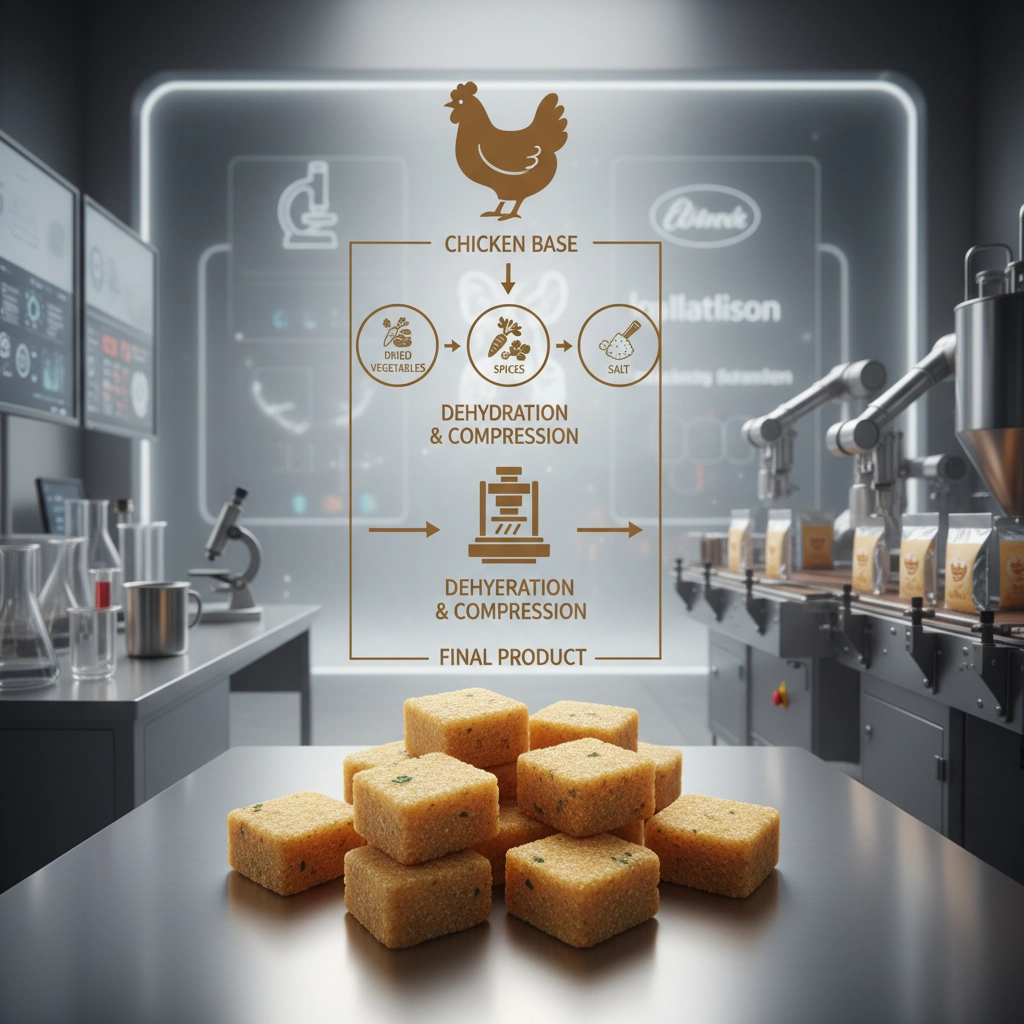
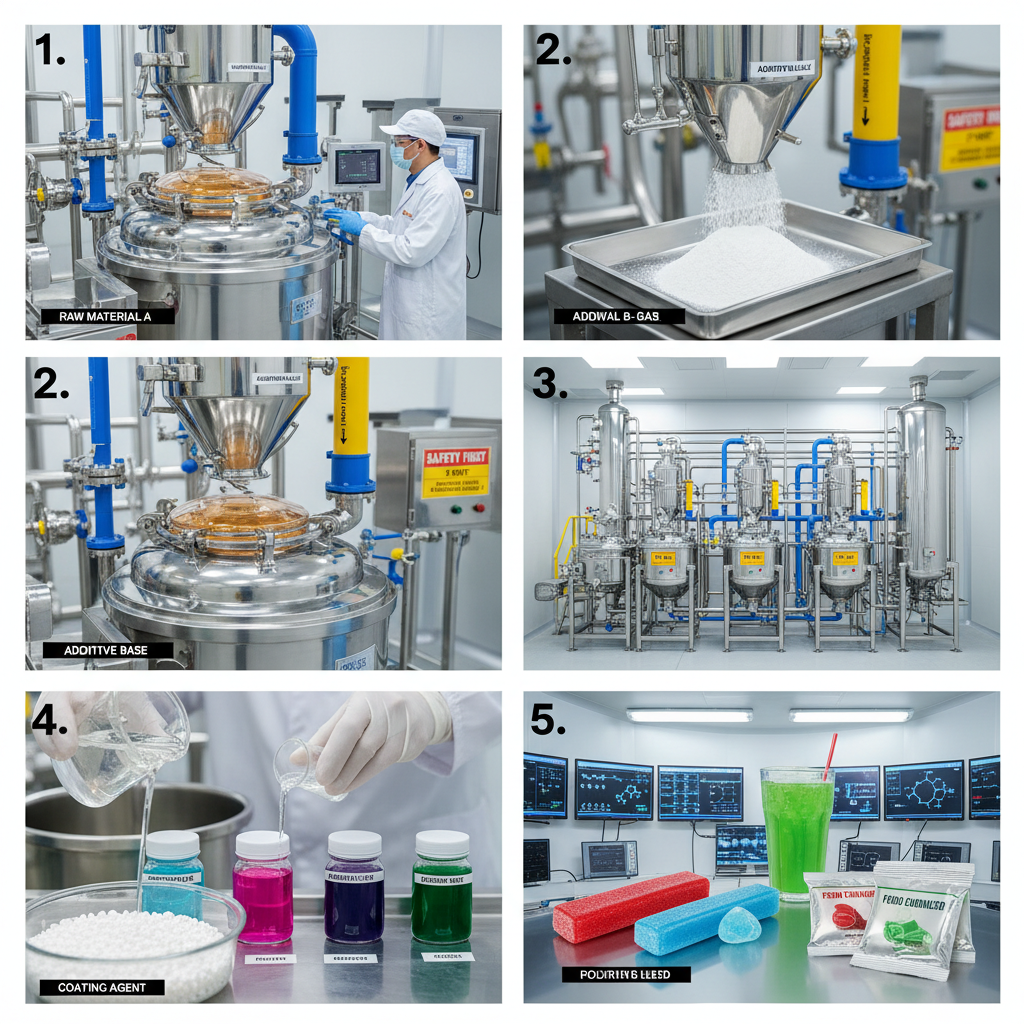
To truly answer what is a chicken bouillon cube, we must look at it as a precision-engineered food product. It is a dehydrated blend of chicken stock, salt, fats, and various seasonings that have been compressed into a solid form. This process removes moisture, which is the primary cause of spoilage, allowing the product to remain viable for months or even years without refrigeration.
From an industrial perspective, it is a "flavor delivery system." The goal is to encapsulate the complex "umami" taste—the savory fifth taste—into a portable format. This involves using a combination of natural chicken extracts and additive enhancers like Monosodium Glutamate (MSG) or yeast extracts to mimic the depth of a slow-simmered pot of chicken bones and vegetables.
In modern humanitarian contexts, these cubes are indispensable. In disaster relief or refugee camps, where fresh ingredients are scarce, bouillon cubes provide an essential source of flavor and salt, making bland grains and legumes more palatable and psychologically comforting for displaced populations.
Core Components and Chemical Composition
The fundamental structure of what is a chicken bouillon cube relies on a precise balance of salts and proteins. Salt acts not only as a flavor agent but as a preservative and a binding agent that helps the cube maintain its shape during the compression process.
Furthermore, the "chicken" element is typically derived from a combination of chicken fat (for mouthfeel) and chicken powder or hydrolyzed vegetable proteins (for taste). These components are blended with herbs like parsley or celery seed to create a multi-dimensional aromatic profile that stimulates the senses.
Finally, the use of anti-caking agents and stabilizers ensures that the cube does not absorb moisture from the air. This chemical stability is what allows the manufacturer to guarantee a consistent dissolve rate when the cube is added to boiling water, ensuring a uniform broth every single time.
Efficiency and Cost-Effectiveness in Production
The production efficiency of what is a chicken bouillon cube far exceeds that of liquid stocks. Dehydration drastically reduces the volume and weight of the product, which leads to massive savings in logistics, shipping, and warehousing. A single pallet of cubes can replace thousands of liters of liquid broth, reducing the carbon footprint of transportation.
For the end-user, the cost-per-serving is remarkably low. By using concentrated additives and optimized processing techniques, companies can produce a high-impact flavor profile at a fraction of the cost of organic, whole-food alternatives.
Comparative Performance of Bouillon Formats
Diverse Global Applications and Use Cases
The application of what is a chicken bouillon cube spans across various culinary traditions. In West African cuisine, for instance, bouillon cubes are a cornerstone of many traditional dishes, providing a consistent salt and umami base for stews. In Southeast Asia, they are often used to enhance the flavor of stir-fries and noodle soups, allowing street food vendors to maintain speed and quality.
Beyond the home, these cubes are critical in the "ready-to-eat" (RTE) food industry. Many instant noodle manufacturers use the granulated version of bouillon cubes to create flavor packets that rehydrate instantly. This integration of food additives allows for the mass production of meals that taste authentic while remaining affordable for millions of people worldwide.
Long-term Value and Sustainability
The long-term value of bouillon cubes lies in their ability to reduce food waste. By using concentrated extracts, manufacturers can utilize parts of the chicken that might otherwise be discarded, converting them into a high-value additive. This aligns with the principles of a circular economy, where raw materials are maximized for utility.
Furthermore, the reliability of these products provides a sense of security for the consumer. In an era of volatile food prices, the stability of bouillon costs ensures that basic flavor enhancers remain accessible to low-income households, promoting food dignity and nutritional enjoyment.
From a logistical standpoint, the sustainability of what is a chicken bouillon cube is found in its low water footprint during transport. Unlike liquid stocks, which are primarily water, the cube is pure concentrate, meaning less fuel is spent moving water across oceans.
Future Trends in Flavor Additives
The future of what is a chicken bouillon cube is shifting toward "clean label" initiatives. Consumers are increasingly demanding the removal of synthetic additives, leading manufacturers to innovate with natural fermentation and yeast-based umami enhancers. The goal is to maintain the convenience of the cube while simplifying the ingredient list.
Automation in the manufacturing process is also playing a huge role. AI-driven flavor profiling is allowing companies to create "region-specific" bouillon cubes that cater to the exact palate of a specific country, adjusting salt levels and aromatic profiles based on local data.
Additionally, the rise of plant-based diets has led to the development of "vegan chicken" bouillon. These use advanced plant proteins and mushroom extracts to replicate the exact sensory experience of a traditional chicken cube, expanding the market reach to a whole new demographic of health-conscious consumers.
Comparative Analysis of Bouillon Evolution Trends
|
Innovation Era
|
Key Ingredient Focus
|
Consumer Priority
|
Market Reach
|
| Traditional |
Salt & Chicken Fat |
Basic Taste |
Local Markets |
| Industrial Expansion |
MSG & Stabilizers |
Consistency |
Global Export |
| Clean Label Era |
Natural Extracts |
Health/Safety |
Urban Middle Class |
| Plant-Based Shift |
Yeast & Mushrooms |
Ethics/Veganism |
Global Youth |
| Smart Nutrition |
Fortified Vitamins |
Functional Health |
Wellness Market |
| Hyper-Localized |
Regional Spices |
Cultural Authenticity |
Niche Ethnic |
FAQS
A chicken bouillon cube is typically composed of salt, dehydrated chicken stock or powder, flavor enhancers like MSG or yeast extract, hydrogenated oils (for texture), and sometimes sugar or herbs. These ingredients are combined and compressed to create a shelf-stable, concentrated flavor block that dissolves easily in hot water.
While they offer unmatched convenience, bouillon cubes are generally higher in sodium than homemade stocks. For those monitoring salt intake, it is recommended to use them sparingly or look for "low-sodium" versions. However, they provide a consistent flavor profile that is highly efficient for large-scale cooking.
Due to the removal of water and the high salt content, bouillon cubes have an impressive shelf life, often lasting 12 to 24 months. To maintain quality, they should be stored in a cool, dry place in an airtight container to prevent them from absorbing humidity and clumping.
Absolutely. They are excellent for seasoning rice, quinoa, mashed potatoes, or as a base for pan sauces. You can crumble the cube directly into the food or dissolve it in a small amount of water first to ensure an even distribution of flavor throughout the dish.
The core ingredients are usually the same, but the form differs. Cubes are compressed and provide a pre-measured dose, which is convenient for home cooking. Powders offer more flexibility in dosing and typically dissolve slightly faster, making them a preferred choice for industrial food production.
For industrial needs, it is best to partner with a certified food additive manufacturer that adheres to ISO and food safety standards. Look for suppliers who offer customizable flavor profiles and transparent ingredient sourcing to ensure your final product meets local regulatory requirements.
Conclusion
In summary, exploring what is a chicken bouillon cube reveals a sophisticated intersection of food science, logistics, and culinary tradition. From its core composition of salts and proteins to its global application in both luxury and emergency food supplies, the bouillon cube serves as a vital tool for flavor standardization. Its ability to provide high-impact umami taste with minimal waste and cost makes it an indispensable asset in the modern food industry.
Looking forward, the evolution of bouillon concentrates will likely be driven by the demand for cleaner, plant-based, and nutritionally fortified options. As manufacturers embrace green technology and AI-driven flavor tailoring, the humble bouillon cube will continue to adapt, ensuring that delicious, savory meals remain accessible to everyone, everywhere. For professional-grade food additives and seasoning solutions, we invite you to visit our website: www.chinaseasoning.com