In the complex landscape of global food production, mono natrium glutamate stands as one of the most misunderstood yet essential components of the modern flavor industry. As a salt of glutamic acid, it is designed to enhance the "umami" or savory taste, providing a depth of flavor that is naturally found in foods like aged cheeses and ripened tomatoes, making it a cornerstone for food manufacturers seeking consistency and taste optimization.
The global demand for high-quality taste enhancers has surged as urban populations grow and the demand for convenient, pre-packaged meals increases. Understanding the chemical properties and industrial applications of mono natrium glutamate is crucial for stakeholders in the food additive, feed additive, and pharmaceutical sectors, as it allows for the precise calibration of sensory profiles while maintaining cost-efficiency.
Beyond simple taste enhancement, the strategic use of this additive addresses the challenge of nutritional palatability, especially in medical foods and animal feed. By leveraging the scientific principles of taste reception, producers can create products that are not only delicious but also encourage consumption in demographics where appetite is a critical hurdle, thereby enhancing overall nutritional intake on a global scale.
Global Context and Industrial Relevance of Mono Natrium Glutamate
On a global scale, the adoption of mono natrium glutamate is deeply intertwined with the evolution of the processed food industry. With the rise of fast-moving consumer goods (FMCG), manufacturers have relied on this additive to standardize flavor profiles across different geographic regions, ensuring that a product tastes the same in Tokyo as it does in New York. Market data indicates a steady growth in the umami-enhancer sector, driven largely by the Asia-Pacific region's culinary traditions and the expanding pharmaceutical intermediate market.
The industrial relevance extends beyond mere taste; it is about the efficiency of nutrient delivery. In the context of feed additives, the inclusion of glutamate-based compounds can improve the palatability of livestock feed, leading to better growth rates and healthier animals. This intersection of food science and agricultural efficiency makes the compound a vital tool for ensuring global food security and optimizing the supply chain of proteins.
Defining Mono Natrium Glutamate in Modern Manufacturing
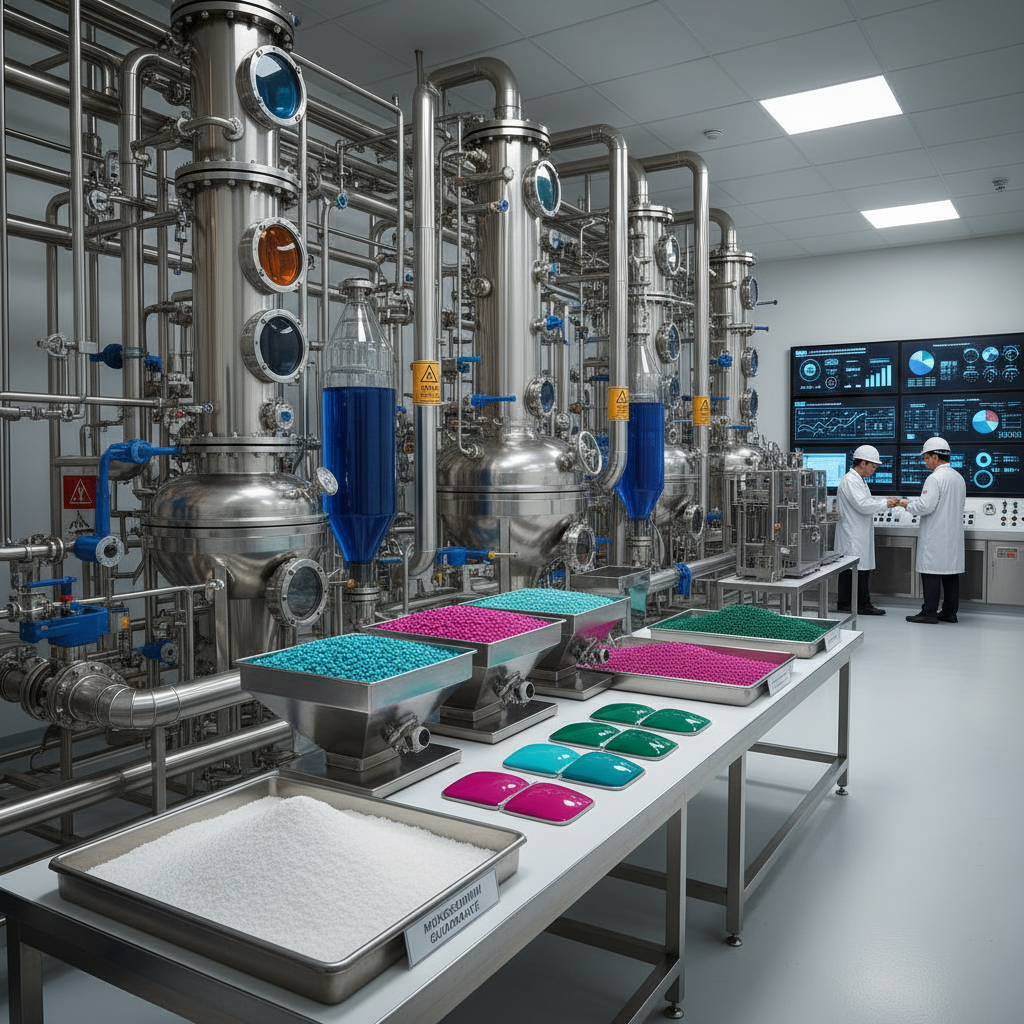
In simple scientific terms, mono natrium glutamate is the sodium salt of glutamic acid, an amino acid that occurs naturally in many protein-rich foods. In the manufacturing environment, it is produced primarily through the fermentation of starch or sugar beets using specific bacterial strains. This biotechnical process allows for the mass production of a highly pure crystalline powder that can be easily integrated into various liquid or dry formulations.
From an industrial perspective, this compound is more than just a seasoning; it is a functional tool used to modulate the perception of other tastes, such as bitterness or acidity. By triggering the umami receptors on the human tongue, it creates a sensation of fullness and richness, which reduces the need for excessive salt (sodium chloride) or sugar in recipes. This makes it a critical asset for companies aiming to create "healthier" profiles without sacrificing the consumer's sensory experience.
Moreover, its role as a pharmaceutical intermediate highlights its versatility. The purity levels required for medical applications demand rigorous quality control and adherence to ISO and GMP standards. Whether it is used to stabilize a formulation or serve as a precursor to other chemical syntheses, the compound embodies the synergy between biotechnology and industrial chemistry, meeting the humanitarian need for affordable, high-quality nutritional supplements.
Core Components and Technical Factors
The effectiveness of mono natrium glutamate is governed by its solubility and purity. In industrial applications, the particle size and moisture content are critical factors; a consistent crystalline structure ensures that the additive dissolves evenly in large-scale batches, preventing "hot spots" of flavor that could ruin a production run of thousands of liters.
Cost efficiency remains a primary driver for the widespread use of mono natrium glutamate. Compared to extracting natural umami from expensive ingredients like dried shiitake mushrooms or aged parmesan, the fermented powder provides a scalable and economically viable alternative. This allows manufacturers to maintain a low price point for the end consumer while delivering a premium taste profile.
Scalability and stability are the final pillars of its technical appeal. The compound is remarkably stable under various temperature conditions, meaning it does not degrade during the high-heat processes of sterilization or baking. This reliability ensures that the sensory characteristics of the final product remain intact from the factory floor to the consumer's table, regardless of the logistics chain.
Global Applications and Real-World Use Cases
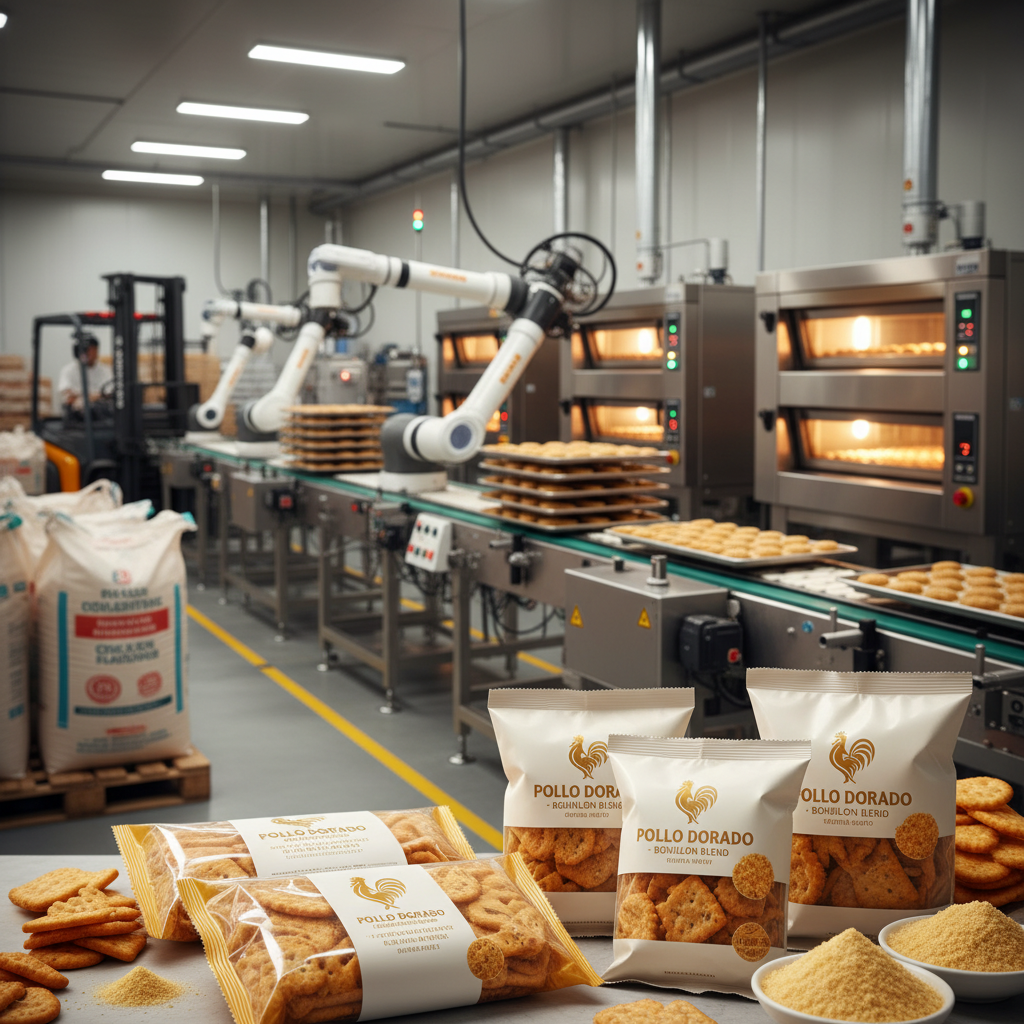
The application of mono natrium glutamate spans across diverse industries. In the food sector, it is ubiquitous in savory snacks, instant noodles, and frozen dinners. For instance, in the massive scale of the East Asian food market, it is utilized to create the foundational "base" for soups and sauces, providing a consistent savory backbone that supports a wide array of regional spices.
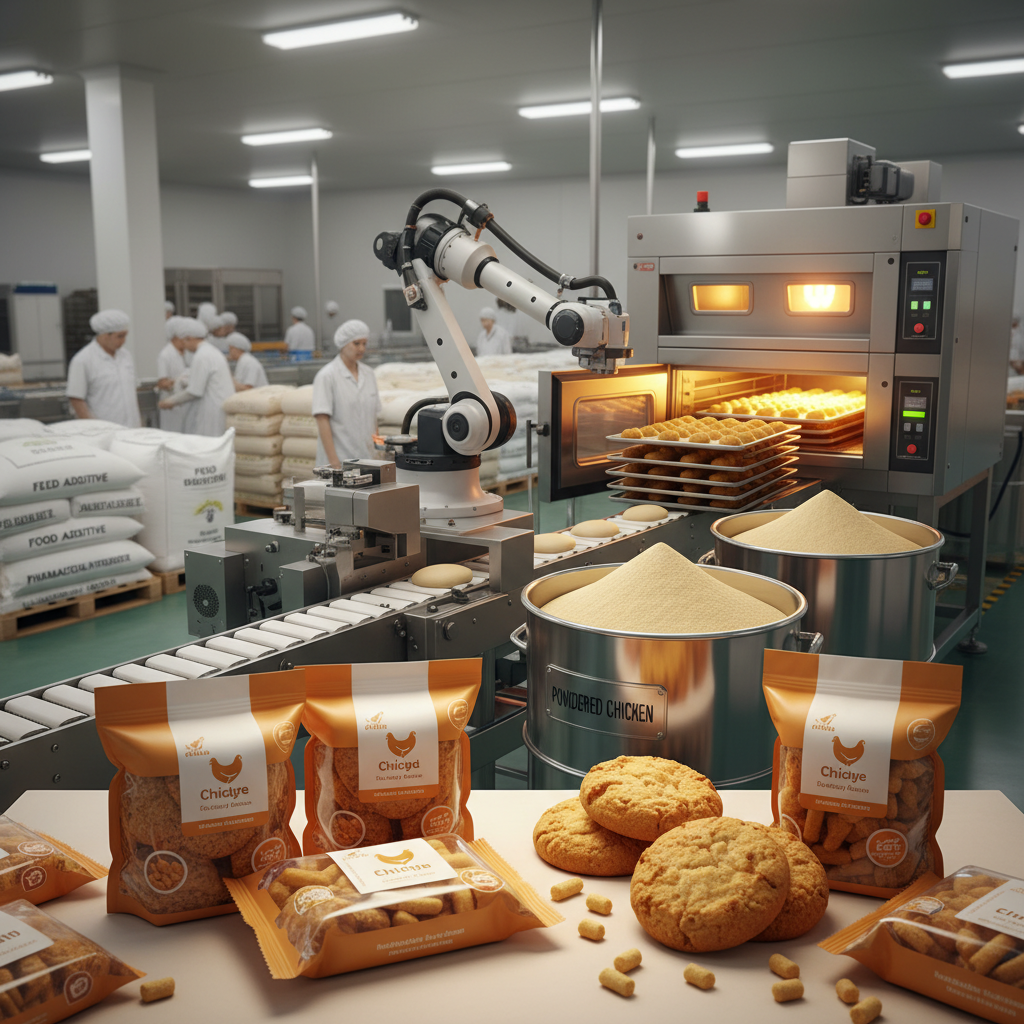
In more specialized contexts, such as animal husbandry and feed additive production, the compound is used to stimulate the appetite of livestock. In remote industrial zones where high-quality natural forage is scarce, integrating glutamate-based enhancers into feed can prevent weight loss in cattle and pigs during seasonal transitions, directly impacting the profitability of the agricultural sector.
Performance Analysis of Umami Enhancer Methods
Long-Term Value and Economic Advantages
The long-term value of mono natrium glutamate lies in its ability to reduce overall production costs without compromising quality. By enhancing the perceived intensity of flavors, manufacturers can reduce the quantity of expensive raw ingredients—such as meat extracts or premium spices—required to achieve a target taste. This logical economic advantage allows for greater price stability in an era of fluctuating raw material costs.
Beyond the balance sheet, there is a significant social impact. In the development of affordable nutritional supplements and fortified foods for underserved regions, the use of taste enhancers ensures that these life-saving products are actually consumed. The psychological comfort provided by a "familiar" and "satisfying" taste can be the difference between a supplement being wasted or utilized, bringing dignity and health to millions of people.
Future Trends and Sustainable Innovations
As the industry moves toward "Green Chemistry," the production of mono natrium glutamate is undergoing a digital and biological transformation. New strains of genetically optimized bacteria are being developed to increase fermentation yields while reducing the carbon footprint of the manufacturing plants. This shift toward sustainable bio-manufacturing ensures that the additive remains viable in a world governed by strict environmental ESG (Environmental, Social, and Governance) policies.
Automation and AI are also playing a role in the precision application of the compound. Smart dosing systems in food factories now use real-time sensors to adjust the amount of additive based on the fluctuating flavor profiles of raw ingredients. This minimizes waste and ensures a perfect sensory output every time, aligning the product with the broader trend of Industry 4.0.
Furthermore, we are seeing a trend toward "clean label" transitions. Researchers are exploring ways to present mono natrium glutamate as part of a natural yeast extract or a fermented vegetable base. This allows brands to maintain the functional benefits of the compound while appealing to consumers who prefer descriptors like "naturally derived" or "fermented," bridging the gap between industrial efficiency and consumer perception.
Common Challenges and Expert Solutions
Despite its utility, the primary challenge surrounding mono natrium glutamate has always been the "MSG Syndrome" myth—a lingering consumer perception of adverse health effects. Expert content marketing and transparent labeling are the best solutions here. By educating consumers on the fact that glutamates are naturally present in tomatoes and cheese, companies can shift the narrative from "chemical additive" to "natural flavor enhancer."
Another technical challenge is the tendency of the powder to clump in high-humidity environments. To overcome this, manufacturers have introduced advanced anti-caking agents and moisture-proof packaging solutions. Utilizing a higher grade of crystalline purity also reduces the hygroscopic nature of the product, ensuring it remains a free-flowing powder during the mixing process in industrial settings.
Finally, meeting the diverse regulatory requirements of different countries can be a hurdle for exporters. The solution lies in implementing a rigorous internal auditing system that adheres to the strictest global standards (such as EFSA in Europe and FDA in the US). By maintaining a gold standard of purity and documentation, suppliers can ensure seamless entry into any international market.
Comparative Analysis of Industrial Grade Mono Natrium Glutamate
| Product Grade |
Purity Level (%) |
Primary Application |
Stability Score (1-10) |
| Food Grade A |
99.5% |
Premium Seasonings |
9 |
| Industrial Grade B |
98.0% |
Bulk Processed Foods |
8 |
| Feed Grade |
95.0% |
Livestock Nutrition |
7 |
| Pharma Grade |
99.9% |
Intermediates/Medical |
10 |
| Technical Grade |
92.0% |
Chemical Processing |
6 |
| Custom Blend |
Variable |
Specialty Snacks |
8 |
FAQS
Yes, it is widely recognized as safe (GRAS) by major global health organizations, including the FDA and WHO. When used within recommended guidelines, it behaves like any other amino acid in the body. For industrial users, the key is ensuring the source is pure and free from contaminants to maintain safety standards.
Chemically, there is no difference. Whether the glutamate is found naturally in a tomato or produced via fermentation as mono natrium glutamate, the molecule is identical. The industrial version simply provides a concentrated, standardized form that is easier for manufacturers to measure and apply consistently.
Absolutely. Due to its high purity and stable chemical structure, it serves as a vital precursor in the synthesis of various pharmaceutical compounds. In these cases, Pharma Grade versions are used to ensure no impurities interfere with the chemical reactions or the safety of the final medicinal product.
To prevent clumping, it is essential to store the product in a cool, dry environment with low humidity. Using vacuum-sealed moisture-proof bags or aluminum foil liners is highly recommended. For large-scale warehouses, maintaining a controlled climate helps preserve the free-flowing nature of the crystals.
Yes, one of the greatest benefits is the "salt-reduction effect." Because umami enhances the perception of saltiness, manufacturers can often reduce the actual sodium chloride content by 30-40% while maintaining the same perceived taste, helping products meet healthier nutritional guidelines.
Importing requires a supplier who can provide comprehensive COA (Certificate of Analysis), MSDS (Material Safety Data Sheet), and compliance certificates for your specific region (e.g., REACH for Europe). Working with an established manufacturer like those found at www.chinaseasoning.com ensures all documentation is handled professionally.
Conclusion
In summary, mono natrium glutamate is a versatile and indispensable tool in the modern food, feed, and pharmaceutical industries. From its role in creating irresistible flavor profiles to its ability to lower sodium intake and improve livestock growth, its technical and economic advantages are undeniable. By focusing on purity, sustainable production, and transparent communication, the industry can continue to leverage this compound to meet the evolving needs of a global population.
Looking forward, the integration of bio-technological innovations and AI-driven precision will only enhance the value of this additive. We encourage manufacturers and distributors to seek partnerships with suppliers who prioritize quality control and sustainability. For those looking to optimize their product line with premium taste enhancers, we invite you to explore our professional solutions. Visit our website: www.chinaseasoning.com