In the modern global food landscape, the demand for convenient, flavorful, and religiously compliant seasoning has led to the rise of halal bouillon cubes. These concentrated flavor enhancers allow chefs and home cooks alike to achieve deep, savory profiles in their dishes without compromising the strict dietary laws of Halal certification, making them indispensable in both domestic and commercial kitchens.
Beyond simple convenience, these cubes represent a sophisticated intersection of food science and cultural sensitivity. By replacing non-compliant animal fats or additives with plant-based or certified halal-slaughtered alternatives, manufacturers ensure that the essence of traditional stocks—be it chicken, beef, or vegetable—is preserved while maintaining a gold standard of purity and ethics.
Understanding the nuances of halal bouillon cubes is crucial for food manufacturers and distributors aiming to penetrate the OIC (Organization of Islamic Cooperation) markets. As global consumption of processed seasonings grows, the ability to provide a product that balances intense umami taste with uncompromising certification is a key competitive advantage in the food additive industry.
Global Market Relevance of Halal Bouillon Cubes
The global demand for halal bouillon cubes is driven by a rapidly growing Muslim population and an increasing awareness of food traceability. With the global Halal food market projected to reach trillions of dollars, the necessity for standardized, certified seasonings has shifted from a niche requirement to a mainstream industrial priority.
Many traditional bouillon products utilize gelatin or fats derived from non-halal sources, creating a significant barrier for millions of consumers. By solving this challenge through rigorous ingredient auditing and innovative substitution, manufacturers can tap into diverse markets across Southeast Asia, the Middle East, and Western nations with large diaspora communities.
Defining Halal Bouillon Cubes in Modern Food Tech
At its core, halal bouillon cubes are dehydrated, concentrated stock blocks made from ingredients that strictly adhere to Islamic dietary laws. This means the complete absence of pork, alcohol, and any animal derivatives not slaughtered according to Sharia law, ensuring that the final product is "Tayyib" (pure and wholesome).
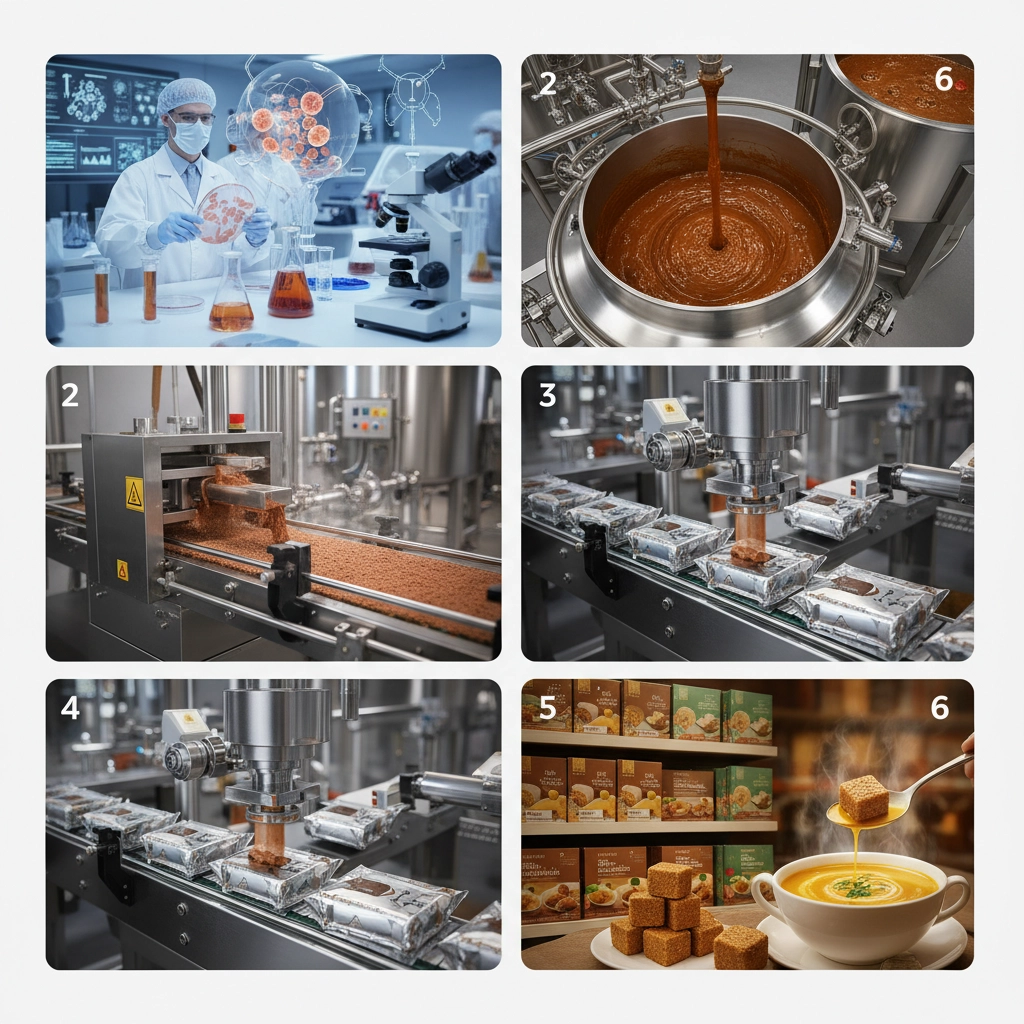
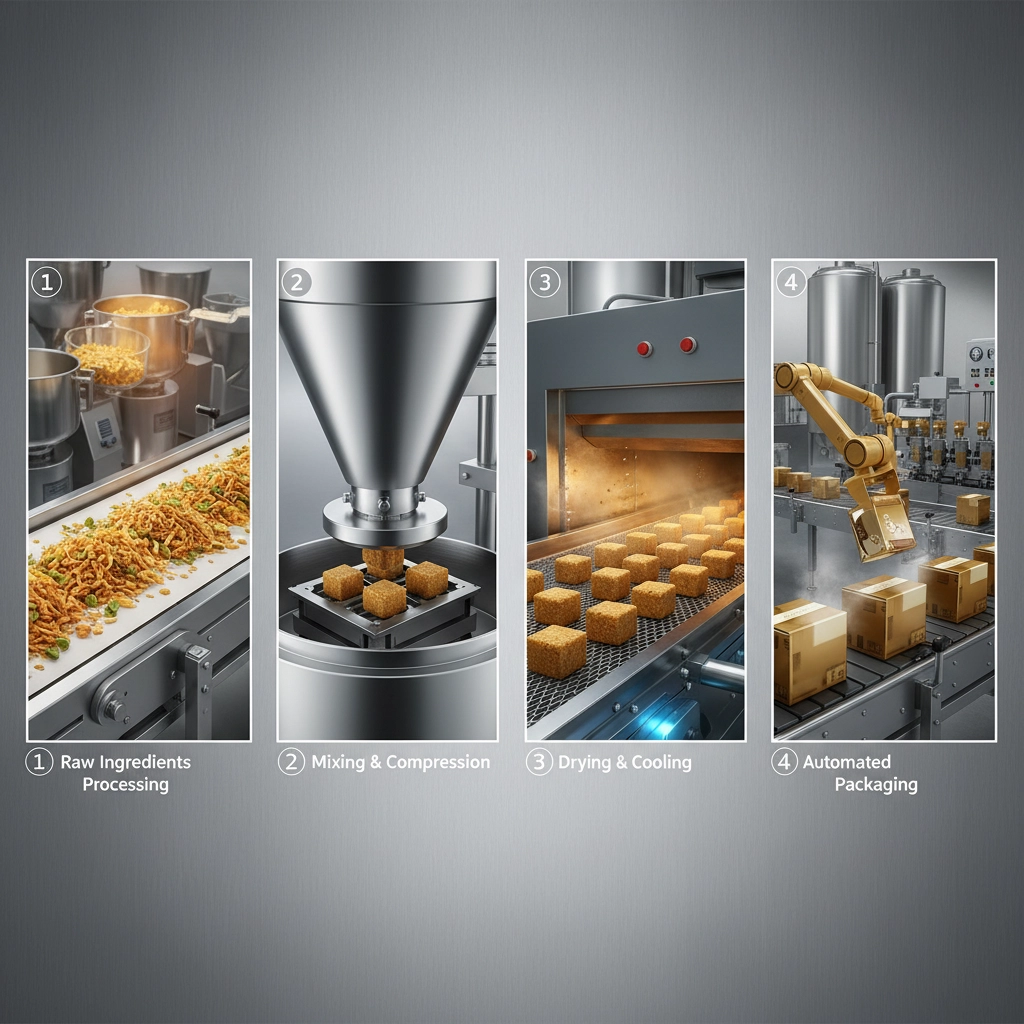
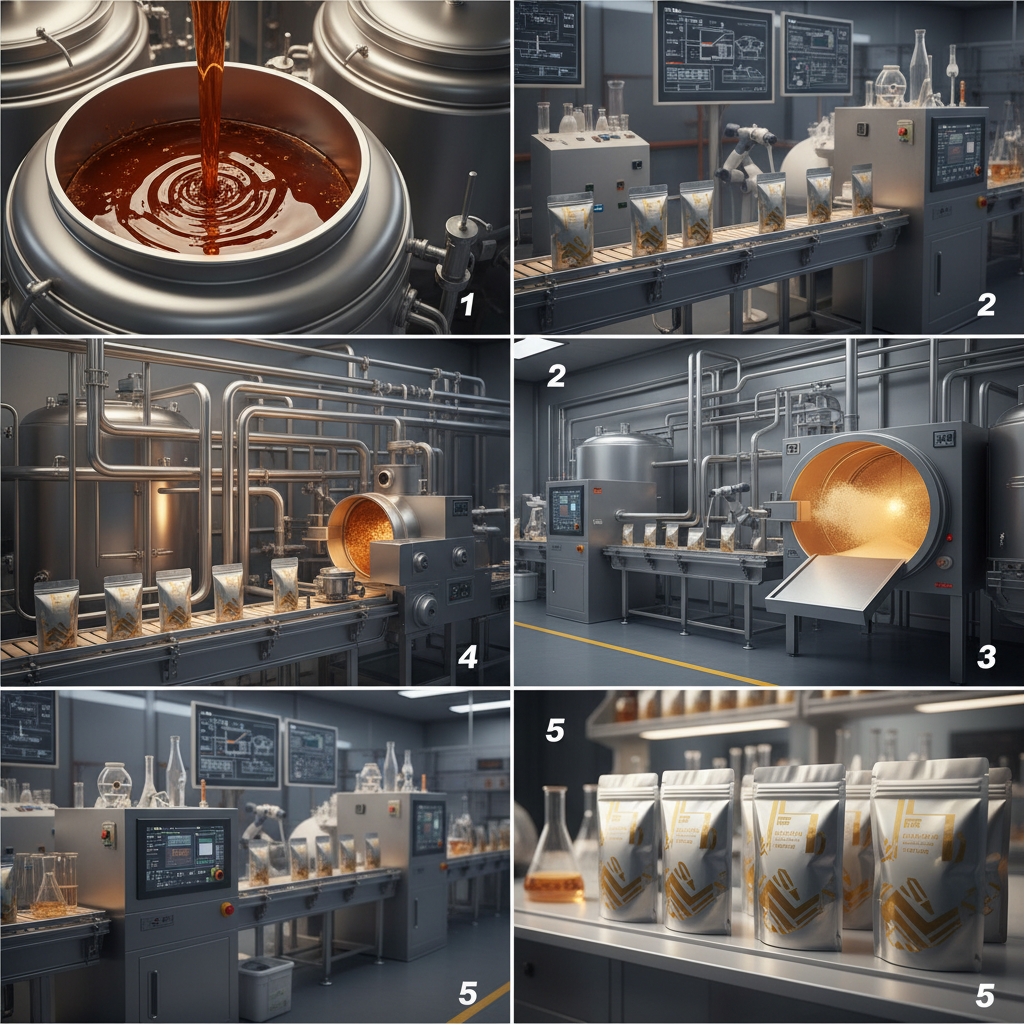
In the context of modern food technology, these cubes are more than just seasoning; they are a feat of stabilization. Using advanced spray-drying and compression techniques, manufacturers can lock in the volatile aromatic compounds of vegetables and certified meats, providing a shelf-stable solution that eliminates the need for hours of traditional simmering.
This innovation addresses a critical humanitarian and commercial need: providing nutrient-dense, flavor-rich food bases in regions where fresh ingredients may be scarce or where rapid food preparation is essential for large-scale catering, such as in refugee camps or institutional kitchens.
Core Components of High-Quality Halal Seasoning
To ensure the efficacy of halal bouillon cubes, the selection of salt and flavor enhancers is paramount. High-purity salt acts as both a preservative and a flavor carrier, while yeast extracts are often used to provide the deep umami profile typically associated with slow-cooked meats.
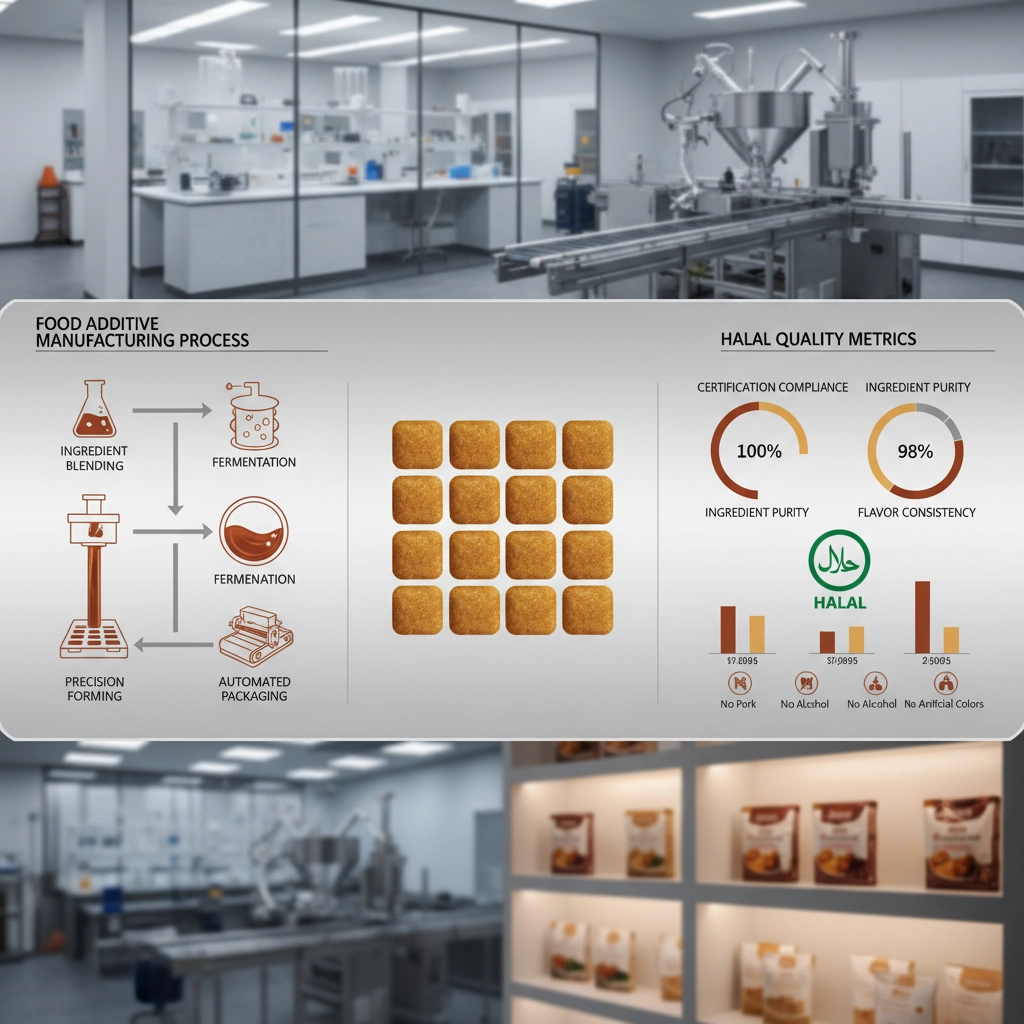
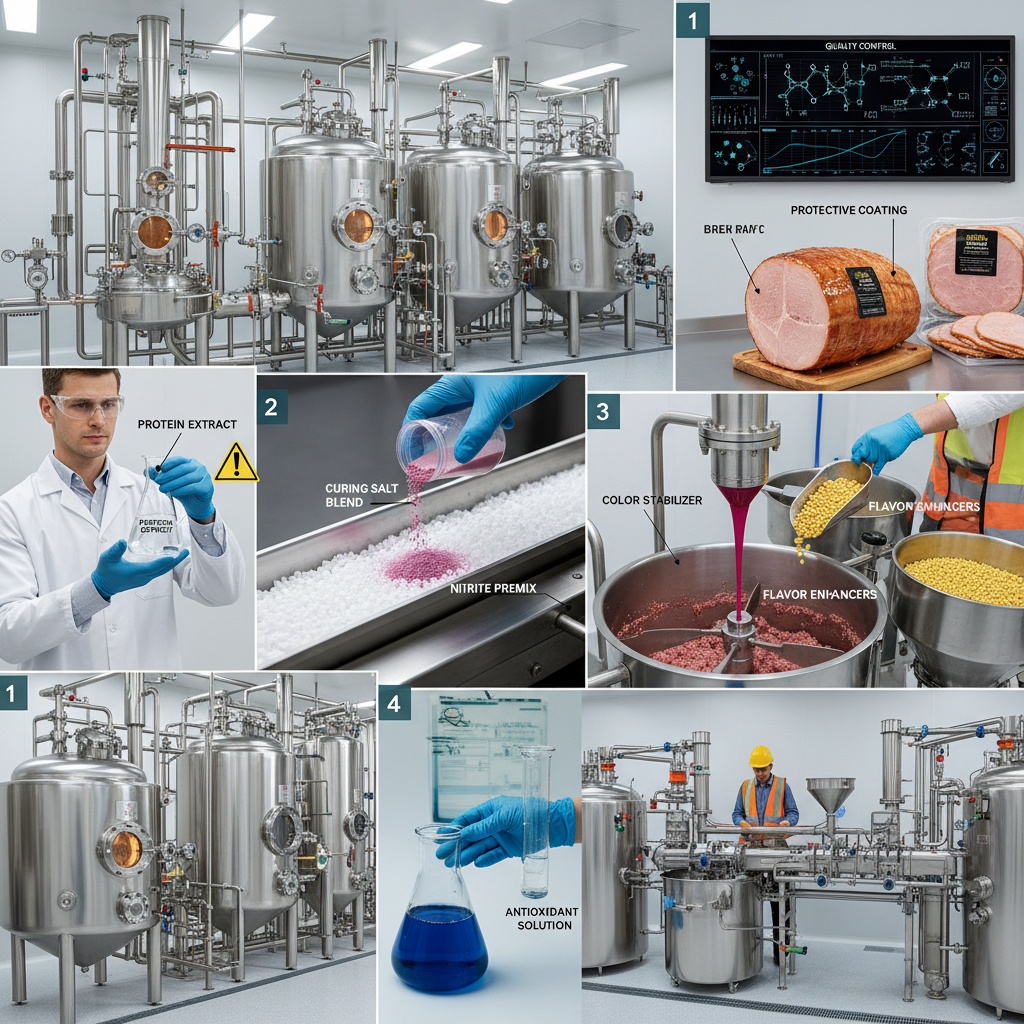
The "Halal Integrity" component is the most critical. This involves a rigorous supply chain audit where every sub-ingredient, including anti-caking agents and colorants (like turmeric or caramel), is verified to be free from cross-contamination with non-halal substances.
Finally, stability and solubility are key technical factors. A premium cube must dissolve quickly in boiling water without leaving gritty residues, ensuring a smooth consistency in soups and stews, which is achieved through precise particle size control during the granulation phase.
Practical Applications and Global Use Cases
The versatility of halal bouillon cubes extends far beyond the home kitchen. In the industrial food sector, they are used as base seasonings for instant noodles, ready-to-eat meals, and canned soups, allowing brands to export their products to Islamic markets with confidence.
In real-world contexts, such as post-disaster relief operations in regions like Indonesia or Pakistan, these cubes are vital. They provide a high-impact way to make bland emergency rations more palatable and nutritious, improving the dignity and morale of displaced populations through the familiarity of taste.
Efficiency Analysis of Halal Bouillon Cubes Production Methods
Long-Term Value and Social Impact
The long-term value of halal bouillon cubes lies in the trust they build between the manufacturer and the consumer. By providing a product that is transparently certified, companies foster a sense of safety and respect for cultural identities, which translates into lifelong brand loyalty in highly discerning markets.
From a sustainability perspective, the concentrated nature of bouillon cubes reduces packaging waste and lowers the carbon footprint associated with transporting heavy liquid stocks. This alignment with green logistics makes them a responsible choice for the future of the food additive industry.
Future Trends in Halal Flavor Innovation
The next frontier for halal bouillon cubes is the integration of "Clean Label" initiatives. Consumers are increasingly demanding the removal of MSG and artificial colors, pushing manufacturers toward natural fermented extracts and organic plant-based proteins to achieve the same savory depth.
Digital transformation is also playing a role, with the implementation of Blockchain for Halal traceability. Future packaging may include QR codes that allow consumers to trace the origin of the meat or vegetables used in their bouillon cube back to the certified farm, ensuring absolute transparency.
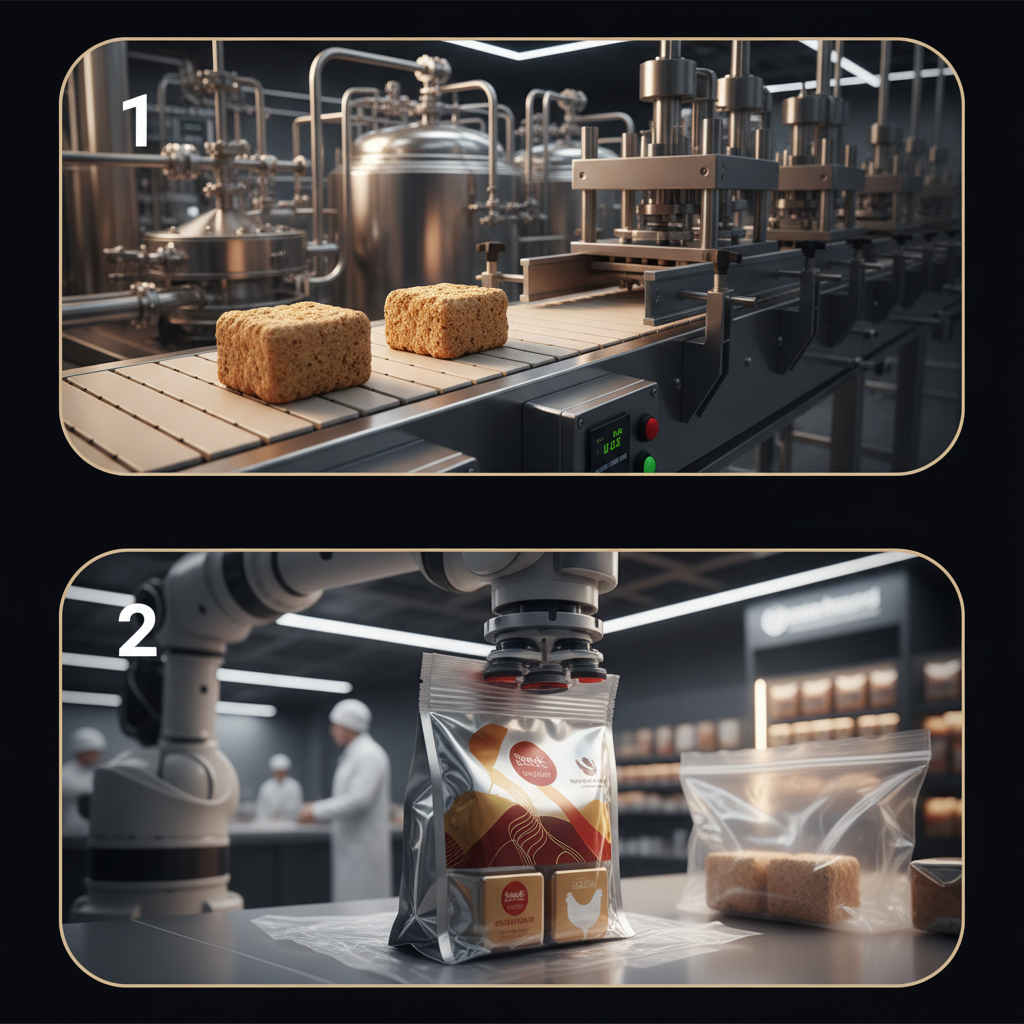
Furthermore, automation in the production line is reducing human error in cross-contamination, allowing for smaller, more diverse batches of specialized flavors—such as Halal-certified seafood or ethnic fusion stocks—to be produced cost-effectively.
Overcoming Challenges in Halal Certification
One of the primary challenges in producing halal bouillon cubes is the fragmentation of certification standards across different countries. A product certified in one region may face scrutiny in another, requiring manufacturers to seek global certifications (such as JAKIM or MUI) to ensure seamless international trade.
Another hurdle is the cost of sourcing high-quality, certified animal proteins that meet strict slaughtering requirements. To overcome this, many innovative firms are pivoting toward high-umami vegan bases that are inherently halal, bypassing the complexities of animal slaughter while appealing to the growing vegan population.
Expert insights suggest that the key to success lies in "Halal by Design"—integrating compliance at the R&D stage rather than as a final check. This proactive approach ensures that every ingredient is chosen for its compliance and functionality from the start.
Comparison of Halal Compliance Strategies for Bouillon Production
| Strategy Approach |
Implementation Cost |
Market Acceptance |
Risk Level |
| Animal-Based Certified |
High |
Very High |
Medium |
| Plant-Based (Vegan) |
Medium |
High |
Low |
| Synthetic Umami Mix |
Low |
Medium |
Medium |
| Hybrid Organic Blend |
High |
High |
Low |
| Fermented Yeast Base |
Medium |
High |
Low |
| Traditional Home-Style |
Medium |
Medium |
High |
FAQS
A bouillon cube is certified Halal when all its ingredients—including fats, flavorings, and stabilizers—are free from pork and alcohol, and any animal-derived components come from animals slaughtered according to Islamic law. This is verified by a third-party certification body that audits the entire production line to prevent cross-contamination.
Generally, yes. Since vegan products contain no animal derivatives, they naturally avoid non-halal animal fats or gelatin. However, professional manufacturers still obtain a Halal certificate to guarantee that no alcohol-based flavor carriers or non-halal processing aids were used during manufacture.
Absolutely. They are widely used in the food additive industry for bulk seasoning in sauces, soups, and snacks. Because they are concentrated and standardized, they provide consistent flavor profiles across large batches, making them ideal for industrial-scale catering and food processing.
The most reliable method is to request a valid Halal Certificate from a recognized authority (such as MUI, JAKIM, or HMC) and cross-reference the batch number on the packaging with the certificate's validity period. Additionally, checking the ingredient list for E-numbers that might be non-halal is recommended.
No. The shelf life of halal bouillon cubes is determined by the moisture content and the quality of the preservatives (like salt), not by the Halal status. High-quality certified cubes maintain their potency and safety for 12-24 months when stored in a cool, dry place.
Yes, MSG (Monosodium Glutamate) is generally considered Halal as it is produced via the fermentation of starch or sugar. However, many modern "premium" Halal cubes are moving toward MSG-free formulas to meet health-conscious consumer demands.
Conclusion
In summary, halal bouillon cubes represent more than just a dietary alternative; they are a sophisticated fusion of culinary art and religious compliance. By balancing intense savory flavors with rigorous ingredient auditing, these products enable global food brands to reach a wider audience while upholding the values of purity and trust. From the technical precision of spray-drying to the ethical rigors of Sharia-compliant sourcing, the industry has evolved to provide high-quality, sustainable, and inclusive seasoning solutions.
Looking ahead, the integration of clean-label ingredients and blockchain traceability will further elevate the standard of halal seasonings. For manufacturers and distributors, the key to success lies in transparency and a commitment to "Halal by Design." As the global appetite for authentic, compliant, and convenient flavors grows, investing in certified quality will be the primary driver of market growth. Visit our website for more professional solutions: www.chinaseasoning.com