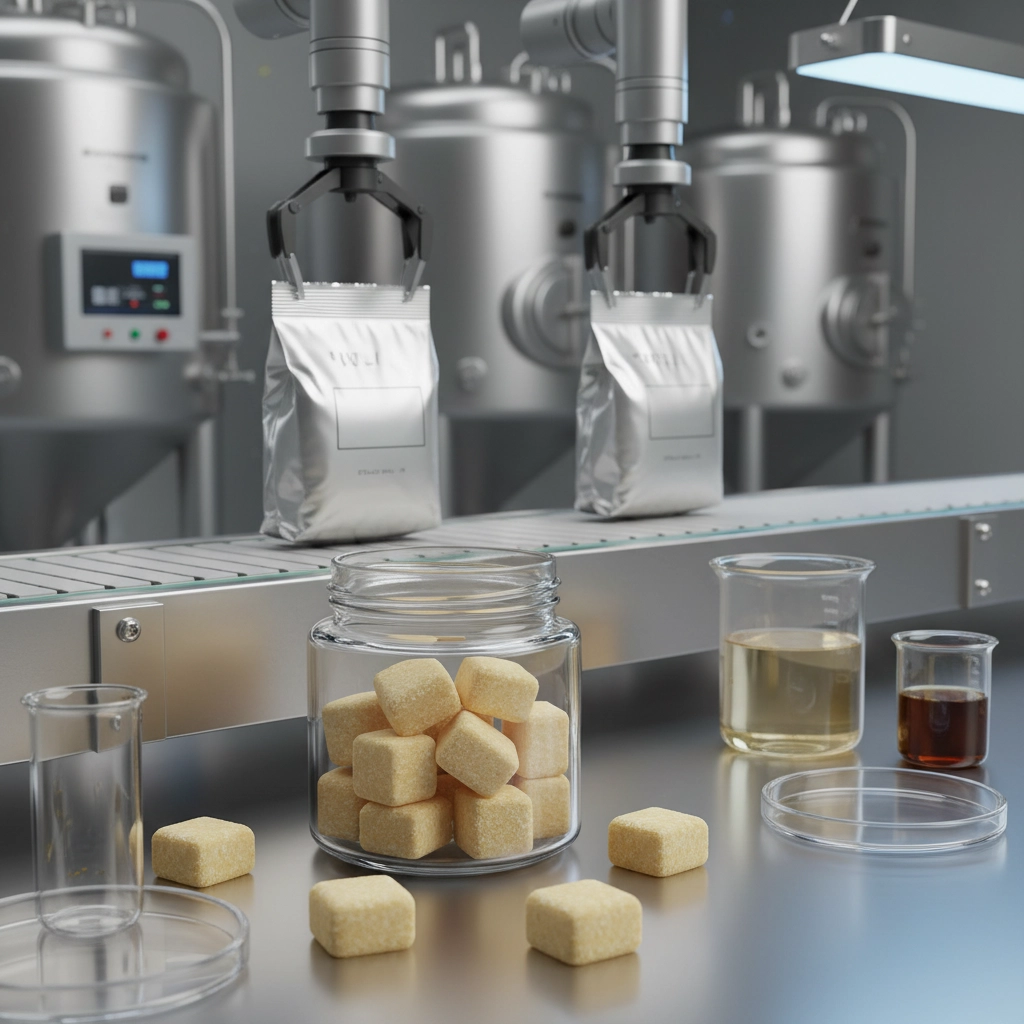
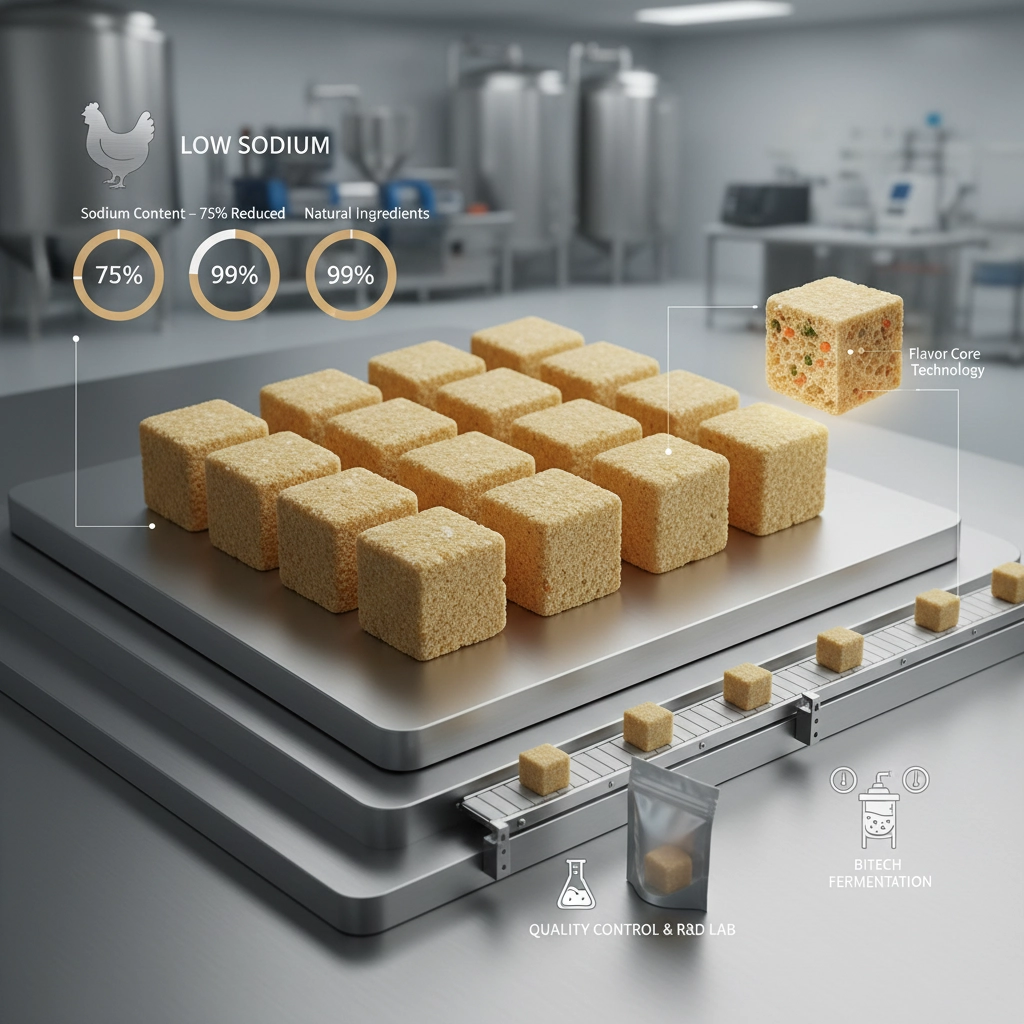
The global shift toward health-conscious eating has fundamentally transformed the seasoning industry, leading to a surge in demand for low sodium chicken broth cubes. As consumers become increasingly aware of the link between excessive salt intake and hypertension, food manufacturers are challenged to maintain the rich, savory "umami" profile of traditional broths while significantly reducing sodium content.
Integrating low sodium chicken broth cubes into commercial food production allows brands to cater to dietary restrictions without sacrificing the convenience of a concentrated format. These products serve as a critical bridge between clinical nutritional requirements and the sensory pleasure of gourmet cooking, making them essential in both household kitchens and industrial food service.
Understanding the chemistry and formulation of these cubes is vital for stakeholders in the food additive sector. By leveraging modern flavor enhancers and precise dehydration techniques, the industry can provide a sustainable, heart-healthy alternative that supports global wellness goals while maintaining the commercial viability of the product category.
Global Industry Context of Low Sodium Chicken Broth Cubes
On a global scale, the prevalence of non-communicable diseases has pushed organizations like the World Health Organization (WHO) to advocate for a reduction in mean population salt intake. This systemic push has put immense pressure on the food additive industry to redesign staples. low sodium chicken broth cubes have emerged as a primary solution to this challenge, allowing for a significant reduction in sodium chloride while retaining the essential culinary functions of a bouillon.
The transition is not merely a trend but a regulatory necessity in many regions. With tightening labels and health mandates, manufacturers are pivoting toward "clean label" ingredients and potassium-based alternatives to replicate the salty punch of traditional cubes. This shift is driving innovation in the pharmaceutical intermediates and food additive sectors, as new flavor-enhancing molecules are developed to satisfy the demanding palate of the modern consumer.
Definition and Nutritional Significance
In technical terms, low sodium chicken broth cubes are dehydrated, concentrated seasoning blocks that contain a significantly lower percentage of sodium compared to standard bouillon. They are formulated using a blend of chicken extracts, yeast extracts, herbs, and salt substitutes, compressed into a stable cube form for long-term shelf stability and precise dosing in cooking.
The nutritional significance of these cubes lies in their ability to lower the dietary load on the cardiovascular system. By replacing a portion of sodium chloride with potassium chloride or employing umami-rich yeast extracts, these cubes help prevent the spikes in blood pressure typically associated with highly processed bouillon, making them suitable for patients with hypertension or kidney-related dietary restrictions.
Furthermore, these cubes represent a convergence of food science and humanitarian health needs. In regions where processed foods are the primary source of nutrition, providing a low-sodium alternative helps combat the "silent killer" of high blood pressure, integrating preventive health measures directly into the daily meal preparation process.
Key Factors in Flavor Optimization
One of the primary challenges in producing low sodium chicken broth cubes is the "flavor gap" created when salt is removed. Salt does not just provide taste; it acts as a flavor enhancer that unlocks volatile aromatic compounds in chicken and herbs. To overcome this, manufacturers utilize synergistic umami agents like MSG (monosodium glutamate) or natural alternatives like mushroom powder.
The balance of acidity and sweetness is another critical factor. By adding small amounts of citric acid or organic sugar, the perception of saltiness in low sodium chicken broth cubes can be amplified without actually increasing the sodium milligrams. This sensory trickery ensures that the consumer does not perceive the product as "bland" or "incomplete."
Finally, the quality of the chicken extract plays a decisive role. High-concentration, high-protein chicken bases provide a natural depth of flavor that compensates for the lack of sodium. The use of advanced spray-drying and granulation technology ensures that these concentrated flavors remain stable within the cube and dissolve rapidly upon contact with hot water.
Industrial Application and Scalability
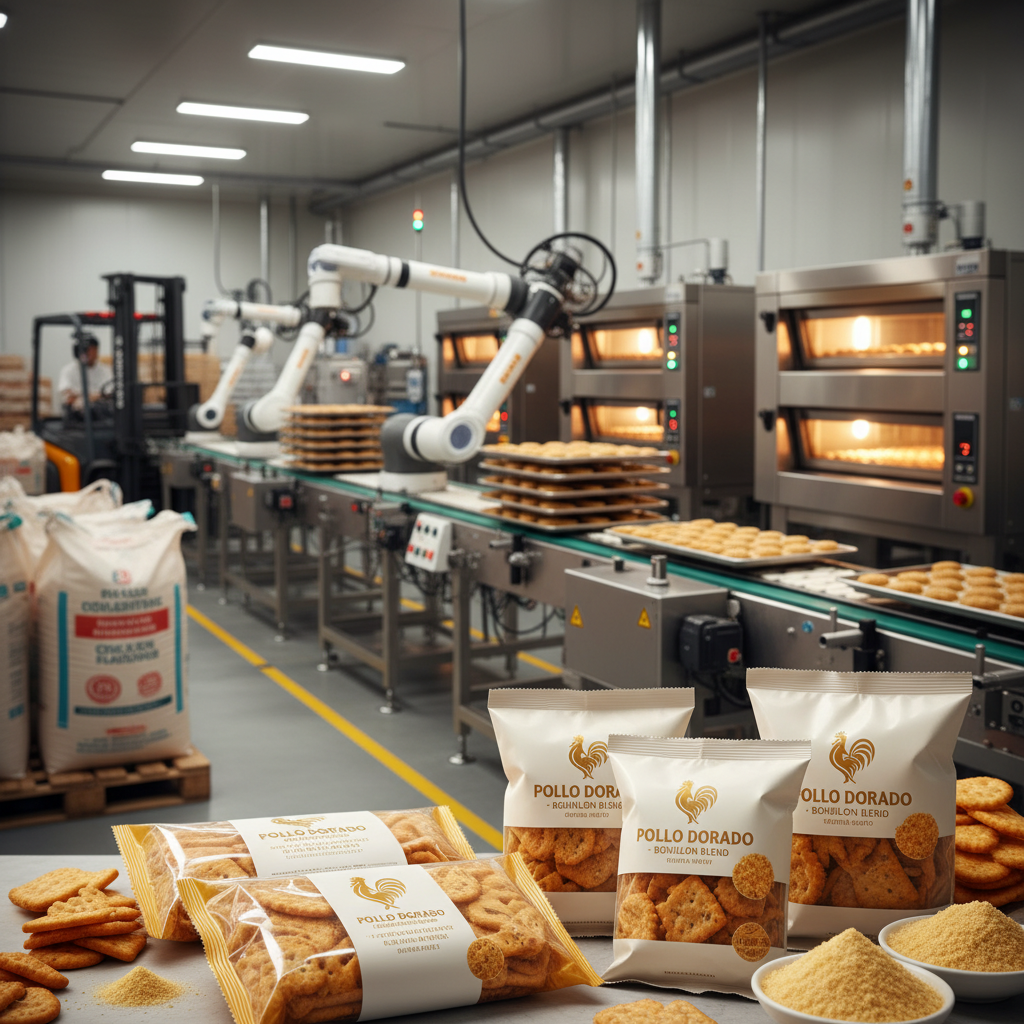
From a manufacturing perspective, the production of low sodium chicken broth cubes requires precise control over moisture content and compression force. Scalability is achieved through automated mixing and pressing lines that can produce thousands of units per hour while maintaining consistent nutritional profiles across every single batch.
Industrial food service providers, including hospital cafeterias and school meal programs, rely on these cubes to meet strict government nutritional guidelines. The ability to standardize the sodium intake per serving across large-scale meal preparation makes these cubes an indispensable tool for institutional chefs who must balance taste with health compliance.
Performance Comparison of Low Sodium Chicken Broth Cubes Formulations
Global Use Cases and Regional Demand
The demand for low sodium chicken broth cubes varies significantly by region. In North America and Europe, the trend is driven by a growing "wellness" culture and an aging population managing chronic conditions. In these markets, these cubes are often marketed as "Premium" or "Organic" products, focusing on transparency and natural ingredients.
In contrast, in emerging markets in Asia and Africa, these products are increasingly used in disaster relief and food aid programs. Because they are lightweight and shelf-stable, they provide an efficient way to add nutrition and flavor to basic grains (like rice or porridge) in remote industrial zones or post-disaster areas where fresh ingredients are unavailable and health monitoring is limited.
Long-term Value and Health Impact
The long-term value of transitioning to low sodium chicken broth cubes extends beyond individual health to societal economic benefits. Reducing population-wide sodium intake directly correlates with lower rates of stroke and heart disease, which in turn reduces the burden on national healthcare systems and lowers public health expenditures.
From a business perspective, companies that innovate in sodium reduction build deeper trust with their consumers. In an era of "conscious consumption," brands that proactively protect the health of their customers while maintaining product quality foster long-term brand loyalty and avoid the risks associated with future restrictive food legislation.
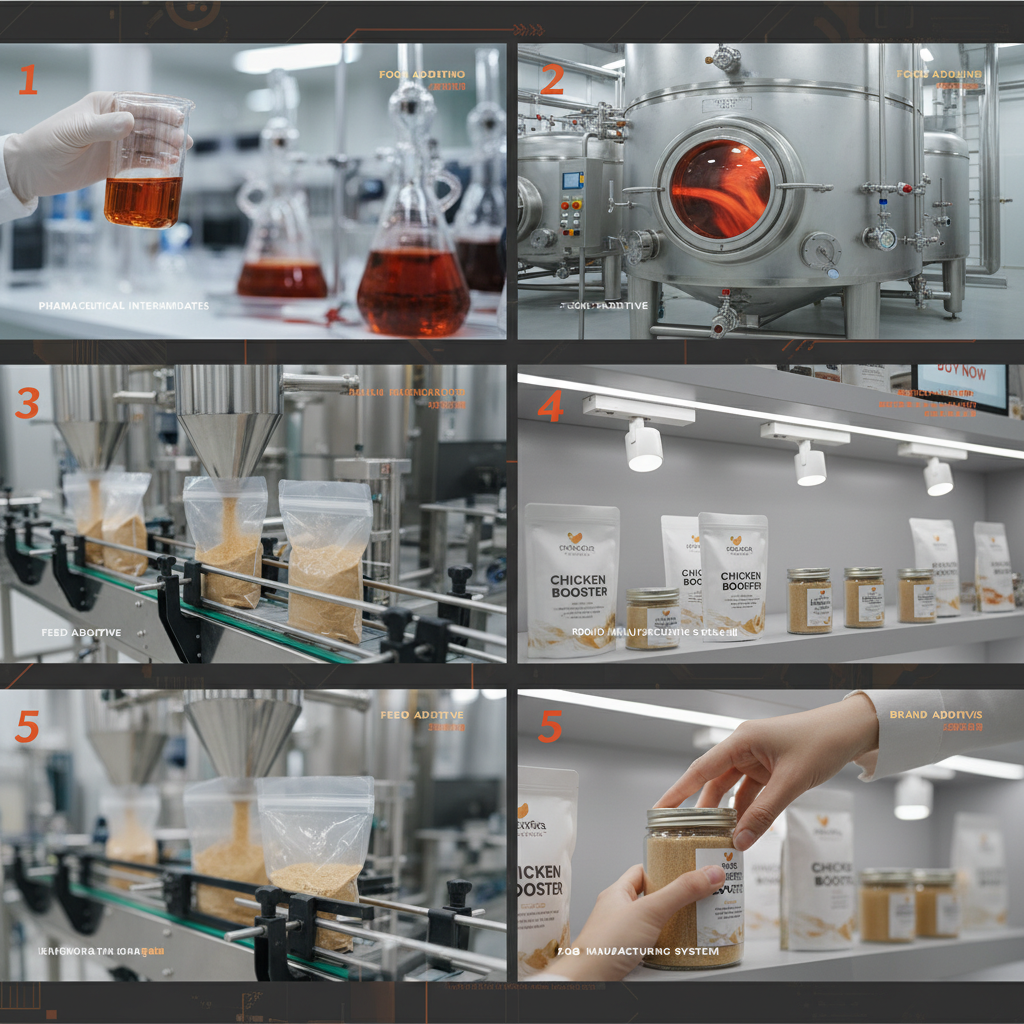
Moreover, the innovation in low-sodium formulations drives the growth of the entire food additive sector. It encourages the discovery of new botanical extracts and fermentation-based flavor enhancers, creating a ripple effect of innovation that improves the quality of pharmaceutical intermediates and other processed food categories.
Future Trends in Sodium Reduction Technology
Looking ahead, the development of low sodium chicken broth cubes is moving toward "precision seasoning." This involves the use of biotechnology and enzyme-engineered ingredients that can target specific salt receptors on the tongue, creating a powerful salty sensation with a fraction of the actual sodium molecules.
Sustainability is also becoming a core focus. Future iterations of these cubes will likely utilize upcycled ingredients—such as proteins recovered from other food processing streams—combined with green energy manufacturing processes to reduce the overall carbon footprint of bouillon production.
Digital transformation in the supply chain will further enhance these products. Smart packaging and QR-code traceability will allow consumers to see the exact origin of the chicken extract and the precise sodium count of each batch, ensuring total transparency and confidence in the product's health claims.
Comparative Analysis of Sodium Reduction Technologies in Broth Cubes
| Technology Approach |
Sodium Reduction % |
Taste Retention Score |
Production Cost |
| Potassium Chloride Substitution |
30% - 50% |
6/10 |
Low |
| Yeast Extract Enrichment |
40% - 60% |
8/10 |
Medium |
| Enzymatic Protein Hydrolysis |
50% - 70% |
9/10 |
High |
| Mushroom-Based Umami Blend |
30% - 60% |
7/10 |
Medium |
| Precision Receptor Modulation |
70% - 90% |
10/10 |
Very High |
| Hybrid Organic Synthesis |
40% - 60% |
8/10 |
Medium |
FAQS
While there is a difference, modern formulation techniques using umami-rich yeast extracts and potassium salts minimize this gap. Some users may notice a slight metallic aftertaste with potassium substitutes, but high-quality hybrid blends usually mask this, providing a savory experience that is very close to traditional bouillon.
Many low-sodium products replace sodium with potassium. For individuals with advanced kidney disease (CKD), excessive potassium can be dangerous. It is essential to check the ingredient list for "potassium chloride" and consult a physician before using these cubes as a primary seasoning.
These cubes can be integrated into soups, stews, and sauces during the initial simmering phase. Because they are concentrated, they allow for precise sodium tracking per portion, which is critical for meeting institutional dietary guidelines and labeling laws.
Thanks to the dehydration process and the removal of moisture, most low sodium chicken broth cubes have a shelf life of 12 to 24 months when stored in a cool, dry place in airtight packaging. This makes them ideal for long-term storage and logistics.
While chicken broth cubes specifically contain chicken extract, the "low sodium" technology (using yeast and mushroom extracts) is widely applied to vegan versions. Manufacturers use the same sodium-reduction principles to create plant-based broth cubes that maintain a similar savory profile.
Importing requires compliance with the destination country's food safety standards (e.g., FDA in the US, EFSA in Europe). Ensure your supplier provides a complete Certificate of Analysis (CoA), Material Safety Data Sheet (MSDS), and accurate ingredient declarations to facilitate customs clearance.
Conclusion
The evolution of low sodium chicken broth cubes represents a critical intersection between culinary tradition and modern health science. By combining advanced umami chemistry with precise industrial manufacturing, the food additive industry has successfully created a product that supports cardiovascular health without compromising the sensory experience of a home-cooked meal.
As we look to the future, the continued integration of biotechnology and sustainable sourcing will make these products even more efficient and eco-friendly. For manufacturers and distributors, prioritizing sodium reduction is no longer just an option—it is a strategic imperative for success in a health-conscious global market. Visit our website for more professional solutions: www.chinaseasoning.com