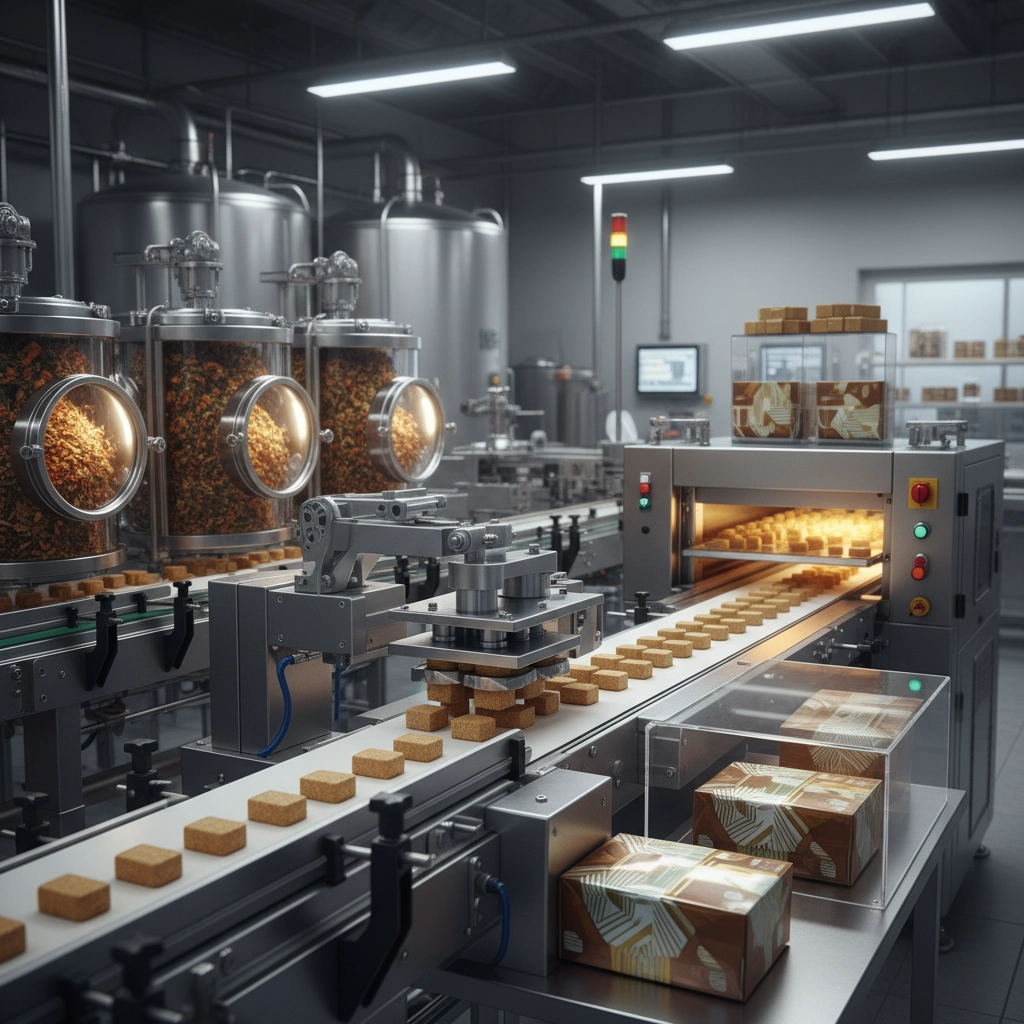
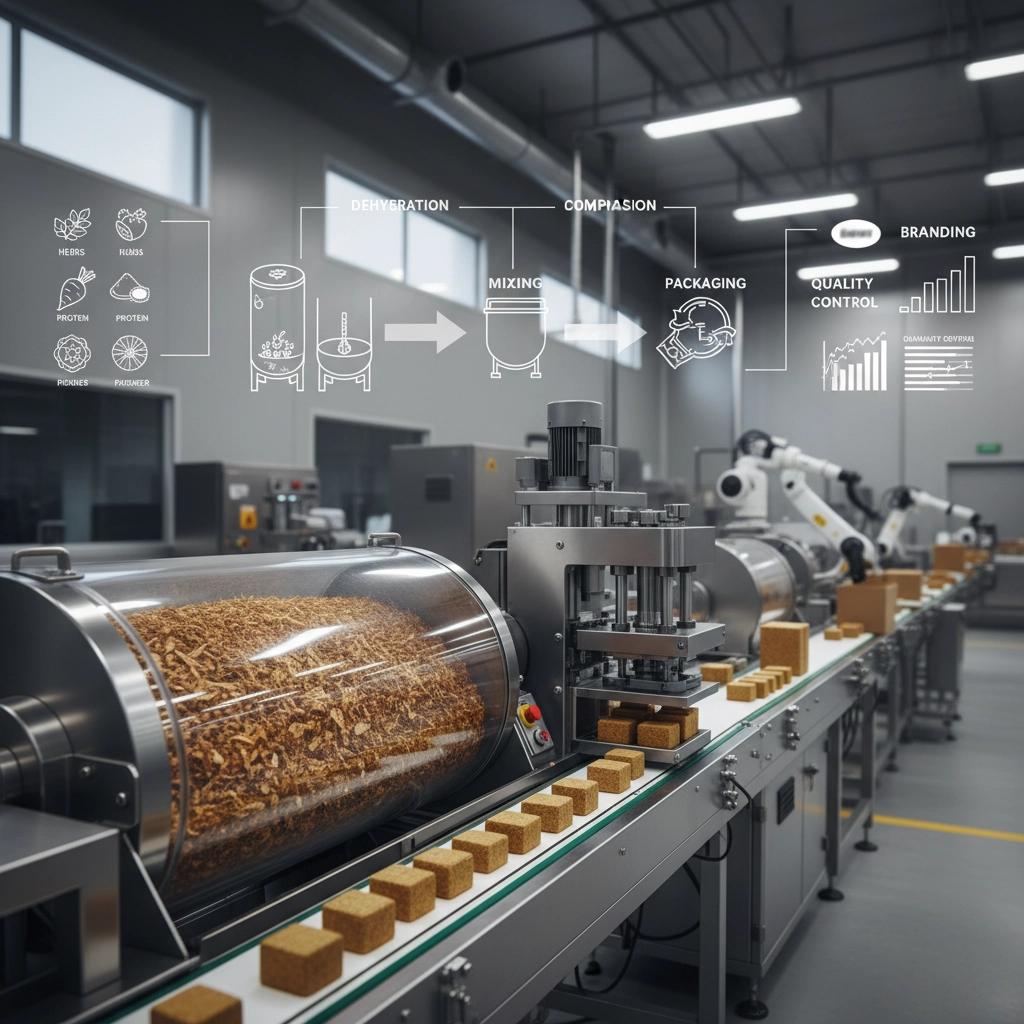
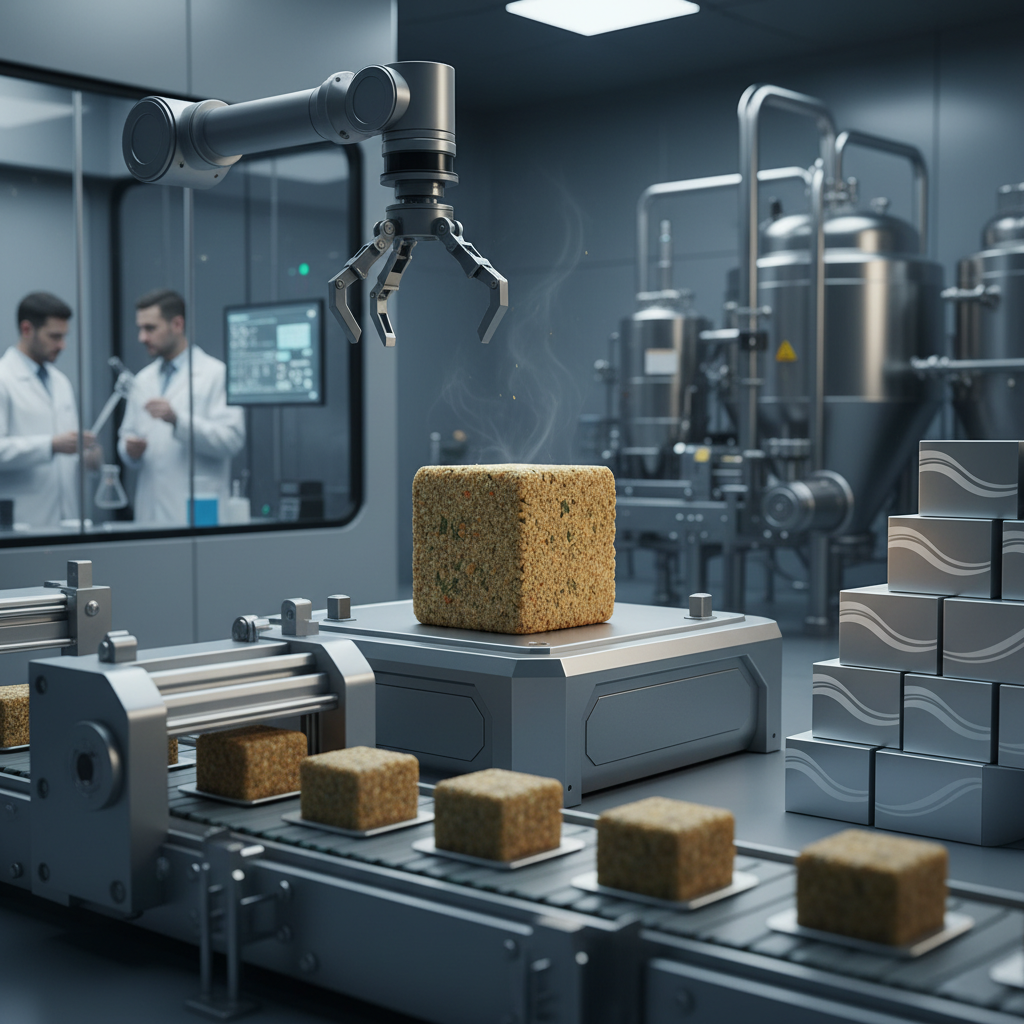
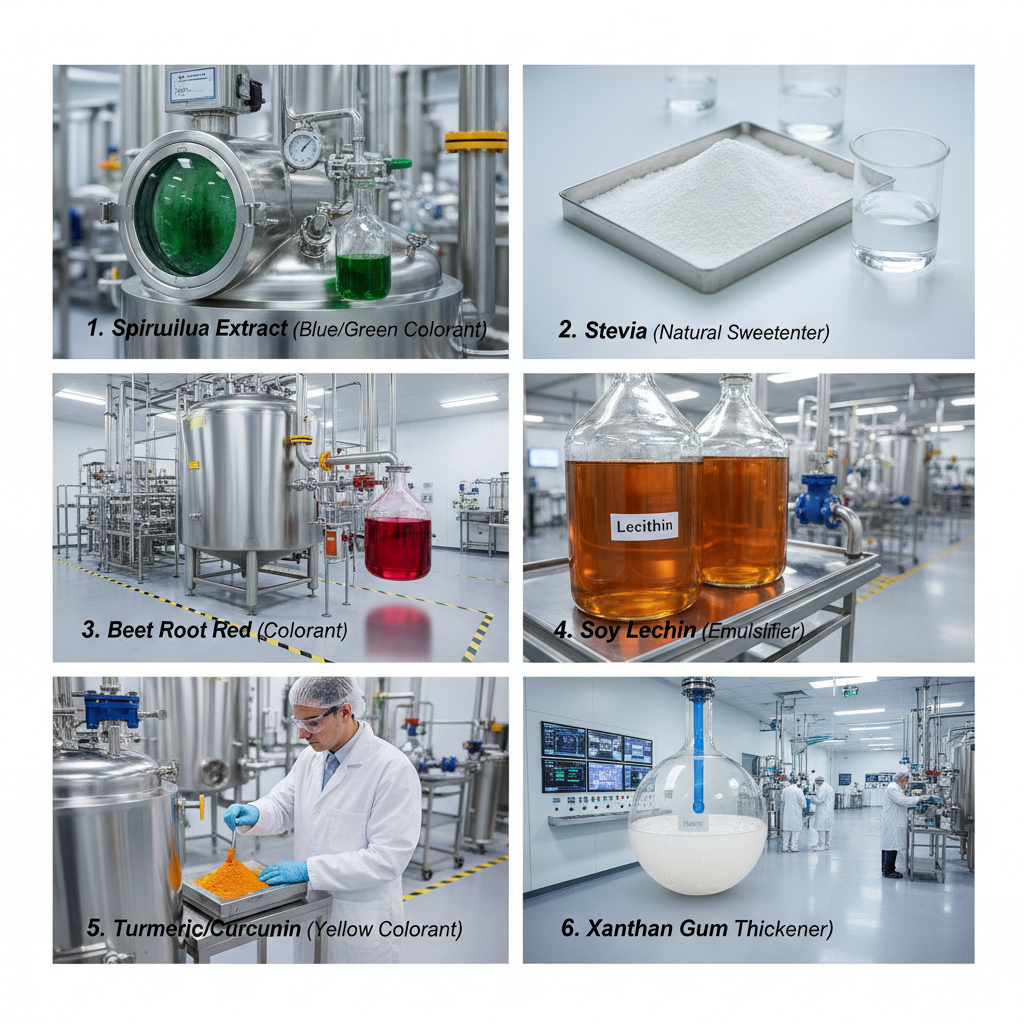
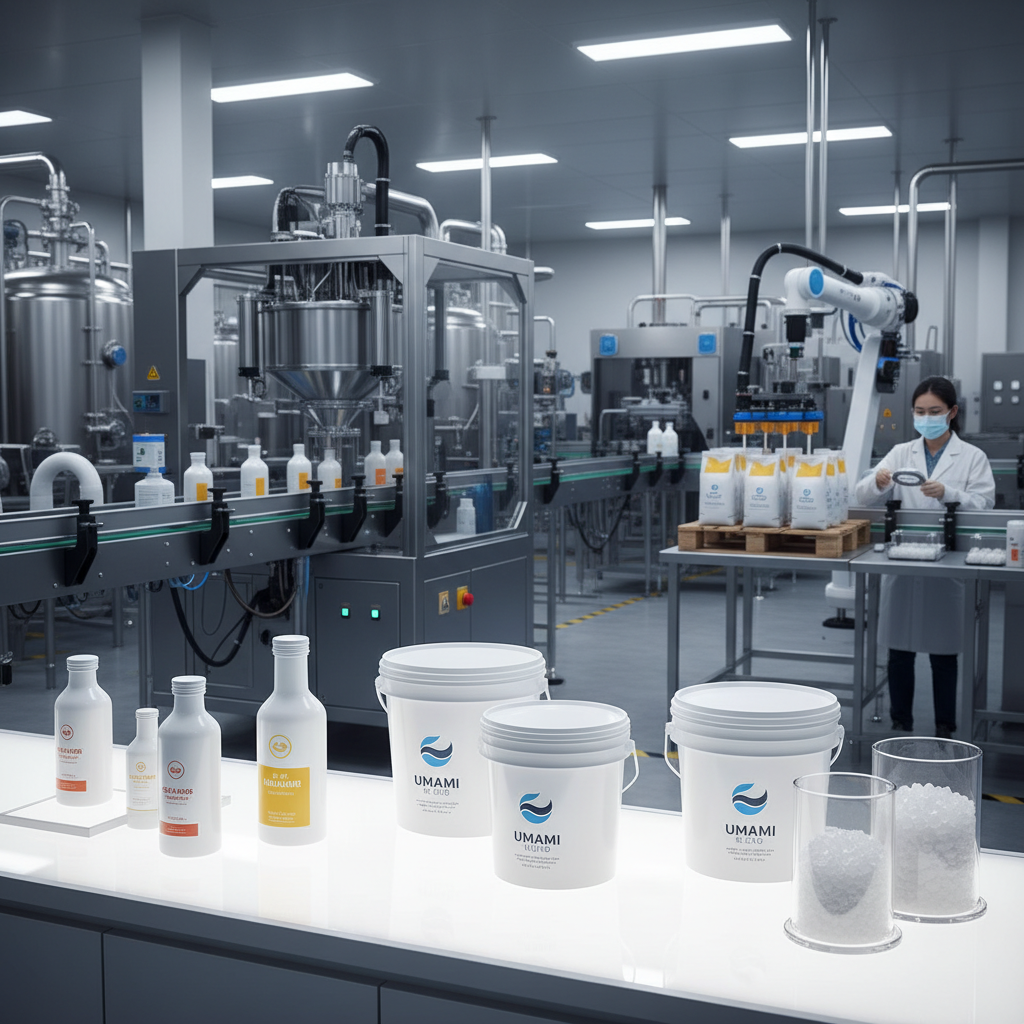
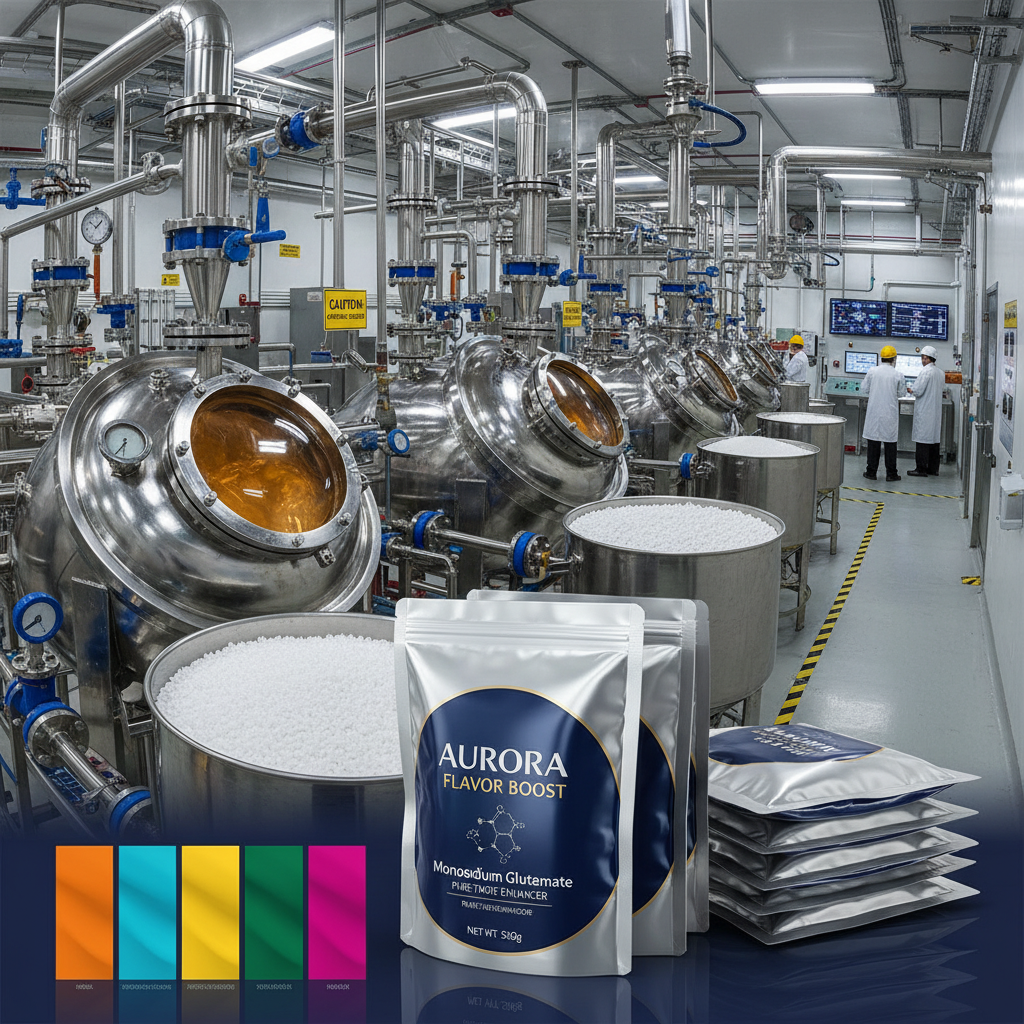
The art and science of making bouillon cubes represents a critical intersection of food chemistry and convenience, providing a concentrated burst of flavor that simplifies cooking for millions of households worldwide. By dehydrating stocks and combining them with precise ratios of salt, fats, and flavor enhancers, manufacturers create a stable product that preserves the essence of meat or vegetables without the need for constant refrigeration.
In the modern industrial landscape, the process of making bouillon cubes has evolved from simple kitchen presses to sophisticated spray-drying and extrusion technologies. This shift ensures consistency, safety, and a longer shelf life, meeting the rigorous demands of the global food supply chain while catering to diverse dietary preferences, including gluten-free and low-sodium alternatives.
Understanding the intricacies of making bouillon cubes is not only beneficial for commercial producers but also for food scientists seeking to optimize nutrient retention and taste profiles. As the demand for clean-label ingredients grows, the industry is pivoting toward natural extracts and sustainable sourcing to ensure that convenience does not come at the cost of health or environmental integrity.
Global Industry Context of Making Bouillon Cubes
The global market for concentrated seasonings is driven by an increasing urban population and the rising demand for "quick-cook" solutions. In many developing regions, the practice of making bouillon cubes is central to food security, as these products provide an affordable way to add essential flavors and some micronutrients to basic staples like rice and maize. According to industry trends, the shift toward convenience foods has seen a steady CAGR in the savory seasoning sector, emphasizing the need for efficient production lines.
However, the industry faces a significant challenge: balancing the intense flavor profiles consumers crave with the health-conscious move away from excessive sodium and MSG. This tension is pushing manufacturers to innovate their formulas, integrating more natural yeast extracts and plant-based proteins to maintain the "umami" punch while adhering to stricter WHO guidelines on salt intake.
Defining the Process of Making Bouillon Cubes
At its most basic level, making bouillon cubes is the process of converting a liquid stock into a solid, compressed block. This involves the reduction of liquid through evaporation or the use of spray-drying technology to create a concentrated powder. This powder is then blended with a binding agent—typically a vegetable fat or oil—and salt, which acts as both a preservative and a flavor enhancer.
From an industrial perspective, this process is deeply connected to modern food engineering. It requires precise control over water activity ($a_w$) to prevent microbial growth and ensure the cube remains hard and stable during transport. The integration of high-pressure compression ensures that the cube does not crumble, providing the consumer with a precise dosage of seasoning for every pot of soup or stew.
Beyond the commercial market, this technology serves humanitarian needs. In disaster relief or remote industrial zones, providing concentrated nutrition and flavor in a lightweight, non-perishable format is essential. The ability to transport thousands of servings of flavor in a few kilograms of product makes this manufacturing method indispensable for global food logistics.
Key Factors in High-Quality Bouillon Production
The first critical factor in making bouillon cubes is Flavor Stability. To ensure that the aroma remains potent from the factory to the kitchen, manufacturers must use encapsulated flavors or high-quality extracts that do not oxidize when exposed to the lipids used in the binding process.
Another essential component is Binding Efficiency. When making bouillon cubes, the choice of fat (such as palm oil or hydrogenated vegetable oils) determines the texture and the "melt-rate" of the cube in boiling water. A poor bind leads to clumps, whereas a professional grade ensures a smooth dissolution.
Lastly, Preservation and Shelf Life are paramount. By controlling the salt concentration and using vacuum-sealed foil packaging, the process of making bouillon cubes allows the product to remain viable for 12 to 24 months without the need for artificial refrigerants, reducing the carbon footprint of the supply chain.
Technical Scalability and Cost Efficiency
Achieving scalability in making bouillon cubes requires a transition from batch processing to continuous production. This involves the use of automated blending ribbons and pneumatic conveying systems that ensure every single cube has an identical chemical composition, preventing variance in taste which could damage brand reputation.
Cost efficiency is realized through the strategic sourcing of raw materials and the optimization of energy use during the drying phase. By utilizing heat recovery systems in the spray dryers, companies can significantly lower the operational cost per unit, making the end product affordable for low-income markets while maintaining healthy profit margins.
Efficiency Ratings of Bouillon Production Methods
Global Applications and Humanitarian Use Cases
The practical application of making bouillon cubes extends far beyond the home kitchen. In West Africa and Southeast Asia, these cubes are the primary seasoning agents in street food and household cooking, providing a consistent flavor profile that defines regional cuisines. Their ease of transport makes them a staple in rural markets where fresh meat or expensive spices are unavailable.
In more critical contexts, such as post-disaster relief operations managed by NGOs, the logic of making bouillon cubes provides a way to combat "appetite fatigue" in refugees. By adding nutrient-fortified bouillon to basic grain porridge, aid organizations can improve the palatability of emergency rations, which is crucial for the psychological well-being and nutritional intake of displaced populations.
Long-Term Value of Standardized Seasoning Cubes
The long-term value of professional making bouillon cubes lies in the democratization of flavor. It allows individuals regardless of their culinary skill or economic status to produce meals that taste professional and savory. This reliability builds a deep level of trust between the consumer and the brand, as the product delivers the same taste experience every time.
From a business perspective, the standardization inherent in making bouillon cubes reduces waste. Unlike fresh stocks that spoil in days, cubes utilize 100% of their ingredients over their entire shelf life. This sustainability reduces the pressure on food waste management systems and optimizes the use of agricultural raw materials.
Moreover, the innovation in "clean label" cubes—removing artificial dyes and synthetic preservatives—adds a layer of health-based value. As consumers become more educated about ingredients, companies that prioritize transparency in their manufacturing process will secure a dominant position in the premium health-food segment.
Future Trends in Sustainable Bouillon Manufacturing
The future of making bouillon cubes is leaning heavily toward automation and "green" chemistry. We are seeing the introduction of AI-driven flavor mapping, where algorithms analyze thousands of consumer taste preferences to create the "perfect" bouillon blend for specific demographics, reducing the need for costly trial-and-error sampling.
Sustainability is also redefining the ingredients list. There is a growing trend toward using mycelium-based proteins and fermented algae to replicate the savory depth of beef or chicken, making making bouillon cubes an eco-friendly venture that reduces reliance on livestock. These plant-based alternatives offer a lower carbon footprint while maintaining the same sensory appeal.
Finally, packaging innovation is targeting the elimination of single-use plastics. Biodegradable wrappers made from cornstarch or seaweed are being tested, ensuring that the convenience of the bouillon cube does not contribute to global plastic pollution.
Comparative Analysis of Modern Bouillon Production Parameters
| Production Scale |
Ingredient Focus |
Processing Time |
Stability Score (1-10) |
| Artisanal Batch |
Organic/Fresh |
High |
6 |
| Medium Commercial |
Hybrid Extracts |
Medium |
8 |
| Industrial Mass |
Standardized Powders |
Low |
10 |
| Eco-Friendly Line |
Plant-Based/Vegan |
Medium |
9 |
| Fortified Aid Line |
Micronutrient-Rich |
Low |
10 |
| Premium Gourmet |
Pure Natural Extracts |
High |
7 |
FAQS
While flavor extracts provide the taste, the most critical functional ingredients are salt and a binding fat. Salt acts as a preservative and flavor potentiator, while the fat ensures the ingredients stay compressed in a cube form and helps the cube dissolve smoothly in hot water without leaving greasy residues.
Stability is achieved by reducing water activity to a level where bacteria cannot grow. This is done through spray-drying or evaporation. Additionally, high salt content and vacuum-sealed aluminum foil packaging protect the product from moisture and oxygen, which would otherwise cause the fats to go rancid.
Yes. Modern techniques in making bouillon cubes utilize natural umami sources such as yeast extracts, mushroom powders, and hydrolyzed vegetable proteins. These provide the same savory depth as MSG but appeal to health-conscious consumers seeking "clean label" products.
Dissolution speed depends on the type and ratio of the binding agent used. If the fat has a higher melting point or if the compression pressure during the molding process was too high, the cube may dissolve slowly. Professional manufacturers optimize the lipid profile to ensure rapid melting at 100°C.
Absolutely. Vegan bouillon cubes replace animal-based stocks with vegetable concentrates and use plant-based oils (like coconut or sunflower oil) as binders. The process remains the same—concentrating flavor and compressing it—but the raw materials are entirely plant-derived.
Importing equipment requires identifying a supplier that offers a complete line, including blenders, press machines, and packaging units. It is essential to ensure the machinery meets ISO and food safety standards (like HACCP) to ensure the final product is safe for international consumption.
Conclusion
In summary, making bouillon cubes is a complex synergy of chemistry, engineering, and culinary art. From the precise control of moisture and fat ratios to the adoption of sustainable, plant-based ingredients, the industry continues to evolve to meet the dual demands of convenience and health. By standardizing flavor and ensuring long-term stability, bouillon cubes have become an essential tool for both everyday home cooking and global humanitarian aid.
Looking forward, the integration of AI and green packaging will further refine the production process, making these savory staples more environmentally friendly and personalized. For businesses looking to enter this market or optimize their current lines, the focus should remain on purity, stability, and the adoption of clean-label trends to ensure long-term competitiveness in a health-driven global market. Visit our website: www.chinaseasoning.com