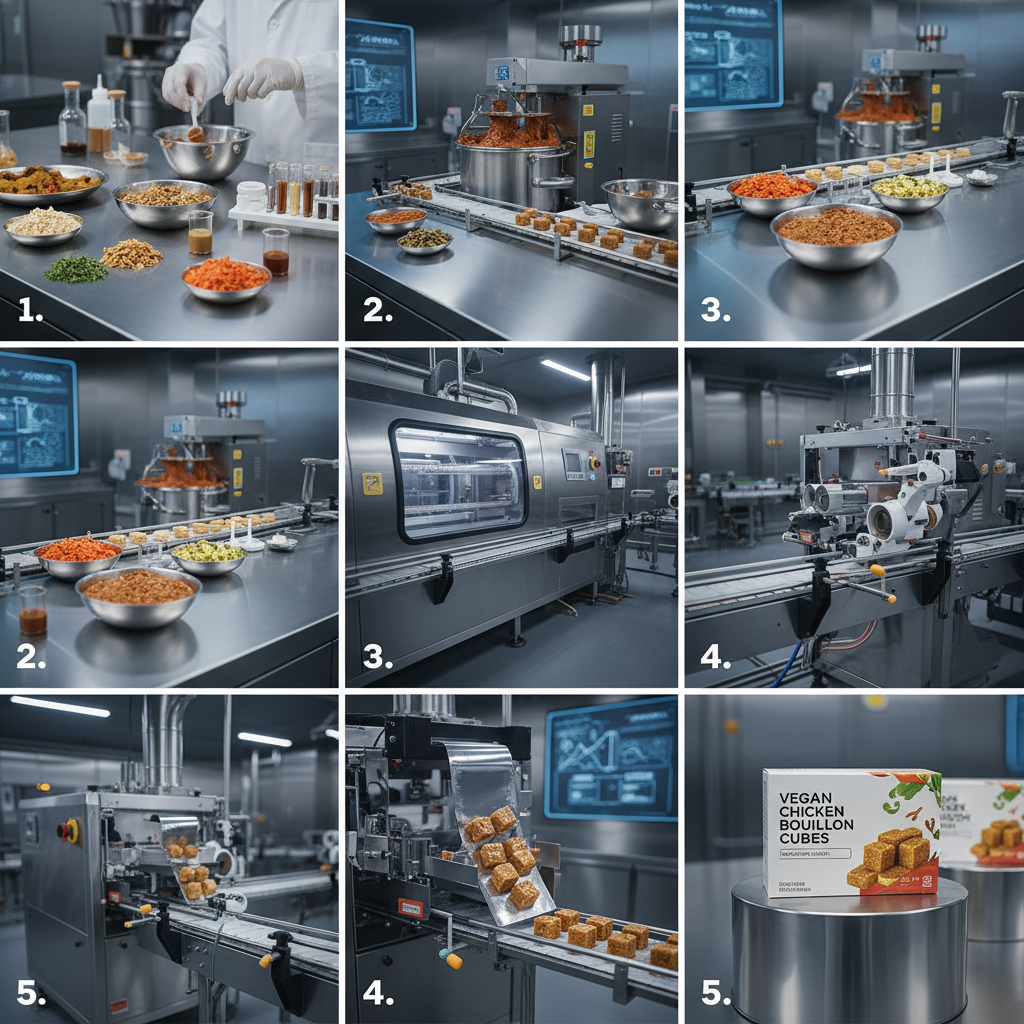
The art of making chicken bouillon is a cornerstone of the global food additive industry, bridging the gap between traditional culinary richness and modern industrial efficiency. By transforming fresh poultry extracts into stable, concentrated forms, manufacturers provide kitchens and food processors worldwide with a consistent base for soups, sauces, and savory snacks. Understanding the intricacies of this process is essential for achieving the perfect balance of umami, salt, and aromatic profiles.
From a global perspective, the demand for high-quality bouillon has surged as urban lifestyles drive the need for convenience without sacrificing taste. The ability to standardize the flavor of chicken stock allows for scalable food production, ensuring that a product tastes the same in New York as it does in Tokyo. This standardization relies heavily on the precise application of food additives and pharmaceutical-grade intermediates to maintain stability and shelf-life.
Beyond mere convenience, the technical mastery of making chicken bouillon addresses critical food security and nutritional challenges. By concentrating nutrients and flavors into a compact powder or cube, the industry reduces transportation costs and waste, making savory nutritional bases more accessible to diverse populations, including those in remote industrial zones or humanitarian relief areas.
The Technical Foundation of Making Chicken Bouillon
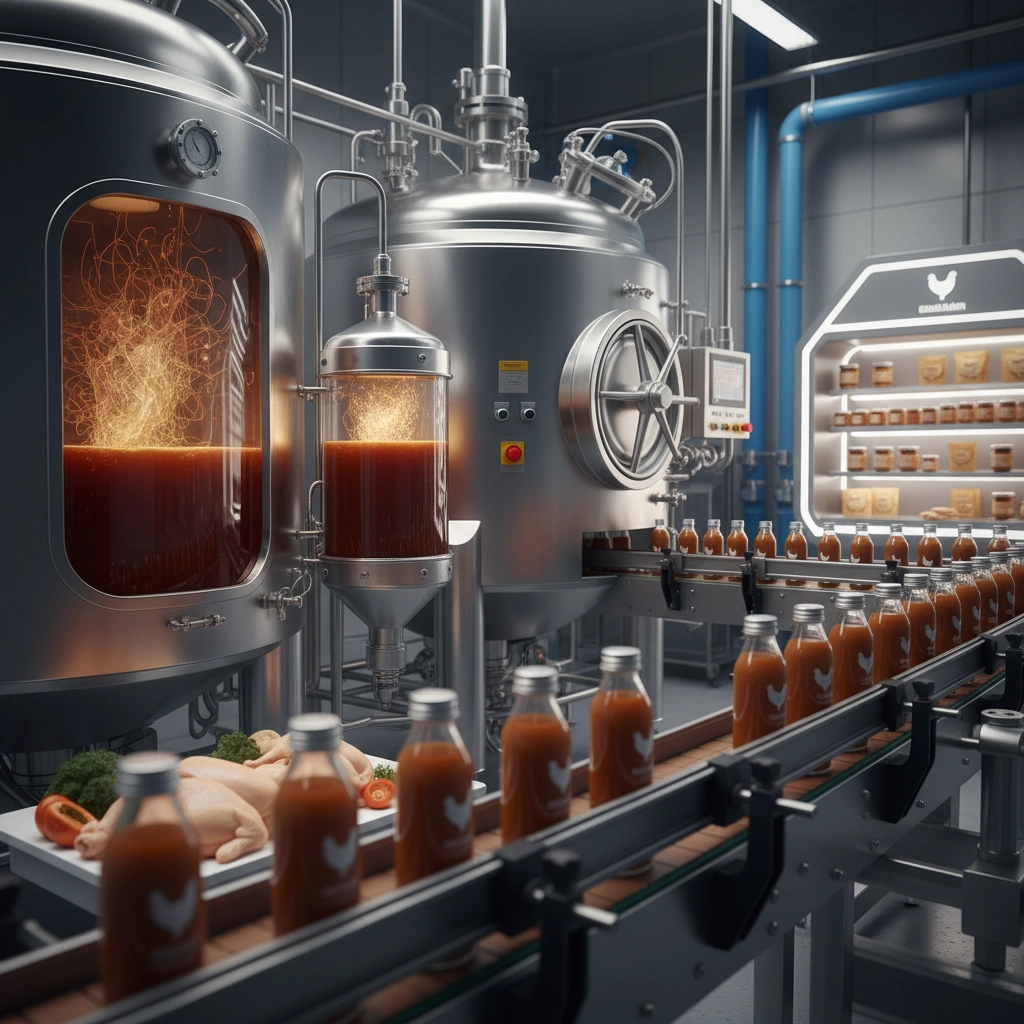
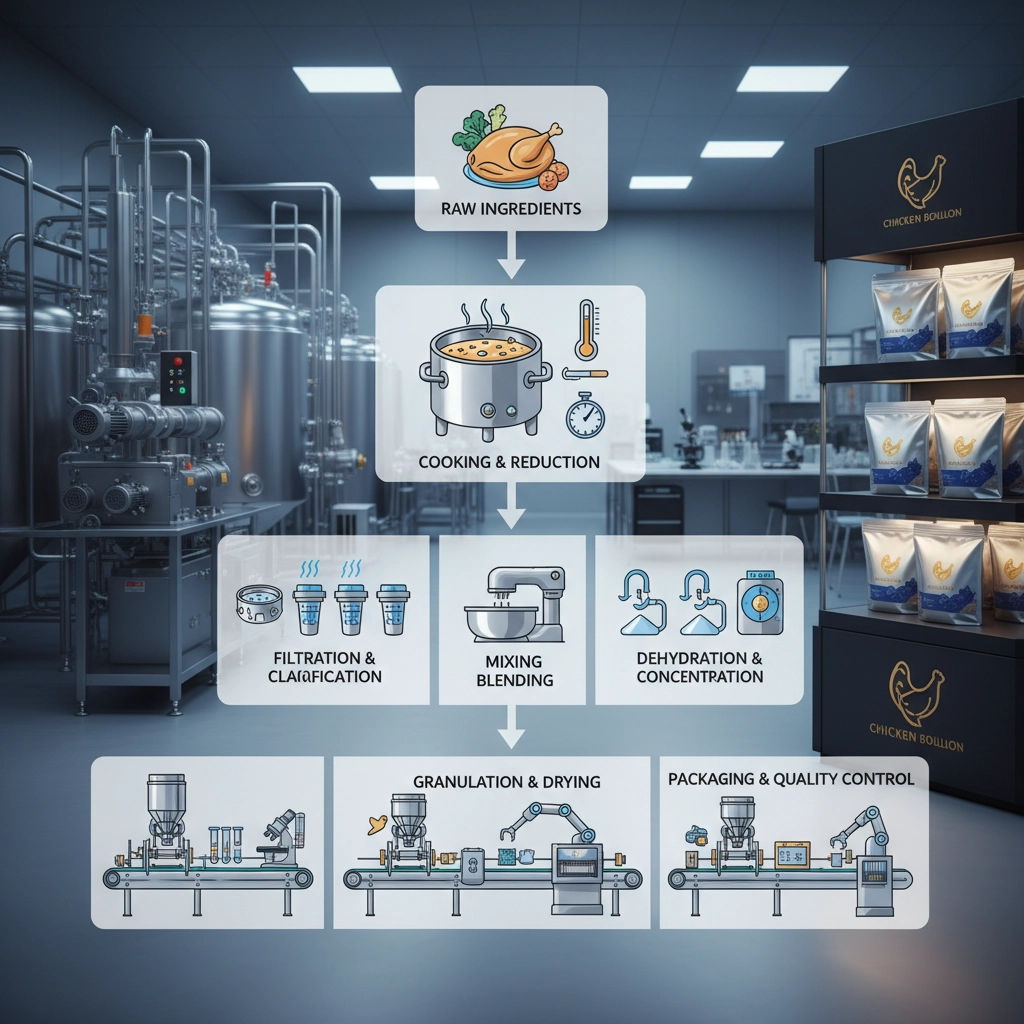
At its core, making chicken bouillon involves the complex extraction of proteins, fats, and amino acids from chicken carcasses through controlled thermal processing. This process requires precise temperature regulation to avoid scorching the proteins, which would introduce bitter off-notes. The resulting liquid is then filtered and concentrated, often utilizing vacuum evaporation to preserve the delicate volatile compounds that provide the characteristic "chicken" aroma.
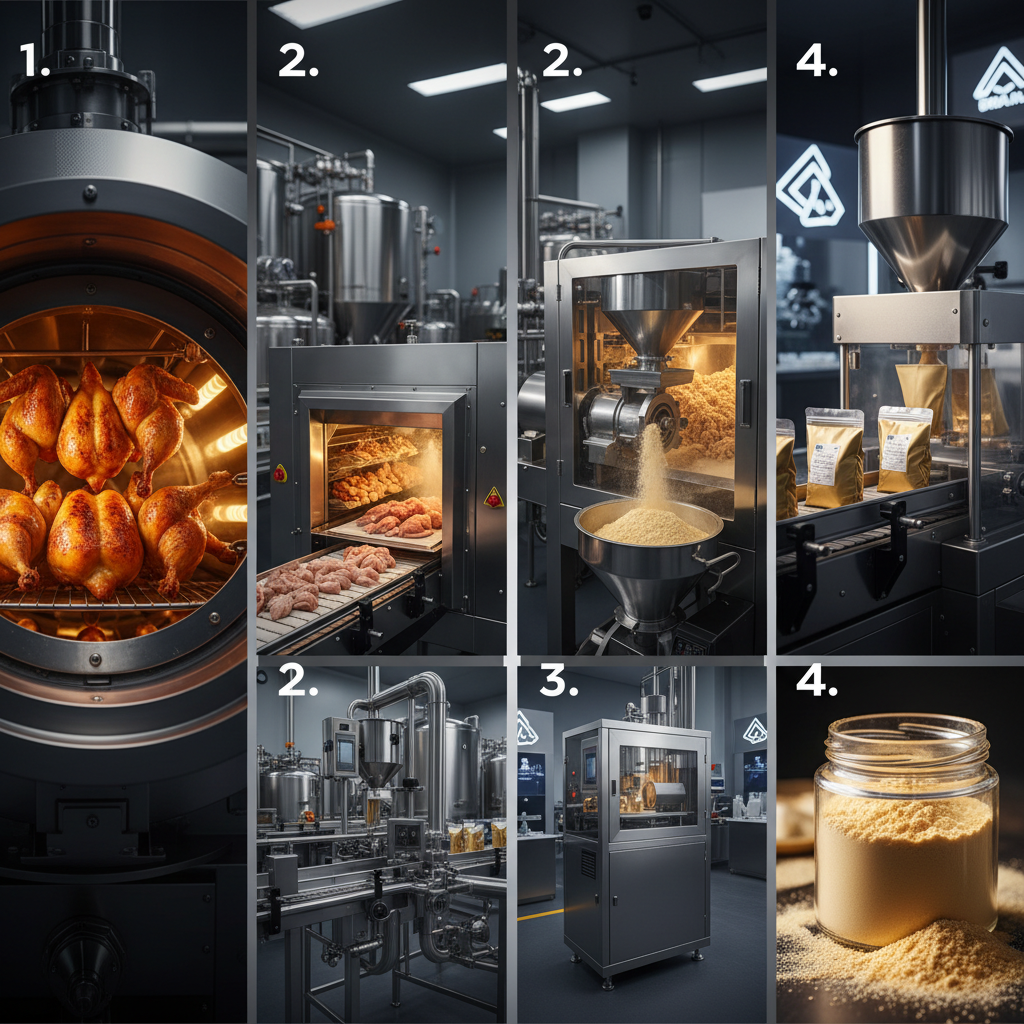
Once the concentrate is achieved, the transition to a powder or cube requires advanced dehydration techniques such as spray drying or freeze drying. These methods ensure that the product remains hygroscopic-stable, preventing clumping while maintaining rapid solubility when reintroduced to water. The integration of high-quality food additives during this phase is what differentiates a generic stock from a premium commercial bouillon.
Global Market Dynamics and Industrial Demand
The global landscape for making chicken bouillon is shaped by an increasing demand for "clean label" products and the expansion of the processed food sector in Asia and Africa. According to industry trends aligned with ISO quality standards, there is a significant shift toward reducing MSG (monosodium glutamate) and replacing it with yeast extracts and hydrolyzed vegetable proteins (HVP) to satisfy health-conscious consumers.
In developed markets, the challenge lies in balancing the "natural" perception with the need for an extended shelf life. Manufacturers are increasingly investing in cold-press extraction and advanced filtration to maintain a higher percentage of natural chicken solids. This shift is not merely a trend but a response to consumer transparency demands, where the origin of every additive must be traceable and sustainable.
Furthermore, the rise of ready-to-eat (RTE) meals has placed an immense burden on the scalability of bouillon production. The ability to produce thousands of tons of consistent base material per month requires a seamless integration of automated dosing systems and real-time quality control sensors, ensuring that every batch adheres to strict flavor profiles and safety regulations.
Core Components for Flavor Optimization
To achieve a professional grade in making chicken bouillon, one must focus on the synergy between salt, fats, and umami agents. The salt doesn't just provide flavor; it acts as a preservative and a carrier for other aromatic molecules, ensuring the taste is distributed evenly across the palate.
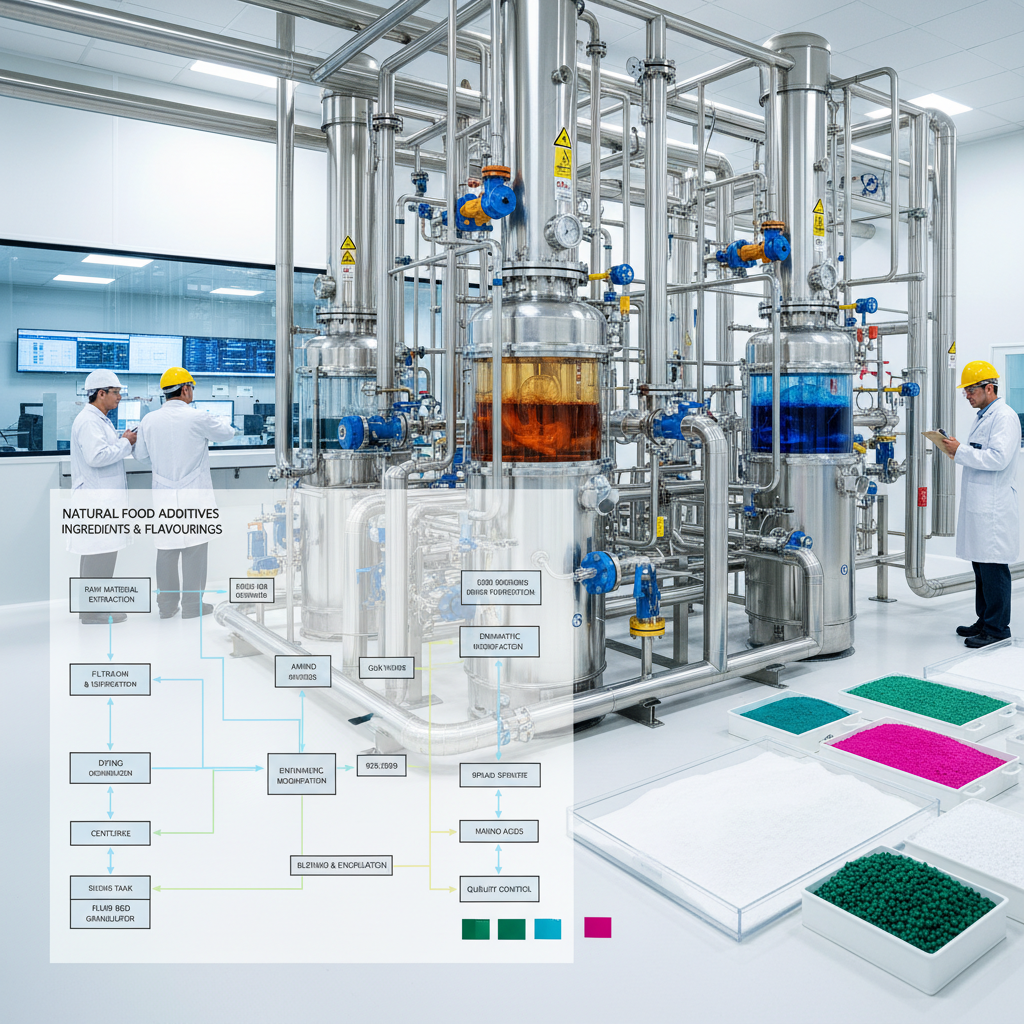
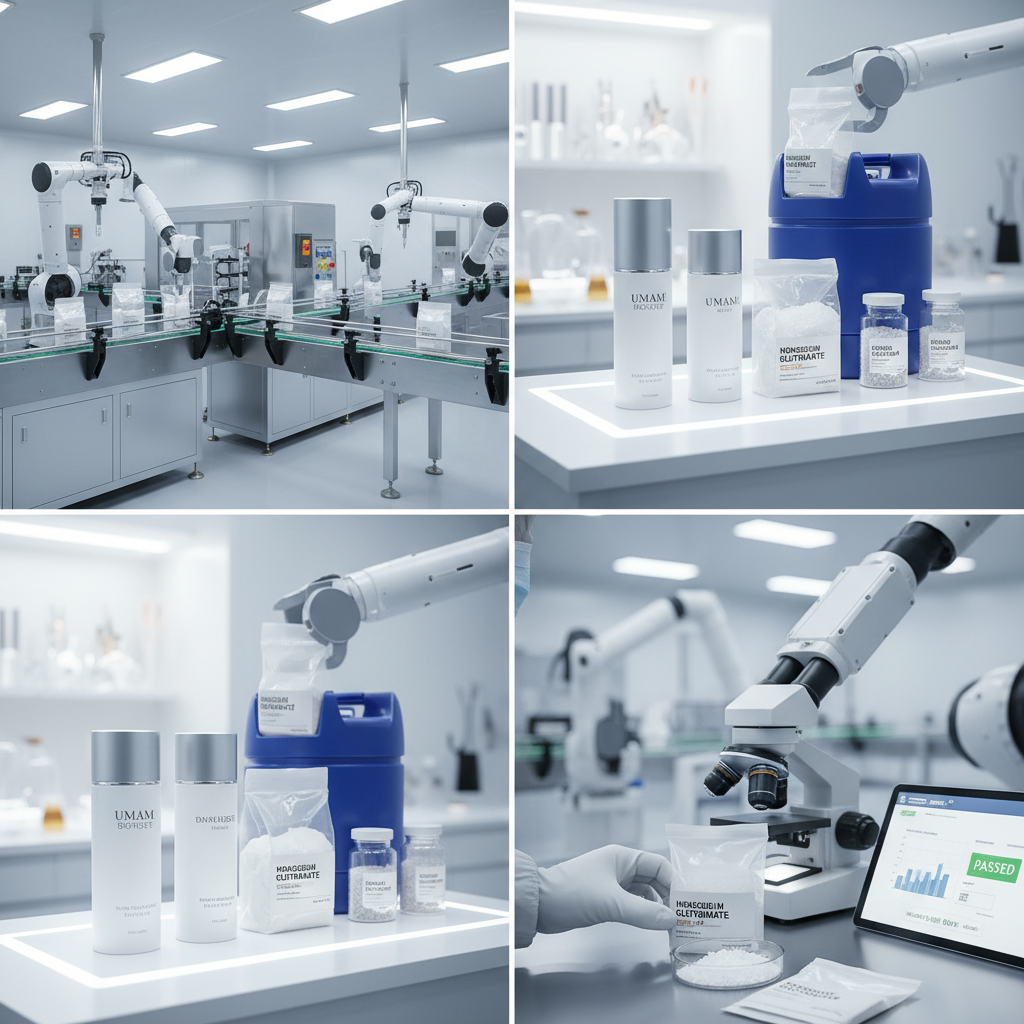
The secret to a deep, savory profile when making chicken bouillon lies in the use of nucleotide enhancers like IMP (Inosine Monophosphate) and GMP (Guanosine Monophosphate). These additives work synergistically with glutamates to amplify the perception of "meatiness," allowing manufacturers to reduce the total amount of actual chicken extract while maintaining a rich, full-bodied taste.
Finally, the addition of aromatic powders—such as dehydrated onion, garlic, and celery—completes the flavor architecture. These ingredients are added at specific stages of the drying process to prevent the loss of volatile oils, ensuring that the bouillon releases a fragrant bouquet the moment it hits boiling water.
Efficiency Metrics in Industrial Production
When evaluating the success of making chicken bouillon at scale, efficiency is measured by the yield of soluble solids and the energy cost of dehydration. Modern plants utilize heat recovery systems to recycle the energy from the evaporation phase, significantly lowering the carbon footprint of the production line.
Another key metric is the dissolution rate, which determines the user experience for the end consumer. A high-quality bouillon must dissolve completely within 60 seconds in 100°C water without leaving gritty residues, a feat achieved through precise particle size distribution during the milling process.
Comparative Efficiency of Bouillon Production Methods
Global Applications and Sector Use Cases
The versatility of making chicken bouillon extends far beyond the home kitchen. In the industrial food sector, bouillon serves as the fundamental base for dehydrated soup mixes, instant noodles, and savory snack seasonings. Its ability to provide a consistent, high-impact flavor makes it indispensable for multinational food brands that require uniformity across different geographical regions.
In more critical contexts, such as post-disaster relief operations or military field rations, concentrated bouillon provides a vital source of sodium and flavor, which are essential for maintaining appetite and morale in high-stress environments. Because it is lightweight and shelf-stable, it is the preferred choice for NGOs and government agencies providing nutritional support in remote industrial zones or disaster-stricken areas.
Long-Term Value of Standardized Seasonings
The long-term value of investing in the precise science of making chicken bouillon is reflected in the reduction of food waste. By utilizing "ugly" or non-prime cuts of chicken for extraction, manufacturers can convert secondary raw materials into high-value products, contributing to a more circular economy within the poultry industry.
From a commercial standpoint, standardization breeds trust. When a B2B client purchases a shipment of bouillon, they are buying a guarantee that their final product will not fluctuate in taste. This reliability allows for the automation of other production stages, as the "flavor variable" is effectively removed from the equation.
Moreover, the innovation in making chicken bouillon promotes social impact. By lowering the cost of producing nutrient-dense savory bases, companies can offer affordable seasoning options to developing economies, improving the palatability and consumption of essential grains and legumes in underserved regions.
Future Innovations in Bouillon Manufacturing
Looking ahead, the future of making chicken bouillon is being reshaped by biotechnology. The use of precision fermentation to create "animal-free" chicken flavors is gaining traction, allowing companies to mimic the taste of poultry using yeast or fungi. This not only appeals to the vegan market but also drastically reduces the environmental impact associated with livestock farming.
Digital transformation is also playing a role, with AI-driven flavor profiling being used to analyze consumer preferences in real-time. By adjusting the ratios of additives and extracts based on big data, manufacturers can create region-specific bouillons that cater to the subtle taste differences between, for example, Southeast Asian and Latin American markets.
Sustainability policies are further pushing the industry toward green energy. The next generation of bouillon plants will likely utilize solar-thermal evaporation and biodegradable packaging, ensuring that the convenience of the product does not come at the cost of the planet.
Analysis of Future Trends in Bouillon Manufacturing Technology
| Innovation Type |
Technical Impact |
Sustainability Score |
Market Adoption |
| Precision Fermentation |
Animal-free protein synthesis |
9/10 |
Emerging |
| AI Flavor Profiling |
Dynamic recipe adjustment |
6/10 |
Moderate |
| Solar Evaporation |
Zero-carbon concentration |
10/10 |
Low |
| Nano-Encapsulation |
Enhanced aroma release |
7/10 |
High |
| Clean-Label Extracts |
Removal of artificial MSG |
8/10 |
Very High |
| Biodegradable Cubes |
Plastic-free wrapping |
9/10 |
Moderate |
FAQS
The most critical factor is the control of water activity (aw). By using effective drying techniques and adding food-grade anti-caking agents, manufacturers prevent moisture absorption and microbial growth, ensuring a shelf life of 12 to 24 months without refrigeration.
Yes, industrial producers are increasingly using yeast extracts, hydrolyzed vegetable proteins (HVP), and mushroom powders to provide the same umami depth. These alternatives satisfy "clean label" requirements while maintaining the savory profile expected by consumers.
Spray drying is faster and more cost-effective, making it ideal for high-volume production, though it uses heat which can slightly alter delicate aromas. Freeze drying preserves the original flavor and nutritional profile more accurately but is significantly more expensive and slower.
While bouillon is primarily a food product, certain high-purity extracts are used in specialized nutrition and pharmaceutical intermediates for patient recovery diets, where standardized sodium and protein levels are strictly regulated.
Consistency is achieved through the use of standardized raw materials and automated dosing systems. Implementing a strict quality control protocol that tests for refractive index (Brix) and salt concentration at each stage of production is essential.
Commonly used agents include sodium aluminosilicate or calcium silicate, which prevent clumping. Additionally, adjusting the particle size through controlled milling ensures that the powder disperses rapidly when added to hot liquid.
Conclusion
Mastering the process of making chicken bouillon is a blend of culinary art and industrial science. By balancing the technical aspects of extraction, the chemistry of flavor enhancers, and the efficiency of modern dehydration, manufacturers can create a product that is both commercially viable and highly valued by consumers. The integration of quality food additives and a commitment to standardization ensures that this essential seasoning continues to support global food chains.
As we move toward a future defined by sustainability and biotechnology, the bouillon industry must continue to evolve. Embracing plant-based alternatives, AI-driven optimization, and green manufacturing processes will not only reduce environmental impact but also open new markets. For those looking to enhance their production quality or source premium ingredients, staying informed on these trends is the key to long-term success. Visit our website for more professional solutions: www.chinaseasoning.com