In the competitive landscape of modern food production, achieving a consistent and authentic taste profile is a primary challenge for manufacturers. chicken flavor powder serves as a critical solution, providing a standardized, concentrated essence that eliminates the volatility of raw ingredients while ensuring a high-quality sensory experience for consumers worldwide.
From the perspective of global food security and industrial efficiency, the use of advanced seasoning powders allows for the fortification of bland staples and the creation of convenient, ready-to-eat meals. By integrating precise chemical and natural flavor profiles, chicken flavor powder enables brands to scale their production without sacrificing the "homemade" quality that drives customer loyalty.
Understanding the technical nuances of these additives—ranging from their stability under high heat to their solubility in various mediums—is essential for any food technologist. This guide explores the multifaceted role of chicken flavor powder in the global market, detailing its applications, advantages, and the future of flavor science.
Global Market Relevance of Chicken Flavor Powder
The global demand for convenient, savory flavorings has surged as urbanization and the pace of modern life increase. According to market trends aligned with ISO quality standards, the savory flavor segment—led by chicken flavor powder—has seen consistent growth due to the versatility of chicken as a universally accepted protein profile across different cultures and dietary restrictions.
However, the industry faces a significant challenge: the gap between synthetic "artificial" tastes and the complex, deep profile of slow-cooked poultry. This has led to a shift toward "clean label" formulations and the use of biotechnology to create chicken flavor powder that mimics the Maillard reaction naturally, meeting the high expectations of health-conscious consumers.
Defining the Composition of Chicken Flavor Powder
At its core, chicken flavor powder is a sophisticated blend of flavor precursors, taste enhancers, and carriers. Unlike simple salt-based seasonings, industrial-grade powders utilize a combination of hydrolyzed vegetable proteins, yeast extracts, and specific aromatic compounds that trigger the olfactory receptors associated with roasted or boiled chicken.
In the context of modern food manufacturing, this powder is more than just a seasoning; it is a tool for humanitarian aid and food security. In regions where fresh protein is scarce or expensive, chicken flavor powder is used to fortify nutrient-dense porridge or relief rations, providing the psychological comfort of a familiar meal while maintaining a long shelf life.
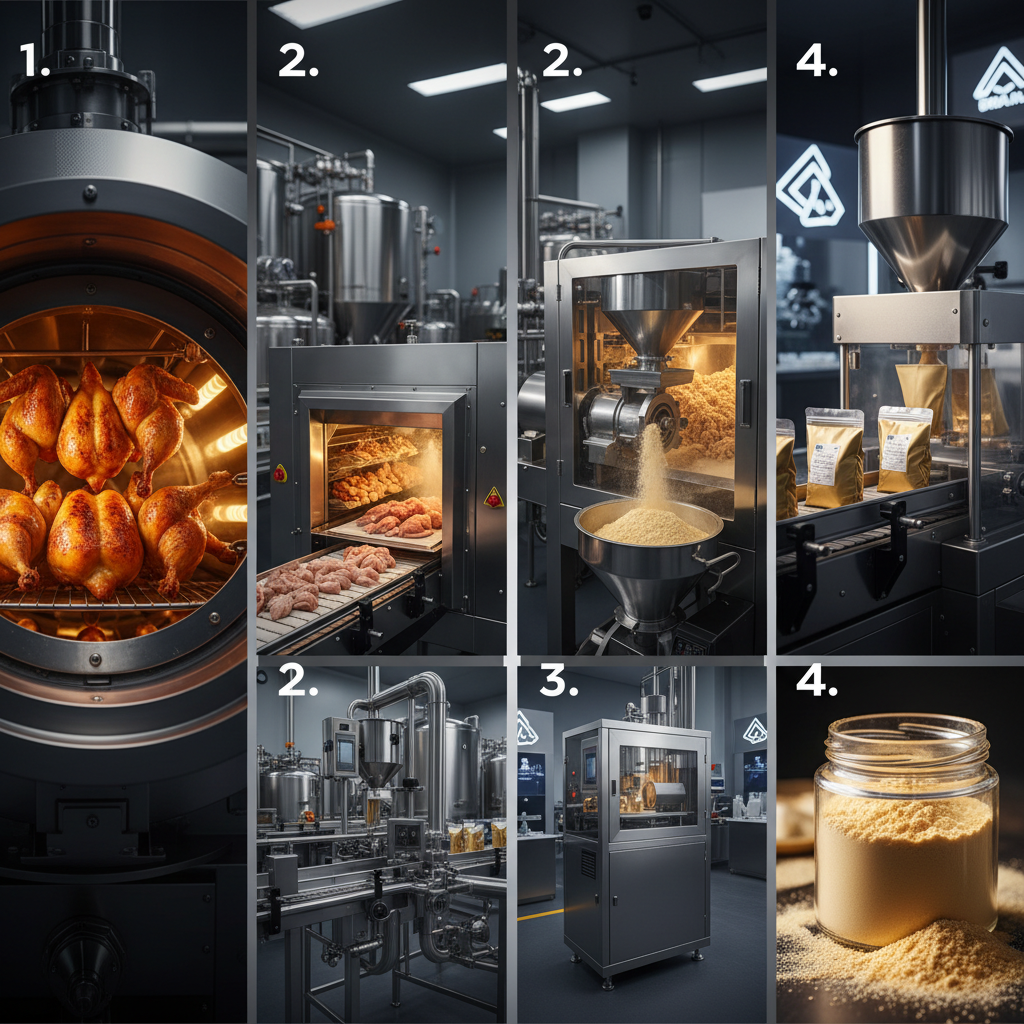
Technically, the production involves spray-drying or freeze-drying processes that encapsulate volatile oils within a powder matrix. This ensures that the chicken flavor powder remains stable during transport and only releases its full aromatic potential when rehydrated or heated during the final cooking stage.
Core Technical Factors for Quality Assurance
One of the most critical factors in the production of chicken flavor powder is solubility. In fast-paced industrial environments, a powder that clumps or fails to dissolve evenly can lead to "hot spots" of flavor in a batch, ruining the consistency of the final product.
Thermal Stability is equally vital. Because chicken flavor powder is often used in retorted pouches or high-heat extrusion (like in snack puffs), the flavor molecules must withstand temperatures exceeding 120°C without degrading into bitter compounds.
Finally, sensory scalability ensures that the profile remains the same whether used in a 10-gram sachet or a 1,000-liter vat. Precise control over the ratio of glutamates to aromatic esters allows chicken flavor powder to provide a balanced "umami" punch that enhances other ingredients without overpowering them.
Industrial Applications and Use Cases
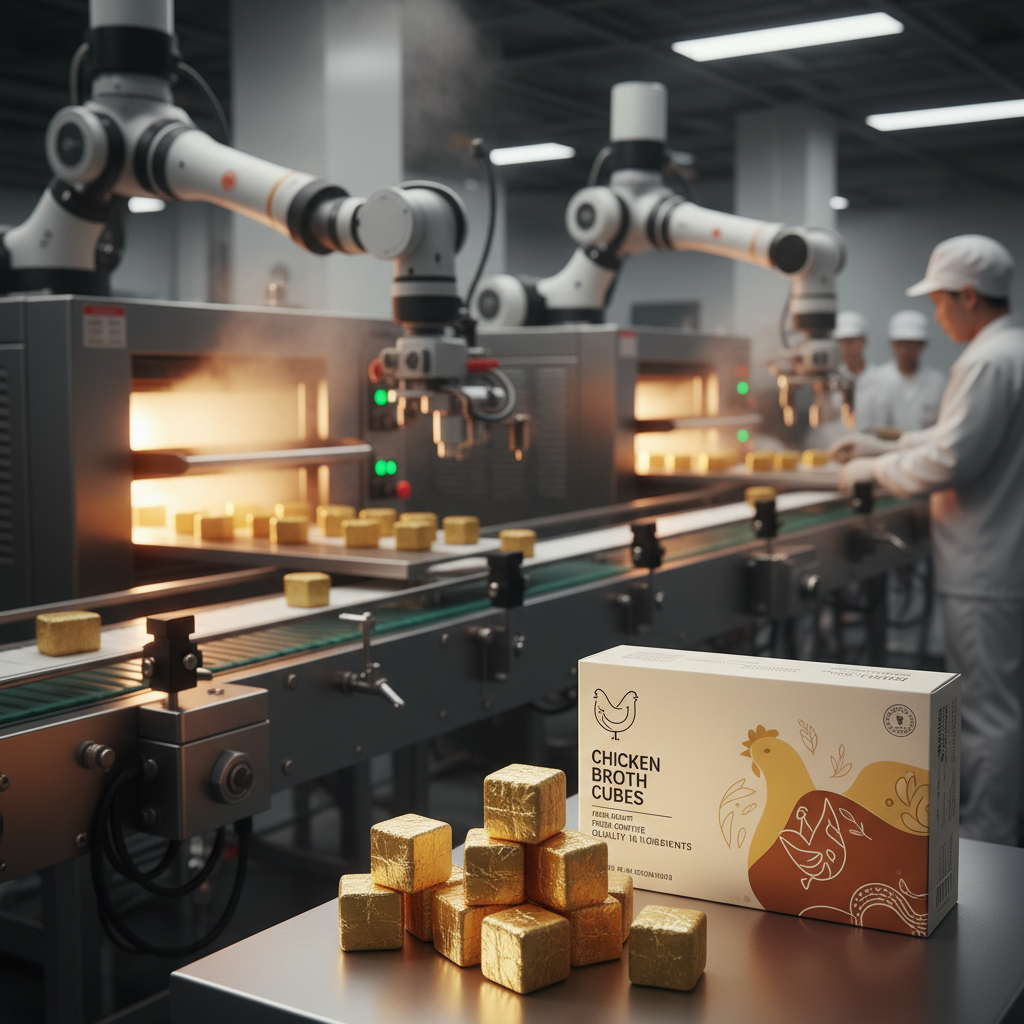
The application of chicken flavor powder extends far beyond simple bouillon cubes. In the snack food industry, it is a primary component for extruded corn chips and popcorn, where the powder must adhere to the surface without adding excessive moisture. In the instant noodle sector, it forms the base of the seasoning packet, providing a complex broth profile in seconds.
Beyond commercial snacks, we see strategic use in specialized zones. For example, in remote industrial mining camps or post-disaster relief operations, chicken flavor powder is utilized to make bland, nutrient-dense emergency foods palatable, significantly improving the morale and caloric intake of affected populations.
Efficiency Rating of Chicken Flavor Powder Production Methods
Economic and Operational Advantages
The primary economic driver for adopting chicken flavor powder is the drastic reduction in raw material waste. Using fresh chicken to flavor a mass-market product introduces risks of spoilage and inconsistent fat content. The powder format offers a stable, long-term storage solution that reduces cold-chain reliance and lowers logistics costs.
Furthermore, the operational agility provided by chicken flavor powder allows manufacturers to pivot their product lines quickly. By simply adjusting the powder blend, a company can shift from a "Classic Roasted Chicken" profile to a "Spicy Ginger Chicken" profile without changing their entire production hardware, fostering rapid innovation and market responsiveness.
Future Innovations in Flavor Technology
The future of chicken flavor powder is inextricably linked to the rise of plant-based proteins. As the world shifts toward meat alternatives, the challenge is to create a "chicken" taste that does not rely on animal derivatives. This is driving innovation in fermentation-based flavor production, where precision yeast is programmed to produce the exact amino acid sequences found in real poultry.
Digital transformation is also playing a role. AI-driven "electronic noses" are now being used to analyze the volatile organic compounds (VOCs) of premium organic chickens, which then informs the precise formulation of chicken flavor powder. This ensures a level of authenticity that was previously impossible with traditional trial-and-error blending.
Sustainability is the final pillar. New "green" spray-drying technologies are reducing the carbon footprint of production by utilizing waste heat recovery systems. The goal is to produce a chicken flavor powder that is not only delicious and cost-effective but also produced with a net-zero impact on the environment.
Overcoming Challenges in Powder Stability
Despite its advantages, chicken flavor powder often suffers from hygroscopicity—the tendency to absorb moisture from the air. This leads to caking, which can jam industrial dosing machines and reduce the shelf life of the product. To combat this, experts are utilizing advanced anti-caking agents and multi-layer moisture-barrier packaging.
Another challenge is the "flavor fade" that occurs over time as volatile aromatics evaporate. By employing micro-encapsulation technology, the active flavor components of the chicken flavor powder are shielded in a protective shell of maltodextrin or modified starch, ensuring a fresh-burst taste upon consumption.
Finally, navigating international regulatory frameworks (such as FDA or EFSA) requires rigorous testing for purity and allergen labeling. The industry is moving toward a standardized global certification for chicken flavor powder to facilitate seamless cross-border trade in the food additive sector.
Comparative Analysis of Chicken Flavor Powder Stability and Performance
| Grade Level |
Moisture Resistance |
Flavor Intensity |
Industrial Suitability |
| Standard Grade |
Moderate |
6/10 |
Small Scale |
| Premium Grade |
High |
8/10 |
Medium Scale |
| Industrial Pro |
Very High |
9/10 |
Mass Production |
| Organic Blend |
Low |
7/10 |
Specialty Niche |
| Vegan-Alt Grade |
High |
8/10 |
Plant-Based Line |
| Fortified Grade |
Moderate |
7/10 |
Humanitarian Aid |
FAQS
Natural chicken flavor powder is derived from actual poultry extracts or plant-based precursors that occur in nature, often using hydrolysis to break down proteins. Artificial versions use synthesized aroma chemicals to mimic the smell and taste. While artificial options are often cheaper and more stable, natural versions are preferred for "clean label" products and premium consumer markets.
The most effective way to prevent caking is to store the powder in airtight, moisture-proof containers (such as foil-lined bags) in a cool, dry environment. In industrial settings, the addition of food-grade anti-caking agents like silicon dioxide is common. Always ensure that the packaging is resealed immediately after use to prevent atmospheric moisture from entering.
Yes, provided you use a "Vegan-Alternative" or plant-based chicken flavor powder. These are formulated using yeast extracts, mushroom proteins, and specific amino acids to replicate the savory "chicken" taste without using any animal-derived ingredients. Always check the specification sheet for certifications like V-Label or Halal/Kosher to ensure compliance.
Generally, high-quality chicken flavor powder has a shelf life of 12 to 24 months when stored in original, unopened packaging. However, once opened, the quality may degrade faster due to oxidation. To maximize longevity, avoid exposure to direct sunlight and extreme temperature fluctuations, which can cause the volatile flavor compounds to dissipate.
While primarily a food additive, specific highly purified flavor profiles are sometimes used in pharmaceutical applications, such as masking the bitter taste of chewable vitamins or pediatric medicines. In these cases, the powder must meet pharmaceutical-grade purity standards to ensure there are no contaminants that could interfere with the active drug ingredients.
Dosage depends on the intensity of the powder grade. Typically, for snacks, a concentration of 0.5% to 2.0% of the total weight is used. We recommend starting with a "bench-top" trial at 0.1% increments to find the sensory sweet spot. Remember that the presence of other salts or acids in your recipe can amplify or mute the perceived intensity of the chicken flavor.
Conclusion
In summary, chicken flavor powder represents a vital intersection of culinary art and chemical engineering. By resolving the tension between taste consistency, cost-efficiency, and logistical stability, it enables food manufacturers to serve a global population with high-quality, savory products. From the precision of spray-drying to the innovation of plant-based alternatives, the evolution of this additive continues to drive the food industry forward.
As we look toward a future defined by sustainability and health-conscious eating, the development of "cleaner" and more eco-friendly flavor profiles will be paramount. Companies that invest in high-stability, high-authenticity chicken flavor powder will not only reduce their operational overhead but also win the trust of a discerning global consumer base. For those seeking premium seasoning solutions, exploring advanced formulations is the first step toward market leadership. Visit our website: www.chinaseasoning.com