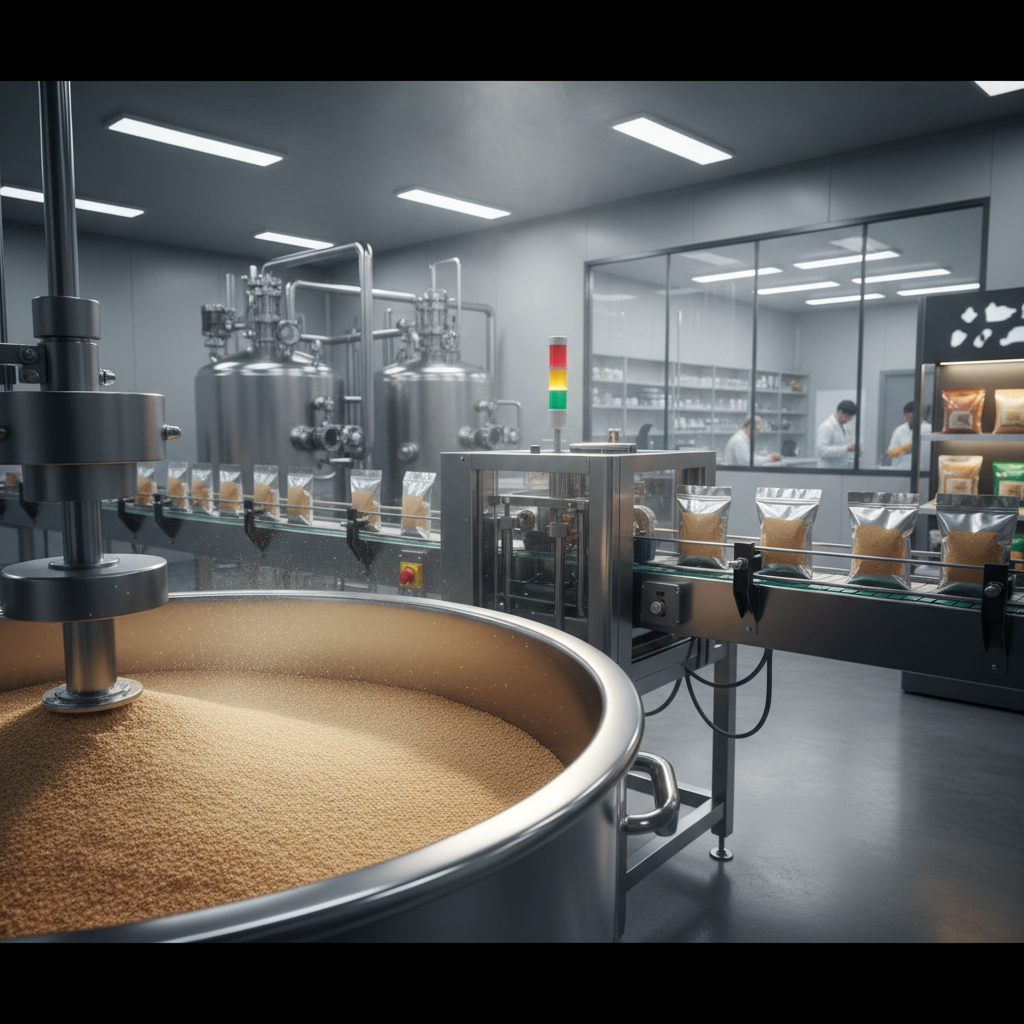
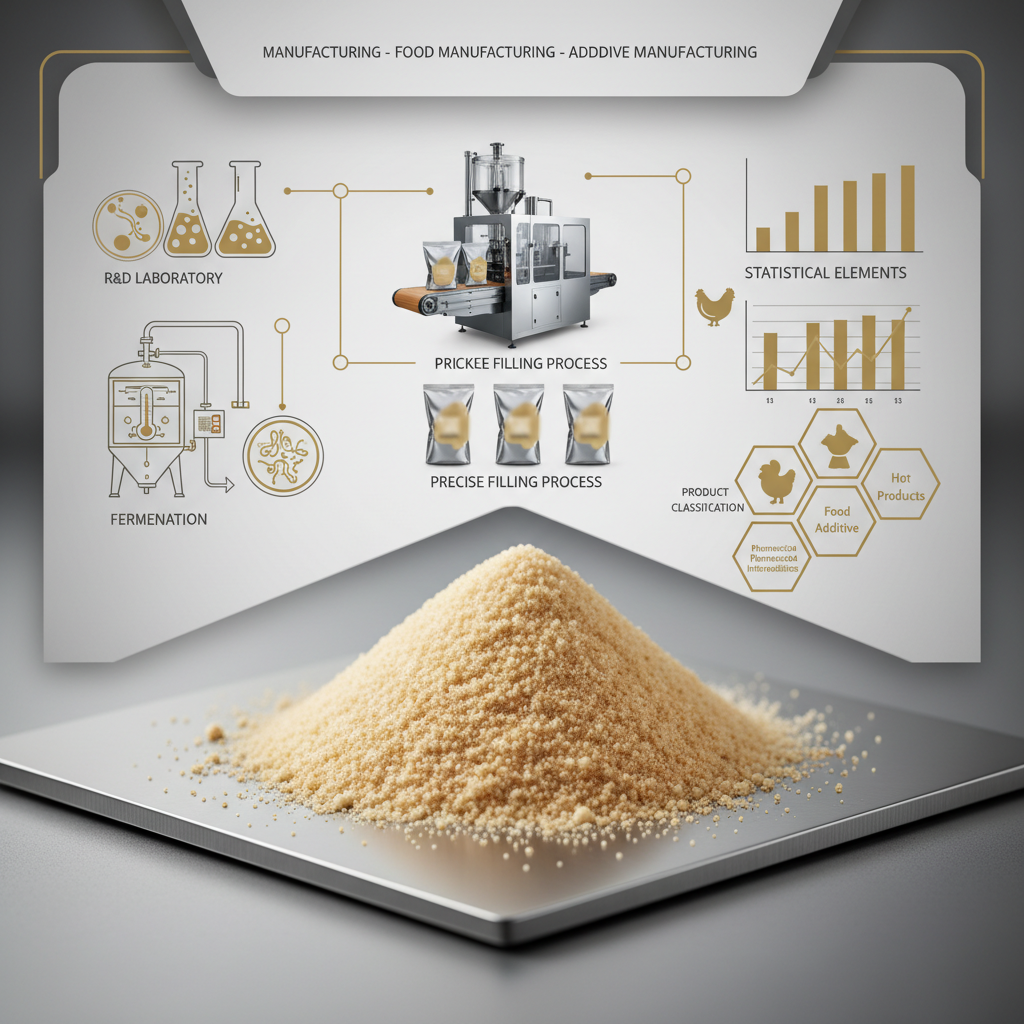
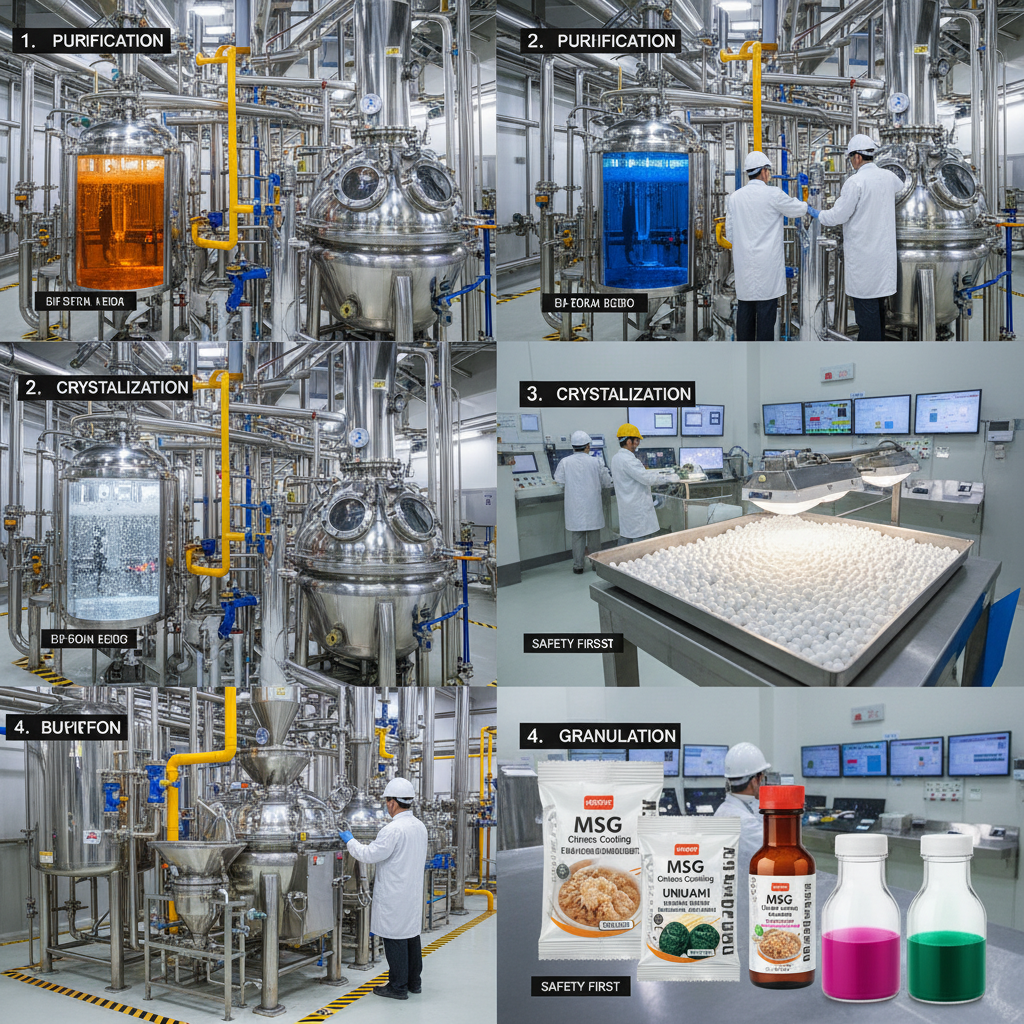
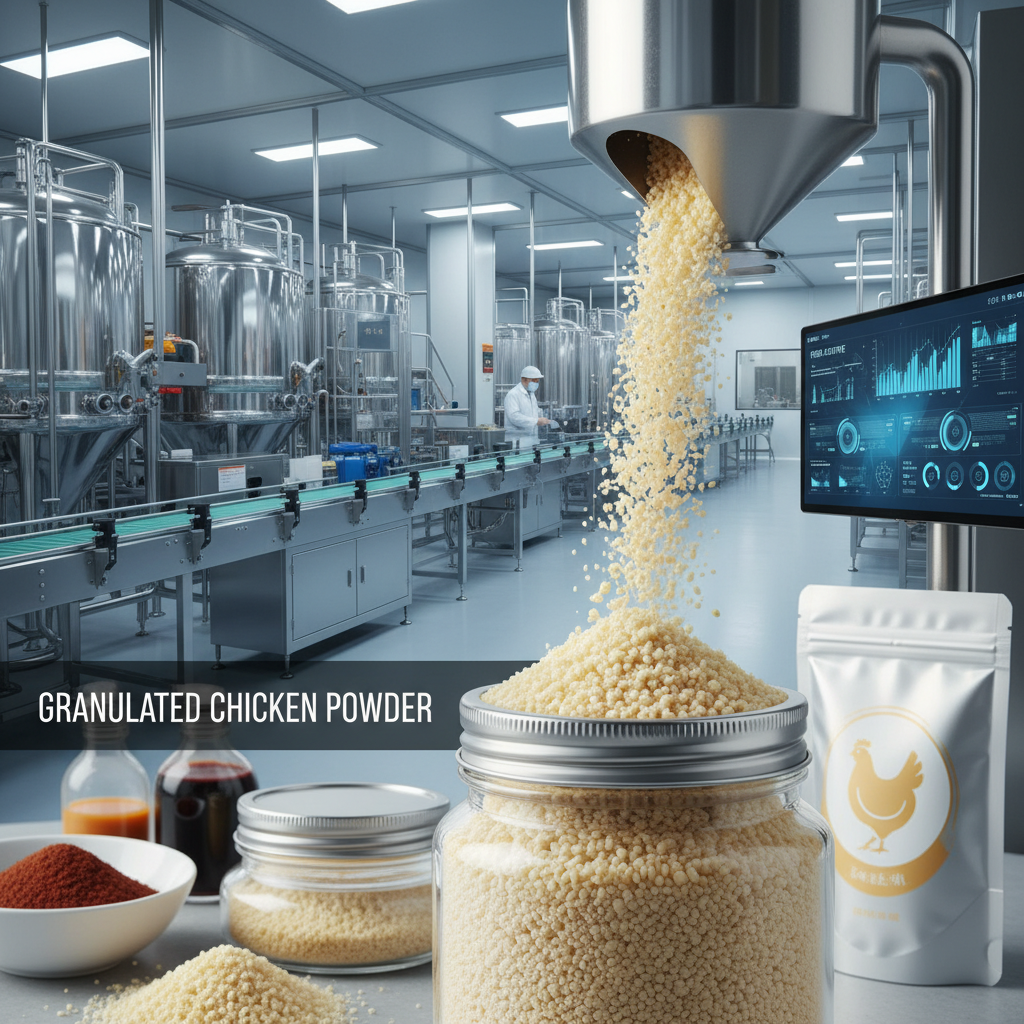
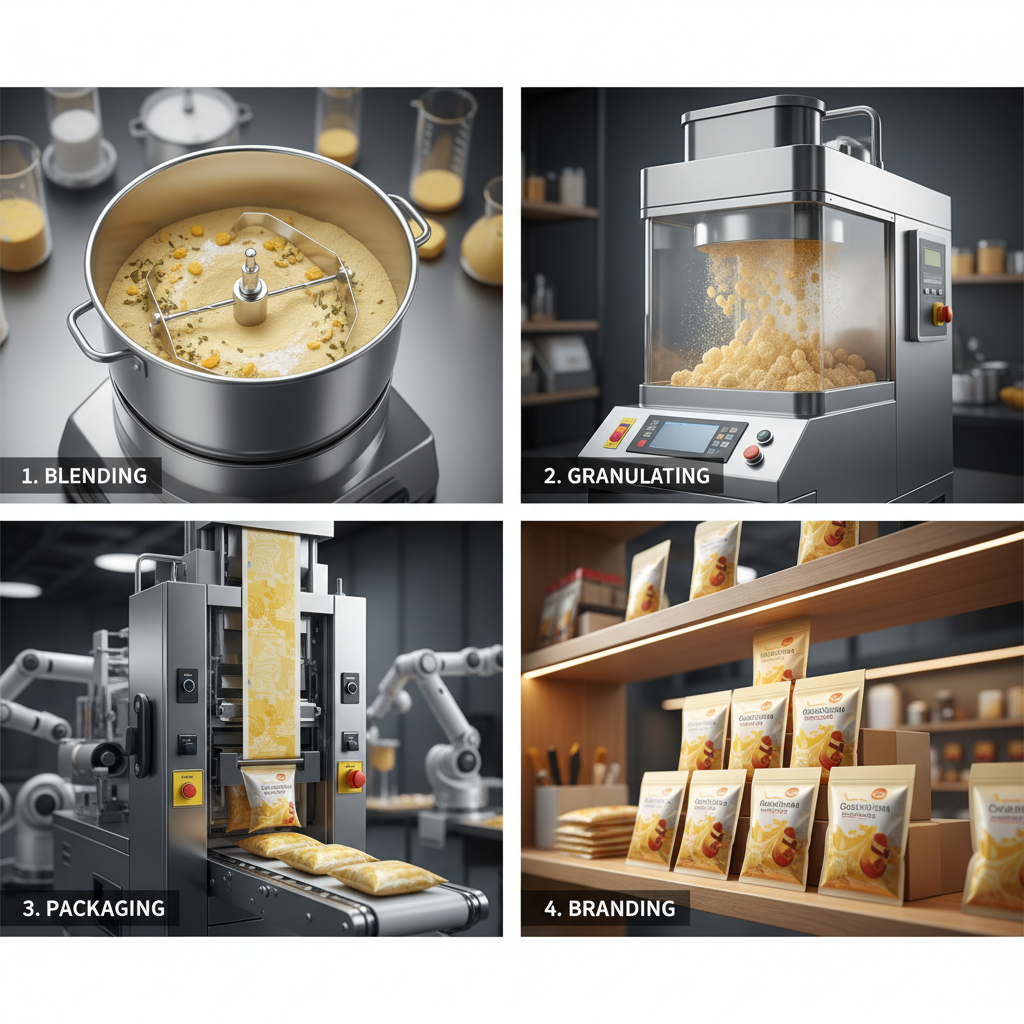
In the competitive landscape of the global food additive industry, chicken essence powder has emerged as a pivotal ingredient for manufacturers seeking to balance authentic taste with industrial scalability. This concentrated flavor enhancer is designed to replicate the rich, savory profile of slow-simmered chicken broth, providing a convenient solution for a wide array of applications from ready-to-eat meals to professional catering.
The global demand for high-quality seasoning solutions is driven by the fast-paced nature of modern urban living, where consumers crave traditional "home-cooked" flavors in processed formats. By integrating advanced spray-drying and extraction technologies, the production of chicken essence powder allows brands to maintain consistency across batches, reducing the volatility associated with raw poultry sourcing while optimizing production costs.
Understanding the technical nuances of this additive—ranging from its amino acid profile to its solubility and stability—is essential for food scientists and procurement managers. Whether used as a primary flavor base or a supporting enhancer, this ingredient plays a critical role in enhancing the sensory experience of food, ensuring that the final product resonates with the palate of a diverse global audience.
Global Industry Context of Chicken Essence Powder
The global seasoning market has undergone a significant transformation, with a shift toward concentrated, powdered formats that offer longer shelf lives and easier logistics. According to industry analysis reflecting ISO standards for food additives, the integration of chicken essence powder has allowed food manufacturers to standardize taste profiles across different geographic regions, overcoming the challenge of local ingredient variability.
As the demand for convenience foods rises in emerging markets across Asia and Africa, the need for cost-effective, high-impact flavor enhancers has surged. The primary challenge addressed by this powder is the reduction of preparation time and labor costs in industrial kitchens without sacrificing the "umami" depth typically associated with traditional long-hour simmering processes.
Definition and Technical Meaning
At its core, chicken essence powder is a dehydrated flavor concentrate derived from chicken extracts and a synergistic blend of salts, proteins, and flavor enhancers. Unlike simple bouillon cubes, a high-grade essence powder is engineered for rapid solubility and a clean flavor release, ensuring that it integrates seamlessly into liquids or dry mixes without leaving gritty residues.
From a technical perspective, the production involves the hydrolysis of proteins to release free amino acids, particularly glutamic acid, which provides the characteristic savory taste. This process is critical for modern food industry needs, as it provides a standardized chemical profile that ensures every batch of soup, sauce, or snack tastes identical, regardless of where it is produced.
Furthermore, its role extends beyond simple flavoring; it acts as a functional ingredient that enhances the perceived saltiness and richness of a dish. This allows manufacturers to potentially reduce total sodium content while maintaining a full-bodied taste, aligning with global health initiatives to lower salt intake in processed foods.
Core Components of High-Quality Powder
The efficacy of chicken essence powder depends largely on its purity and the balance of its core components. A premium product emphasizes the ratio of natural chicken extract to carriers, ensuring that the "meatiness" is prominent and not overshadowed by fillers like maltodextrin.
Scalability is another critical factor. For a chicken essence powder to be viable for industrial use, it must possess excellent flowability and anti-caking properties. This ensures that automated dosing systems in food factories can dispense the powder accurately without clogging, which is vital for maintaining the precision of the recipe.
Cost efficiency and stability are the final pillars. By optimizing the moisture content through advanced spray-drying, the powder remains stable under various temperature and humidity conditions. This longevity reduces waste in the supply chain and provides a reliable cost-per-serving metric for manufacturers operating on thin margins.
Practical Performance Metrics
Evaluating the performance of various formulations of chicken essence powder requires a data-driven approach. Factors such as solubility speed, aroma intensity, and taste persistence are measured to determine which grade of powder is best suited for specific applications, such as instant noodles versus high-end restaurant bases.
The following analysis compares different production methods to illustrate how the processing technique impacts the final quality and perceived value of the product.
Performance Analysis of Chicken Essence Powder Variants
Global Applications and Use Cases
The versatility of chicken essence powder allows it to penetrate multiple sectors of the food industry. In Southeast Asia, it is a staple in the production of instant noodle seasoning packets and snack coatings, where its stability under high-heat processing ensures the flavor remains intact after packaging.
Beyond commercial snacks, the powder is widely used in institutional catering, such as school cafeterias and military rations. In these contexts, the ability to quickly prepare large volumes of nutrient-rich, flavorful soups using a standardized chicken essence powder is invaluable for maintaining nutritional standards and meal satisfaction in remote or high-pressure environments.
Long-Term Value and Sustainability
Investing in high-quality chicken essence powder provides significant long-term economic value. By reducing the reliance on fresh chicken carcasses for broth production, companies can drastically lower their water consumption and energy usage associated with long-term boiling and cooling cycles.
From a social and psychological angle, the reliability of a consistent flavor profile builds consumer trust. When a customer purchases a product, they expect a specific taste experience; the precision offered by industrial-grade powders ensures this trust is maintained, fostering brand loyalty and reducing the risk of product recalls due to flavor inconsistency.
Furthermore, the shift toward "clean label" versions of these powders—reducing artificial additives and replacing them with natural yeast extracts—demonstrates a commitment to health and innovation. This evolution ensures that the product remains relevant in a market that increasingly values transparency and natural ingredients.
Future Trends in Flavor Innovation
The future of chicken essence powder is closely tied to the digital transformation of food science. AI-driven flavor profiling is now being used to analyze consumer preferences in real-time, allowing manufacturers to tweak the amino acid composition of their powders to match regional tastes more accurately than ever before.
Sustainability is also driving the adoption of hybrid powders, where traditional chicken extracts are blended with plant-based proteins or fermented fungi to create "umami bombs" that reduce the environmental footprint of livestock farming. This transition toward sustainable sourcing is not just an ethical choice but a strategic move to ensure supply chain resilience.
Automation in production, such as the use of smart sensors to monitor the moisture levels during the spray-drying process, is ensuring that waste is minimized and purity is maximized. This technical evolution ensures that chicken essence powder continues to be the gold standard for savory flavor enhancement.
Comparative Analysis of Chicken Essence Powder Innovation Trends
| Trend Dimension |
Traditional Method |
Innovative Approach |
Impact Score (1-10) |
| Sourcing |
Pure Poultry Extract |
Hybrid Protein Blends |
8 |
| Drying Tech |
Standard Spray Drying |
Nano-Encapsulation |
9 |
| Labeling |
MSG-Based Enhancers |
Clean Label Yeast Extracts |
10 |
| Customization |
One-size-fits-all |
AI-Targeted Flavor Profiling |
7 |
| Solubility |
Standard Dissolution |
Instant-Release Micro-particles |
8 |
| Eco-Footprint |
High Water Usage |
Closed-Loop Water Recovery |
9 |
FAQS
Chicken essence powder is typically more concentrated and formulated for higher solubility and a cleaner taste profile compared to bouillon. While bouillon often contains higher levels of salt and fats to maintain a cube structure, essence powder focuses on the volatile aromatic compounds and amino acids, making it more suitable for industrial food production and precise recipe formulation.
To maintain stability, it is crucial to use powder that incorporates high-quality anti-caking agents and is packaged in moisture-proof, airtight aluminum foil bags. Storing the product in a cool, dry place with humidity levels below 60% is recommended. For industrial scales, using vacuum-sealed silos with nitrogen flushing can prevent oxidation and clumping.
Yes, depending on the grade. Many modern manufacturers offer "Clean Label" versions of chicken essence powder that replace synthetic flavor enhancers (like MSG) with natural yeast extracts and hydrolyzed vegetable proteins. When sourcing, request a full ingredient specification to ensure the product meets your specific regulatory and labeling requirements for natural ingredients.
High-quality chicken essence powder is designed for versatility. While it dissolves instantly in hot liquids, premium grades are also processed for cold-water solubility, making them ideal for cold sauces, dressings, and marinades. Always perform a solubility test on a small batch to ensure the particle size is compatible with your specific application temperature.
Because chicken essence powder is rich in natural glutamates, it enhances the "perceived saltiness" of a product. This allows food developers to reduce the actual amount of added sodium chloride (table salt) without compromising the savory depth of the food, helping brands meet healthier nutritional guidelines while maintaining a great taste.
Importing requires compliance with the destination country's food safety authorities (such as the FDA in the US or EFSA in the EU). You will need a Certificate of Analysis (COA), a Material Safety Data Sheet (MSDS), and a Health Certificate. We recommend working with a supplier who is familiar with ISO and HACCP standards to ensure a smooth customs clearance process.
Conclusion
In summary, chicken essence powder represents a sophisticated intersection of culinary tradition and industrial efficiency. By providing a consistent, scalable, and high-impact flavor solution, it empowers food manufacturers to deliver authentic savory experiences while optimizing their production costs and supply chain logistics. From its core chemical composition to its diverse applications in global markets, this additive is an indispensable tool for any brand aiming for sensory excellence.
Looking ahead, the industry will continue to evolve toward cleaner labels and more sustainable production methods. Companies that embrace these innovations—integrating AI-driven flavor profiles and eco-friendly sourcing—will be best positioned to lead the market. We encourage food scientists and procurement specialists to prioritize quality and technical purity to ensure the long-term success of their product lines. Visit our website for professional solutions: www.chinaseasoning.com