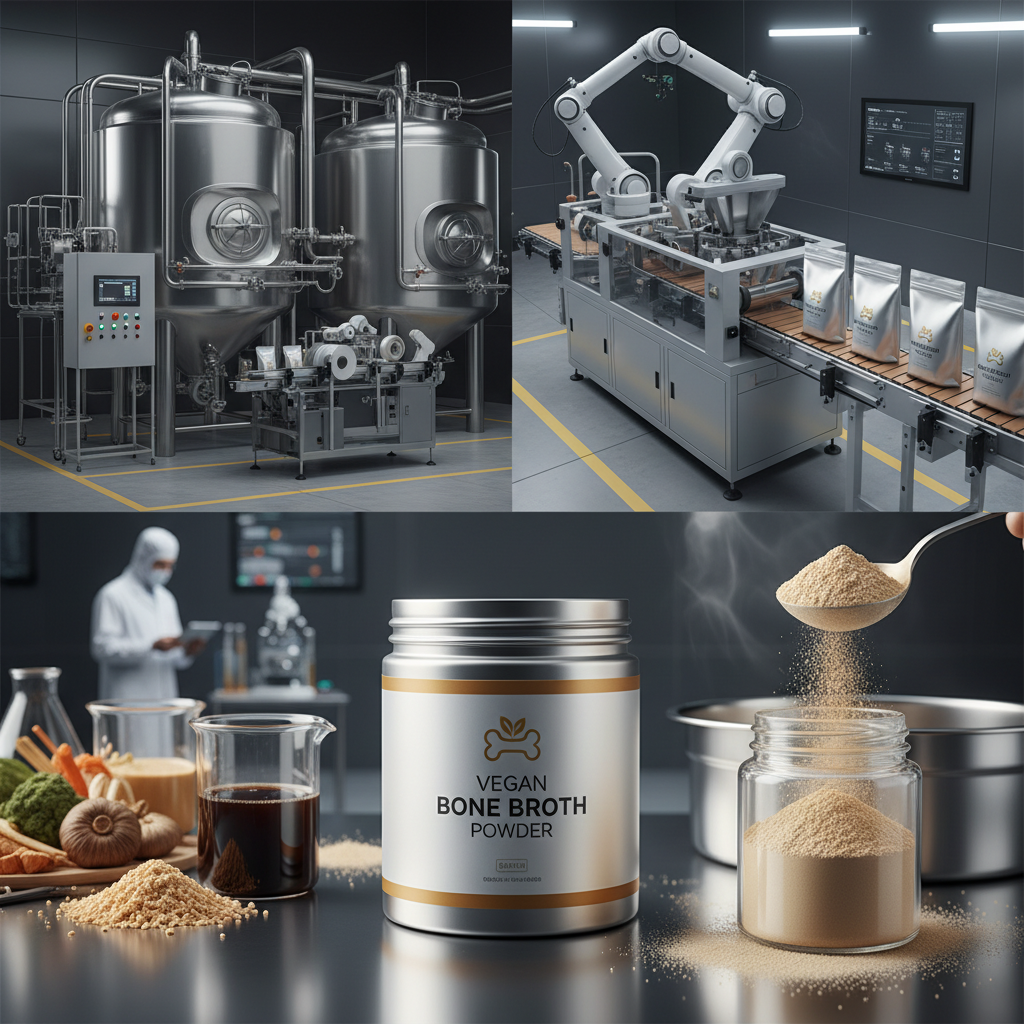
The global shift toward plant-based diets has catalyzed a revolution in the food additive industry, leading to the emergence of vegan bone broth powder as a sustainable alternative to traditional animal-based stocks. By leveraging advanced extraction techniques and nutrient-dense plant sources, this innovation provides the deep, savory umami profile and perceived health benefits of collagen-rich broths without the environmental footprint of livestock farming.
For food manufacturers and health-conscious consumers alike, understanding the composition of plant-based alternatives is crucial. The challenge has always been replicating the viscosity and amino acid profile of bovine or avian marrow; however, recent breakthroughs in food science have enabled the creation of powders that satisfy both the culinary demands of professional chefs and the nutritional requirements of vegan athletes.
Integrating a high-quality vegan bone broth powder into product lines allows brands to tap into the rapidly growing "flexitarian" market. This transition not only aligns with global sustainability goals but also addresses the increasing demand for allergen-free, clean-label ingredients in the pharmaceutical and functional food sectors.
Global Industry Context of Vegan Bone Broth Powder
The rise of vegan bone broth powder is not merely a culinary trend but a response to critical global challenges. According to data aligned with UN sustainable development goals, the livestock industry contributes significantly to greenhouse gas emissions and water scarcity. As a result, the food additive sector is shifting toward "bio-identical" plant proteins and minerals that can mimic animal products while reducing the environmental load.
Industrially, the challenge lies in bridging the gap between a simple vegetable stock and a true "bone broth" experience. Traditional bone broth is valued for its gelatinous texture and high collagen content; recreating this with plant-based ingredients requires sophisticated hydrolysis of legumes, mushrooms, and algae to achieve a similar mouthfeel and nutrient density.
Defining the Composition of Vegan Bone Broth Powder
At its core, vegan bone broth powder is a concentrated, dehydrated blend of plant-derived proteins, minerals, and flavor enhancers designed to simulate the nutritional and sensory properties of simmered animal bones. Unlike standard bouillon, it focuses on providing a complex amino acid profile and a rich, viscous consistency that is essential for therapeutic and gourmet applications.
This product bridges the gap between food additives and pharmaceutical intermediates. By utilizing ingredients like nutritional yeast, seaweed extracts, and pea protein isolates, manufacturers can create a powder that is not only a flavor base but also a functional food. This is particularly important for populations with dietary restrictions or those seeking ethical alternatives to animal collagen.
From a technical perspective, the "powder" form is achieved through spray-drying or freeze-drying processes, ensuring that the heat-sensitive nutrients remain intact. This stability makes it an ideal ingredient for the global supply chain, allowing for easy transport and a long shelf life without the need for synthetic preservatives.
Core Components for Nutritional Parity
To achieve true parity with animal-based versions, vegan bone broth powder must integrate specific functional components. The most critical is the use of plant-based collagen boosters—such as Vitamin C, proline, and glycine—which encourage the body's own collagen production, mimicking the biological effect of traditional bone broth.
The "umami" depth is achieved through a strategic blend of glutamates found naturally in shiitake mushrooms and fermented soy. This chemical synergy creates the savory, "meaty" taste that consumers expect, ensuring that the vegan bone broth powder functions effectively as a base for soups, sauces, and health tonics.
Furthermore, the addition of seaweed-derived hydrocolloids provides the necessary viscosity. This ensures that when the powder is reconstituted, it has the characteristic "lip-smacking" quality of a slow-cooked broth, a technical hurdle that previously limited the acceptance of plant-based alternatives in the high-end culinary market.
Practical Applications and Scalability
The versatility of vegan bone broth powder extends across multiple industries. In the commercial food sector, it serves as a clean-label base for ready-to-drink (RTD) health beverages. In pharmaceutical contexts, it is used as a nutrient-dense carrier for supplements, providing a palatable way to deliver essential minerals and amino acids to patients with restricted diets.
Scalability is achieved through standardized additive manufacturing. By optimizing the blend of food additives and pharmaceutical intermediates, producers can ensure batch-to-batch consistency, which is vital for international export and compliance with ISO food safety standards.
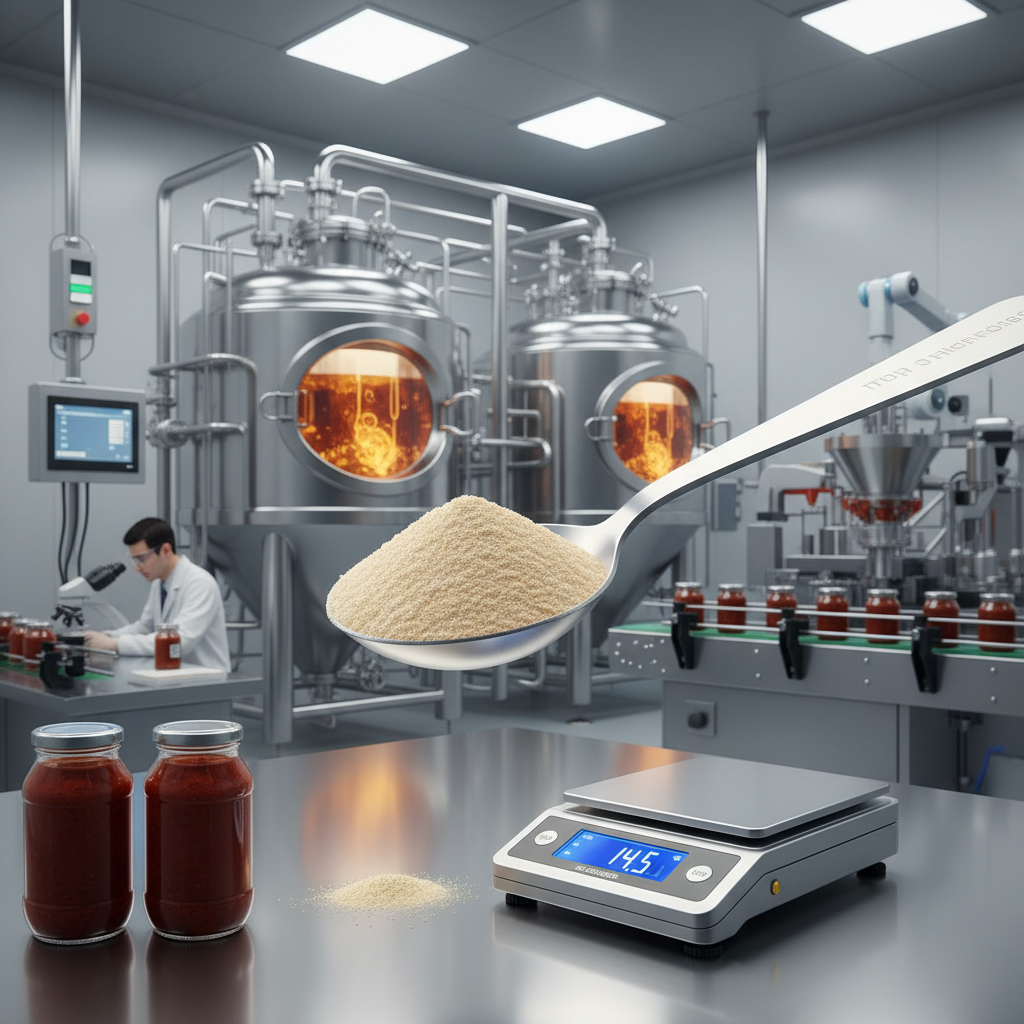
Comparative Efficiency of Vegan Bone Broth Powder Formulations
Global Market Adoption and Use Cases
Across North America and Europe, vegan bone broth powder has seen rapid adoption in the "wellness" sector. It is frequently used in boutique fitness centers and biohacking communities as a pre-workout or recovery drink, offering a gut-friendly alternative to whey or animal collagen.
In Asia, particularly in Japan and South Korea, the integration of this powder into traditional dashi-style bases has allowed for the modernization of ancient recipes. By combining industrial food additives with traditional fermentation, manufacturers are producing a product that appeals to both the youth's desire for convenience and the older generation's preference for deep, savory flavors.
Long-term Value and Sustainability Benefits
The transition to vegan bone broth powder represents a significant logical leap in sustainable food production. By removing the reliance on animal slaughter and the energy-intensive process of simmering bones for 24-48 hours, the carbon footprint of broth production is reduced by an estimated 70-90% per unit.
Beyond environmental metrics, there is an emotional and ethical value. Consumers increasingly associate plant-based alternatives with "compassionate eating" and "clean living." This trust in the brand increases customer loyalty and opens doors to partnerships with NGOs and health organizations focusing on sustainable nutrition.
Economically, the reliability of plant-based raw materials—which are less prone to the price volatility of the livestock market—provides manufacturers with more stable cost structures. This predictability allows for more aggressive pricing strategies and wider market penetration in emerging economies.
Future Innovations in Plant-Based Broth Technology
The future of vegan bone broth powder lies in precision fermentation. By using genetically engineered yeast or fungi to produce actual human-identical collagen (without the animal), the industry will move from "mimicking" the properties of bone broth to truly replicating them at a molecular level.
Digital transformation is also playing a role. AI-driven flavor profiling is now being used to analyze thousands of plant combinations to find the exact ratio of amino acids that triggers the "savory" response in the human brain, further refining the taste of plant-based powders.
Additionally, the integration of "green energy" in the spray-drying process is reducing the industrial impact of powder production, ensuring that the product is sustainable from the seed in the ground to the powder in the packet.
Comparative Analysis of Vegan Bone Broth Production Methods
|
Production Method
|
Nutrient Retention
|
Umami Intensity
|
Cost Efficiency
|
| Spray Drying |
Moderate |
High |
Excellent |
| Freeze Drying |
Excellent |
Very High |
Low |
| Precision Fermentation |
Very High |
Maximum |
Moderate |
| Vacuum Evaporation |
High |
Moderate |
Moderate |
| Cold Press Extraction |
Maximum |
Low |
Moderate |
| Hybrid Processing |
High |
High |
High |
FAQS
While it does not contain animal-derived collagen, high-quality vegan bone broth powder provides the essential amino acids (like proline and glycine) and vitamins (like Vitamin C) that the body needs to synthesize its own collagen. Therefore, it offers a biological equivalent that supports joint and skin health without the animal byproduct.
The viscosity is achieved through the use of natural hydrocolloids and plant proteins, such as agar-agar or specialized pea protein isolates. These ingredients create a gel-like structure when heated and mixed with water, successfully mimicking the gelatinous texture of traditional bone broth.
Depending on the formulation, it can be. Many manufacturers now offer soy-free and gluten-free versions by replacing soy with pea protein and using coconut aminos instead of soy sauce. Always check the ingredient list for "certified gluten-free" or "soy-free" labels to ensure safety.
Yes, because it is a dehydrated powder, it is highly scalable. It can be easily integrated into automated mixing systems for large-scale soup production, snack seasonings, or as a base for commercial vegan sauces, maintaining consistency across thousands of units.
Due to the low water activity of the powdered form, these products typically have a shelf life of 12 to 24 months when stored in a cool, dry place. This makes it far more efficient for global distribution than liquid broths, which require refrigeration or heavy preservatives.
The best way is to partner with a specialized food additive manufacturer that offers customizable formulations. By specifying your required nutrient profile and flavor intensity, you can obtain a tailor-made powder that fits your specific product line.
Conclusion
In summary, vegan bone broth powder represents the pinnacle of modern food science, successfully merging the sensory satisfaction of traditional stocks with the ethical and environmental imperatives of the 21st century. By optimizing plant-based proteins and umami-rich botanicals, the industry has created a product that serves not only as a culinary tool but as a functional health supplement.
As we look toward the future, the continued integration of precision fermentation and AI-driven flavor design will likely make these alternatives indistinguishable from their animal counterparts. For businesses and consumers aiming for a sustainable, health-forward future, adopting these plant-based innovations is not just a choice—it is a strategic necessity. Visit our website for more information: www.chinaseasoning.com