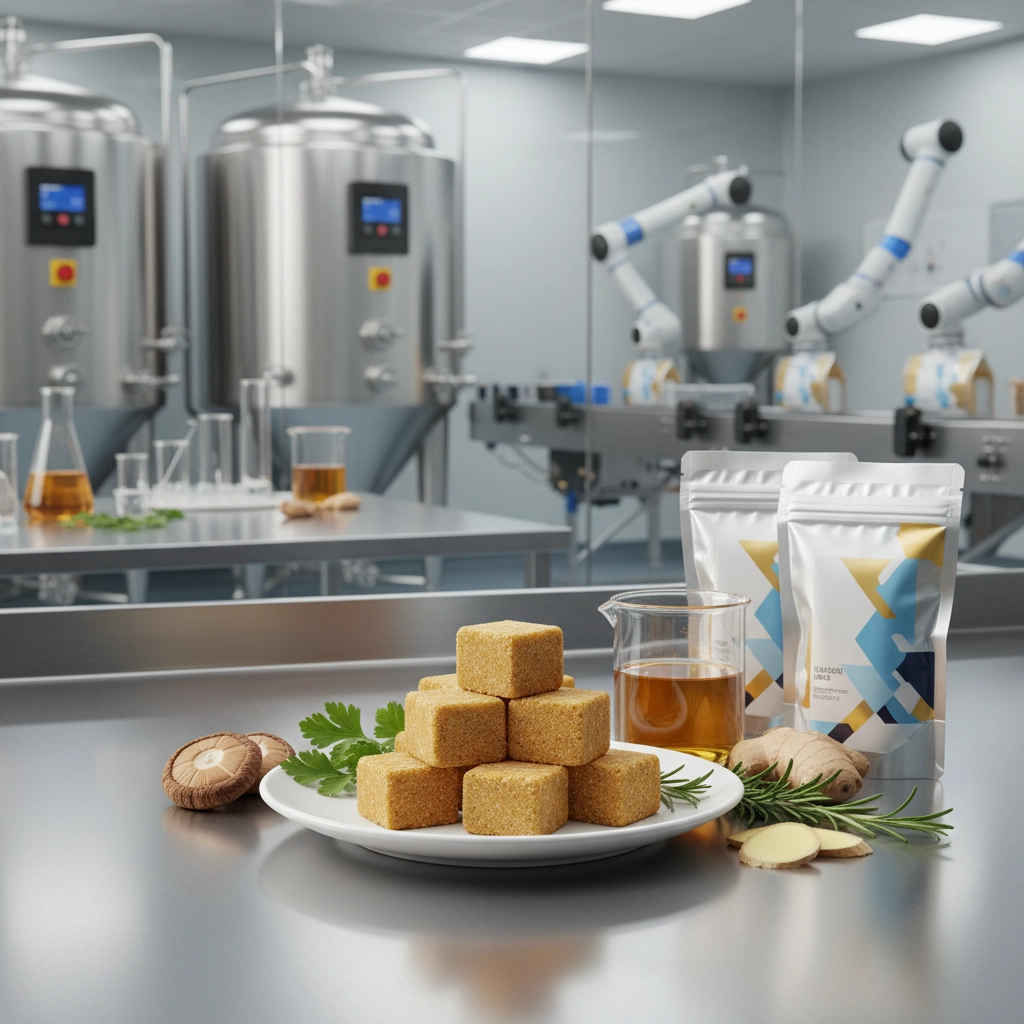
The culinary world has long sought a balance between authentic flavor and modern convenience, and the bouillon stock cube stands as a pinnacle of this evolution. By condensing complex stocks—which traditionally take hours of simmering—into a portable, shelf-stable form, these cubes have democratized gourmet seasoning for home cooks and industrial food producers alike. Understanding the science and application of these concentrates is essential for anyone looking to optimize taste profiles while maintaining cost-efficiency in large-scale food production.
Globally, the demand for standardized flavor enhancers has surged as urbanization and fast-paced lifestyles reduce the time available for traditional food preparation. The bouillon stock cube solves a critical logistical challenge: how to transport the essence of meat, vegetable, or seafood stocks without the risk of spoilage or the prohibitive cost of shipping water. This innovation has not only transformed domestic kitchens but has become a cornerstone in the food additive industry, ensuring consistency across thousands of batches of soup, sauces, and stews.
Beyond simple convenience, the modern bouillon stock cube represents a sophisticated intersection of food chemistry and nutritional engineering. From the precision of salt ratios to the integration of hydrolyzed vegetable proteins and natural extracts, these products are designed to trigger specific umami receptors on the palate. As we delve deeper into the industry standards, it becomes clear that the value of these cubes lies in their ability to provide a reliable, high-impact flavor foundation that is scalable across various pharmaceutical and food-grade applications.
Global Industry Relevance of Bouillon Stock Cube
The global market for flavor enhancers, particularly the bouillon stock cube, has seen consistent growth, reflecting a broader trend toward processed food convenience. According to food industry analytics, the shift toward "ready-to-cook" ingredients has pushed manufacturers to refine the stability and purity of these cubes to meet ISO and FDA standards. In regions like Southeast Asia and Africa, these cubes are not merely condiments but essential nutritional supplements that provide critical salts and minerals to diets where fresh meat stocks are prohibitively expensive.
However, the industry faces the challenge of balancing intense flavor with the growing consumer demand for "clean labels." Manufacturers are now tasked with reducing MSG levels and artificial dyes without compromising the characteristic "umami" punch that makes the bouillon stock cube so effective. This tension is driving a wave of innovation in natural yeast extracts and fermentation-derived flavorings, ensuring that the product remains relevant in a health-conscious global economy.
Defining the Modern Bouillon Stock Cube
At its most basic level, a bouillon stock cube is a dehydrated concentrate of meat, vegetable, or seafood stock, combined with salt and other seasonings to create a solid, compressed block. This process of dehydration prevents microbial growth and extends shelf life indefinitely, making it an ideal product for global trade and long-term storage. Unlike liquid stocks, the cube format eliminates the need for refrigeration, drastically lowering the carbon footprint associated with cold-chain logistics.
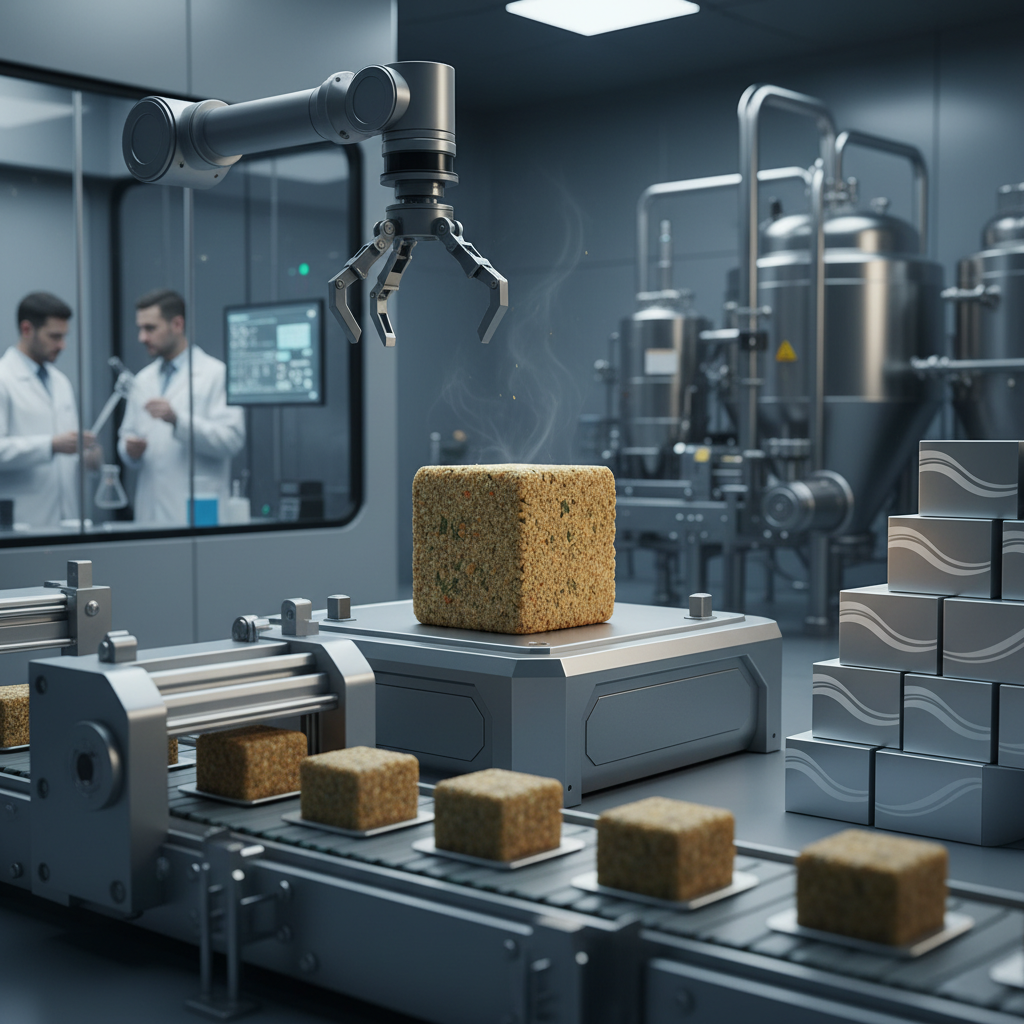
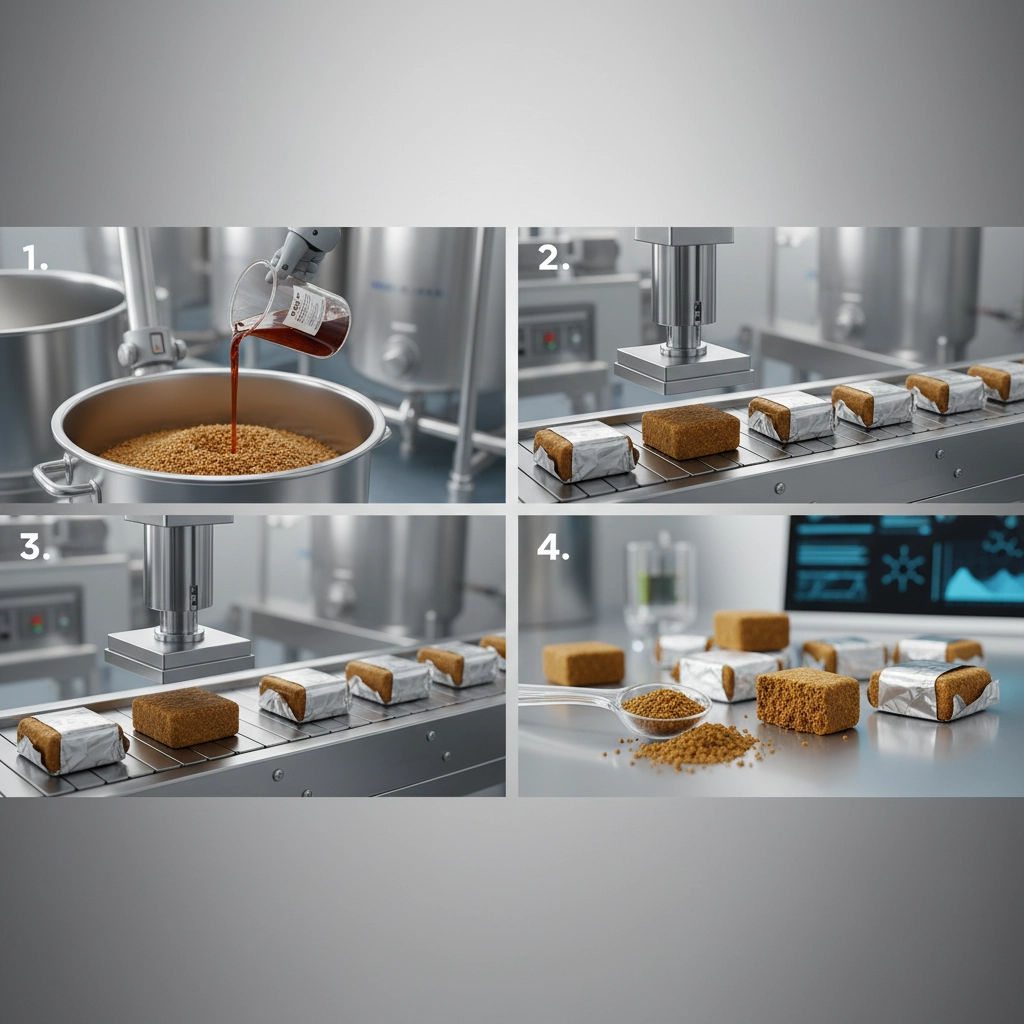
In the context of modern food manufacturing, these cubes are viewed as high-efficiency delivery systems for taste. By utilizing advanced spray-drying and compression technologies, manufacturers can ensure that every single cube contains an identical ratio of ingredients. This standardization is critical for commercial kitchens and food processing plants, where a slight deviation in seasoning can ruin thousands of liters of product.
Furthermore, the bouillon stock cube serves a humanitarian purpose in crisis-hit areas. Because they are nutrient-dense, lightweight, and resistant to extreme temperatures, they are frequently included in food aid packages provided by international organizations. In these contexts, the cube provides more than just flavor; it provides the essential sodium and electrolytes required for survival in challenging environments.
Core Components and Quality Factors
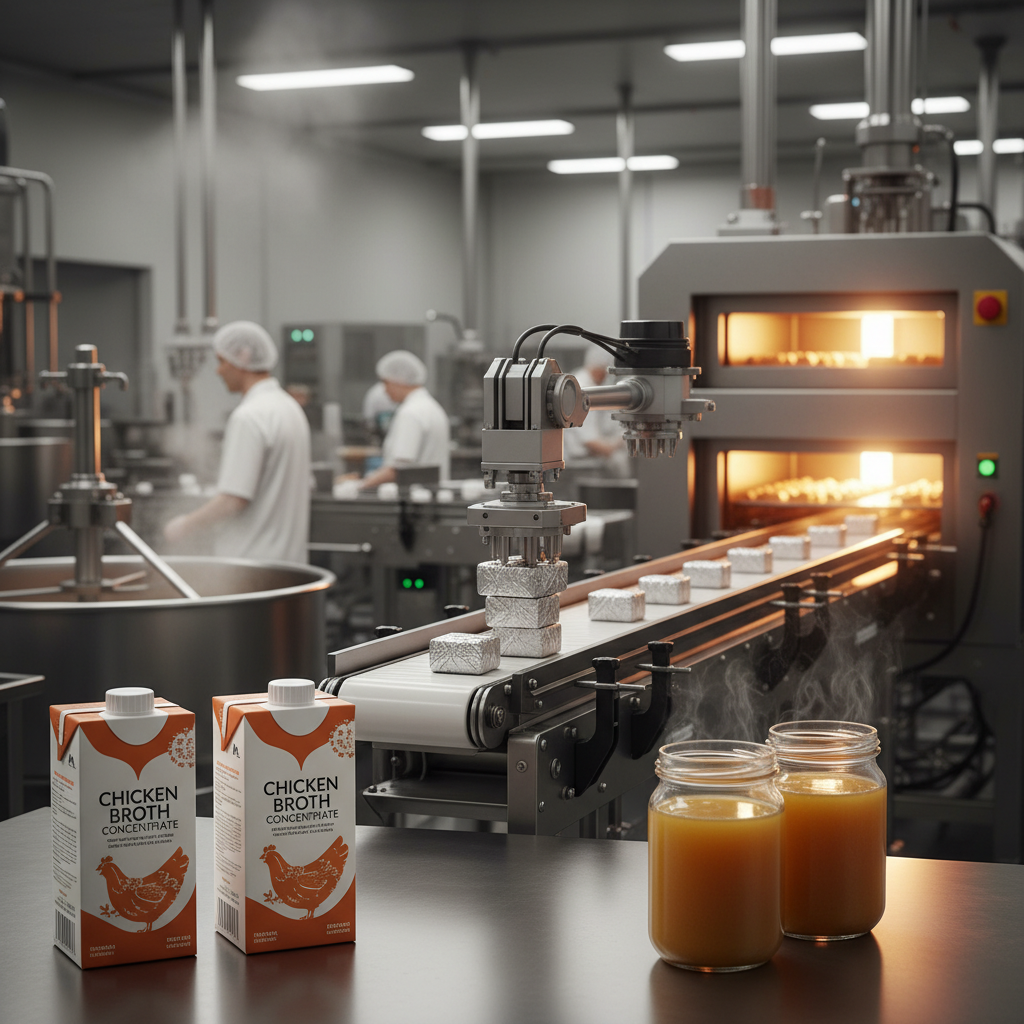
The efficacy of a bouillon stock cube depends heavily on its formulation. The primary component is typically salt, which acts as both a flavor enhancer and a preservative. However, the "soul" of the cube lies in the flavor extracts—be it beef, chicken, or vegetable—which are carefully concentrated to maintain their aromatic properties even after the dehydration process.
Another critical factor is the binding agent. To ensure the bouillon stock cube maintains its structural integrity during shipping but dissolves rapidly in boiling water, precise ratios of fats or starches are used. The balance between hydrophobicity (for stability) and hydrophilicity (for dissolution) is a key technical hurdle that defines a premium product versus a low-grade alternative.
Finally, the integration of umami-rich additives, such as yeast extracts or hydrolyzed proteins, ensures a deep, savory profile. Quality control in the additive manufacturing process involves rigorous testing for moisture content; if the moisture levels in a bouillon stock cube are too high, the product becomes prone to clumping and oxidation, which degrades the flavor and reduces the overall shelf life.
Practical Applications and Scalability
The versatility of the bouillon stock cube allows it to transcend simple soup making. In the industrial food sector, these cubes are used as base seasonings for gravies, marinades, and processed meats. Their ability to be scaled—from a single cube for a home meal to metric tons of concentrated powder for a factory—makes them an indispensable tool for food engineers who need to maintain flavor consistency across different geographic markets.
Moreover, the use of these concentrates extends to the pharmaceutical industry, where certain flavor profiles are needed to mask the bitterness of medications in chewable forms or liquid supplements. The precision and purity of the additive manufacturing process ensure that the bouillon stock cube components meet the stringent safety requirements needed for such cross-industry applications.
Performance Comparison of Bouillon Stock Cube Formulations
Strategic Advantages and Long-term Value
The primary advantage of utilizing a bouillon stock cube is the dramatic reduction in operational costs. For a commercial kitchen, the labor and energy required to simmer bones and vegetables for 12 hours are replaced by a simple dissolution process that takes seconds. This efficiency allows businesses to pivot their resources toward plating and service rather than basic prep work, significantly increasing the throughput of the kitchen.
From a sustainability perspective, the concentrated nature of these cubes reduces waste. Traditional stock making often results in significant water loss through evaporation and organic waste from filtered solids. By sourcing high-quality concentrates, companies can precisely control their ingredient usage, ensuring that only the necessary amount of flavor is used, thereby reducing the overall environmental impact of the food production cycle.
Future Innovations in Flavor Concentration
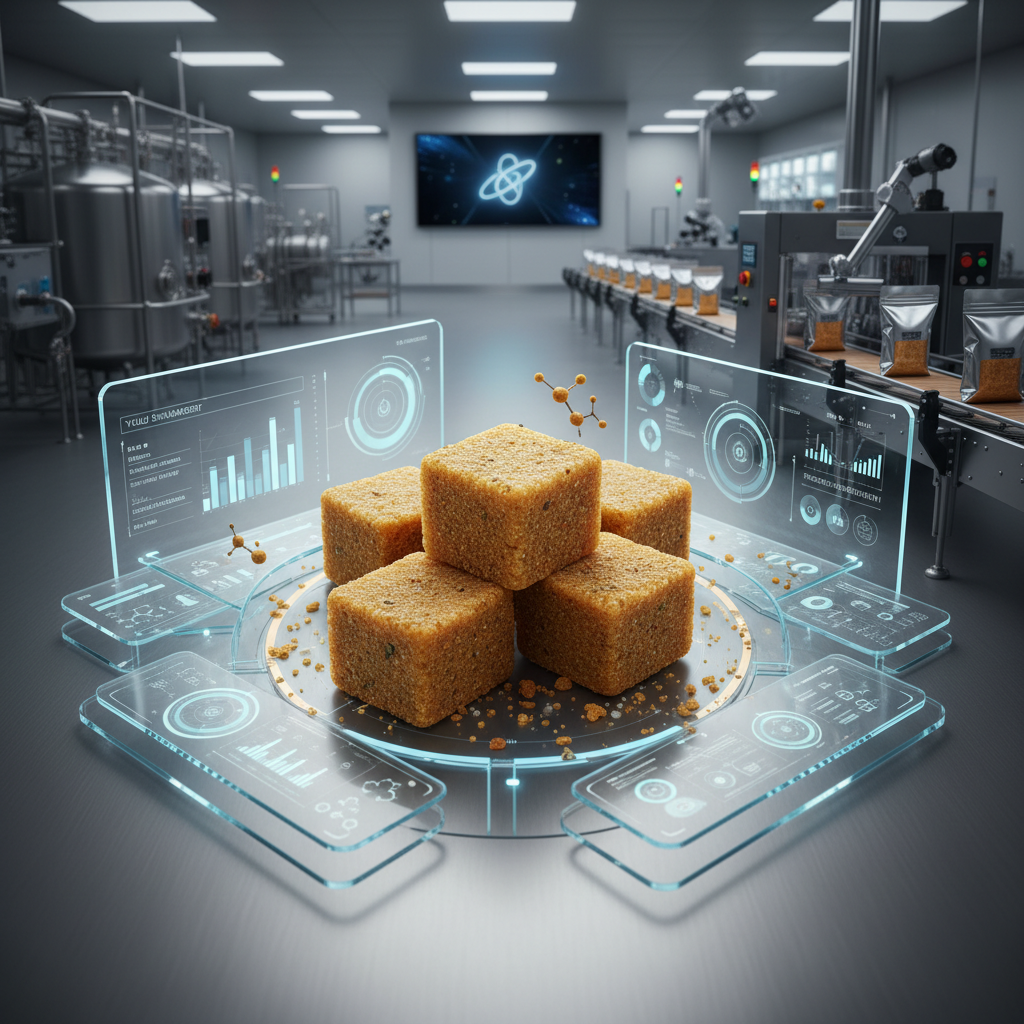
The next generation of the bouillon stock cube is being shaped by digital transformation and biotechnology. Precision fermentation is allowing manufacturers to create "animal-free" meat flavors that are molecularly identical to traditional beef or chicken stocks. This innovation opens the door for the bouillon stock cube to dominate the vegan and vegetarian markets without sacrificing the deep, savory profiles that consumers crave.
Furthermore, automation in the compression process is leading to "smart cubes" with layered dissolution rates. Imagine a bouillon stock cube where the initial layer releases instant salt and aromatics, while a second, slower-dissolving core releases complex proteins and fats over time, mimicking the gradual build-up of a slow-cooked broth. This level of engineering is transforming a simple additive into a high-tech culinary tool.
Sustainability is also driving the shift toward biodegradable packaging. The traditional foil and paper wrap used for each bouillon stock cube is being replaced by compostable films made from seaweed or cornstarch. This transition ensures that the convenience of the product does not come at the cost of plastic pollution, aligning the industry with global ESG (Environmental, Social, and Governance) goals.
Overcoming Industry Challenges and Solutions
One of the most persistent challenges in the production of the bouillon stock cube is the "sodium dilemma." While salt is essential for preservation and taste, global health trends are pushing for a drastic reduction in sodium intake. To solve this, food scientists are integrating potassium salts and enhancing the natural umami profiles of ingredients to "trick" the palate into perceiving saltiness where there is less of it.
Another hurdle is the oxidation of fats, which can lead to off-flavors over time. The solution lies in advanced encapsulation technology, where delicate aromatic oils are encased in microscopic protective shells. These shells only break down when exposed to heat, ensuring that the bouillon stock cube smells and tastes as fresh on the day of consumption as it did on the day of manufacture.
Finally, supply chain volatility for raw materials can affect price stability. By diversifying the sources of flavor extracts and investing in vertical integration—where the manufacturer controls the production of the base additives—companies can insulate themselves from market swings. This strategic approach ensures a steady supply of high-quality bouillon stock cubes regardless of global trade disruptions.
Technical Analysis and Market Comparison of Bouillon Stock Cube Variants
| Cube Variant |
Dissolution Speed |
Shelf Life (Months) |
Umami Score (1-10) |
| Premium Beef Cube |
Fast (2-3 mins) |
24 |
9.5 |
| Standard Chicken Cube |
Very Fast (1-2 mins) |
18 |
8.0 |
| Organic Vegetable Cube |
Moderate (3-5 mins) |
12 |
7.2 |
| Low-Sodium Formula |
Fast (2 mins) |
18 |
6.5 |
| Industrial Bulk Cube |
Very Fast (1 min) |
36 |
8.8 |
| Fermentation-Based Cube |
Fast (2 mins) |
24 |
9.2 |
FAQS
The primary difference lies in the form factor and stability. A bouillon stock cube is compressed, which often allows for a higher concentration of fats and binders that maintain the cube's shape. This compression can protect certain volatile aromatics better than a loose powder, and the pre-measured dose ensures perfect consistency in recipes. Powder is more versatile for dry rubs, but the cube is optimized for liquid dissolution.
To avoid clumping, it is recommended to add the cube to boiling water and stir continuously. Because the cube contains fats and binders for stability, these require high heat to break down the molecular bonds quickly. Adding the cube to lukewarm water may result in "fat pockets" that don't fully integrate, whereas boiling water ensures a rapid and homogenous emulsion.
Absolutely. In fact, many industrial producers prefer these concentrates because they provide a standardized flavor profile that doesn't vary from batch to batch, unlike fresh stocks. They are easy to store in bulk, require no refrigeration, and can be integrated into automated dosing systems to maintain strict quality control across global production lines.
Yes, they are frequently used as the savory foundation for other additives, such as seasoned salts, instant gravy mixes, and dehydrated soup bases. By grinding the cubes back into a powder or dissolving them into a syrup, manufacturers can create a multi-layered flavor profile that serves as the core of various "hot product" seasoning lines.
Manufacturers utilize "natural umami" sources, such as yeast extracts, mushroom powders, and hydrolyzed vegetable proteins. These ingredients contain naturally occurring glutamates that mimic the effect of MSG. By combining these with a precise blend of spices and salt, they can achieve a deep, savory taste that satisfies consumers while meeting "no added MSG" label requirements.
In ideal dry conditions, they can last 24 months or more. However, in humid climates, the high salt content can attract moisture (hygroscopy), leading to softening or clumping. To prevent this, industrial-grade packaging using aluminum foil or moisture-barrier plastics is used to seal the cube away from the environment, maintaining its integrity for the full duration of its shelf life.
Conclusion
The bouillon stock cube is far more than a simple kitchen shortcut; it is a masterpiece of food engineering that bridges the gap between traditional culinary arts and industrial efficiency. By optimizing flavor concentration, ensuring long-term stability, and providing a scalable solution for taste consistency, these cubes have become indispensable in both domestic and commercial food production. From the technical precision of their binders to the innovative use of fermentation for animal-free flavors, the evolution of the stock cube reflects the broader goals of the food additive industry: quality, convenience, and sustainability.
Looking forward, the industry will likely see a shift toward even cleaner labels and hyper-personalized flavor profiles. As biotechnology allows us to refine umami delivery and sustainable packaging becomes the norm, the bouillon stock cube will continue to adapt to the needs of a healthier, more environmentally conscious world. For businesses looking to enhance their product lines or optimize their seasoning processes, investing in high-quality concentrates is a strategic move toward operational excellence. Visit our website: www.chinaseasoning.com