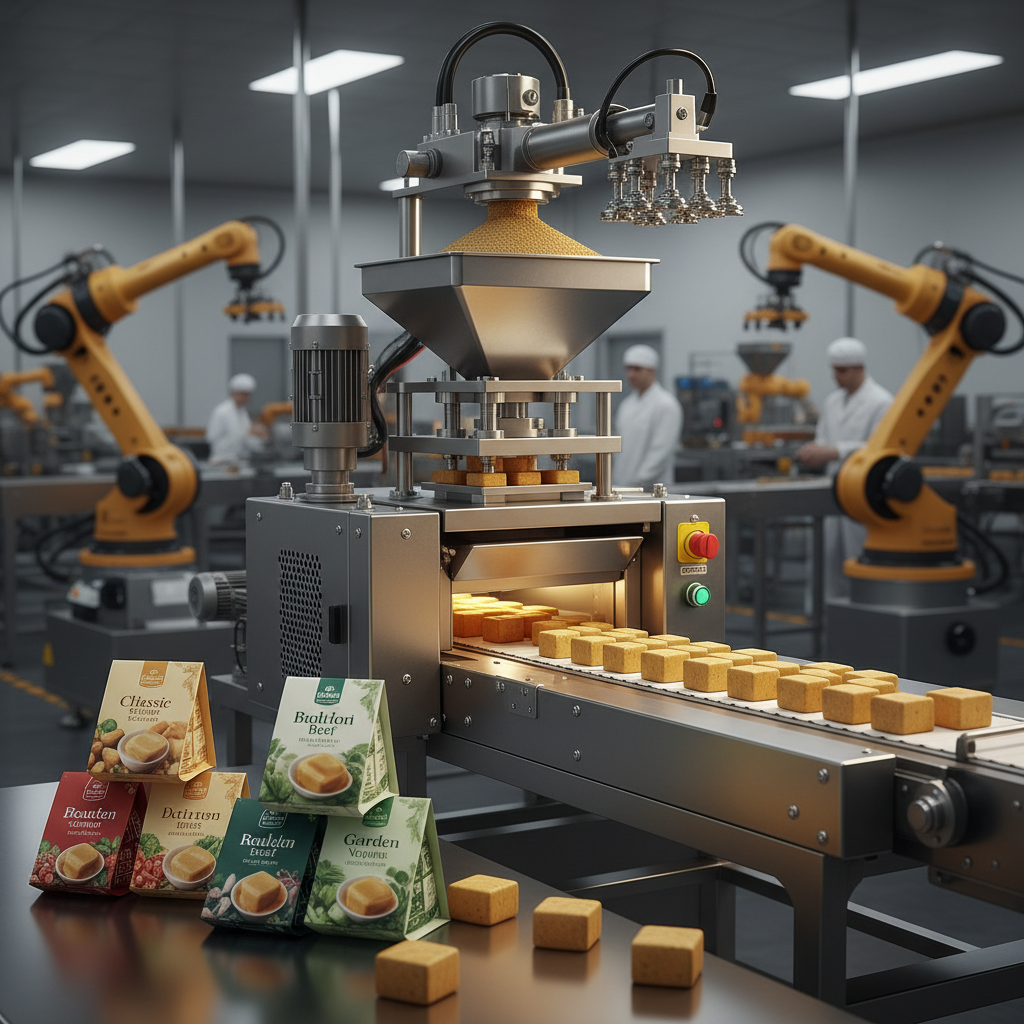
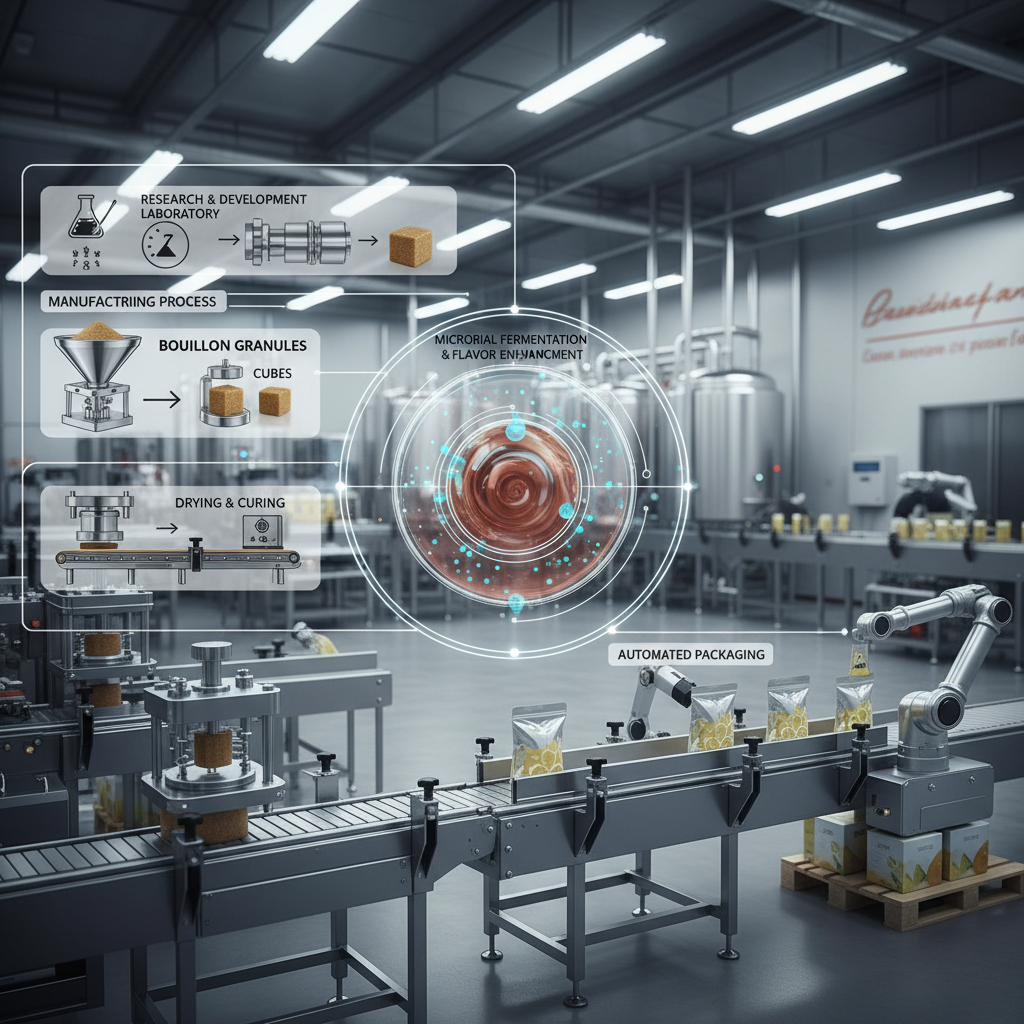
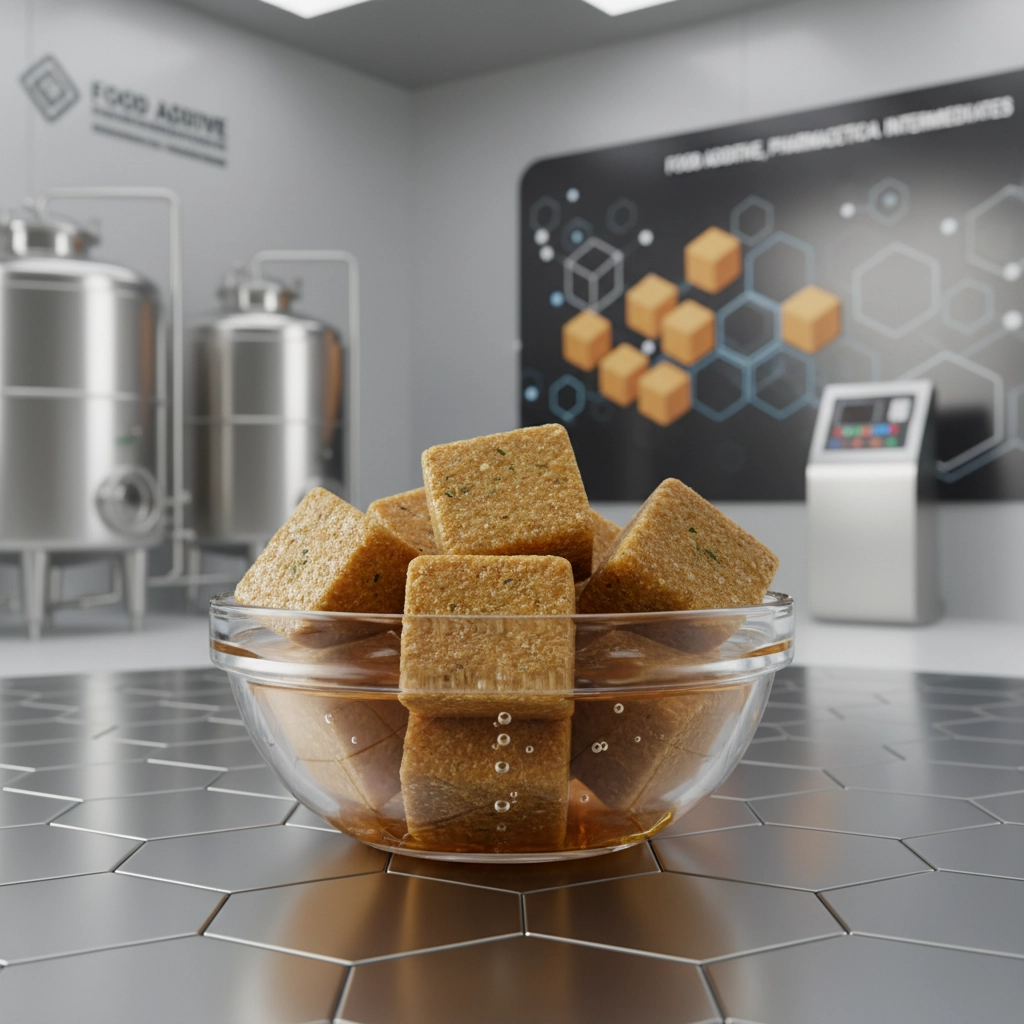
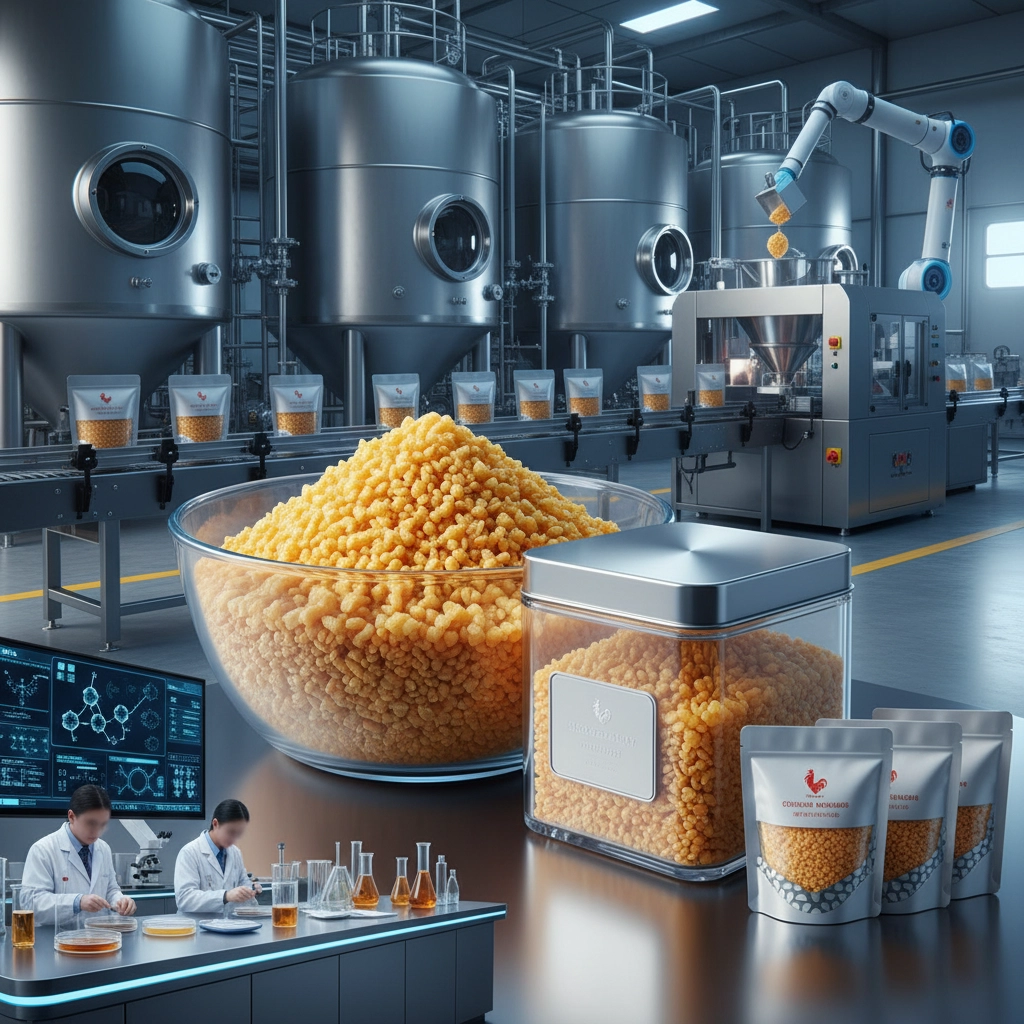
The transformation of bouillon granules to cubes represents a significant evolution in food additive manufacturing, balancing the need for precise dosing with the convenience of consumer packaging. In the global food industry, this shift is not merely about shape but about enhancing the stability, shelf-life, and logistical efficiency of concentrated seasoning products.
Understanding the technical transition from bouillon granules to cubes allows manufacturers to optimize their production lines, reducing waste and improving the consistency of flavor delivery. By utilizing advanced compression technology, food additive producers can ensure that every single unit provides a standardized culinary experience, regardless of where in the world it is used.
Globally, the demand for standardized seasoning formats has surged, driven by the rise of quick-service restaurants and the need for nutrient-dense, easy-to-transport food bases. Mastering the process of converting bouillon granules to cubes is essential for any brand looking to scale its presence in the international food additive and pharmaceutical intermediates market.
The Industrial Evolution of Bouillon Granules to Cubes
The transition from loose formats to compressed units began as a response to the logistical challenges of the early 20th century. Initially, bouillon was sold as crystals or powders, but the shift from bouillon granules to cubes allowed for a revolution in portion control and humidity protection, preventing the product from clumping during long-term storage.
Modern food additive manufacturing now employs high-pressure hydraulic presses and precise formulation adjustments to ensure that the transition from bouillon granules to cubes does not compromise the volatile aromatic compounds. This evolution has enabled food manufacturers to enter emerging markets where storage conditions are often suboptimal.
Technical Parameters in Compressing Granules to Cubes
To successfully convert bouillon granules to cubes, engineers must first analyze the particle size distribution of the granules. If the granules are too coarse, the resulting cube will lack structural integrity and crumble; if they are too fine, the compression process may lead to "capping" or layering, where the cube splits horizontally under pressure.
Moisture content plays a critical role in the compression phase. The ideal moisture level acts as a natural lubricant and binder, allowing the particles to lock together during the transition from bouillon granules to cubes. Excess moisture, however, can lead to microbial growth or the unintended hardening of the product into an insoluble mass.
Furthermore, the pressure applied during the molding process must be meticulously calibrated. High-tonnage presses are used to ensure a high bulk density, which is essential for reducing the volume of packaging and increasing the number of units per shipment, thereby lowering the overall carbon footprint of the logistics chain.
Material Science and Binding Agents
The chemistry involved in moving from bouillon granules to cubes often requires the introduction of food-grade binders. These agents, such as maltodextrin or modified starches, ensure that the final cube maintains its shape during transport while remaining rapidly soluble when added to boiling water.
A key challenge in the process of converting bouillon granules to cubes is maintaining the "melt-profile." The binder must be strong enough to withstand mechanical stress but must disintegrate instantly upon hydration to prevent the formation of lumps in the final soup or stock.
Innovation in the food additive sector has led to the use of electrostatic bonding and vacuum compression. These techniques allow manufacturers to achieve the transition from bouillon granules to cubes with fewer chemical additives, catering to the growing global demand for "clean label" ingredients and natural flavorings.
Efficiency Metrics of Cube Production
Analyzing the efficiency of the process from bouillon granules to cubes involves measuring the "compression ratio" and the "dissolution rate." A high compression ratio indicates a more efficient use of space, while the dissolution rate determines the end-user's convenience.
By optimizing these metrics, manufacturers can significantly reduce the cost of raw materials and energy. The following data illustrates the performance differences between various compression methods used in the transition from bouillon granules to cubes.
Comparison of Compression Methods for Bouillon Granules to Cubes
Global Market Applications and Distribution
The application of the bouillon granules to cubes process is particularly vital in the humanitarian aid sector. In post-disaster relief operations, providing nutrient-dense, pre-portioned cubes ensures that refugees and displaced persons receive consistent caloric and flavor support without the need for measuring tools.
In commercial sectors, the shift from bouillon granules to cubes has allowed food service providers to standardize recipes across thousands of global outlets. This uniformity ensures that a broth prepared in Tokyo tastes identical to one prepared in New York, safeguarding brand integrity and consumer trust.
Sustainability in Seasoning Packaging
One of the most significant long-term advantages of converting bouillon granules to cubes is the reduction in packaging waste. Because cubes are more dense and stable, they require less air-filled space in packaging, which directly reduces the amount of plastic and foil needed for individual wrapping.
Furthermore, the transition from bouillon granules to cubes optimizes shipping weights. By eliminating the "void space" found in granulated bags, logistics companies can transport more product per container, significantly lowering the CO2 emissions associated with the transport of food additives.
Industry leaders are now exploring biodegradable films to wrap these cubes, combining the structural benefits of the cube format with a commitment to a circular economy. This holistic approach ensures that the product is sustainable from the compression stage to the end-of-life disposal.
Quality Control Standards for Finished Cubes
Quality control for the transition from bouillon granules to cubes involves a rigorous set of tests, including hardness testing (using a penetrometer) and solubility analysis. A cube that is too hard will not dissolve, while one that is too soft will disintegrate during the packaging process.
Consistency in flavor is also monitored through HPLC (High-Performance Liquid Chromatography) to ensure that the compression process hasn't caused any chemical degradation of the salt or flavor enhancers. This ensures a premium product that meets ISO and food safety standards globally.
The following table summarizes the critical quality metrics required when converting bouillon granules to cubes to ensure a commercial-grade output.
Core Quality Metrics for Bouillon Granules to Cubes Transition
| Testing Parameter |
Optimal Range |
Impact of Failure |
Control Method |
| Compression Hardness |
4-6 kN |
Fragmentation/Crumbling |
Hydraulic Pressure Adjustment |
| Dissolution Time |
< 120 Seconds |
Undissolved Lumps |
Binder Ratio Optimization |
| Moisture Content |
2% - 5% |
Mold growth or Capping |
Humidity-Controlled Drying |
| Bulk Density |
1.1 - 1.3 g/cm³ |
Packaging Inconsistency |
Die Volume Calibration |
| Salt Distribution |
± 0.5% Deviation |
Inconsistent Taste |
Pre-compression Blending |
| Aroma Retention |
> 90% vs Granules |
Loss of Flavor Profile |
Cold Compression Technique |
FAQS
Cubes offer superior portion control and significantly better protection against moisture and oxidation. While powder can clump and lose flavor, the compressed nature of cubes, combined with individual wrapping, ensures a longer shelf life and a consistent dosage for the consumer, making them ideal for both industrial and home use.
If performed correctly using cold-press technology, the taste remains identical. However, if excessive heat is used during compression or if too many binders are added, the flavor profile may shift. Professional manufacturers use specific additive ratios to ensure the sensory experience is preserved during the transition.
The biggest challenge is achieving the perfect balance between "hardness" (for transport) and "solubility" (for use). If a cube is compressed too tightly, it becomes a "stone" that won't melt; if too loose, it breaks in the package. This requires precise control of moisture and pressure.
Yes, the industry is moving toward water-soluble films or compostable cellulose-based wraps. Because the cube format is compact, it already reduces the total volume of packaging required compared to granulated products, making it a more sustainable choice for global distribution.
Certain food-grade pharmaceutical intermediates, such as high-purity stabilizers and encapsulate carriers, are used to protect sensitive flavors from degrading during the high-pressure compression process, ensuring the bouillon cube remains potent over time.
Scaling requires investing in automated rotary presses and integrated wrapping machinery. It is critical to first establish a laboratory-scale formula to determine the exact compression force and binder percentage before moving to high-volume industrial production lines.
Conclusion
The technical journey from bouillon granules to cubes is a masterclass in food engineering, combining material science, mechanical precision, and logistical strategy. By transforming loose granules into standardized cubes, manufacturers not only enhance the user experience through convenience and precision but also significantly improve the sustainability and stability of the global food supply chain.
Looking forward, the integration of automation and biodegradable materials will further refine this process, making seasoning cubes more environmentally friendly and cost-effective. For companies seeking to optimize their food additive production, embracing these compression innovations is the key to maintaining a competitive edge in an ever-evolving global market. Visit our website: www.chinaseasoning.com