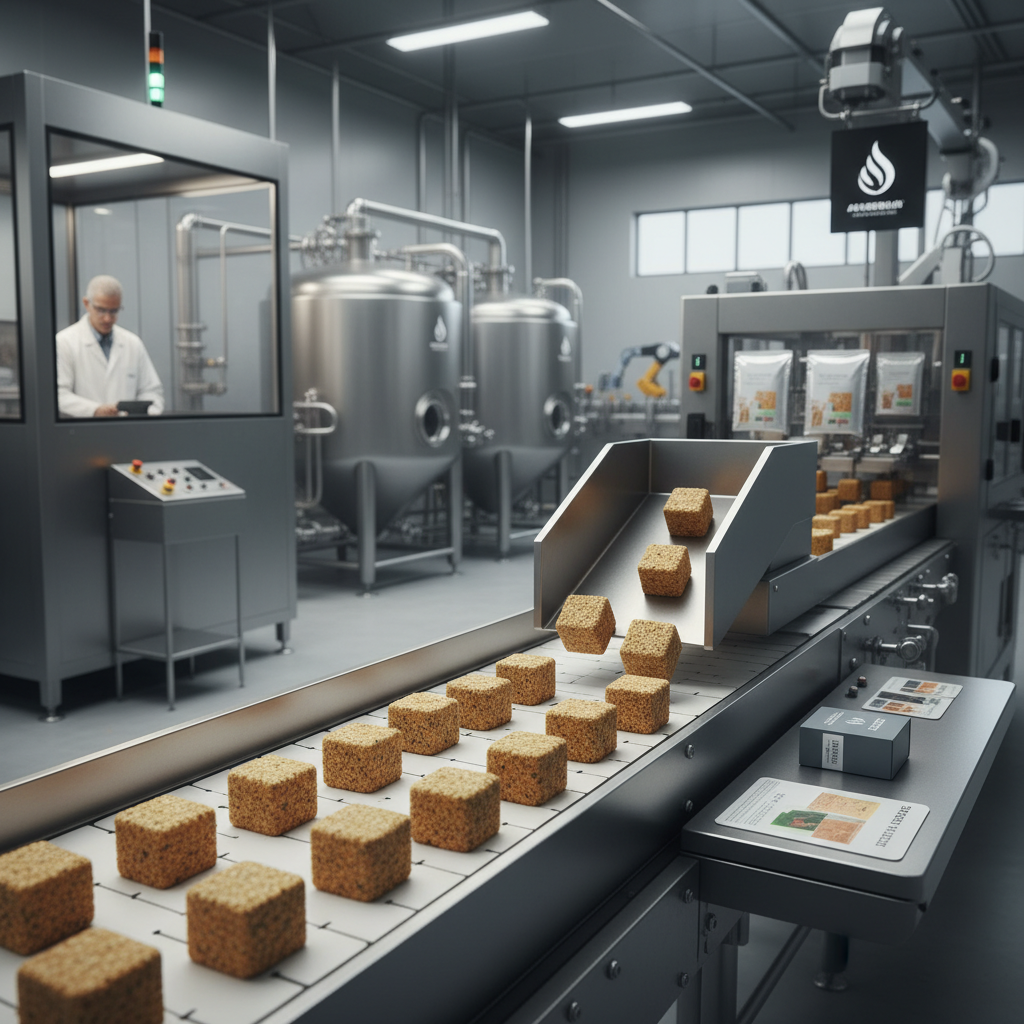
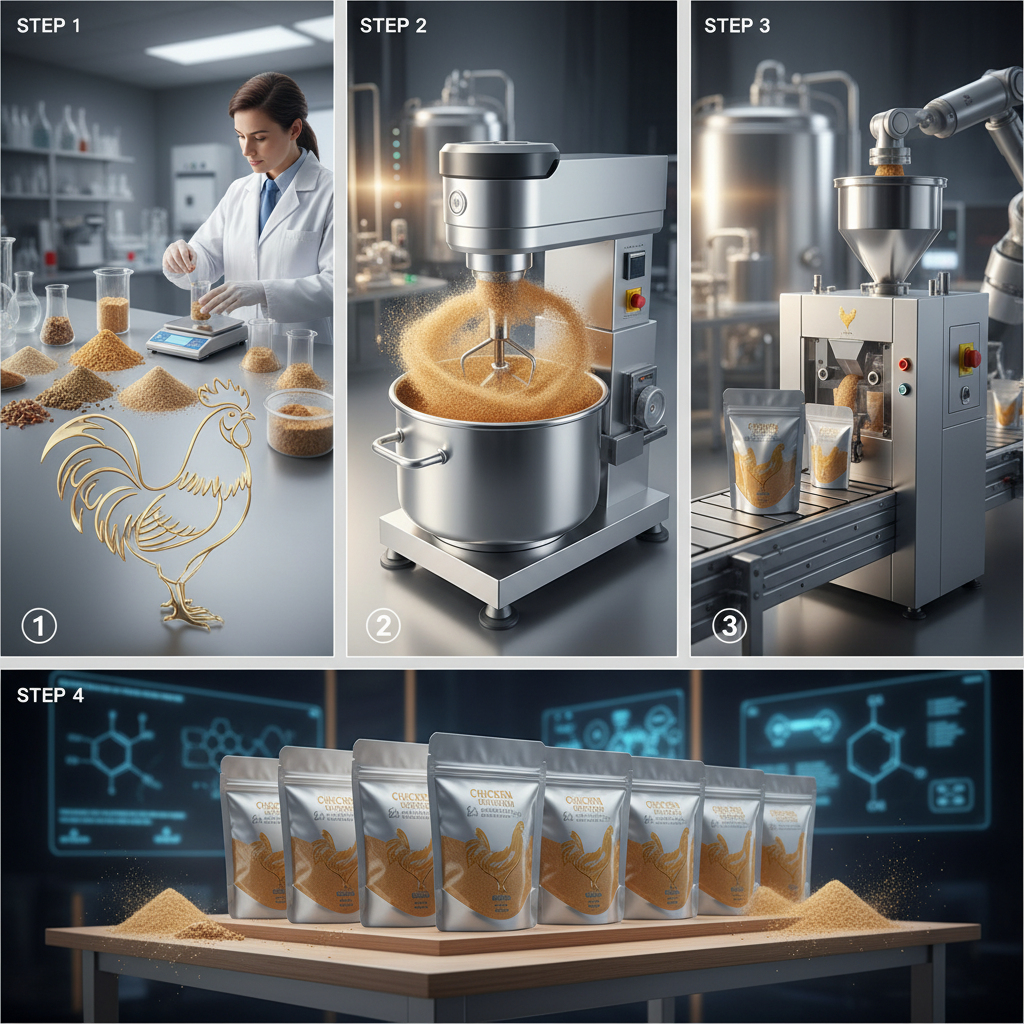
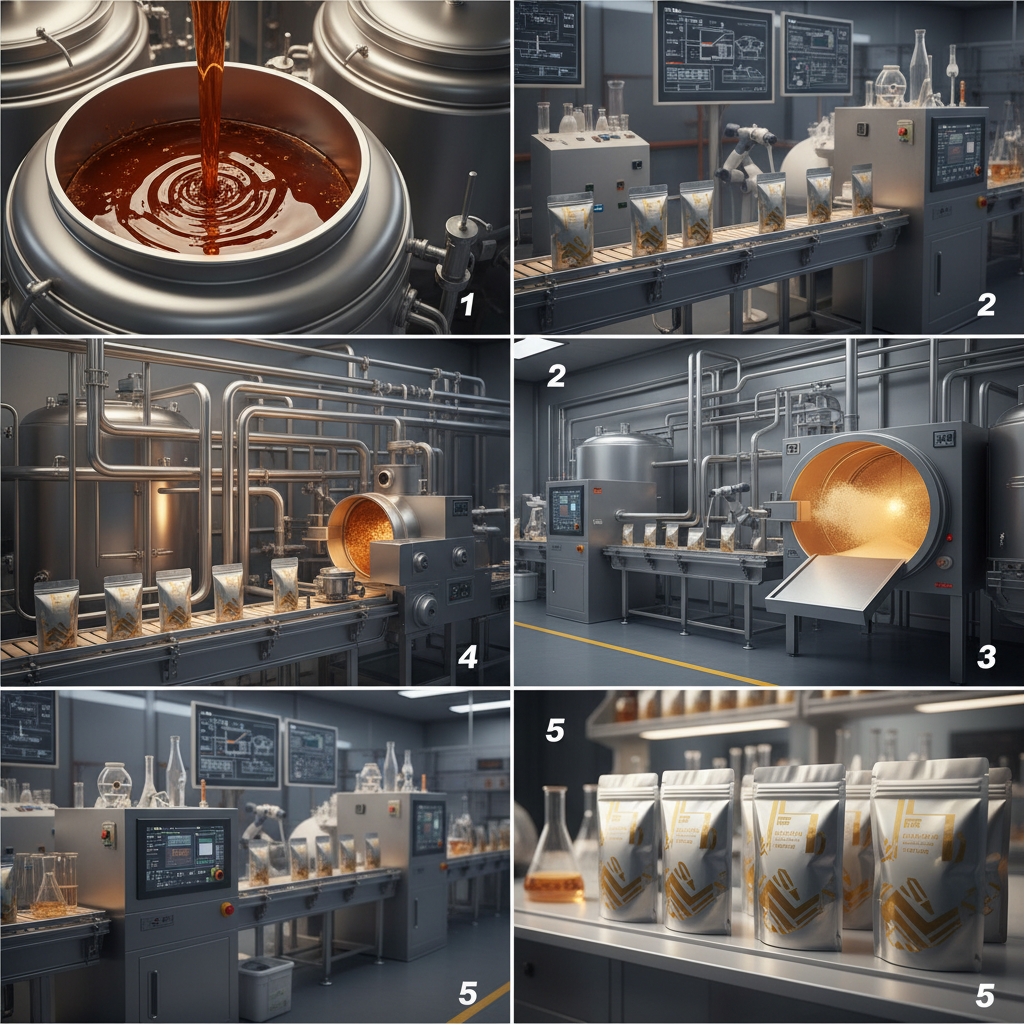
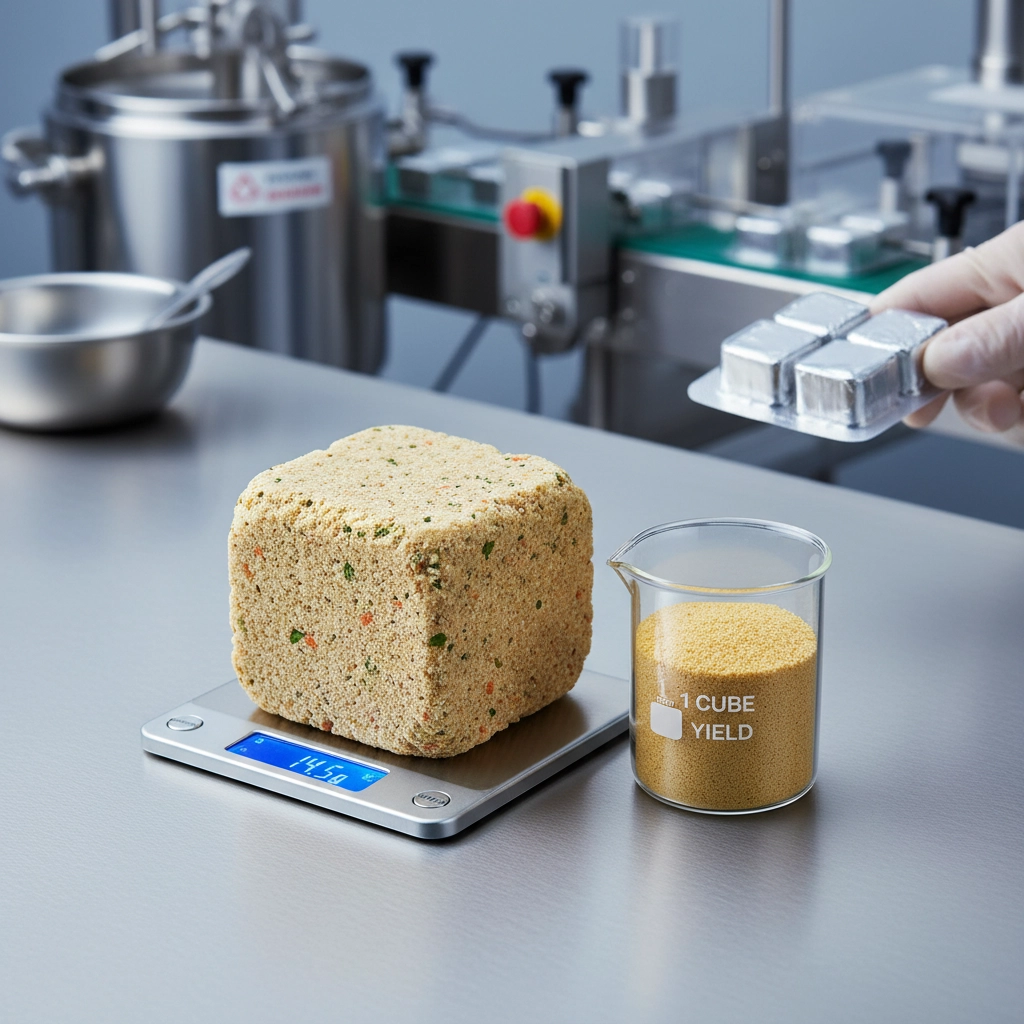
In the fast-paced world of modern culinary arts and industrial food production, the demand for consistent, high-quality flavor bases has led to the widespread adoption of bouillon cubes for broth. These concentrated seasoning blocks provide a streamlined solution for achieving deep, savory profiles without the exhaustive time and resource requirements of traditional long-simmering stocks. By condensing essential salts, fats, and flavor extracts, they offer a reliable standard for both home cooks and large-scale catering operations globally.
The global significance of these flavor enhancers extends beyond mere convenience; they play a critical role in food security and standardized nutrition. In many regions, the ability to store high-intensity flavor profiles in a shelf-stable, compact form allows for the enrichment of simple grains and legumes, ensuring that palatable and nutritious meals are accessible even in resource-limited environments. As urbanization increases, the reliance on these efficient food additives continues to grow, bridging the gap between gourmet taste and industrial efficiency.
Understanding the chemistry and application of bouillon cubes for broth is essential for food manufacturers and procurement specialists who aim to balance cost-efficiency with sensory quality. From the selection of hydrolyzed vegetable proteins to the precision of salt crystallization, every element of the cube's composition affects the final broth's viscosity, clarity, and taste. This guide explores the technical intricacies, global applications, and future innovations of these indispensable culinary tools.
Global Industrial Relevance of Bouillon Cubes
The global market for bouillon cubes for broth has seen an unprecedented surge, driven by the rise of processed food consumption and the demand for "instant" culinary solutions. According to food industry analysis, the shift toward convenient meal kits and ready-to-eat products has pushed manufacturers to optimize their seasoning bases for maximum stability and flavor impact. This industrialization is not merely about speed but about achieving a consistent flavor profile that remains identical whether the product is consumed in New York or Nairobi.
However, the industry faces the ongoing challenge of balancing high sodium content with the growing consumer demand for "clean label" ingredients. Manufacturers are now tasked with innovating new ways to deliver the same umami punch while reducing salt levels and removing artificial preservatives. This tension between traditional taste expectations and modern health standards is driving a new wave of R&D in the food additive sector.
Defining the Composition of Flavor Cubes
At its most basic level, bouillon cubes for broth are dehydrated concentrations of stock, consisting of a blend of salt, flavor enhancers, fats, and aromatic extracts. Unlike liquid stocks, these cubes undergo a rigorous dehydration process that removes water, thereby inhibiting microbial growth and extending shelf life without the need for heavy refrigeration. This makes them an ideal solution for logistics in remote areas or for industrial kitchens with limited cold storage.
From a technical perspective, the "cube" is an engineering feat of food science. The matrix must be firm enough to maintain its shape during shipping but soluble enough to dissolve quickly in boiling water. This requires a precise balance of binders and lipids, ensuring that the fats do not oxidize and the salt does not clump, which would result in an uneven distribution of flavor in the final broth.
In the context of humanitarian aid and large-scale food programs, these cubes serve as a vital tool for nutrient delivery. By integrating fortified vitamins and minerals into the flavor base, bouillon cubes for broth transform simple water and starch into a more palatable and nutritionally dense meal, proving that these products are as much about sustenance as they are about taste.
Core Technical Factors for Quality Control
One of the primary factors in producing high-end bouillon cubes for broth is solubility. A professional-grade cube must dissolve completely without leaving gritty residues or oil slicks on the surface of the liquid, which is achieved through the use of high-quality emulsifiers and finely micronized salt crystals.
Flavor stability is the second critical pillar. Because bouillon cubes for broth are often stored in varying temperatures, the volatile aromatic compounds must be encapsulated or stabilized to prevent the flavor from "fading" over time. This ensures that a cube opened after six months of storage tastes exactly the same as one produced yesterday.
Finally, cost-efficiency is managed through the strategic use of flavor enhancers like MSG or yeast extracts. By optimizing the synergistic effect between different glutamates and nucleotides, manufacturers can achieve a rich "meat-like" depth while maintaining a competitive price point for the end consumer.
Performance Metrics in Commercial Applications
When evaluating different formulations of bouillon cubes for broth, commercial kitchens prioritize a set of key performance indicators (KPIs). These include the "Umami Intensity," "Dissolution Speed," and "Aroma Profile." A product that dissolves quickly but lacks a lingering aftertaste is often deemed insufficient for professional sauces, whereas a highly flavorful but slow-dissolving cube can disrupt the workflow of a high-volume kitchen.
To quantify these attributes, food scientists utilize sensory panels and chemical analysis to score different production methods. This allows them to determine which additive combinations yield the best results for specific target markets, such as the high-sodium preference in some Asian markets versus the lower-sodium trend in Western Europe.
Comparative Efficacy of Bouillon Cubes for Broth Formulations
Global Use Cases and Regional Adaptations
The application of bouillon cubes for broth varies significantly across different geographical zones. In West Africa, for instance, Maggi-style cubes have become a cultural staple, integrated into almost every traditional stew and soup. In these regions, the cubes are not just additives but are the primary seasoning agents, replacing traditional salt and long-boiled meat stocks.
Conversely, in North American and European markets, there is a growing shift toward "specialty" bouillon. This includes vegan and gluten-free versions that cater to dietary restrictions. In these developed markets, bouillon cubes for broth are often used as a "base layer" of flavor, which is then further enhanced with fresh herbs and reduction techniques, reflecting a blend of industrial convenience and gourmet aspiration.
Strategic Advantages and Long-Term Value
The primary advantage of integrating bouillon cubes for broth into a food service operation is the drastic reduction in waste. Traditional stock production results in significant water loss and organic waste from vegetable and bone scraps. By switching to a concentrated cube, businesses can maintain a consistent flavor profile while eliminating the overhead costs associated with long-term simmering and the storage of bulky fresh ingredients.
Beyond the financial metrics, there is a psychological value in reliability. For a franchise operating a hundred locations, the assurance that the broth in a soup will taste the same in every city is invaluable. This standardization builds consumer trust and brand loyalty, as the product delivers a predictable and satisfying sensory experience every time.
Furthermore, the sustainability aspect is improving. Modern manufacturers are reducing plastic packaging and sourcing ingredients from regenerative farms. This transition ensures that the long-term value of these products isn't just about profit, but about creating a sustainable food system that can feed a growing global population without depleting natural resources.
Future Innovations in Broth Technology
The future of bouillon cubes for broth lies in the intersection of biotechnology and digital precision. We are seeing the emergence of "precision fermentation," where lab-grown proteins are used to recreate the exact taste of beef or chicken without the need for animal slaughter. This not only appeals to the ethical consumer but also creates a more controlled and pure flavor extract that is free from contaminants.
Additionally, the integration of automation in the manufacturing process is allowing for "hyper-customization." In the near future, B2B clients may be able to order bouillon cubes with specific nutrient profiles or salt levels tailored to their specific customer demographic, all produced via automated dosing systems that ensure 100% accuracy.
Finally, "Green Chemistry" is redefining how these cubes are preserved. By replacing synthetic preservatives with natural antioxidants like rosemary extract or celery seed, the industry is moving toward a future where "instant" does not mean "artificial."
Analysis of Future Trends in Bouillon Cube Development
| Innovation Trend |
Technical Driver |
Market Impact |
Sustainability Score |
| Precision Fermentation |
Lab-grown proteins |
High Vegan Adoption |
9/10 |
| Low-Sodium Potentiators |
Potassium-salt blends |
Health-Conscious Growth |
7/10 |
| Biodegradable Wrapping |
PLA-based polymers |
Eco-friendly Branding |
10/10 |
| Nutrient Fortification |
Micro-encapsulation |
Humanitarian Relief |
8/10 |
| AI-Driven Flavor Mapping |
Big Data Analytics |
Regional Customization |
6/10 |
| Clean-Label Preservatives |
Plant-based antioxidants |
Premium Market Shift |
9/10 |
FAQS
Industrial bouillon cubes for broth offer unmatched consistency and convenience. While homemade stocks provide a fresh taste, they require hours of preparation and are prone to spoilage. Cubes provide a shelf-stable, standardized flavor profile that ensures a dish tastes the same every time, regardless of who is cooking, while significantly reducing waste and preparation time.
Yes, but it depends on the specific formulation. Many traditional cubes use animal fats or extracts. However, there is a rapidly growing sector of plant-based bouillon cubes that use yeast extracts, mushrooms, and hydrolyzed vegetable proteins to replicate the savory "umami" taste of meat without any animal-derived ingredients.
The best approach is to use "low-sodium" specific bouillon cubes or to supplement the cube with fresh aromatics like garlic, onions, and lemon juice. Adding acidity and fresh herbs tricks the palate into perceiving more salt than is actually present, allowing you to reduce the quantity of bouillon cubes for broth used without sacrificing flavor depth.
Due to their low water activity and high salt content, most professional bouillon cubes for broth have a shelf life of 12 to 24 months if stored in a cool, dry place. To maintain maximum aroma and prevent fat oxidation, it is recommended to keep them in airtight packaging away from direct sunlight.
Absolutely. Because they are concentrated flavor bombs, bouillon cubes for broth are frequently used as dry rubs for meats, integrated into doughs for savory breads, or crumbled directly into rice and quinoa during the cooking process to infuse the grain with flavor from the inside out.
NGOs typically partner with large-scale food additive manufacturers to procure fortified bouillon cubes in bulk. These are preferred because they are lightweight, easy to transport, and don't require a cold chain. Importation usually follows ISO food safety standards and involves coordinating with local customs to ensure the ingredients meet the specific nutritional requirements of the target region.
Conclusion
In summary, bouillon cubes for broth represent a sophisticated marriage of convenience and chemistry, providing a critical tool for both the global food industry and individual consumers. By mastering the balance of solubility, flavor stability, and cost-efficiency, these products have evolved from simple salt blocks into highly engineered flavor systems that support food security, industrial standardization, and culinary creativity.
Looking forward, the industry is poised for a transformation driven by sustainable sourcing and biotechnology. As we move toward a more ethical and health-conscious food system, the evolution of bouillon cubes will likely focus on reducing sodium and animal dependence while enhancing nutritional density. For those seeking to optimize their food production or sourcing, investing in high-quality, innovative seasoning bases is the key to achieving long-term success in a competitive market. Visit our website: www.chinaseasoning.com