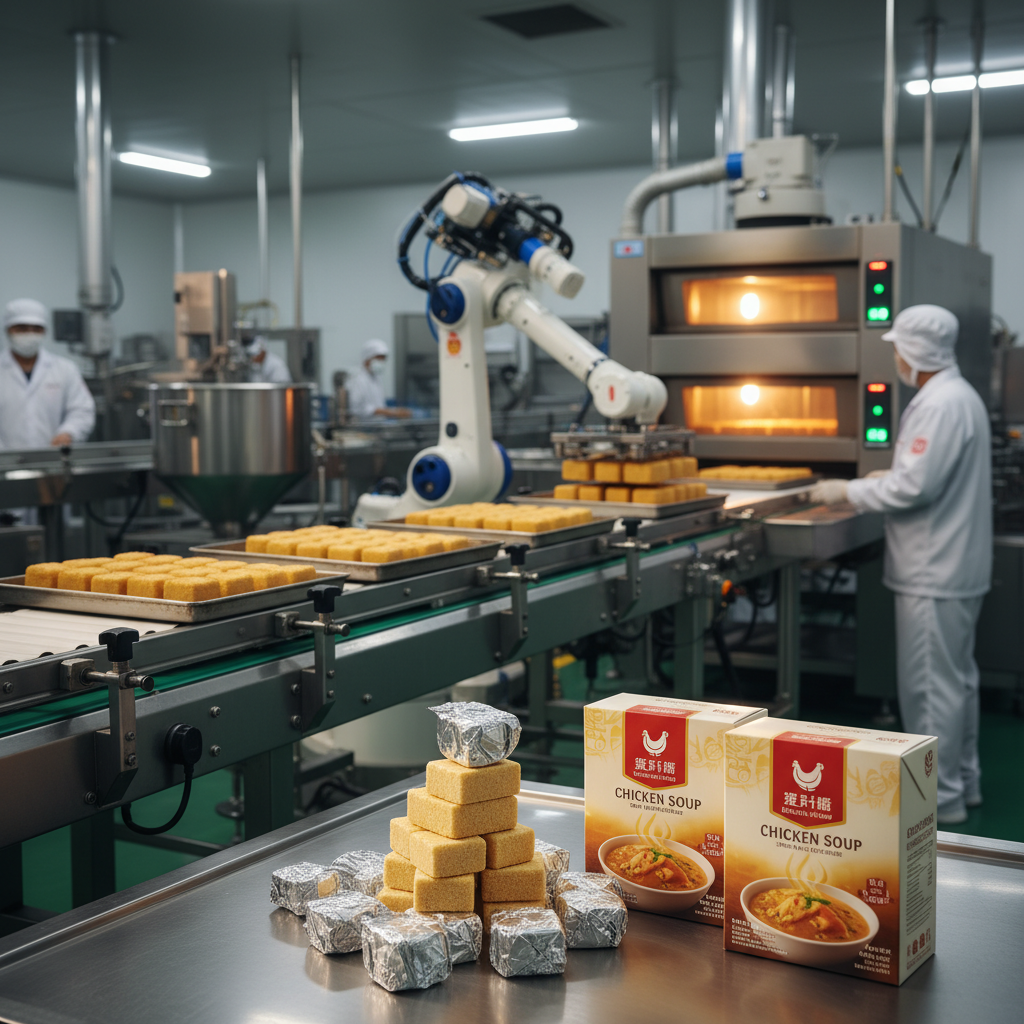
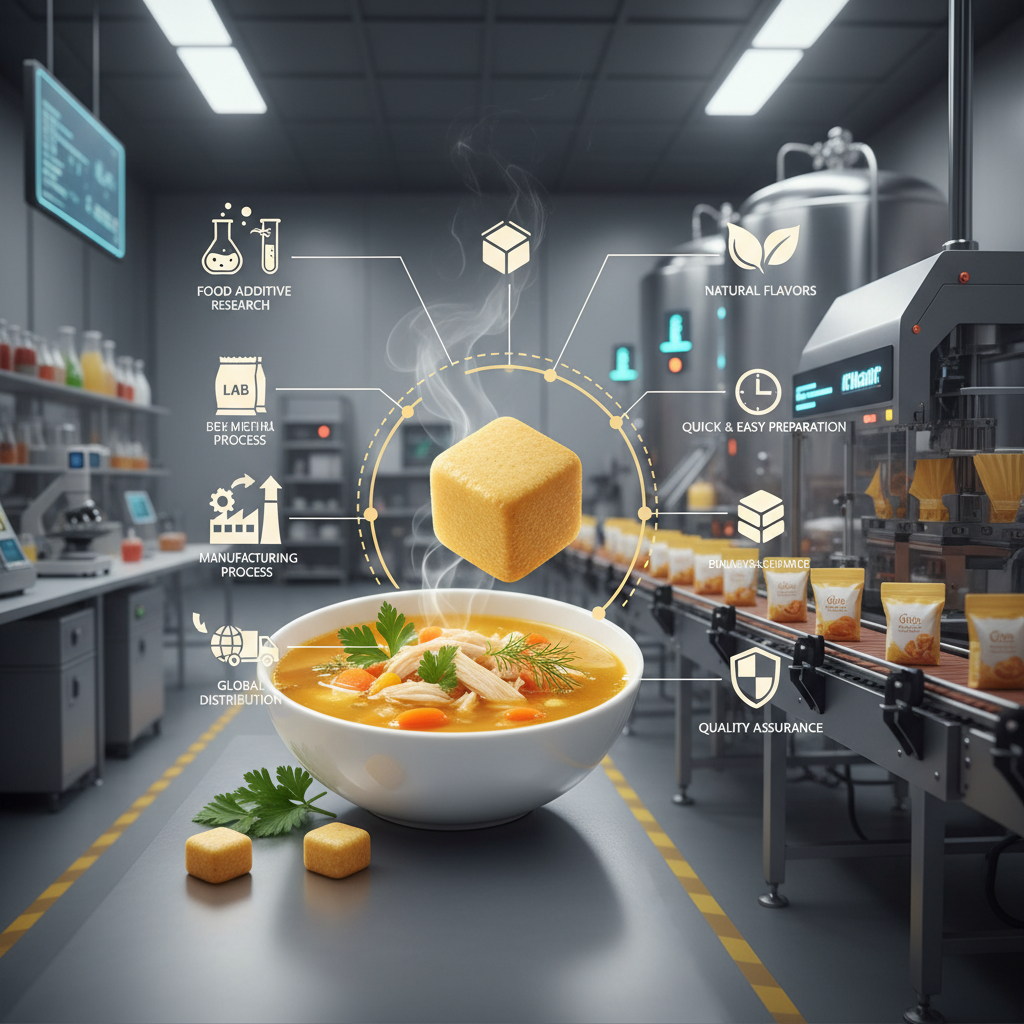
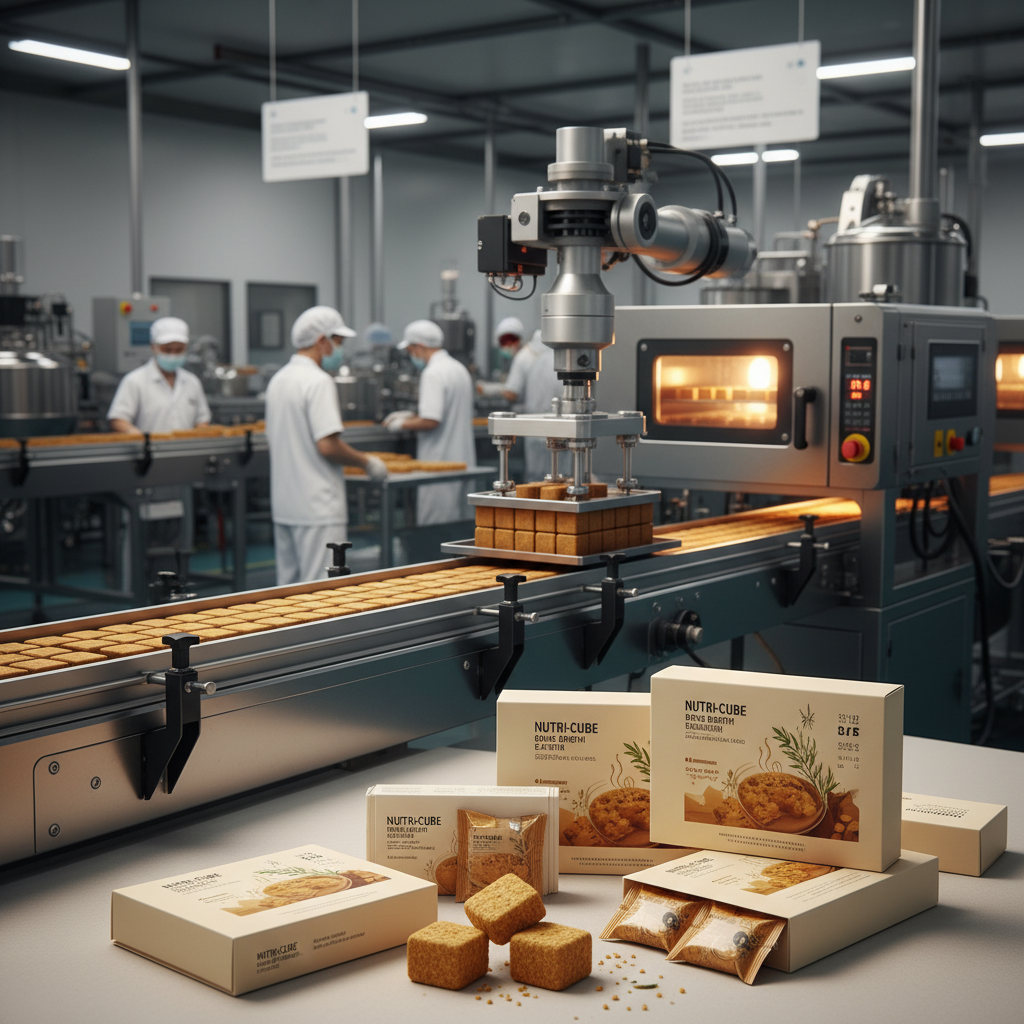
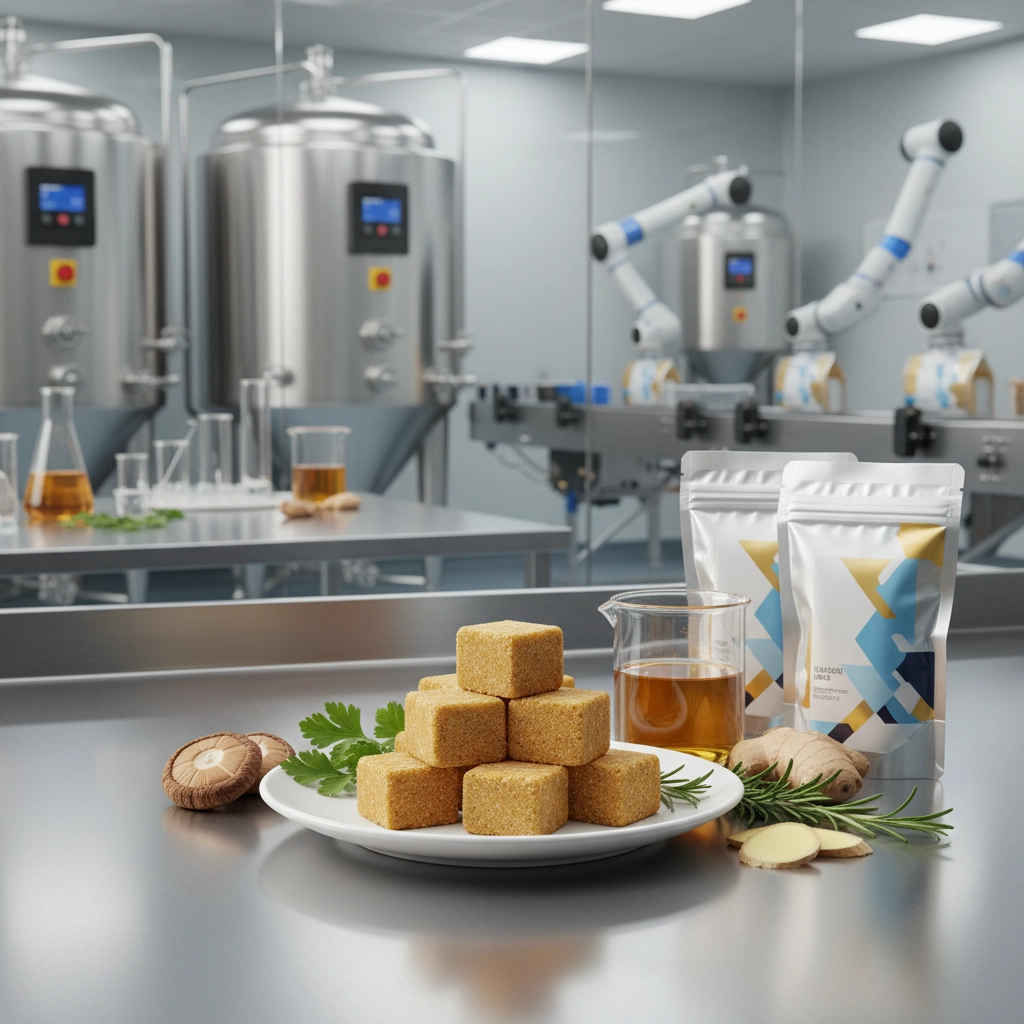
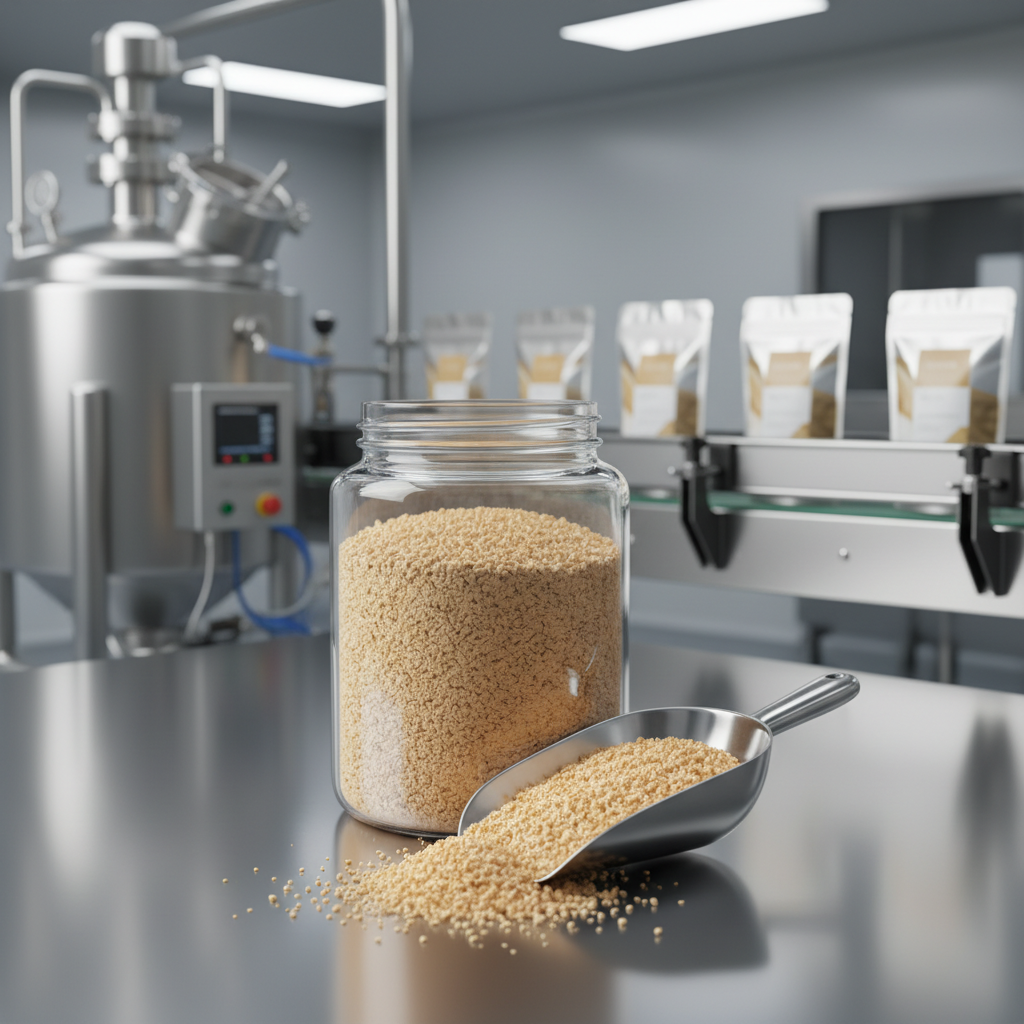
In the fast-paced world of modern culinary arts and industrial food production, bouillon cubes chicken soup have emerged as an indispensable tool for achieving consistent flavor profiles. These concentrated bursts of seasoning allow chefs, home cooks, and food manufacturers to replicate the complex taste of a slow-simmered poultry broth in a fraction of the time, bridging the gap between artisanal quality and industrial efficiency.
The global demand for such convenient flavor enhancers is driven by the increasing need for shelf-stable, cost-effective, and standardized ingredients. As the food additive industry evolves, the science behind bouillon cubes chicken soup has shifted toward cleaner labels and more natural extracts, ensuring that the "umami" experience remains authentic while meeting stringent international food safety standards.
Understanding the technical composition and application of these cubes is essential for businesses looking to optimize their production lines. Whether used in ready-to-eat meals, instant soups, or as a base for complex sauces, bouillon cubes chicken soup provide a reliable foundation that ensures taste uniformity across different batches and geographical markets.
The Global Market Context of Bouillon Cubes Chicken Soup
The global market for bouillon cubes chicken soup has seen exponential growth as urbanization increases the demand for "convenience foods." According to market trends observed in the food additive sector, the shift toward processed seasonings is not merely a trend but a response to the scarcity of time in modern households. In many developing regions, these cubes serve as an affordable way to enhance the nutritional perception and taste of staple grains.
However, the industry faces the challenge of balancing high-intensity flavor with the growing consumer preference for "clean label" products. Manufacturers are now tasked with reducing sodium levels and eliminating artificial MSG while maintaining the characteristic savory profile that makes bouillon cubes chicken soup a household staple across five continents.
Technical Definition and Compositional Analysis
At its core, bouillon cubes chicken soup are dehydrated blocks of concentrated stock, composed of a precise blend of salt, flavor enhancers, fats, and dehydrated poultry extracts. The process involves reducing a chicken-based broth through evaporation and then incorporating binding agents to create a solid, stable form that resists moisture absorption until it is reintroduced to water.
From a chemical perspective, the interaction between glutamate and sodium is what creates the "umami" sensation. This synergy is carefully calibrated in industrial settings to ensure that each cube provides a consistent taste experience, regardless of when or where it was produced. This standardization is critical for pharmaceutical-grade food additives used in medical nutrition.
Moreover, the integration of hydrocolloids and anti-caking agents ensures that the bouillon cubes chicken soup remain free-flowing and easy to dispense during the manufacturing of larger food products, such as instant noodle packets or pre-packaged soup mixes.
Core Components Driving Flavor Stability
The durability of bouillon cubes chicken soup relies heavily on the moisture content control. By maintaining a water activity level below a certain threshold, manufacturers can prevent microbial growth without relying exclusively on heavy preservatives, extending the shelf life for years.
Flavor scalability is another critical factor; the formulation of bouillon cubes chicken soup must be robust enough to be diluted in various volumes of water while retaining its core aromatic profile. This is achieved through the use of spray-dried flavor oils that release their volatile compounds only upon heating.
Cost efficiency is maximized through the strategic use of salt as both a flavor agent and a preservative. In the production of bouillon cubes chicken soup, salt acts as the primary structural matrix, allowing the other concentrated ingredients to remain stable during shipping and storage in extreme climates.
Industrial Applications and Efficiency Metrics
In the food manufacturing sector, the use of bouillon cubes chicken soup allows for a massive reduction in energy consumption. Traditional stock production requires hours of simmering and significant water usage; by using concentrated cubes, facilities can bypass the energy-intensive reduction phase, drastically lowering their carbon footprint.
Furthermore, these cubes enable "just-in-time" flavor application in commercial kitchens, reducing food waste by eliminating the need to store large volumes of liquid stock that may spoil. The precision of the dosage ensures that every batch of product meets the same sensory specifications.
Performance Analysis of Bouillon Cubes Chicken Soup Variants
Global Logistics and Humanitarian Use Cases
The logistical advantage of bouillon cubes chicken soup is most evident in disaster relief operations. In post-earthquake or flood zones where fresh water is limited and refrigeration is non-existent, these cubes provide a critical source of sodium and flavor that encourages the consumption of plain rice or porridge, providing psychological comfort and basic nutritional support to displaced populations.
In remote industrial zones, such as mining camps or offshore oil rigs, the compact nature of bouillon cubes chicken soup makes them an ideal part of the ration supply. They allow for the preparation of warm, savory meals in confined spaces with minimal equipment, maintaining worker morale through familiar tastes.
Long-term Economic and Sustainability Value
From an economic standpoint, the integration of bouillon cubes chicken soup into food production lines reduces the "cost per serving" significantly. By optimizing the supply chain around dry ingredients rather than liquids, companies save on shipping weight and warehousing costs, which directly translates to more competitive pricing for the end consumer.
Sustainability is also achieved through the reduction of water waste. Industrial-scale stock production often results in significant effluent discharge; however, the use of pre-concentrated cubes shifts the water-intensive part of the process to specialized facilities that can better manage water treatment and recycling.
Moreover, the trust built through consistent quality control in the production of bouillon cubes chicken soup fosters long-term partnerships between additive manufacturers and global food brands, driving innovation in the "clean label" movement.
Future Innovations in Flavor Enhancement
The future of bouillon cubes chicken soup lies in the application of biotechnology. We are seeing a shift toward the use of yeast extracts and fermented proteins to replace traditional chemical flavor enhancers. This not only appeals to health-conscious consumers but also aligns with the global trend toward plant-based and hybrid flavor profiles.
Digital transformation is also playing a role, with AI-driven flavor profiling allowing manufacturers to customize bouillon cubes chicken soup for specific regional palates with surgical precision. By analyzing big data from consumer preferences in different continents, companies can adjust the ratios of turmeric, garlic, or onion to perfectly suit local tastes.
Additionally, the development of biodegradable packaging for these cubes is a priority, reducing the plastic waste associated with individual foil wrappers and ensuring that the product is sustainable from production to disposal.
Comparative Analysis of Future Bouillon Cube Technologies
| Technology Type |
Flavor Intensity |
Health Rating |
Production Cost |
| Traditional Chemical |
High (9/10) |
Low (4/10) |
Very Low |
| Yeast-Based Umami |
Medium (7/10) |
High (8/10) |
Medium |
| Freeze-Dried Organic |
Very High (10/10) |
Very High (9/10) |
High |
| Plant-Based Hybrid |
Medium (6/10) |
High (8/10) |
Medium |
| AI-Customized Blend |
High (9/10) |
Medium (6/10) |
Medium-High |
| Low-Sodium Bio-salt |
Medium (7/10) |
Very High (10/10) |
High |
FAQS
Industrial bouillon cubes chicken soup are engineered for stability, consistency, and long-term storage. While homemade stock relies on fresh ingredients and time, cubes use concentrated extracts and binders to ensure the same flavor profile can be reproduced instantly in any kitchen worldwide, regardless of local ingredient availability.
Yes, they are highly efficient for large-scale operations. They reduce the need for massive boiling vats, lower energy costs, and ensure that the flavor across thousands of units remains identical, which is a critical requirement for quality control in the food additive industry.
The shelf life of bouillon cubes chicken soup is maintained through dehydration and the use of salt as a natural preservative. By removing water, the environment becomes inhospitable to bacteria, and airtight foil packaging prevents moisture and oxygen from degrading the flavor oils.
Absolutely. Modern food science uses potassium salts and enhanced umami-rich yeast extracts to mimic the taste of sodium. This allows manufacturers to create low-sodium versions of bouillon cubes chicken soup that satisfy health requirements without sacrificing the savory experience.
NGOs prioritize them due to their high caloric-to-weight ratio and ease of transport. In regions with food insecurity, bouillon cubes chicken soup can transform bland, basic nutrients (like maize or rice) into palatable meals, which is essential for the psychological well-being of refugees and disaster victims.
While traditional packaging was plastic-heavy, the industry is moving toward compostable wraps. Furthermore, by reducing the water and energy needed for stock reduction at the end-user level, bouillon cubes chicken soup can actually contribute to a lower overall carbon footprint for the food service industry.
Conclusion
In summary, bouillon cubes chicken soup represent a perfect intersection of food chemistry, industrial efficiency, and global convenience. From their role in stabilizing flavors for global food brands to their critical application in humanitarian relief, these concentrated seasoning tools provide far more value than mere convenience; they offer reliability, scalability, and economic viability in an increasingly demanding food landscape.
Looking forward, the evolution of these products will be defined by the pursuit of "cleaner" ingredients and sustainable packaging. As we move toward a more health-conscious and eco-friendly future, the ability to deliver a rich, savory experience without artificial additives will be the hallmark of industry leadership. We encourage manufacturers and culinary professionals to embrace these innovations to enhance both product quality and planetary health. Visit our website for more professional seasoning solutions: www.chinaseasoning.com