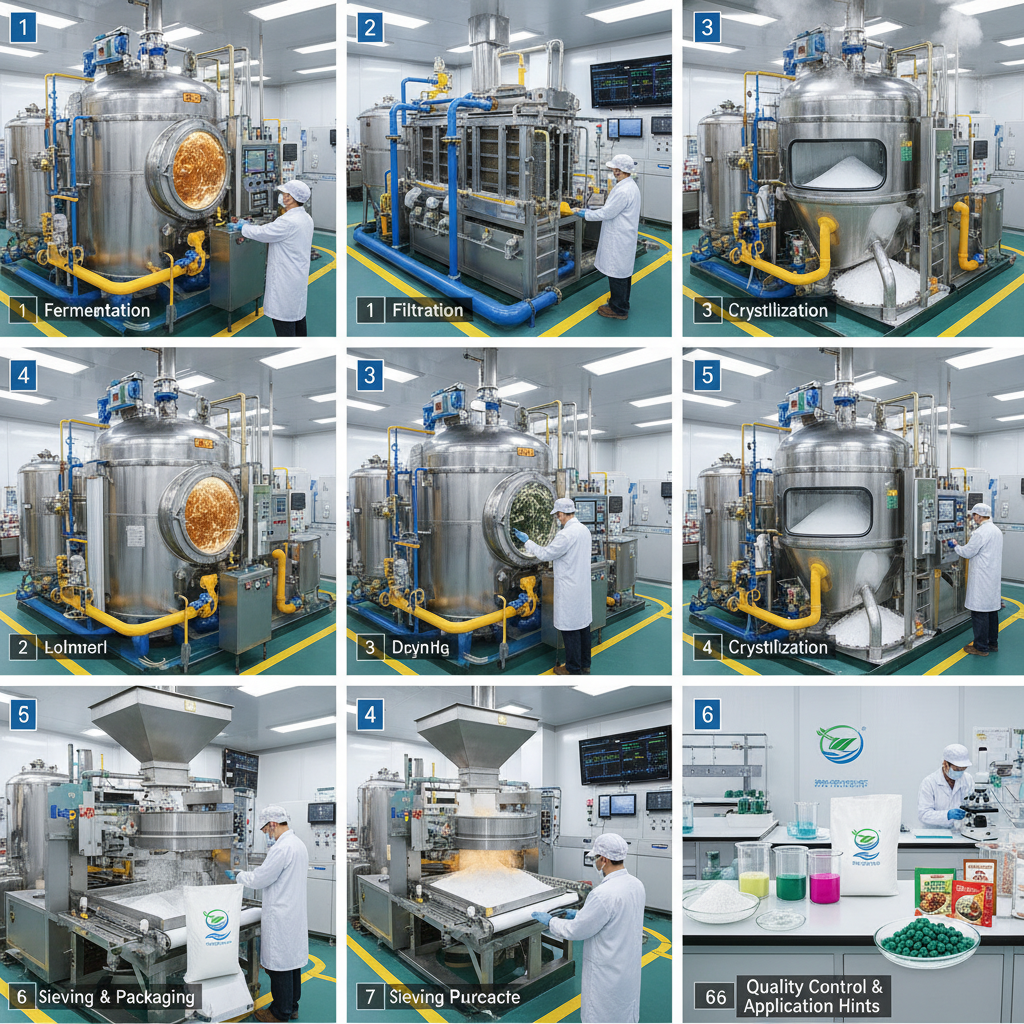
In the modern culinary and industrial landscape, the demand for consistent, high-quality flavor bases has led to the widespread adoption of bouillon cube stock. These concentrated seasoning blocks provide a reliable method for delivering complex umami profiles without the labor-intensive process of simmering bones and vegetables for hours, making them indispensable for both home cooks and large-scale food manufacturers.
Beyond mere convenience, the science behind bouillon cube stock involves sophisticated food additive technology, balancing salt, fats, and flavor enhancers to ensure stability and long-term shelf life. This efficiency is particularly critical in the global food supply chain, where reducing waste and maintaining taste consistency across different geographical regions is a primary operational goal.
Understanding the composition and application of these stock concentrates allows businesses to optimize their production costs while enhancing the sensory experience for the end consumer. By leveraging advanced pharmaceutical-grade intermediates and food additives, manufacturers can now create cleaner-label stocks that meet stringent international health standards without sacrificing the depth of flavor.
Global Industry Context of Bouillon Cube Stock
The global market for bouillon cube stock has seen exponential growth as urbanization increases and the pace of modern life accelerates. According to industry data aligned with ISO food safety standards, the shift toward "convenience foods" has transitioned these cubes from simple household staples to critical industrial ingredients. In many developing regions, they serve as an affordable source of flavor and essential minerals, bridging the gap in nutrient-poor diets.
However, the industry faces a significant challenge: the balance between high sodium content and the demand for "healthier" alternatives. As global health organizations push for sodium reduction, manufacturers are tasked with reinventing the chemical structure of their stocks to maintain the characteristic "savory" taste while adhering to new dietary guidelines, driving innovation in the food additive sector.
Defining the Composition of Bouillon Cube Stock
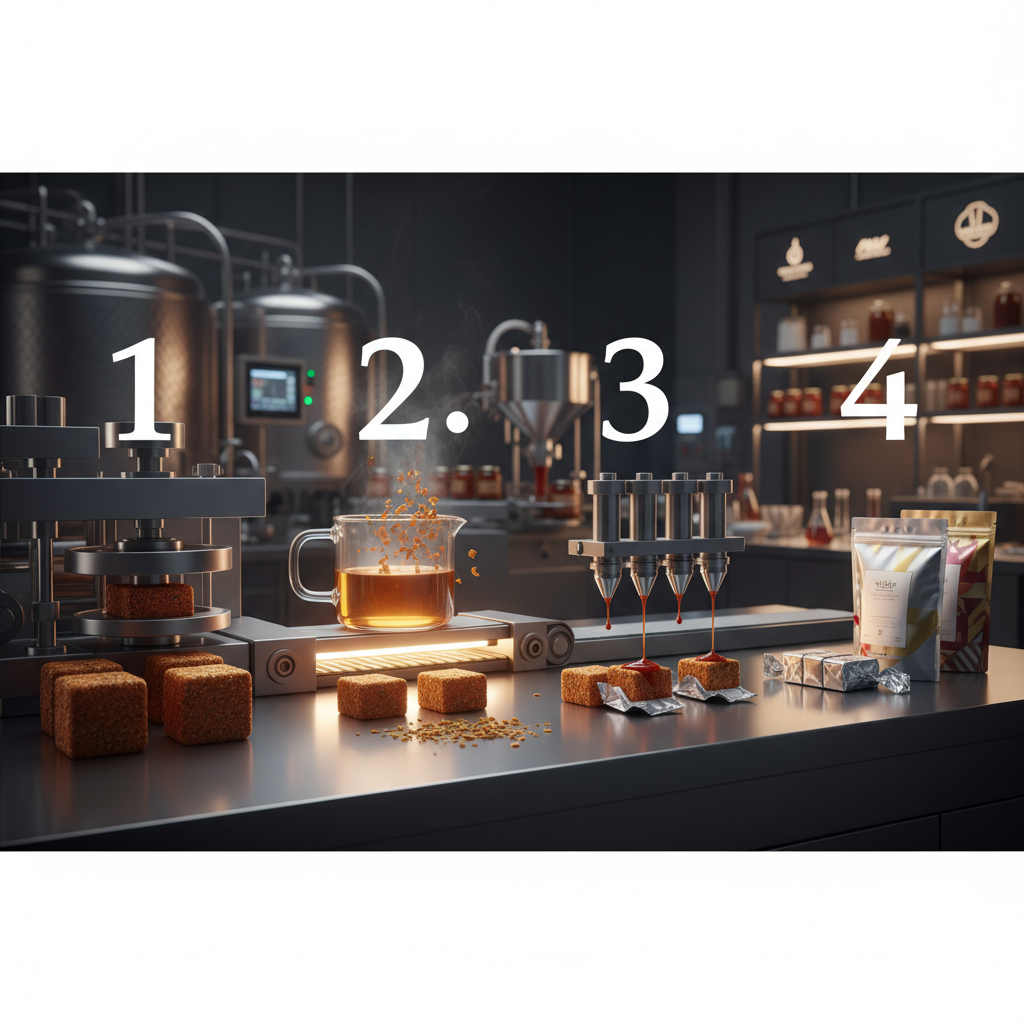
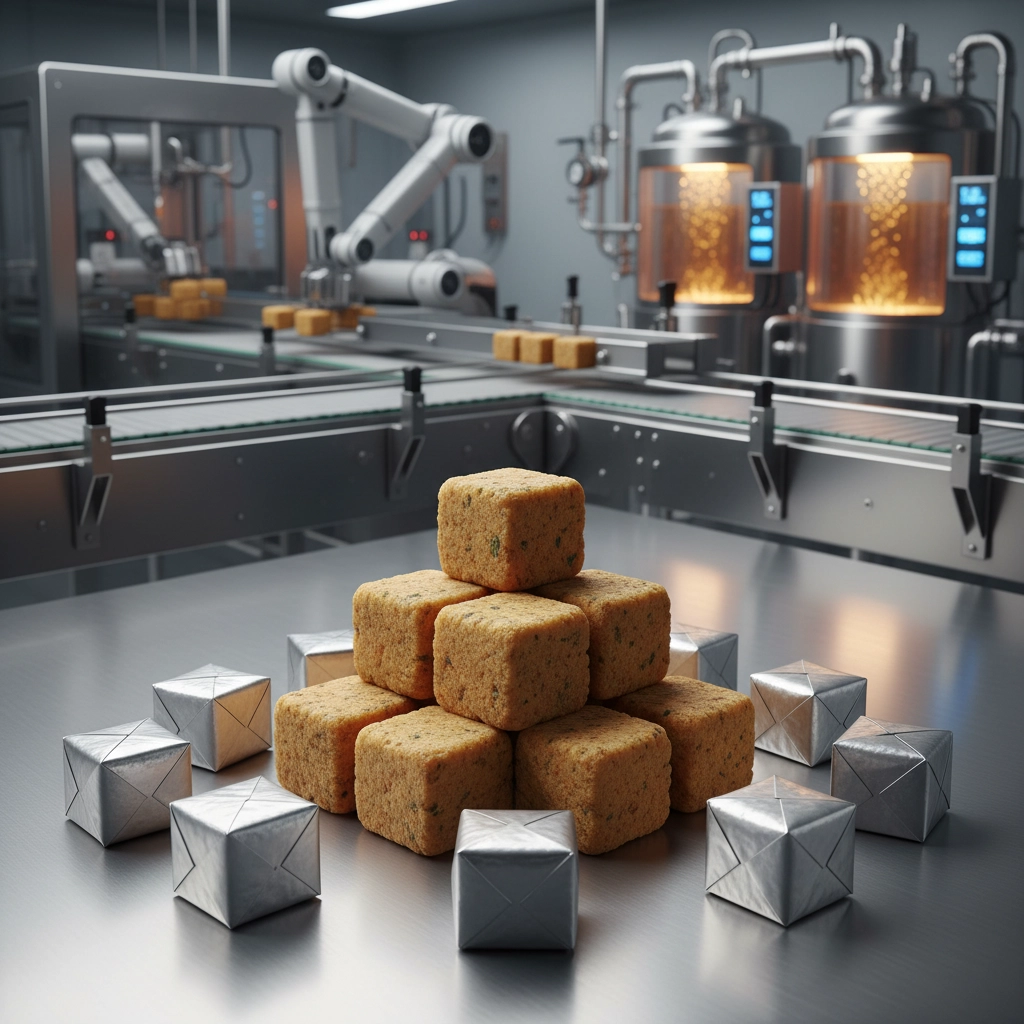
At its most basic level, bouillon cube stock is a dehydrated concentrate of meat, vegetable, or seafood extracts, combined with salt, fats, and various flavor enhancers. The process involves reducing a liquid stock to a thick paste, which is then pressed into a cube and dried. This transformation ensures that the volatile aromatic compounds are trapped, allowing the flavor to be reconstituted instantly in boiling water.
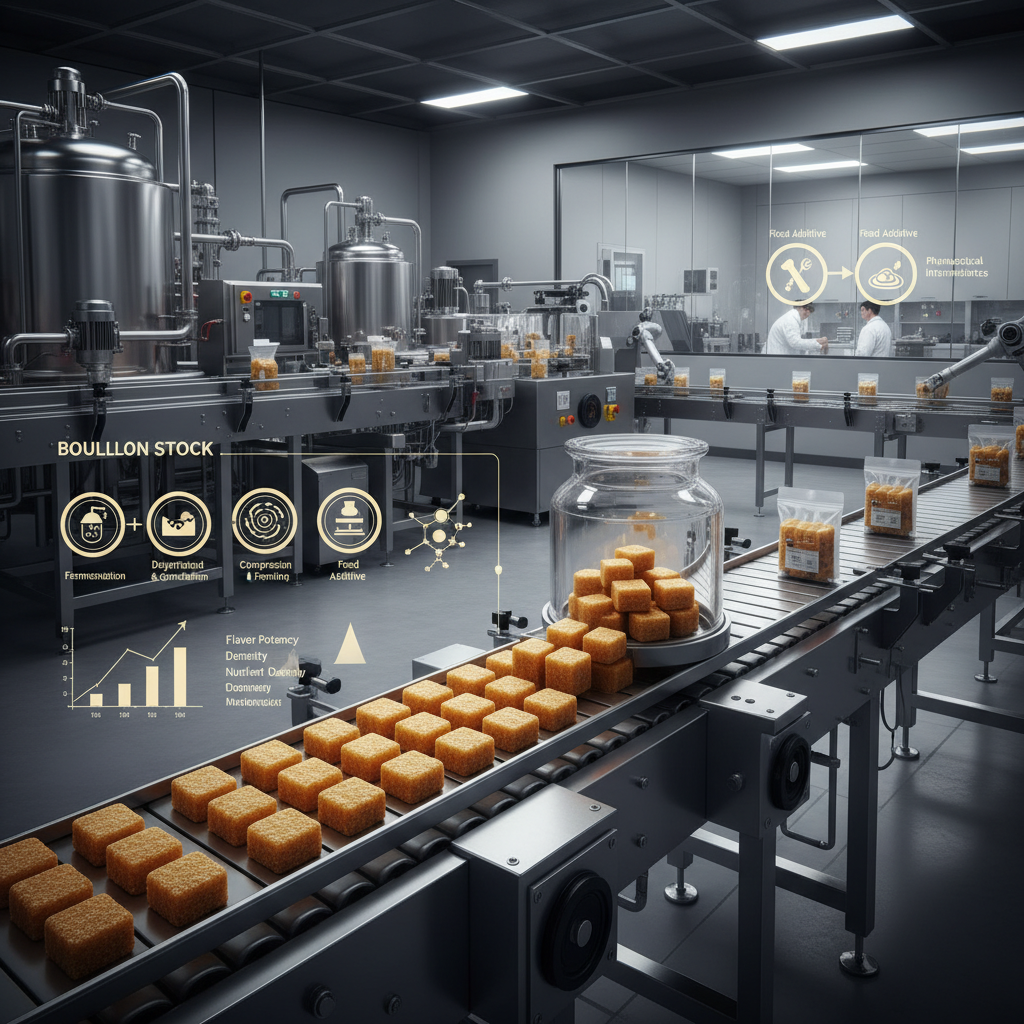
From an industrial perspective, these cubes represent a triumph of food engineering. They utilize specific binders and anti-caking agents to prevent the cubes from crumbling or absorbing moisture from the air. The integration of pharmaceutical-grade intermediates ensures that the extracts remain potent and stable across varying temperatures, which is essential for products exported to diverse climates.
Moreover, the connection to humanitarian needs is profound. In disaster-relief operations or remote industrial zones where fresh produce is unavailable, bouillon cubes provide a calorie-dense, flavor-rich additive that can make basic grains and legumes palatable, thereby improving the psychological well-being and nutritional intake of affected populations.
Key Factors for High-Quality Stock Production
One of the primary factors in producing a premium bouillon cube stock is flavor stability. This refers to the ability of the product to maintain its sensory profile from the moment of manufacture until it reaches the consumer's pot. Achieved through precise temperature control during dehydration and the use of high-quality antioxidants, stability prevents the oxidation of fats that would otherwise lead to off-flavors.
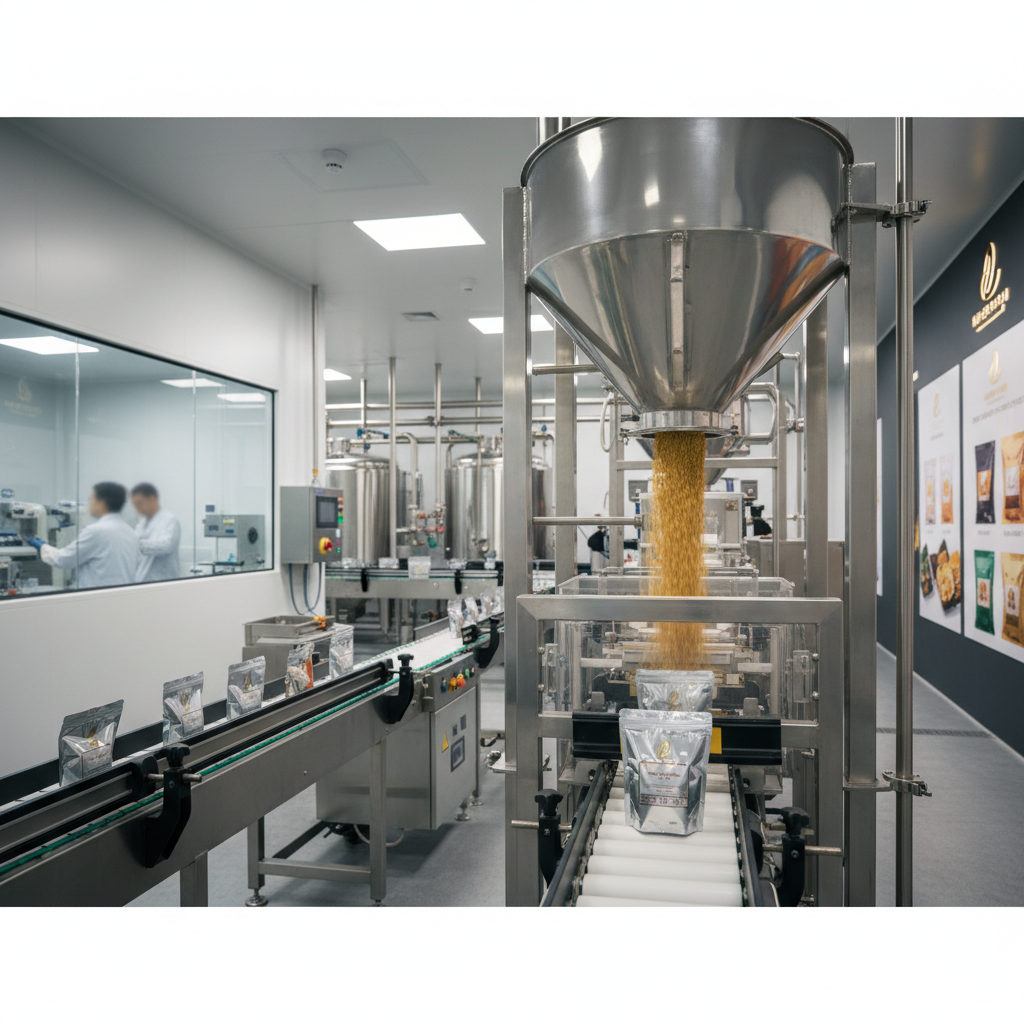
Cost Efficiency and Scalability are equally vital. For manufacturers, the ability to source raw materials in bulk and process them using automated extrusion technology allows for a lower price point per unit. By optimizing the ratio of expensive meat extracts to functional food additives, companies can scale production to meet global demand without compromising the perceived quality of the stock.
Finally, solubility is the ultimate test of a bouillon cube's quality. A high-grade bouillon cube stock must dissolve rapidly and completely in hot water without leaving gritty residues. This requires a meticulous blend of particle sizes and the correct choice of emulsifiers, ensuring a smooth, homogeneous broth that serves as a perfect base for soups and sauces.
Global Applications and Use Cases
The application of bouillon cube stock extends far beyond the home kitchen. In the commercial food service industry, professional chefs use these concentrates to standardize the taste of base liquids across multiple franchise locations, ensuring that a soup in New York tastes identical to one in Tokyo. This level of consistency is only possible through the precision of industrial food additives.
In more extreme contexts, such as military rations or post-disaster relief, these cubes are a strategic asset. Because they are lightweight, non-perishable, and highly concentrated, they provide a high-impact flavor solution in environments where logistics are constrained. For example, in remote mining camps or polar research stations, bouillon cubes are often the primary means of adding savory depth to dehydrated meals.
Performance Analysis of Bouillon Cube Stock Formulations
Long-Term Economic and Nutritional Value
From an economic standpoint, the use of bouillon cube stock dramatically reduces food waste. Traditional stock production involves significant water usage and the disposal of organic solids. By condensing these flavors into a cube, manufacturers reduce the carbon footprint associated with transporting heavy liquid products, leading to lower shipping costs and a more sustainable supply chain.
Beyond the logistics, there is a social impact. High-quality stock cubes can be fortified with essential vitamins and minerals, transforming a simple seasoning into a vehicle for public health. In regions suffering from micronutrient deficiencies, fortified bouillon cube stock provides a culturally accepted and tasty way to deliver iron, iodine, and vitamin A to vulnerable populations.
Future Trends in Stock Innovation
The future of bouillon cube stock is leaning heavily toward "Clean Label" initiatives. Consumers are increasingly demanding the removal of MSG and artificial dyes, pushing the industry toward natural yeast extracts and plant-based umami boosters. This shift requires a deep understanding of pharmaceutical intermediates to replicate the same savory intensity using only natural sources.
Digital transformation is also playing a role in production. Smart factories are now using AI-driven sensory analysis to adjust the composition of stocks in real-time, ensuring that every batch of bouillon cube stock meets a precise chemical fingerprint. This reduces variance and ensures that the taste profile remains identical regardless of the raw material's seasonal fluctuations.
Additionally, the rise of plant-based diets is driving a surge in vegan bouillon options. These products leverage fermented mushrooms and hydrolyzed vegetable proteins to mimic the richness of beef or chicken stock, expanding the market reach to include environmentally conscious and ethical consumers globally.
Overcoming Manufacturing Challenges
One of the most persistent challenges in the manufacture of bouillon cube stock is the prevention of "caking" or hardening, which can make the cubes difficult to break. To solve this, engineers are developing advanced lipid-coating technologies that encapsulate the powder particles in a microscopic layer of healthy fats, preventing moisture absorption without altering the flavor.
Another hurdle is the reduction of sodium without losing the "salt-kick" that consumers expect. Expert insights suggest the use of potassium salts and the amplification of glutamates through fermentation. By enhancing the perception of saltiness through chemical synergy, manufacturers can reduce actual sodium levels by up to 30% while maintaining the same sensory impact.
Finally, packaging innovation is key to sustainability. Moving away from individual plastic wraps toward biodegradable or compostable films is a priority. This not only aligns with global environmental policies but also protects the integrity of the bouillon cube stock from oxygen ingress, thereby extending the natural shelf life.
Comparative Analysis of Bouillon Cube Stock Quality Parameters
| Product Grade |
Solubility Rate |
Umami Intensity |
Shelf Stability |
| Premium Organic |
High (9/10) |
Natural (7/10) |
Moderate (6/10) |
| Industrial Standard |
Very High (10/10) |
Strong (9/10) |
Excellent (10/10) |
| Low Sodium Line |
High (8/10) |
Moderate (6/10) |
High (8/10) |
| Vegan/Plant-Based |
Moderate (7/10) |
Deep (8/10) |
High (9/10) |
| Fortified Relief Grade |
High (9/10) |
Standard (7/10) |
Extreme (10/10) |
| Artisan Small Batch |
Moderate (6/10) |
Complex (10/10) |
Low (4/10) |
FAQS
Professional bouillon cube stock is engineered for consistency and stability. While home-made stock relies on fresh ingredients and long simmering times, industrial versions use dehydrated extracts and specific food additives to ensure a standardized taste profile and a shelf life of several years, which is impossible for fresh stock.
Yes, they are highly cost-effective. They eliminate the labor costs associated with preparing stock from scratch and reduce the storage space required for raw bones and vegetables. Furthermore, they minimize waste and ensure that every batch of soup or sauce has the same flavor, reducing the risk of costly errors in high-volume kitchens.
To reduce sodium in bouillon cube stock without losing flavor, manufacturers typically use potassium chloride as a partial salt replacement and increase the concentration of natural umami agents like yeast extract or mushroom powder, which trick the palate into perceiving a saltier taste.
Absolutely. By replacing animal-based extracts with hydrolyzed vegetable proteins and fermented fungi extracts, manufacturers can create a vegan bouillon cube stock that maintains the rich, savory profile associated with traditional meat stocks while meeting dietary and ethical requirements.
The key is to maintain a low-humidity environment. Storing cubes in airtight containers in a cool, dry place prevents them from absorbing atmospheric moisture, which is the primary cause of caking. In industrial settings, moisture-barrier films and desiccants are used to maintain this stability.
NGOs typically source fortified bouillon cube stock that meets World Food Programme (WFP) standards. These are imported in bulk, industrial-grade packaging designed for rugged transport, ensuring that essential micronutrients reach the most remote areas without spoiling.
Conclusion
In summary, bouillon cube stock represents a critical intersection of culinary tradition and industrial innovation. From its role in stabilizing global food flavor profiles to its application in humanitarian aid and high-volume catering, the bouillon cube is much more than a convenience item; it is a sophisticated product of food additive science that optimizes cost, efficiency, and nutrition.
As we move toward a future of cleaner labels and plant-based alternatives, the continued evolution of stock concentrates will be driven by sustainability and health-conscious engineering. For businesses looking to enhance their product offerings or optimize their production lines, investing in high-quality, stable, and innovative stock solutions is essential for maintaining a competitive edge in the global market. Visit our website: www.chinaseasoning.com