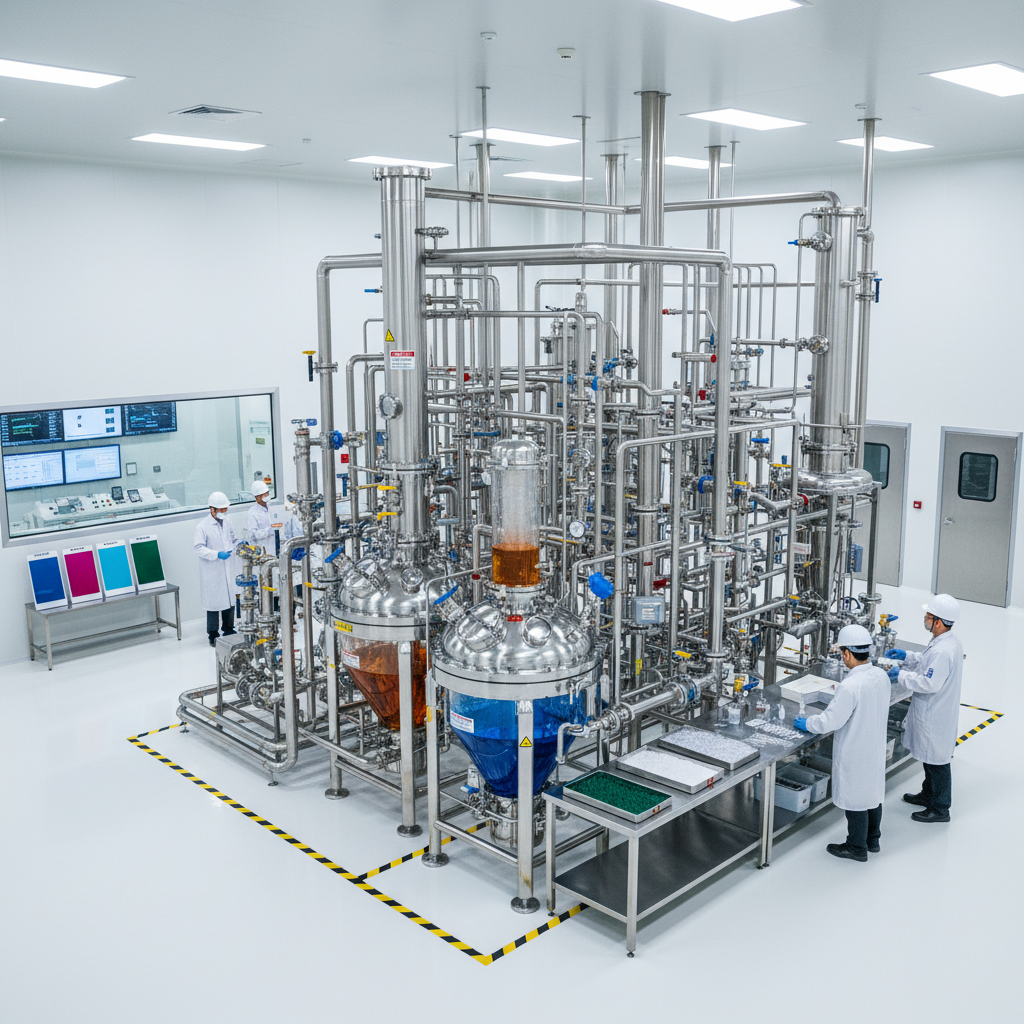
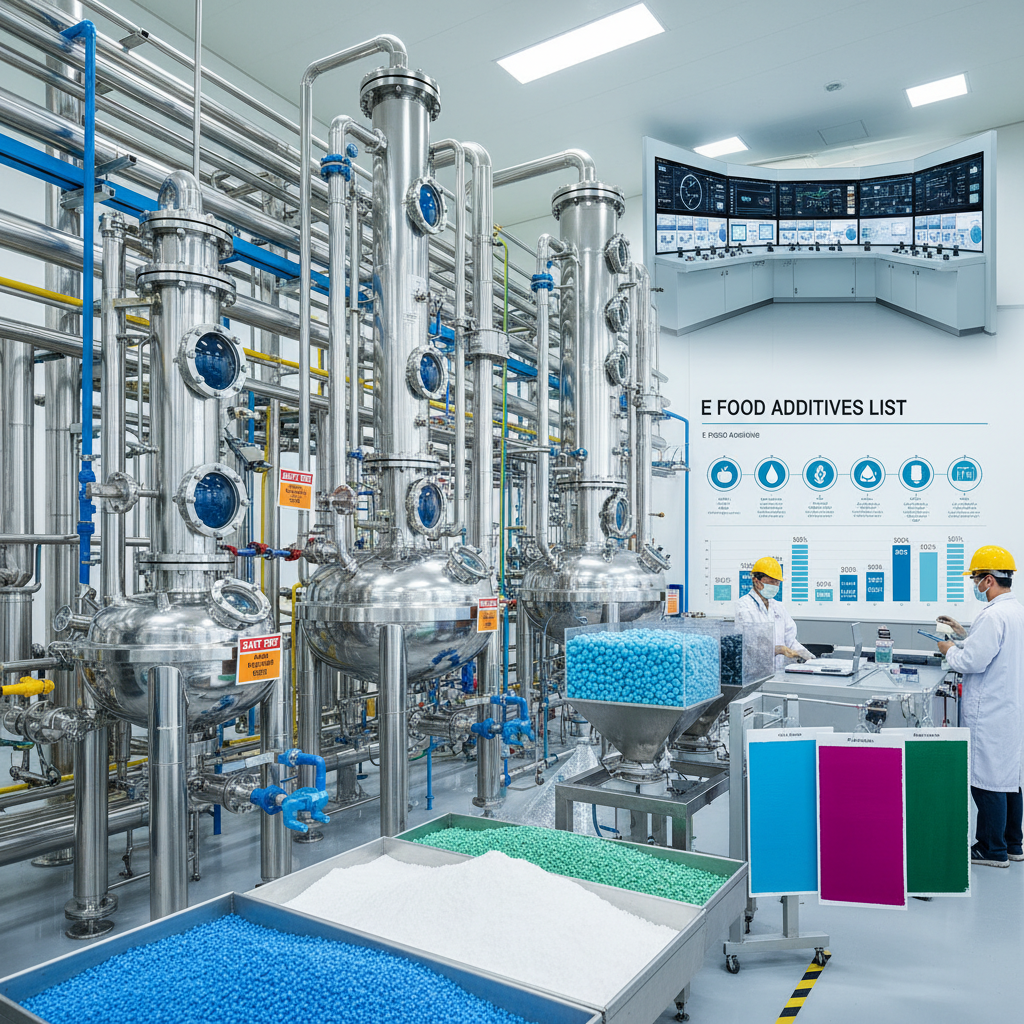
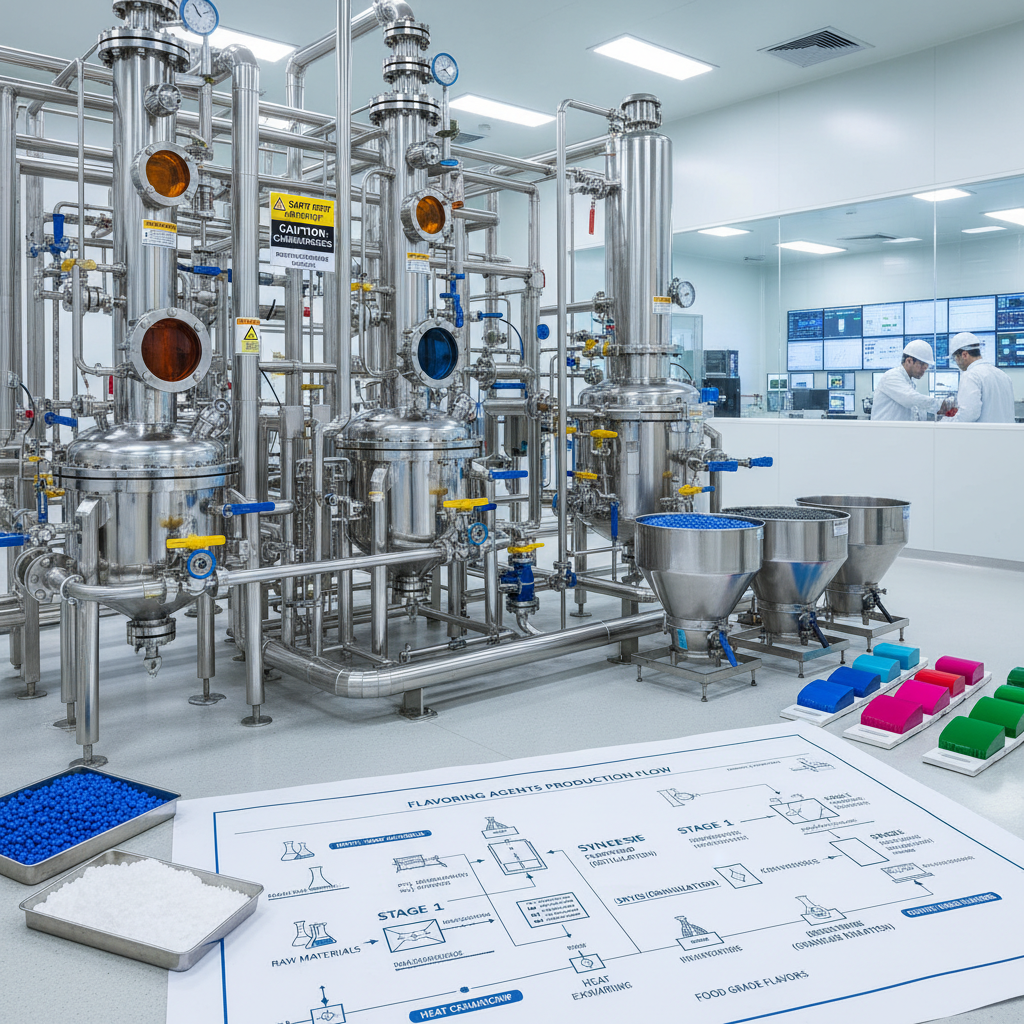
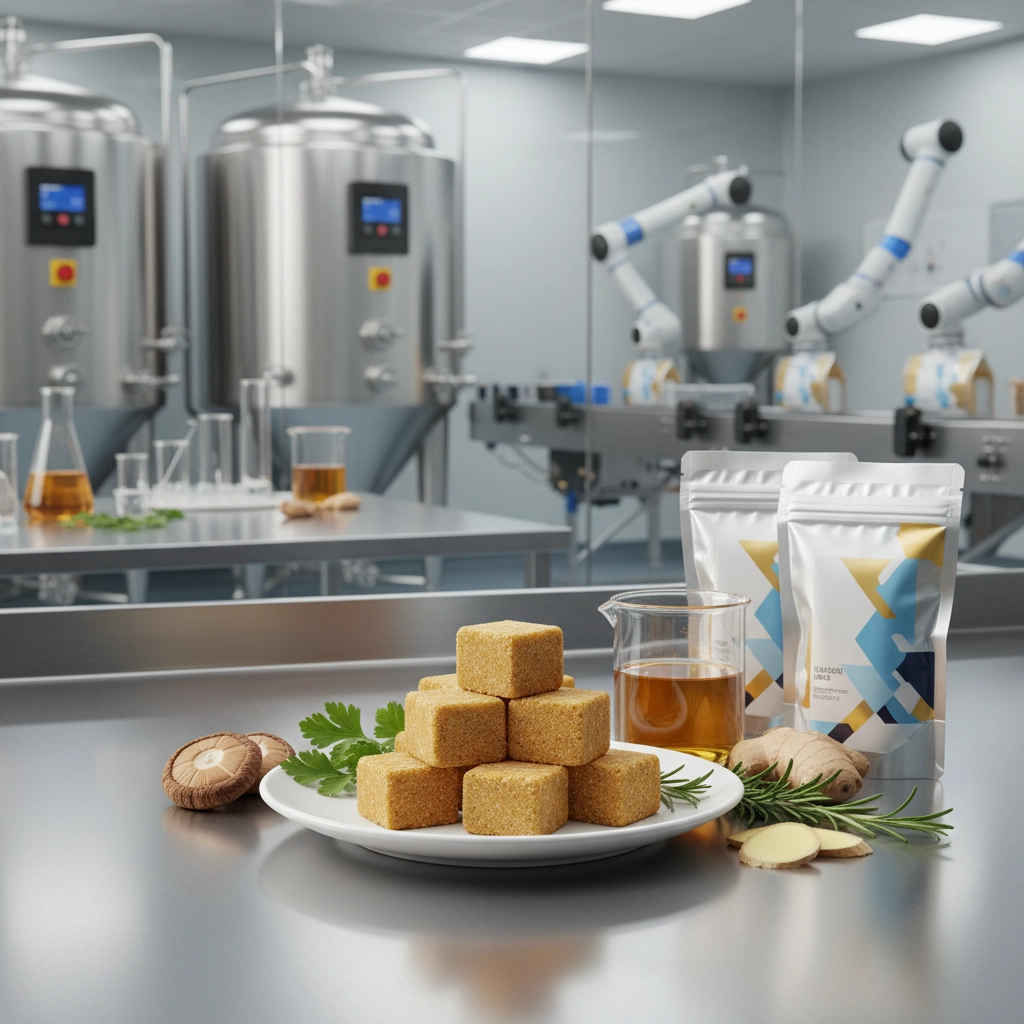
In the complex world of modern food science, the e food additives list serves as a critical blueprint for manufacturers, regulators, and consumers alike. These standardized numbering systems, widely recognized across international borders, ensure that ingredients are identified with precision, reducing the risk of contamination and ensuring consistency in mass production. Understanding these listings is not merely a matter of compliance but a gateway to optimizing food quality and safety on a global scale.
The global food supply chain relies heavily on the stability provided by these additives to combat spoilage and maintain nutritional integrity during long-distance transport. From stabilizers that prevent emulsion breakdown to preservatives that curb microbial growth, the substances found within an e food additives list are the invisible architects of the modern pantry. As consumer demand for "clean labels" grows, the industry is shifting toward more transparent and naturally derived alternatives, yet the fundamental need for a systematic classification remains unchanged.
For professionals in the food additive manufacturing sector, mastering the nuances of the e food additives list is essential for navigating the diverse regulatory landscapes of the EU, USA, and Asia. By aligning production standards with these global lists, companies can scale their operations efficiently while guaranteeing that their products meet the stringent safety requirements of the World Health Organization (WHO) and the Food and Agriculture Organization (FAO).
Global Standards of the e food additives list
The establishment of a universal e food additives list was driven by the need for linguistic neutrality in international trade. By assigning a numeric code to each substance, the industry eliminated the confusion caused by varying chemical names across different languages, allowing a manufacturer in China to communicate perfectly with a distributor in Germany. This standardization is largely overseen by the Codex Alimentarius, which ensures that every additive listed is backed by rigorous toxicological data.
Beyond simple identification, these global standards facilitate the rapid auditing of ingredients during quality control processes. When a company references the e food additives list, they are accessing a database of permitted daily intake (PDI) levels, which prevents the over-accumulation of specific chemicals in the human diet. This systematic approach has significantly reduced foodborne illnesses and chemical toxicity incidents in the global food supply.
Functional Categories in e food additives list
The items within an e food additives list are not randomized but categorized by their functional contribution to the food matrix. For instance, the 100-series typically covers coloring agents, while the 200-series is dedicated to preservatives. This hierarchical structure allows food technologists to quickly identify which group of additives will solve a specific problem, such as preventing oxidation in fats or maintaining the texture of a low-fat sauce.
Emulsifiers and stabilizers, often found in the 400-series of the e food additives list, play a pivotal role in the pharmaceutical intermediates and food sectors. These substances allow oil and water to coexist, creating the smooth consistency required for everything from mayonnaise to specialized medical syrups. Without these precise classifications, the scalability of food production would be hampered by erratic batch results.
Furthermore, flavor enhancers and acidity regulators (300-series) ensure that the sensory profile of a product remains consistent regardless of the raw material's origin. By utilizing the e food additives list, developers can balance pH levels to inhibit bacterial growth while simultaneously enhancing the taste, demonstrating the dual-purpose nature of many modern additives.
Safety and Regulatory Compliance of e food additives list
Regulatory compliance hinges on the strict adherence to the e food additives list guidelines set by regional bodies like the EFSA (European Food Safety Authority) and the FDA. These organizations continuously review the safety profiles of additives, meaning that a substance present on a list today may be restricted tomorrow based on new scientific evidence.
The process of validating an e food additives list involves comprehensive "Generally Recognized as Safe" (GRAS) evaluations. This involves testing for allergenicity, mutagenicity, and chronic toxicity to ensure that the additive does not pose a risk to the general population over a lifetime of consumption.
For manufacturers, the challenge lies in the discrepancy between different regional versions of the e food additives list. A preservative permitted in North America might be prohibited in the EU, necessitating a flexible formulation strategy where ingredients are swapped based on the target market's specific regulatory list.
Performance Metrics for e food additives list Selection
Selecting the right ingredient from the e food additives list requires a balance between technical efficiency and consumer perception. High-performance additives must provide maximum stability at the lowest possible concentration to avoid altering the natural taste of the food. Engineers evaluate these additives based on their solubility, heat stability, and interaction with other ingredients in the formulation.
Moreover, the cost-to-benefit ratio is a driving factor in industrial selection. While some high-end stabilizers on the e food additives list offer superior shelf-life extension, their cost may be prohibitive for mass-market products, leading manufacturers to seek "hybrid" solutions that combine affordable basic additives with small amounts of high-performance agents.
Technical Efficiency Comparison of e food additives list Categories
Industrial Applications of e food additives list
The practical application of the e food additives list extends far beyond simple food preservation. In the pharmaceutical intermediates sector, many of these substances are used as excipients to control the release of active ingredients or to stabilize liquid medications. This crossover demonstrates the versatility of additives, where a substance used as a thickener in a beverage may also serve as a binder in a tablet.
In the feed additive industry, the principles of the e food additives list are applied to improve livestock nutrition and growth rates. By incorporating specific antioxidants and acidity regulators, manufacturers can extend the shelf life of animal feed, reducing waste in remote industrial zones and ensuring that livestock receive consistent nutrient delivery regardless of storage conditions.
Sustainable Innovations in e food additives list
The next frontier for the e food additives list is the transition toward "green" chemistry. Researchers are currently focusing on replacing synthetic preservatives with bio-based alternatives, such as organic acids derived from fermentation or plant-based extracts. These innovations aim to maintain the same functional efficacy as traditional additives while appealing to the modern consumer's desire for natural ingredients.
Digital transformation is also reshaping how we interact with the e food additives list. AI-driven formulation software can now scan thousands of additive combinations to predict the most stable and cost-effective mix for a new product. This reduces the need for trial-and-error laboratory testing, significantly accelerating the time-to-market for new food innovations.
Automation in additive dosing systems further ensures that the quantities used are precisely aligned with the safety limits defined in the e food additives list. By integrating real-time sensors with automated dispensing, factories can eliminate human error, ensuring every batch of product is safe and consistent.
Comparative Analysis of e food additives list Frameworks
Comparing different regional interpretations of the e food additives list reveals a complex web of priorities. While the European Union focuses heavily on the "Precautionary Principle," often banning substances before definitive harm is proven, the US FDA typically relies on a risk-based approach. This creates a dynamic environment where manufacturers must be agile in their ingredient sourcing.
The integration of feed additives and pharmaceutical intermediates into the broader e food additives list logic has created a multidisciplinary approach to chemical safety. The cross-pollination of standards ensures that high purity levels are maintained across all categories, whether the end-user is a human, an animal, or a patient.
Ultimately, the evolution of the e food additives list reflects the broader trajectory of human civilization: moving from primitive preservation to high-precision molecular engineering. The ability to standardize these substances is what allows for a globalized food economy that is both scalable and safe.
Comparative Analysis of Global e food additives list Standards
| Region/Framework |
Regulatory Approach |
Approval Speed |
Consumer Trust Level |
| European Union (EFSA) |
Precautionary Principle |
Slow/Rigorous |
High (8/10) |
| United States (FDA) |
Risk-Based (GRAS) |
Moderate |
Moderate (6/10) |
| Codex Alimentarius |
International Consensus |
Very Slow |
Very High (9/10) |
| Asian Markets (GB/JECFA) |
Hybrid/Adaptive |
Fast |
Moderate (7/10) |
| Feed Grade Standards |
Nutritional Focus |
Moderate |
N/A (Industrial) |
| Pharma Grade Standards |
Ultra-High Purity |
Slow |
Critical (10/10) |
FAQS
The e food additives list is a numbering system used primarily in the European Union and adopted globally to identify food additives. Numbers are used instead of complex chemical names to provide a universal language for manufacturers and regulators, ensuring that an ingredient is identified identically regardless of the language spoken by the producer or the consumer.
Yes, any substance included in the official e food additives list has undergone rigorous safety evaluations by bodies like the EFSA or JECFA. However, "safe" is defined by the Acceptable Daily Intake (ADI). As long as the additives are used within the legal limits specified for that food category, they are considered safe for the general population.
The e food additives list identifies the chemical identity, but not necessarily the source. For example, an additive could be produced synthetically in a lab or extracted from a natural plant source. To determine the origin, you must look at the manufacturer's technical data sheet (TDS) or the specific sourcing certification (e.g., Non-GMO or Organic).
Many substances on the e food additives list are also approved for use as feed additives. However, the purity requirements and permitted dosages often differ between human food and animal feed. Manufacturers must ensure they are using the specific "feed grade" version of the additive to comply with agricultural regulations.
When new scientific evidence suggests a potential risk, regulators will remove or restrict an additive from the e food additives list. Manufacturers are typically given a grace period to reformulate their products. This is why continuous monitoring of the official listings is crucial for any food production business.
While some chemicals overlap, pharmaceutical intermediates are used to synthesize active drug ingredients and require extreme purity levels (often 99%+). Food additives, while safe, focus more on functional properties like texture and preservation. However, the regulatory rigor applied to the e food additives list has paved the way for higher standards in pharmaceutical excipients.
Conclusion
The e food additives list is far more than a directory of chemicals; it is the foundation of global food safety and industrial efficiency. By standardizing the identification of preservatives, emulsifiers, and stabilizers, the industry has been able to drastically reduce food waste, enhance nutritional stability, and create a seamless trade environment. From the high-precision requirements of pharmaceutical intermediates to the scalable needs of the feed additive sector, these listings provide the essential guardrails that protect public health while fostering innovation.
Looking forward, the integration of sustainable, bio-based alternatives into the e food additives list will be the primary driver of growth. Companies that proactively adopt green chemistry and leverage digital tools for formulation will not only meet regulatory demands but also win the trust of an increasingly health-conscious consumer base. We encourage all industry professionals to stay updated with the latest regulatory shifts to ensure their products remain competitive and safe. Visit our website for more professional insights: www.chinaseasoning.com