The culinary landscape has been revolutionized by the introduction of concentrated flavor enhancers, specifically cubes of chicken broth, which provide a convenient way to introduce savory depth into a wide array of dishes. In the global food manufacturing sector, these compact bouillon blocks represent a triumph of food science, condensing hours of simmering into a stable, shelf-ready format that caters to both domestic kitchens and industrial food production.
Beyond simple convenience, these products play a critical role in global food security and accessibility. By providing a standardized, nutrient-dense flavor base, cubes of chicken broth allow populations in diverse geographic regions to maintain consistent taste profiles in their nutrition, regardless of the availability of fresh poultry or long-term storage facilities.
Understanding the technical composition, manufacturing standards, and market evolution of these savory cubes is essential for stakeholders in the food additive industry. As consumers shift toward cleaner labels and organic ingredients, the evolution of these products reflects broader trends in sustainability, health-conscious formulation, and the pursuit of "umami" through innovative biochemical processes.
Global Industry Context of Chicken Broth Cubes
The global market for bouillon and stock concentrates has seen exponential growth, driven by the urbanization of populations and the increasing demand for "fast-slow food"—meals that taste home-cooked but require minimal preparation time. According to industry analysis and trade data, the proliferation of cubes of chicken broth is particularly evident in emerging economies where the need for affordable, protein-flavored seasoning is high.
However, the industry faces a significant challenge: balancing the intense flavor profiles consumers crave with the rising demand for reduced sodium and the elimination of artificial preservatives. Manufacturers are now leveraging advanced dehydration and granulation technologies to ensure that these cubes remain stable across varying climates, from the humid tropics to arid regions, without compromising the sensory experience.
Definition and Industrial Meaning
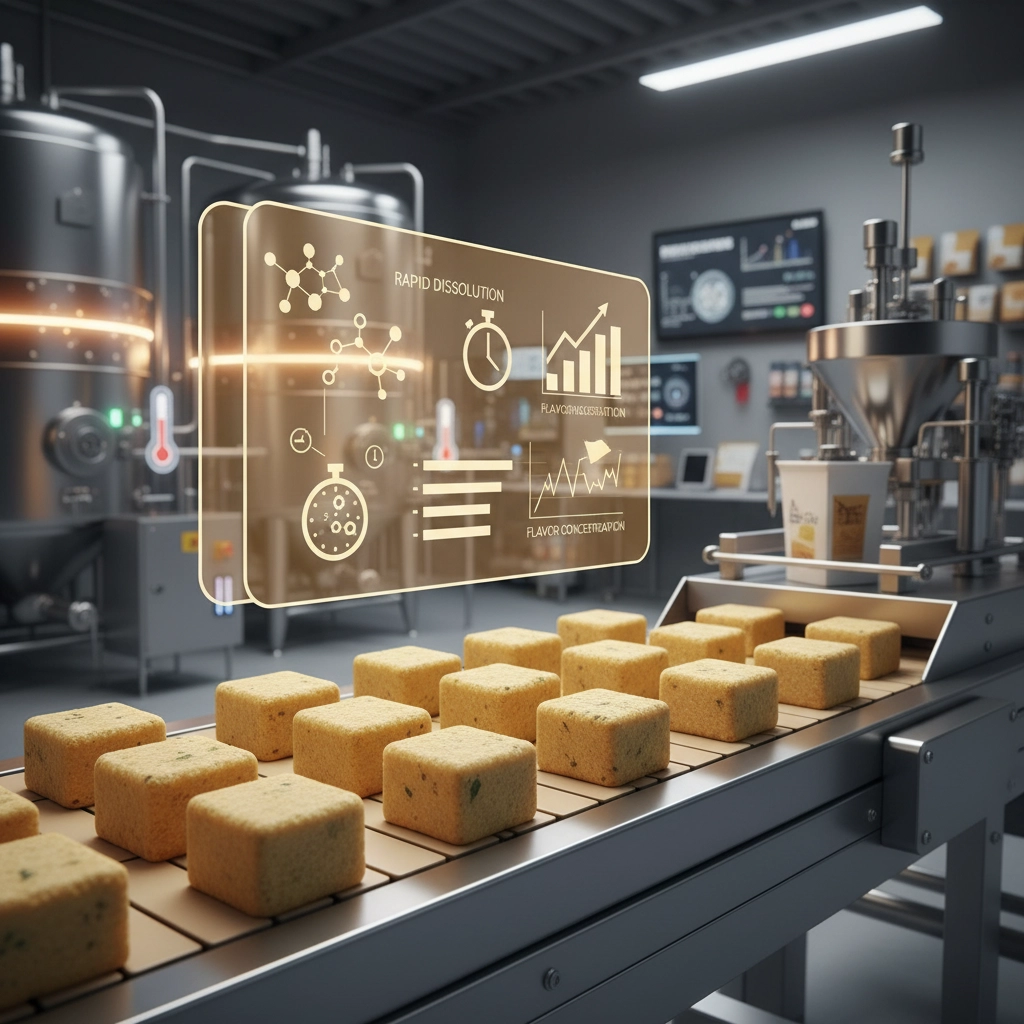
In technical terms, cubes of chicken broth are dehydrated, compressed blocks composed of salt, flavor enhancers (such as MSG or yeast extract), fats, and chicken-derived powders or synthetic flavorings. They are designed to dissolve rapidly in boiling water, reconstituting a savory liquid that serves as a foundation for soups, stews, and sauces.
From an industrial perspective, these cubes are more than just a kitchen shortcut; they are an exercise in logistics and shelf-life extension. By removing water—the primary catalyst for microbial growth—manufacturers create a product that can be transported globally with minimal refrigeration, making them an essential tool for food distributors and humanitarian aid organizations.
Furthermore, the "cube" format is a strategic choice for portion control and dosage accuracy. In commercial food production, utilizing pre-measured cubes of chicken broth ensures consistency across thousands of batches, eliminating the variance associated with manual liquid measuring and reducing overall waste in the kitchen.
Core Components of High-Quality Cubes
The foundation of premium cubes of chicken broth lies in the balance of salt and flavor enhancers. Salt acts not only as a seasoning but as a crucial preservative and binding agent that maintains the structural integrity of the cube during shipping and handling.
Umami is the driving force behind the appeal of these products. By incorporating hydrolyzed vegetable proteins (HVP) or yeast extracts, manufacturers can replicate the deep, savory notes of a traditional chicken stock, ensuring that the cubes of chicken broth provide a full-bodied mouthfeel.
Finally, the inclusion of stabilized fats and aromatic herbs (like parsley or celery) adds the necessary complexity. The challenge for food scientists is to ensure these volatile aromatic compounds do not degrade over time, preserving the "fresh-cooked" scent when the cube is first dissolved.
Key Factors in Production Efficiency
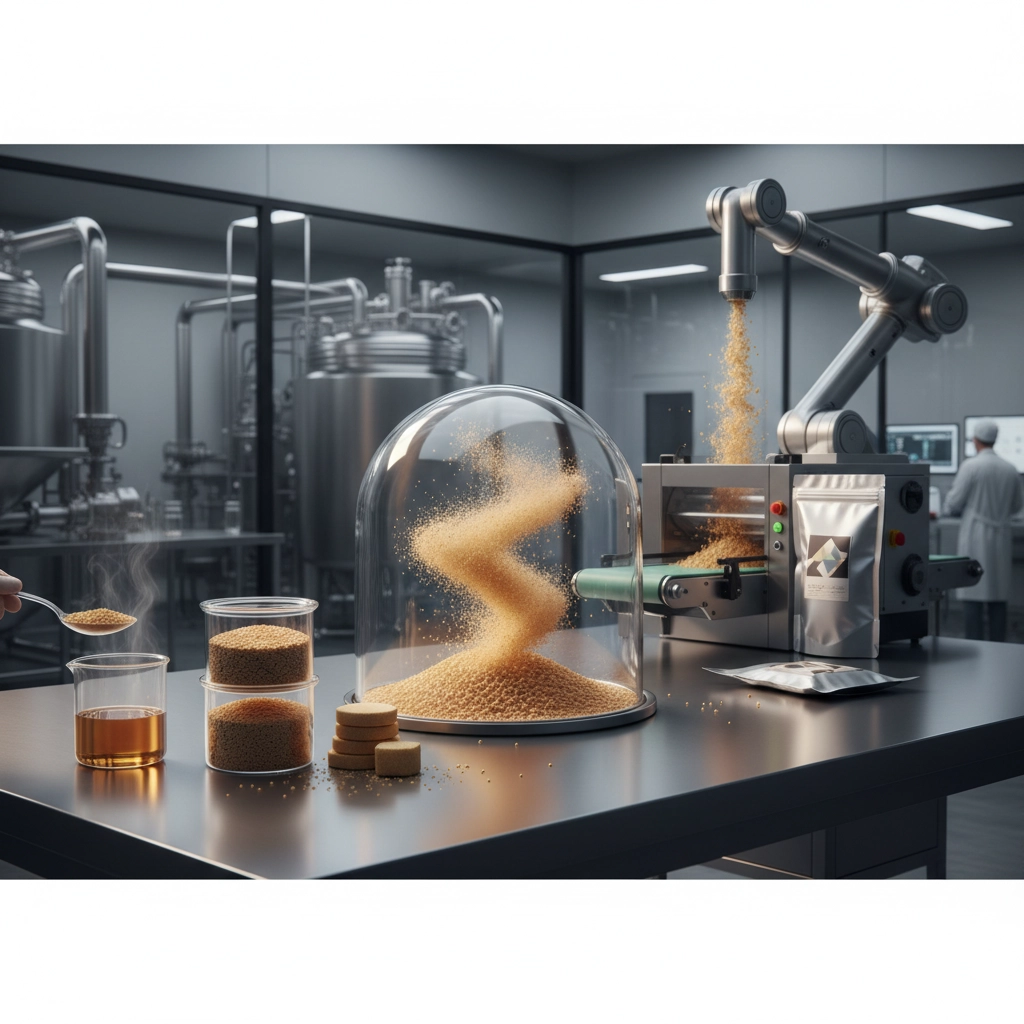
Maximizing the output of cubes of chicken broth requires a seamless integration of spray-drying and high-pressure compression. The granularity of the powder mixture must be perfectly calibrated; if the particles are too coarse, the cube will crumble, but if they are too fine, the product may clump in humid environments.
Cost efficiency is achieved through the optimization of the "binding" phase, where controlled amounts of moisture or fats are introduced to allow the powder to hold its shape under pressure. This precision reduces the rate of product breakage, thereby lowering the percentage of waste and improving the overall yield of the manufacturing line.
Comparison of Production Methods for Cubes of Chicken Broth
Global Applications and Use Cases
In the realm of humanitarian aid, cubes of chicken broth serve as an invaluable tool for improving the palatability of basic rations. In post-disaster relief operations, where fresh ingredients are unavailable and cooking facilities are limited, these cubes provide essential salts and flavor, making bland grains or legumes more appealing and nutritious for displaced populations.
Beyond emergency relief, the commercial food service industry—ranging from remote industrial camps in mining zones to fast-food franchises—relies on these concentrates to maintain taste uniformity. By using standardized cubes of chicken broth, chefs can guarantee that a soup served in a remote outpost tastes identical to one served in a city center, ensuring brand reliability and customer satisfaction.
Advantages and Long-Term Value
The primary advantage of cubes of chicken broth is the drastic reduction in food waste. Traditional broth preparation involves simmering large quantities of meat and vegetables, much of which is discarded. In contrast, the concentrated cube format maximizes the utilization of raw materials, offering a sustainable alternative that reduces the carbon footprint associated with transporting heavy liquid stocks.
From an economic standpoint, the long-term value lies in cost predictability. For small-scale catering businesses, the low cost per serving of cubes of chicken broth allows for precise budgeting and prevents the financial loss associated with the spoilage of fresh stocks. This reliability fosters business growth and operational stability.
Moreover, there is a psychological value in the "trust" associated with established brands of bouillon. The consistency of taste provides a sense of familiarity and comfort, which is particularly important in institutional settings like hospitals or schools, where dietary regularity is key to patient and student well-being.
Future Trends and Innovations
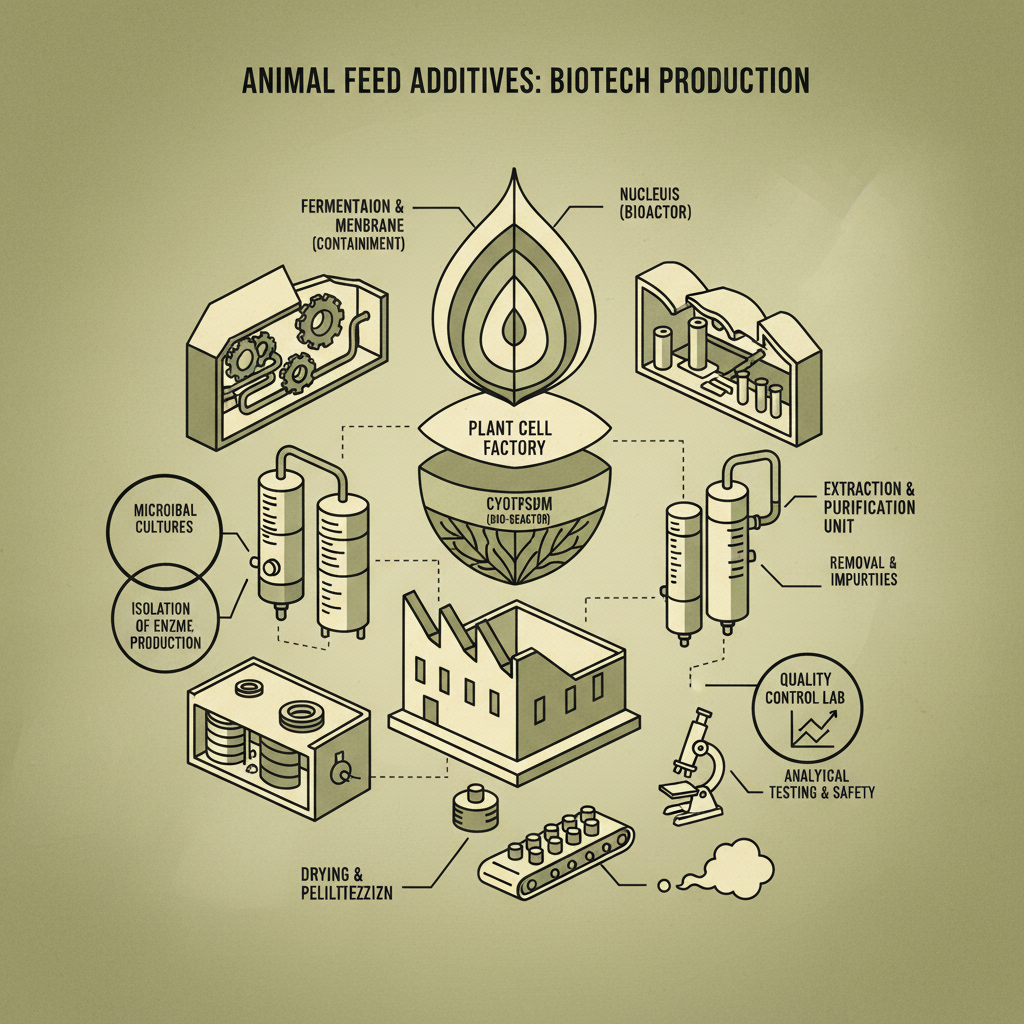
The future of cubes of chicken broth is moving toward "Clean Label" transparency. Consumers are increasingly demanding the removal of synthetic dyes and artificial flavor enhancers. Consequently, we are seeing a shift toward fermentation-derived flavors and natural yeast extracts that provide the same umami punch without the chemical additives.
Digital transformation is also hitting the factory floor. Automation and AI-driven quality control are now being used to monitor the compression density of each cube in real-time, ensuring that every single unit of cubes of chicken broth meets strict weight and solubility specifications, reducing manual inspection and increasing throughput.
Sustainability is the final frontier, with a move toward biodegradable packaging. The traditional plastic-and-foil wraps are being replaced by compostable films, aligning the convenience of the product with the global mandate for environmental stewardship and plastic reduction.
Analysis of Future Innovation Dimensions for Chicken Broth Cubes
| Innovation Driver |
Technical Approach |
Impact on Quality |
Market Readiness |
| Clean Label |
Natural Yeast Extract |
High (Organic taste) |
Immediate |
| Sodium Reduction |
Potassium Chloride Swap |
Moderate (Salty shift) |
High |
| Eco-Packaging |
PLA Bio-films |
Neutral (No taste change) |
Developing |
| Automation |
AI-Vision Inspection |
High (Consistency) |
High |
| Plant-Based Shift |
Mushroom-based Umami |
High (Vegan appeal) |
High |
| Nutritional Fortification |
Added Micronutrients |
Moderate (Health boost) |
Medium |
FAQS
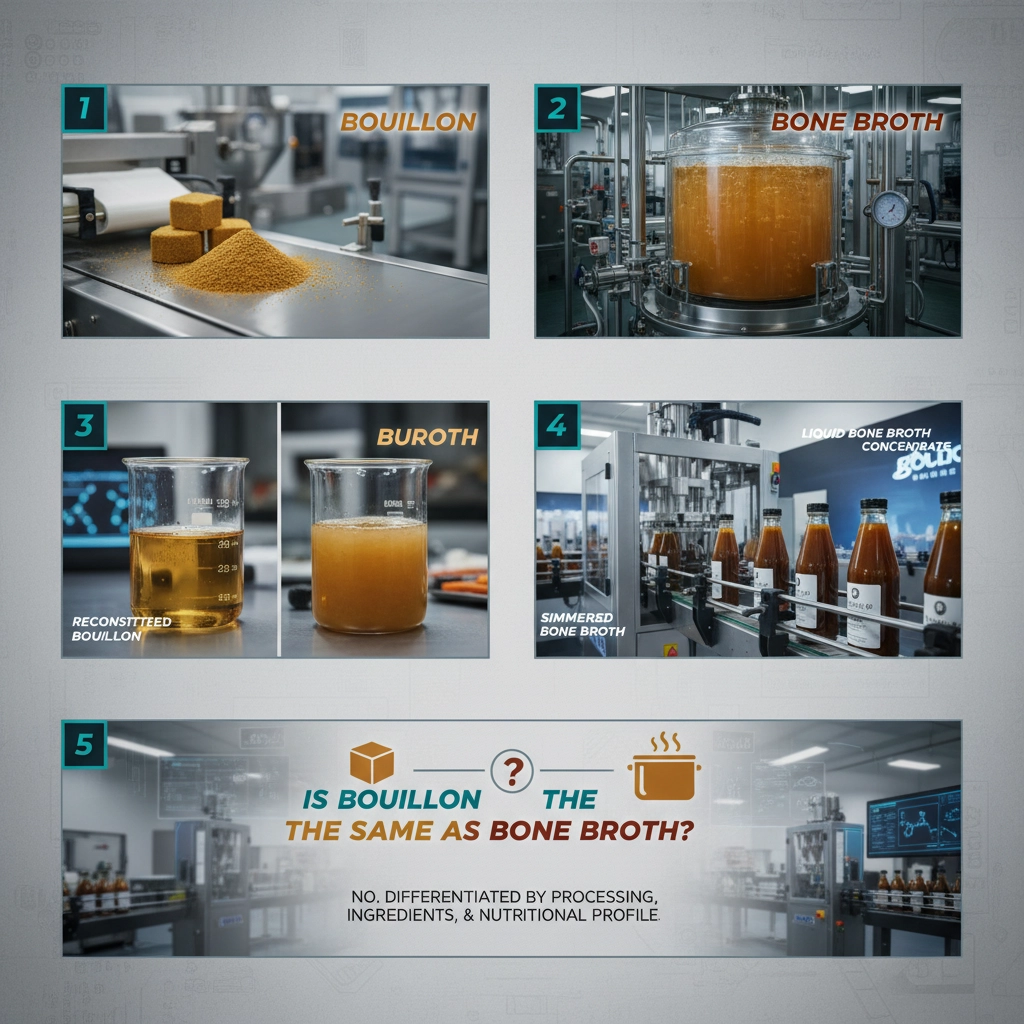
cubes of chicken broth are designed for long-term stability and consistent flavor profiles through dehydration and the use of flavor enhancers. Homemade broth contains higher water content and fresh organic matter, meaning it has a very short shelf life and varies in taste depending on the ingredients used. The industrial version is optimized for logistics and precision.
Due to the low moisture activity (Aw) and high salt concentration, most high-quality cubes of chicken broth can be stored for 12 to 24 months if kept in a cool, dry place. Proper airtight packaging is essential to prevent the fats from oxidizing and the cube from absorbing atmospheric moisture.
Yes, they are ideal for commercial use. They provide a standardized flavor base that eliminates the variance associated with fresh ingredients. Using cubes of chicken broth allows industrial kitchens to maintain strict cost controls and ensure that every dish meets the same quality standard across different locations.
Traditional cubes of chicken broth contain animal derivatives. However, many manufacturers now offer "chicken-style" vegan alternatives that use mushroom extracts, soy proteins, and yeast to mimic the savory taste of chicken without using any animal products.
The solubility is managed through the control of particle size and the specific pressure used during the compaction phase. By optimizing the ratio of binders to dry powders, engineers ensure that the cubes of chicken broth break down rapidly when exposed to hot water without leaving gritty residues.
Since these products are dehydrated and stable, they are easy to ship in bulk. NGOs should ensure the cubes of chicken broth comply with the destination country's food safety regulations (such as ISO or FDA) and use moisture-proof bulk packaging to prevent spoilage during long sea transit.
Conclusion
In summary, cubes of chicken broth represent a critical intersection of food chemistry and global logistics. From their ability to provide consistent flavor in professional kitchens to their role in enhancing nutritional rations in humanitarian crises, these concentrated blocks offer a level of efficiency and reliability that fresh stocks simply cannot match. We have explored their core components, the technical nuances of their production, and the evolving market trends that are pushing the industry toward more sustainable and natural formulations.
Looking forward, the continued innovation in "clean label" ingredients and eco-friendly packaging will only solidify the place of these products in the modern diet. For manufacturers and distributors, the opportunity lies in balancing the traditional demand for intense savory flavor with the contemporary need for health and transparency. As the world seeks more resilient food systems, the role of high-quality, stable flavor enhancers will remain indispensable. Visit our website for more professional insights: www.chinaseasoning.com