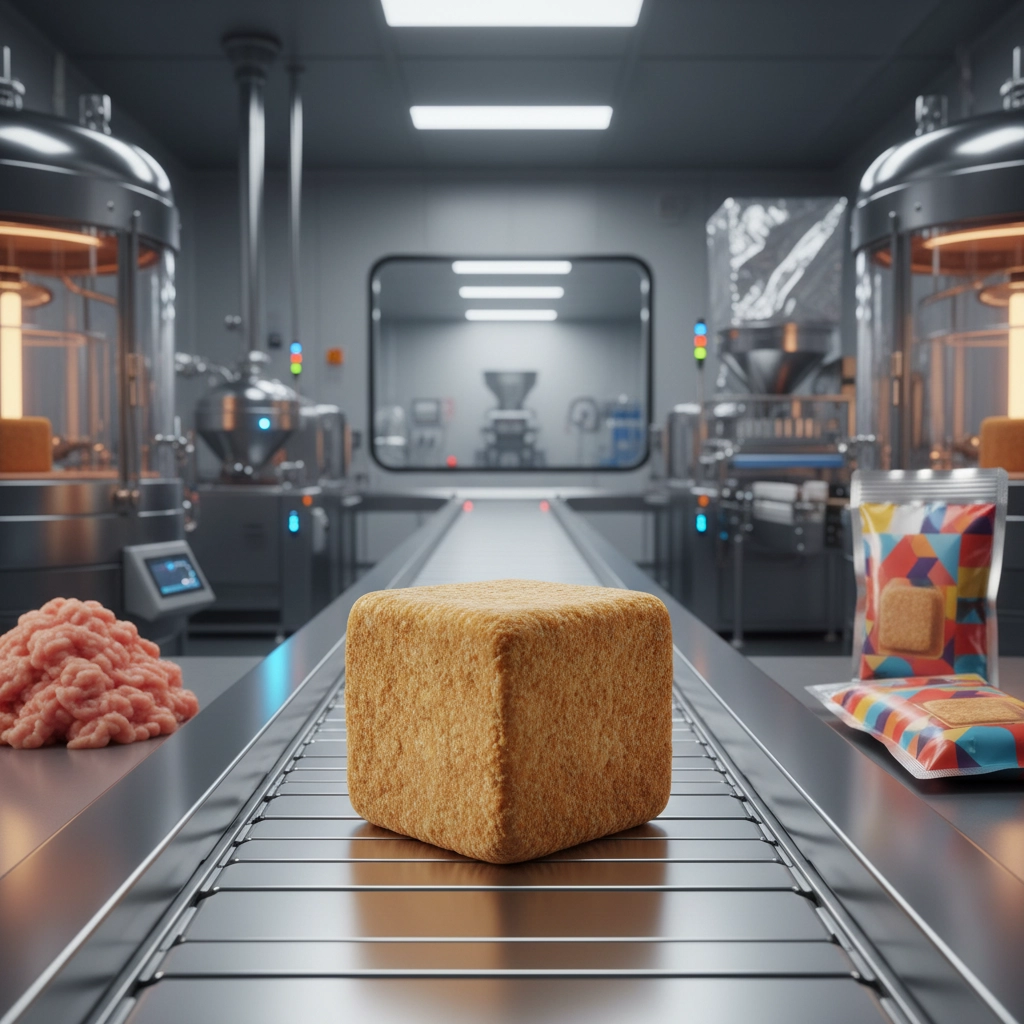
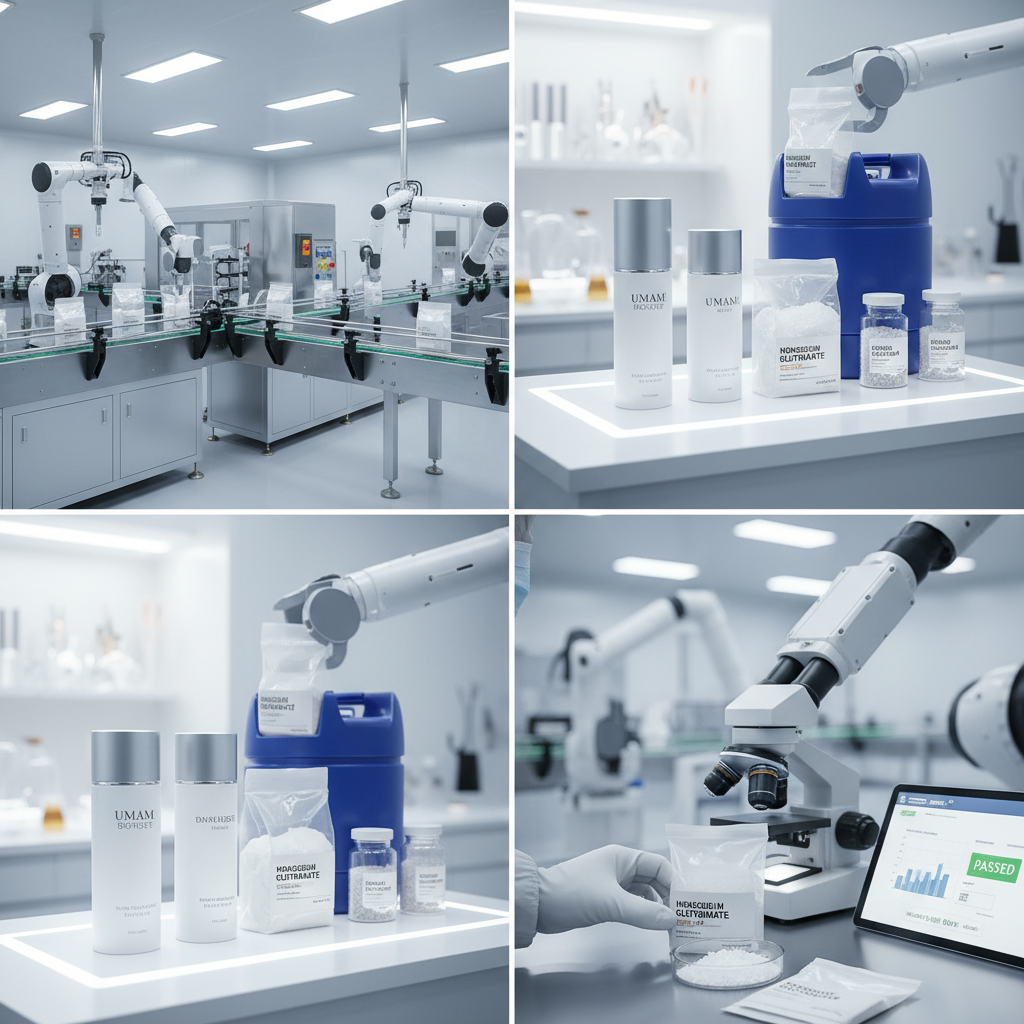
The global culinary landscape has been revolutionized by the convenience of concentrated flavor enhancers, with the cube of chicken standing as a cornerstone of modern kitchen efficiency. By condensing rich poultry essences and essential seasonings into a portable, shelf-stable format, these bouillon cubes allow chefs and home cooks alike to achieve consistent savory depth without the time-consuming process of simmering whole carcasses.
From an industrial perspective, the production of a high-quality cube of chicken requires a sophisticated blend of food additives and precision engineering to ensure stability, solubility, and flavor retention. As the global demand for "ready-to-cook" solutions grows, understanding the chemical synergy between salt, fats, and hydrolyzed proteins becomes essential for manufacturers aiming to meet strict international food safety standards.
Beyond simple convenience, the widespread adoption of the cube of chicken reflects a broader trend toward food security and standardization. By providing a reliable source of concentrated seasoning that resists spoilage in diverse climates, this product has become indispensable in both urban households and remote industrial catering zones, bridging the gap between gourmet taste and practical scalability.
Global Market Dynamics of Chicken Bouillon
The global demand for the cube of chicken has seen a steady increase, driven by the urbanization of Southeast Asia and Africa. According to market trends aligned with ISO food safety standards, the shift toward processed seasonings is a response to the need for rapid meal preparation in fast-paced economic environments. This growth is further supported by the logistics of food distribution, where dehydrated cubes offer a significant advantage over liquid stocks in terms of weight and shelf-life.
However, the industry faces the challenge of balancing cost-efficiency with the growing consumer demand for "clean label" products. Manufacturers are now forced to innovate, reducing artificial MSG levels while maintaining the intense umami profile that defines a premium cube of chicken. This tension between industrial scalability and nutritional transparency is shaping the next generation of food additives in the seasoning sector.
The Technical Composition of a Cube of Chicken
At its core, a high-performance cube of chicken is a marvel of food chemistry, combining hydrophobic fats with hydrophilic salts and flavor enhancers. The primary goal is to create a stable matrix that prevents the oxidation of fats while ensuring that the product dissolves rapidly when introduced to boiling water. This requires a precise ratio of sodium chloride and maltodextrin to act as carriers for the chicken extract.
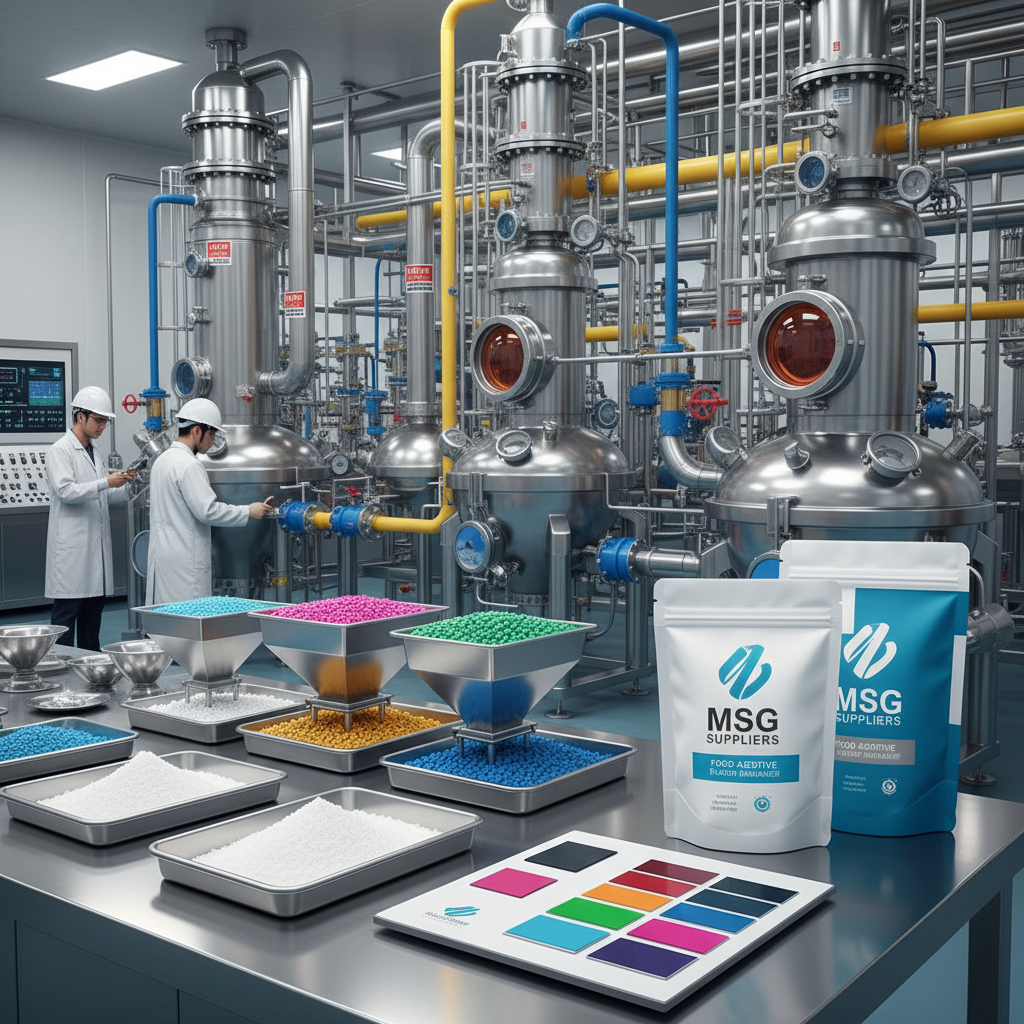
The role of food additives in this process cannot be overstated. Stabilizers and anti-caking agents are integrated to ensure the cube maintains its structural integrity during transport and storage, regardless of humidity levels. Without these additives, the cube of chicken would clump or degrade, losing its commercial viability and consistency in flavor delivery.
Furthermore, the integration of yeast extracts and hydrolyzed vegetable proteins (HVP) helps in mimicking the natural depth of a long-simmered broth. By strategically layering these components, manufacturers can produce a product that provides a full-bodied taste experience, ensuring that the savory notes remain stable throughout the product's lifecycle.
Manufacturing Standards and Quality Control
To maintain the integrity of a cube of chicken, manufacturers must adhere to rigorous HACCP (Hazard Analysis and Critical Control Points) protocols. This ensures that from the sourcing of raw poultry extracts to the final compression of the cube, every step is free from contaminants.
The compression process is critical; if the pressure is too high, the cube of chicken will not dissolve efficiently in water, leaving gritty residues. Conversely, if the pressure is too low, the cube will crumble during packaging, leading to significant product loss and reduced shelf appeal.
Quality control also involves sensory analysis and chromatographic testing to ensure that the flavor profile remains consistent across different batches. This scientific approach allows brands to guarantee that every single cube of chicken delivers the exact same salty, savory punch, regardless of where in the world it is consumed.
Performance Metrics of Different Formulations
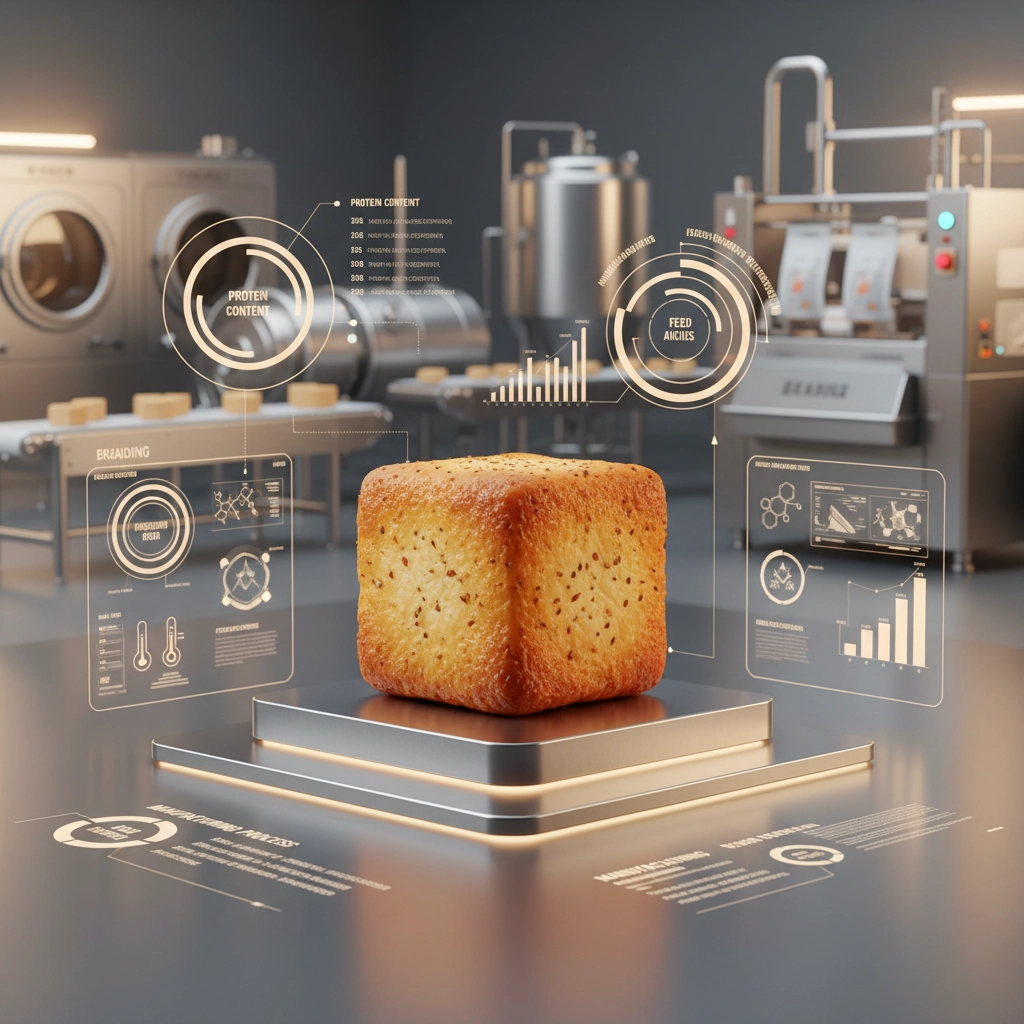
Comparing different production methods reveals a significant variance in solubility and flavor release. Traditional salt-based formulations offer excellent stability but may lack the complex aromatic notes found in more modern, lipid-enriched versions. The industrial goal is to optimize the "dissolution curve," ensuring the cube of chicken melts completely within 60 seconds at 90°C.
Moreover, the cost-to-quality ratio varies depending on the concentration of natural chicken extract versus synthetic flavorings. Premium lines utilize a higher percentage of real poultry solids, which enhances the nutritional profile and depth of taste, whereas budget-friendly versions rely more heavily on flavor-enhancing additives.
Comparative Efficiency of Chicken Bouillon Formulations
Global Industrial Applications and Use Cases
The application of the cube of chicken extends far beyond the home kitchen. In large-scale industrial catering—such as in mining camps or remote military installations—these cubes provide a critical means of maintaining palatable nutrition for workers. Their compact nature reduces shipping costs and eliminates the need for refrigerated storage of fresh stocks.
In the humanitarian sector, particularly during post-disaster relief operations, bouillon cubes are often included in food aid packages. Their ability to transform plain grains or legumes into a savory, calorie-dense meal makes the cube of chicken a vital tool for improving the dignity and appetite of populations in crisis, where fresh ingredients are unavailable.
Sustainability and Nutritional Evolution
As global health consciousness rises, the cube of chicken is undergoing a nutritional transformation. The industry is moving toward the reduction of sodium levels, replacing some of the salt with potassium-based alternatives or naturally occurring mineral salts to cater to hypertensive populations without sacrificing the characteristic savory profile.
Sustainability is also playing a major role in sourcing. Manufacturers are increasingly utilizing "upcycled" poultry proteins—extracts derived from byproduct streams that would otherwise go to waste—to create a more circular production model. This not only lowers the environmental footprint but also reduces the overall cost of the raw materials.
Moreover, the shift toward biodegradable packaging is addressing the environmental impact of the individual foil wraps used for each cube of chicken. By adopting compostable films, the industry is aligning itself with global plastic reduction goals, ensuring that convenience does not come at the cost of the planet.
Future Innovations in Concentrated Seasoning
The future of the cube of chicken lies in the integration of biotechnology and precision fermentation. By using engineered yeast to produce specific "chicken-like" flavor molecules, manufacturers can create vegan or plant-based alternatives that are indistinguishable from traditional poultry bouillon, expanding the market to flexitarians and vegetarians.
Digital transformation is also entering the factory floor. AI-driven blending systems can now adjust the composition of a cube of chicken in real-time based on the moisture content of the raw ingredients, ensuring an unprecedented level of batch-to-batch consistency.
Finally, we are seeing the rise of "functional bouillon," where vitamins and essential minerals are fortified into the cube. This turns a simple seasoning into a nutritional supplement, particularly useful in regions where micronutrient deficiencies are common, making the cube of chicken a vehicle for public health improvement.
Analysis of Future Trends in Chicken Bouillon Production
| Innovation Trend |
Impact on Taste |
Market Segment |
Sustainability Score (1-10) |
| Precision Fermentation |
High (Umami-Rich) |
Plant-Based/Vegan |
10 |
| Low-Sodium Matrix |
Moderate (Clean) |
Health-Conscious |
8 |
| Upcycled Proteins |
High (Authentic) |
Budget/Eco-Friendly |
9 |
| Fortified Micronutrients |
Neutral |
Humanitarian Aid |
7 |
| Biodegradable Wrap |
No Change |
All Consumers |
10 |
| AI-Optimized Blending |
Very Consistent |
Industrial B2B |
6 |
FAQS
High-quality versions typically contain a higher percentage of real chicken extract and a more complex blend of natural herbs, whereas budget options rely more heavily on salt and artificial flavor enhancers like MSG. Premium cubes also generally exhibit better solubility and a more rounded, less "metallic" savory taste.
For optimal dissolution, ensure the water has reached a rolling boil (approx 100°C). Stirring continuously as the cube is added helps break down the compressed matrix more quickly. If using a large industrial vat, it is recommended to dissolve the cube in a small amount of hot water first to create a concentrate before adding it to the main pot.
Yes, modern food technology allows for the creation of "chicken-style" bouillon using yeast extracts, mushroom powders, and hydrolyzed vegetable proteins. These provide the same savory umami profile as a traditional cube of chicken but are entirely plant-based and suitable for vegan diets.
Due to their low water activity and high salt content, most cubes have a shelf life of 18 to 24 months. To maintain quality, they should be stored in a cool, dry place away from direct sunlight, which prevents the fats from oxidizing and the powder from clumping.
Absolutely. Because they are dehydrated and stable at room temperature, they are ideal for export. However, importers must ensure the ingredients comply with the destination country's food additive regulations, particularly regarding the use of specific preservatives or MSG levels.
Caking is prevented through the use of food-grade anti-caking agents like silicon dioxide or by optimizing the lipid coating around the particles. This ensures that the cube of chicken remains a distinct, solid unit that doesn't fuse together under pressure or humidity.
Conclusion
The cube of chicken represents a perfect intersection of food science, industrial efficiency, and global culinary accessibility. From its complex chemical composition to its critical role in humanitarian aid and large-scale catering, it has evolved from a simple convenience product into a sophisticated tool for flavor standardization. By balancing the needs for "clean label" ingredients with the requirements of shelf-stability and cost, the industry continues to refine the art of concentrated seasoning.
Looking forward, the integration of plant-based proteins and sustainable packaging will ensure that this product remains relevant in an eco-conscious market. For manufacturers and distributors, the key to long-term success lies in investing in precision fermentation and AI-driven quality control to meet the diverse dietary needs of a global population. We invite you to explore our professional seasoning solutions and experience the peak of industrial flavor engineering. Visit our website: www.chinaseasoning.com