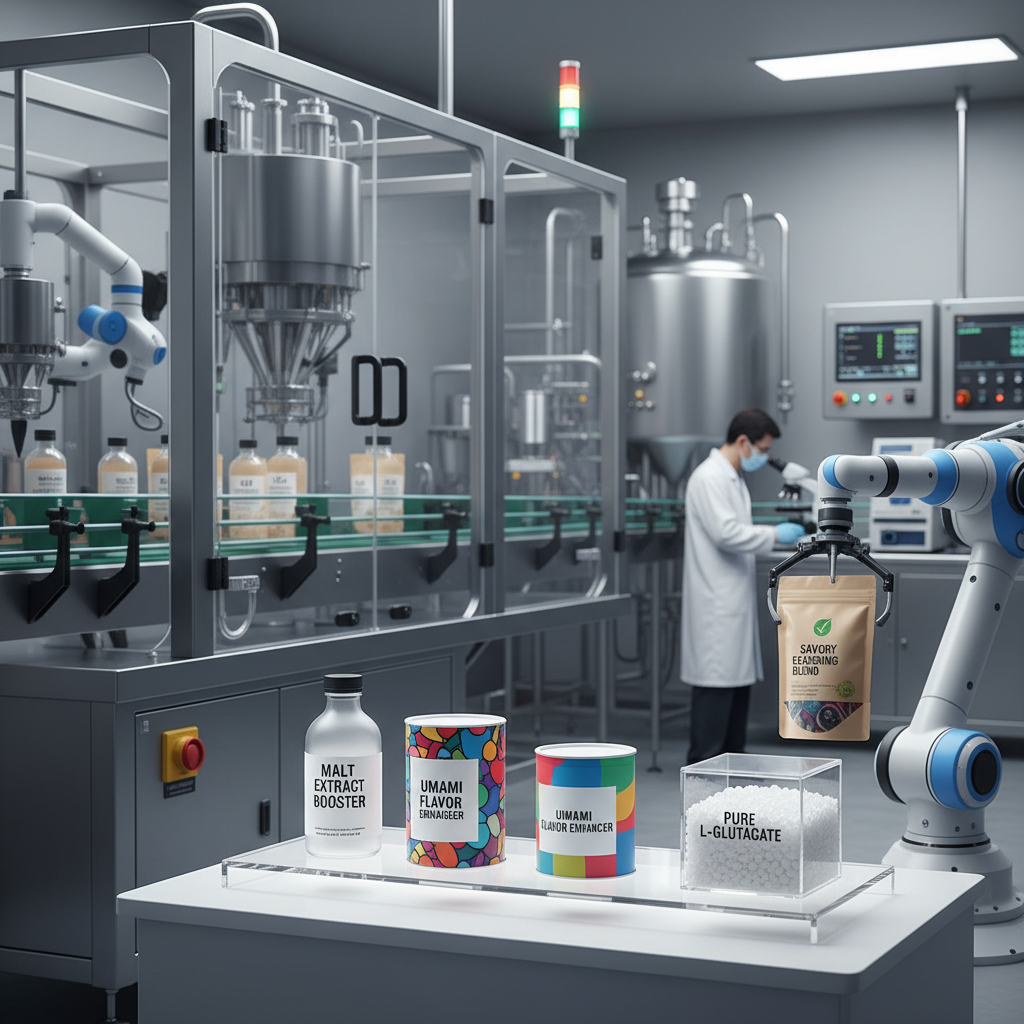
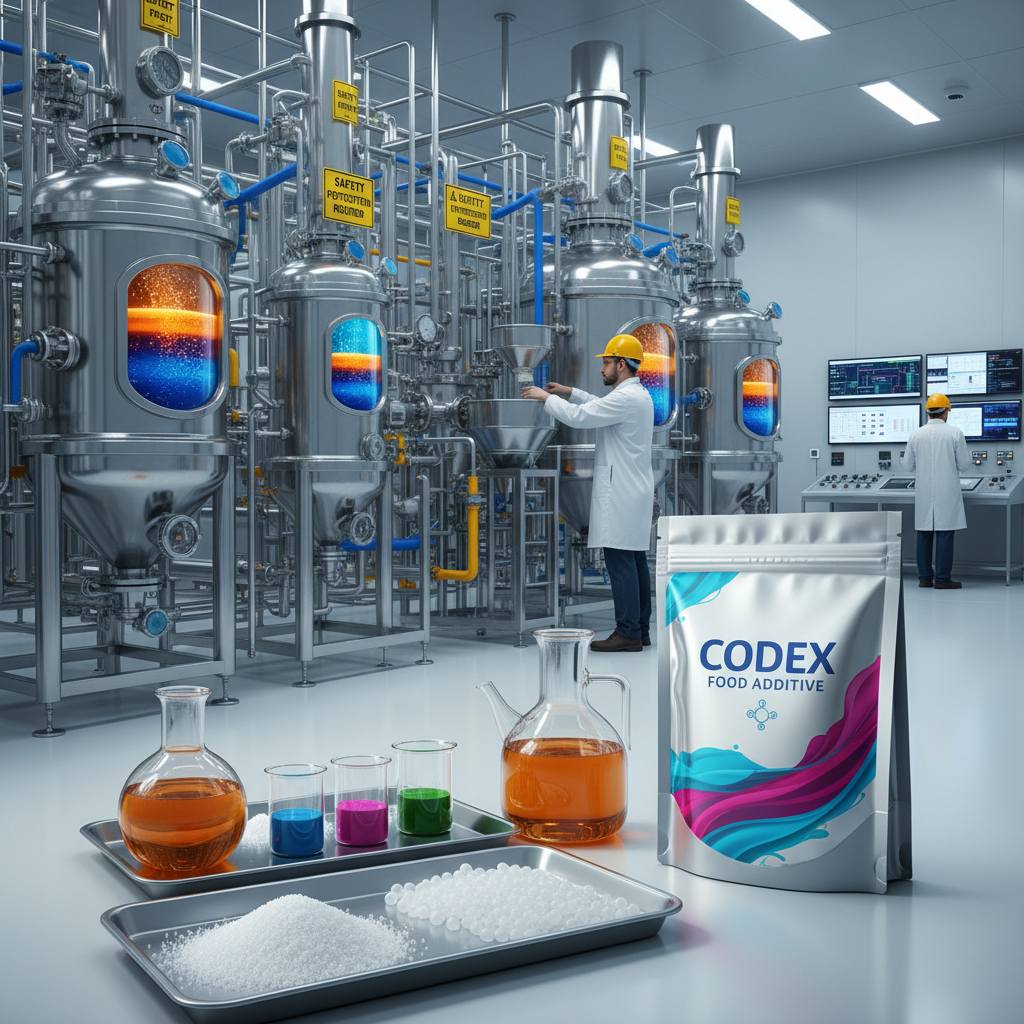
In the competitive landscape of the global food additive industry, asian chicken powder has emerged as a pivotal ingredient for manufacturers seeking to replicate the complex, savory profiles of traditional Eastern cuisine. This concentrated seasoning blend is more than just a flavor enhancer; it is a precision-engineered tool that allows food processors to achieve consistent "umami" across large-scale production lines while maintaining cost-efficiency.
The global demand for convenient, ready-to-use seasonings has surged as urbanization and the fast-paced nature of modern life drive consumers toward instant meals and processed snacks. For the food manufacturing sector, the challenge lies in balancing the authentic taste of slow-cooked chicken broth with the stability and shelf-life requirements of industrial distribution. This is where high-quality asian chicken powder provides a strategic advantage, offering a standardized solution for flavor consistency.
Understanding the technical composition and application of these powders is essential for brands aiming to penetrate the Asian market or appeal to the growing global appetite for Oriental flavors. By integrating advanced spray-drying technologies and carefully curated ingredient lists, manufacturers can ensure that their end products deliver a sensory experience that resonates with authenticity and quality, ultimately driving consumer loyalty in a crowded marketplace.
The Global Market Relevance of Asian Chicken Powder
The global seasoning market has witnessed a significant shift toward specialized powders, with asian chicken powder leading the trend in the savory category. According to industry data, the rise of the "convenience economy" has pushed the CAGR of food additives higher, as food service chains and FMCG companies seek ways to reduce kitchen prep time without sacrificing the taste profiles that define regional cuisines.
From a logistical perspective, the transition from liquid stocks to powdered concentrates has revolutionized supply chain management. By reducing weight and eliminating the need for refrigeration during transport, manufacturers can distribute these flavor profiles across continents, ensuring that a noodle soup in New York tastes identical to one in Bangkok. This scalability is the cornerstone of modern food franchising and global brand expansion.
Defining the Technical Composition of Asian Chicken Powder
At its core, asian chicken powder is a complex mixture of dehydrated chicken extracts, salt, flavor enhancers (such as MSG or yeast extracts), and a blend of aromatic spices. Unlike simple bouillon cubes, industrial-grade powders are engineered for rapid solubility and high homogeneity, ensuring that every gram of product provides the same intensity of flavor when dissolved in water or integrated into a dough.
The "Asian" profile is specifically achieved through the inclusion of regional aromatics—often including hints of ginger, garlic, and white pepper—which distinguish it from Western chicken bases. This synergy of ingredients creates the characteristic "savory-sweet" balance that is essential for dishes like congee, ramen, and stir-fries, making it an indispensable tool for culinary consistency in high-volume environments.
Beyond flavor, the composition focuses on functional stability. Anti-caking agents are meticulously balanced to prevent clumping in humid environments, which is a common challenge in tropical Asian climates. This technical precision ensures that the product remains free-flowing from the factory warehouse to the final cooking pot, maintaining operational efficiency for the end-user.
Core Components Driving Flavor and Stability
The potency of asian chicken powder relies heavily on the quality of the protein hydrolysates used. By breaking down chicken proteins into smaller peptides and amino acids, manufacturers can intensify the natural umami taste, reducing the reliance on artificial enhancers while increasing the perceived "meatiness" of the final dish.
Scalability and cost-efficiency are further enhanced through the use of maltodextrin and other carriers. These components ensure that the asian chicken powder remains stable during storage and prevents the active flavor molecules from oxidizing, which would otherwise lead to a "stale" or off-flavor profile over time.
Finally, the salt profile is optimized not just for taste, but for preservation. By utilizing a precise sodium-to-potassium ratio, producers can maintain the shelf-life of the powder while catering to modern health trends that demand lower sodium levels without sacrificing the bold flavor characteristics expected of authentic Asian seasonings.
Industrial Performance Metrics and Efficiency
In an industrial setting, the value of asian chicken powder is measured by its "dissolution rate" and "flavor yield." A high-performance powder must dissolve instantly in varying temperatures, whether it is being mixed into a boiling vat of soup or blended into a cold sauce base. This prevents the formation of "flavor pockets," ensuring a uniform taste across every single serving.
Furthermore, the cost-to-flavor ratio is a critical KPI for food manufacturers. By using a concentrated powder, companies can significantly reduce the volume of raw materials transported and stored, translating to lower overhead costs and a smaller carbon footprint per unit of production.
Comparative Performance of Asian Chicken Powder Formulations
Global Applications Across Food Sectors
The versatility of asian chicken powder extends far beyond simple soup bases. In the snack food industry, it is frequently used as a surface coating for extruded corn chips or potato crisps, providing a savory "umami" punch that triggers repeat purchases. Because it is a dry powder, it adheres well to oily surfaces, ensuring an even distribution of flavor across the product.
In the realm of ready-to-eat (RTE) meals and instant noodles, this powder is the primary flavor driver. By integrating the powder into a sachet, manufacturers can guarantee that the consumer recreates the intended flavor profile exactly, regardless of the water quality or heating method used. This application is particularly vital in remote industrial zones or disaster relief food kits where fresh ingredients are unavailable but nutritional and sensory satisfaction is required.
Long-Term Value in Commercial Food Production
Investing in a high-quality asian chicken powder offers tangible long-term benefits in terms of brand reliability. When a consumer tastes a product, the consistency of the flavor is the primary indicator of quality. By removing the variability associated with fresh chicken stocks—which can vary by season or source—manufacturers build a "trust bridge" with their customers.
Sustainability is another key driver of value. The production of concentrated powders requires significantly less water and energy during the distribution phase compared to liquid alternatives. For companies aiming for Green Certification or ESG goals, transitioning to optimized powdered additives reduces the overall environmental impact of the supply chain.
Moreover, the flexibility of the powder allows for rapid innovation. R&D teams can easily tweak the flavor profile of an existing product line by adjusting the ratio of asian chicken powder and other additives, allowing brands to respond to shifting consumer trends (such as the move toward "clean label" or "spicier" profiles) without overhauling their entire production equipment.
Future Innovations in Seasoning Technology
The future of asian chicken powder is being shaped by the move toward "Clean Label" ingredients. We are seeing a shift away from synthetic MSG toward natural yeast extracts and mushroom-based umami boosters. These innovations allow manufacturers to maintain the intense savory profile while appealing to health-conscious consumers who scrutinize ingredient lists for chemical additives.
Additionally, the integration of micro-encapsulation technology is a game-changer. By encapsulating the volatile flavor molecules of asian chicken powder in a microscopic protective shell, the flavor is only released upon heating or mastication. This prevents flavor degradation during high-temperature processing (like frying) and results in a more explosive taste experience for the end consumer.
Automation and AI-driven flavor profiling are also playing a role. Digital transformation in the lab allows for the precise mapping of "ideal" taste profiles based on big data from consumer preferences, leading to the creation of hyper-targeted asian chicken powder variants tailored to specific demographics or regional tastes.
Comparative Analysis of Asian Chicken Powder Production Methods
| Production Method |
Solubility Score |
Flavor Retention |
Cost Efficiency |
| Traditional Spray Drying |
9/10 |
7/10 |
10/10 |
| Freeze Drying |
8/10 |
10/10 |
4/10 |
| Vacuum Drying |
7/10 |
8/10 |
6/10 |
| Encapsulated Processing |
9/10 |
9/10 |
7/10 |
| Cold-Press Extraction |
6/10 |
9/10 |
5/10 |
| Hybrid Spray-Freeze |
10/10 |
9/10 |
7/10 |
FAQS
Asian chicken powder is specifically formulated with regional aromatics like ginger, garlic, and specific umami enhancers to mirror the taste of Eastern cuisines. While bouillon is often a general-purpose salt-based stock, asian chicken powder focuses on a more complex, savory-sweet profile and is engineered for higher solubility and industrial stability in food manufacturing.
To prevent clumping and flavor oxidation, it is recommended to store the powder in airtight, moisture-proof packaging (such as foil-lined bags) in a cool, dry place. High-quality industrial powders already contain food-grade anti-caking agents, but avoiding direct sunlight and extreme temperature fluctuations is critical to maintaining potency.
Yes, many manufacturers now offer versions that replace MSG with yeast extracts or hydrolyzed vegetable proteins. By using natural fermentation processes to create umami, you can achieve a similar taste profile while listing "natural flavors" on your packaging, which appeals to health-conscious consumers.
Dosage varies by the concentration of the powder, but typically it ranges from 0.5% to 2% of the total liquid volume. We recommend performing a titration test to find the "sweet spot" where the chicken flavor is prominent but does not overpower other ingredients or become overly salty.
Absolutely. It is widely used as a dry rub for meats, a seasoning for popcorn and chips, or integrated into flour mixes for savory crackers. Because it is a fine powder, it blends seamlessly with other dry ingredients, provided it is mixed thoroughly to avoid salt concentration in one area.
Importing requires compliance with the destination country's food safety laws (such as FDA in the US or EFSA in the EU). Ensure your supplier provides a full COA (Certificate of Analysis), MSDS, and health certificates. Using a freight forwarder experienced in food additives is recommended to handle customs clearance and temperature-controlled shipping if required.
Conclusion
In summary, asian chicken powder represents the perfect intersection of traditional culinary art and modern food science. By providing a stable, scalable, and highly potent flavor solution, it enables manufacturers to deliver authentic Asian tastes to a global audience while optimizing production costs and maintaining rigorous quality standards. From its technical composition to its diverse applications in snacks and RTE meals, the value it adds to the supply chain is undeniable.
Looking forward, the industry will likely see a further shift toward sustainable sourcing and "cleaner" ingredient lists, driven by an informed global consumer base. For food brands, the key to success lies in partnering with suppliers who can provide not only the flavor but also the technical support and certification needed to compete on a global stage. Embracing these innovations will ensure that the essence of Asian cuisine continues to thrive in the era of industrial food production. Visit our website: www.chinaseasoning.com