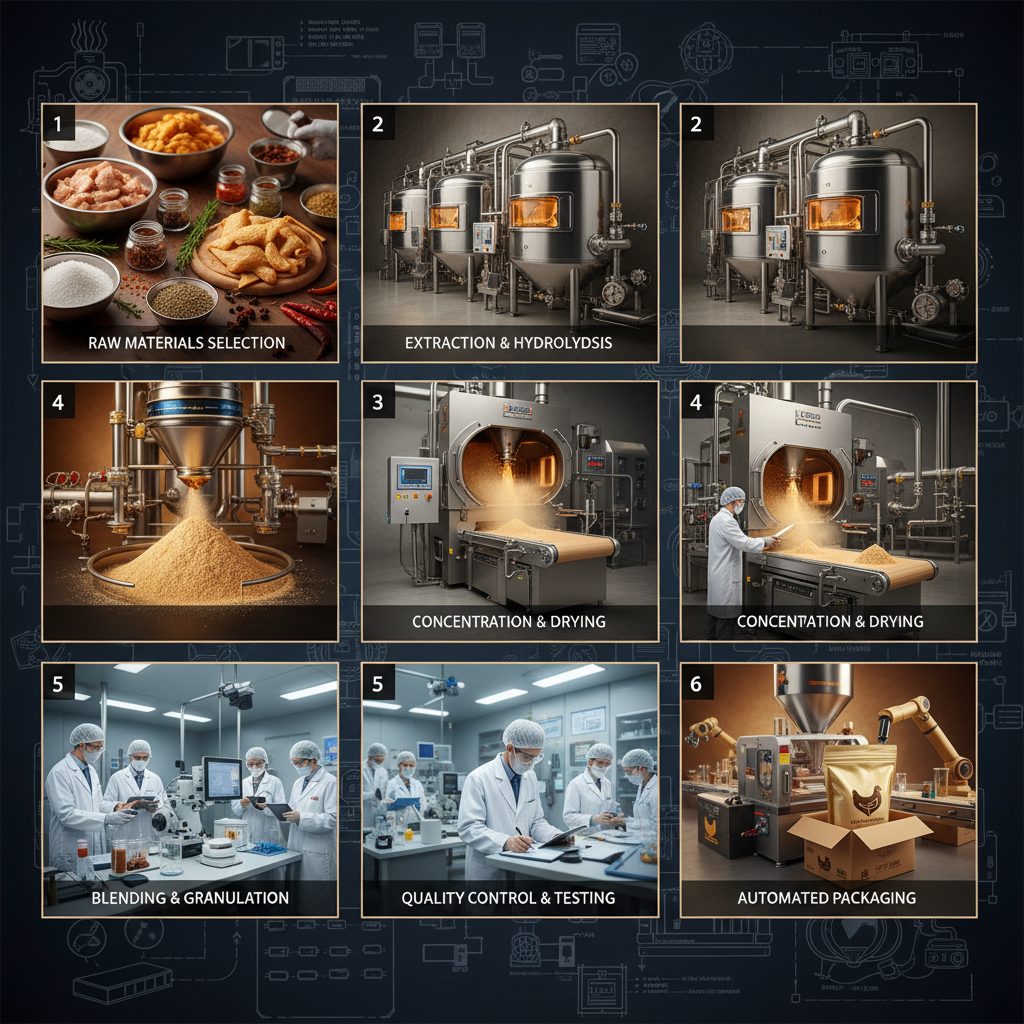
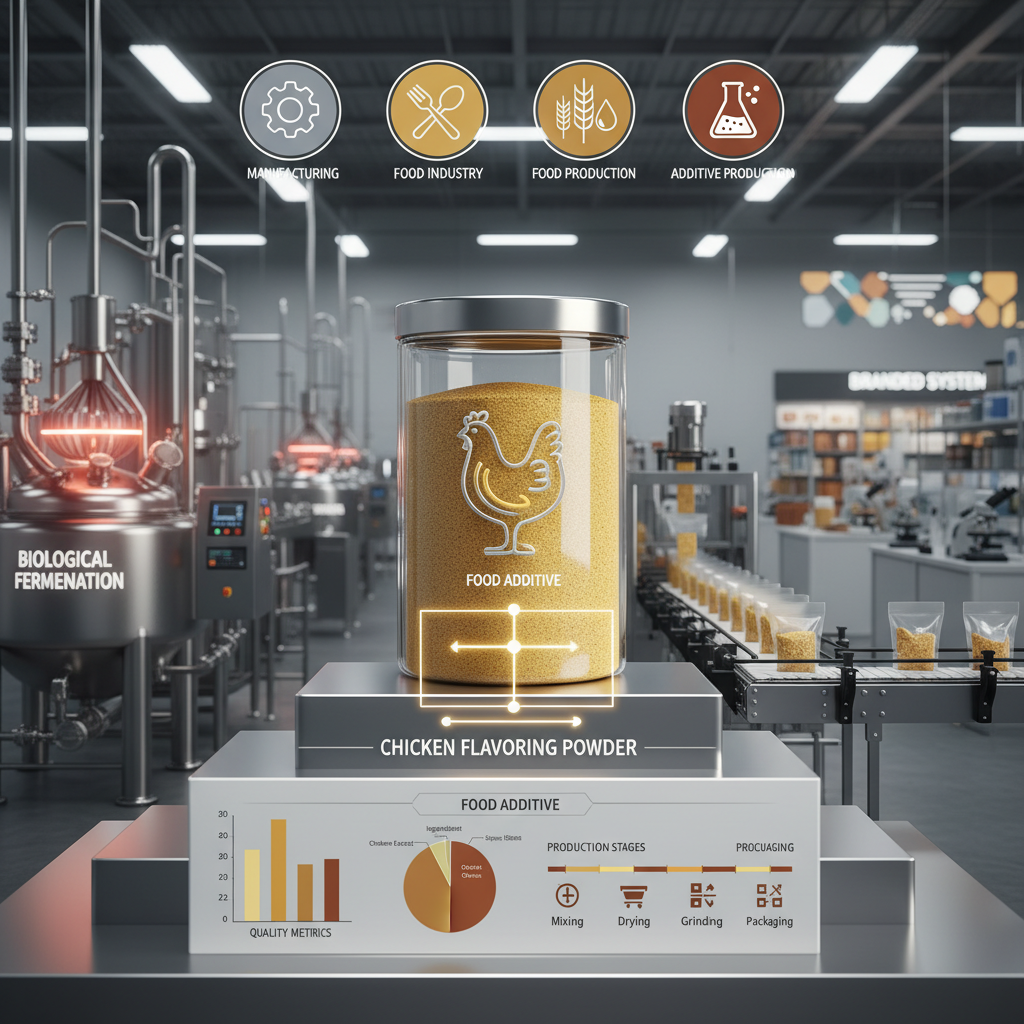
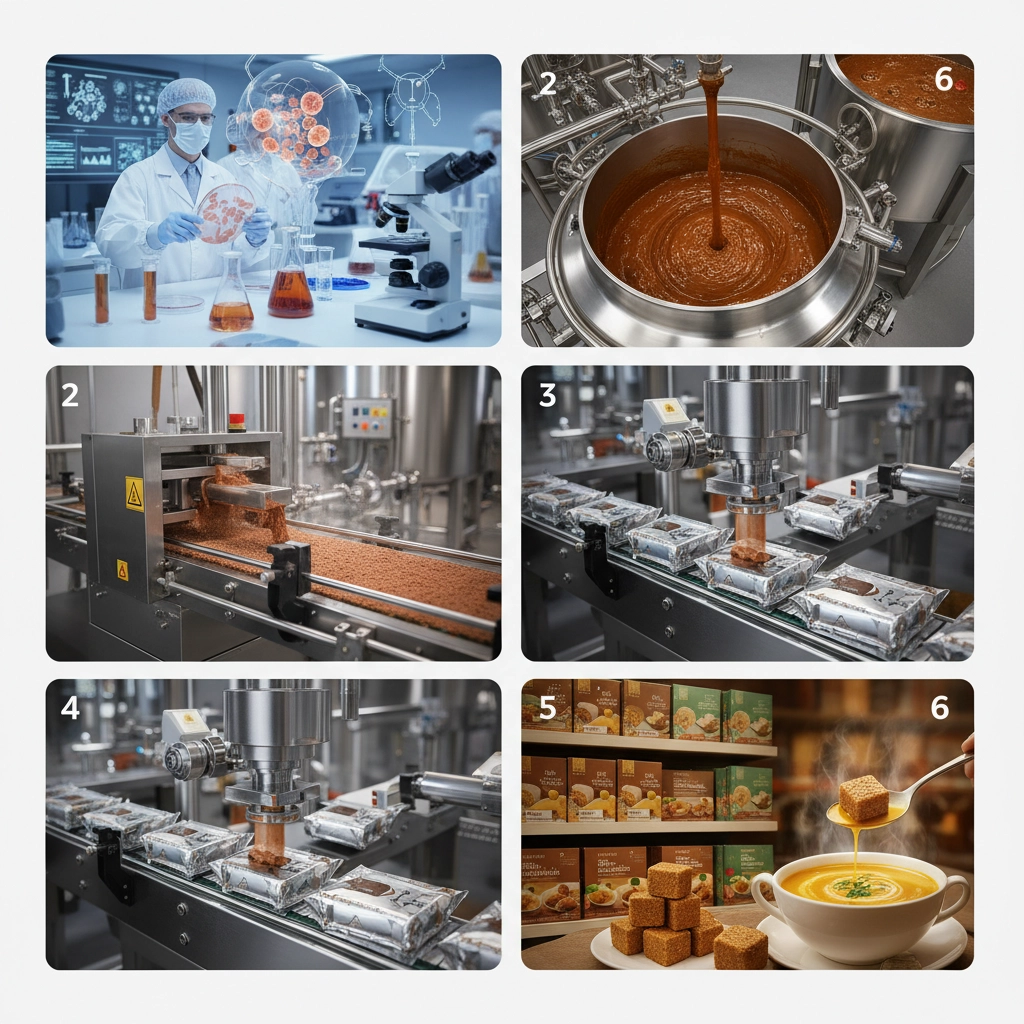
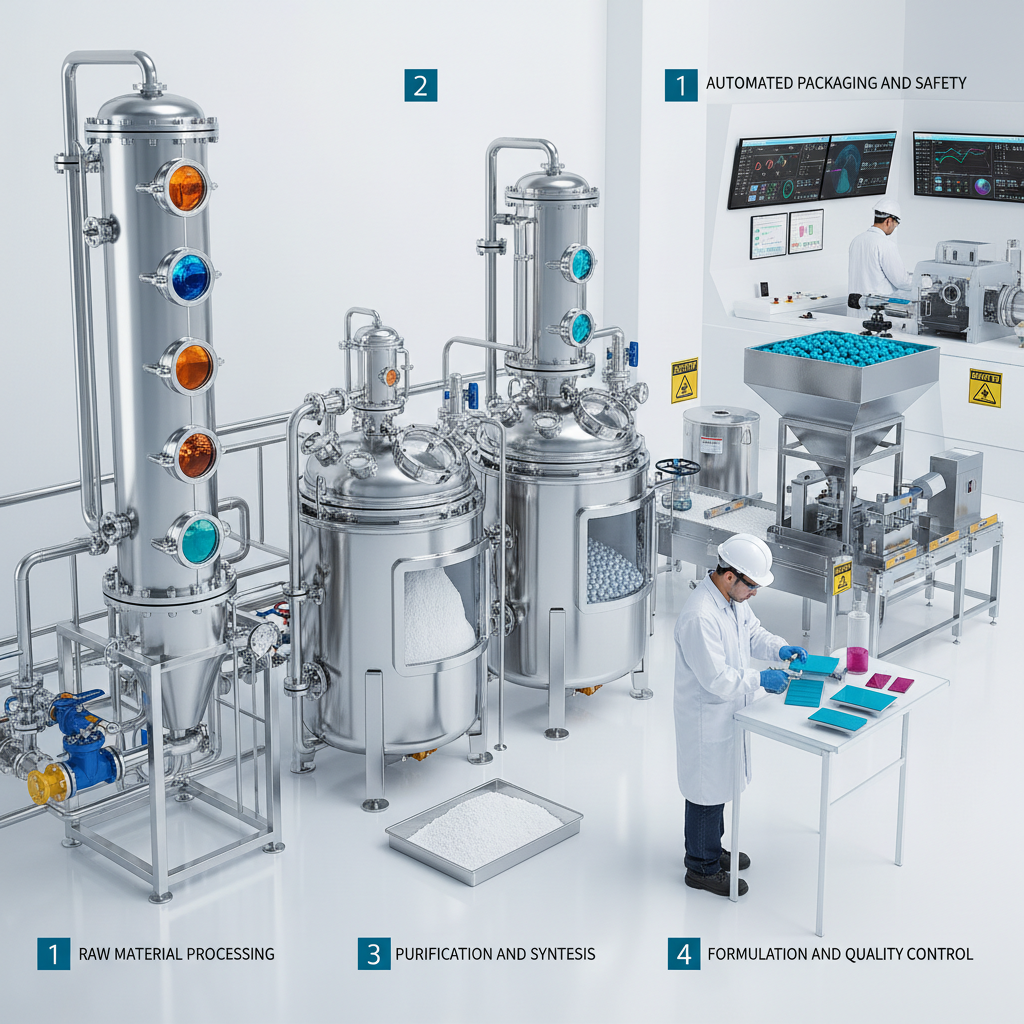
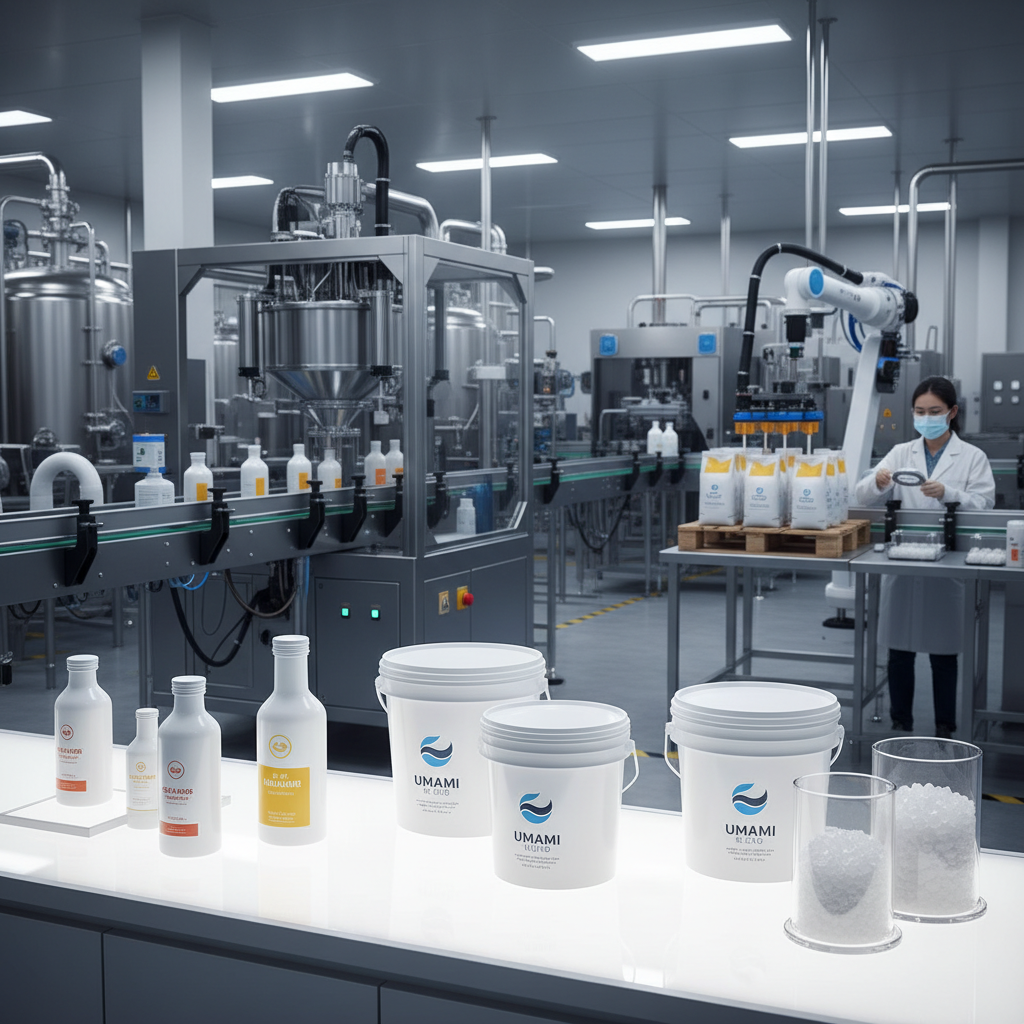
In the competitive landscape of the global food industry, achieving a consistent and authentic savory profile is a primary challenge for manufacturers. The use of chicken flavoring powder has emerged as a pivotal solution, allowing producers to replicate the complex umami notes of slow-cooked poultry without the logistical burdens of processing raw meat in every single batch.
Beyond simple taste enhancement, this specialized additive serves as a cornerstone for product stability and cost-efficiency across diverse categories, from instant noodles to high-protein snacks. By integrating precision-engineered flavor profiles, companies can ensure that their products maintain the same sensory experience regardless of regional ingredient variations or production scales.
Understanding the technical composition and application of high-quality flavoring agents is essential for any brand aiming for market leadership in the food additive sector. As consumer demand shifts toward "clean label" and sustainable sourcing, the evolution of chicken flavoring powder reflects a broader industrial trend toward blending traditional culinary arts with advanced food science.
Global Market Relevance of Chicken Flavoring Powder
The global demand for convenient, savory food options has skyrocketed, driven by urbanization and a fast-paced lifestyle. According to trends observed in international trade data, the seasoning and flavoring market has seen significant growth, with chicken flavoring powder remaining one of the most versatile and widely used additives. Its ability to cross cultural boundaries—fitting into Asian broths, Western soups, and Latin American snacks—makes it a strategic asset for multinational food corporations.
However, the industry faces a persistent challenge: balancing the intense "umami" requirement with the growing consumer demand for reduced sodium and natural ingredients. Manufacturers are now forced to innovate, moving beyond simple MSG-based formulas to complex blends that utilize yeast extracts and hydrolyzed vegetable proteins to achieve the same satisfying depth of flavor while adhering to stricter health regulations.
Defining the Technical Nature of Chicken Flavoring Powder
At its core, chicken flavoring powder is a dehydrated mixture of flavor enhancers, salts, spices, and often a concentrated poultry extract. Unlike liquid seasonings, the powder form offers superior stability, a longer shelf life, and easier integration into dry-mix products. It is engineered to release its aromatic compounds upon hydration or heating, simulating the olfactory and gustatory experience of real chicken.
In the context of modern industrial needs, this powder is more than just a taste additive; it is a tool for standardization. In large-scale food production, relying on fresh meat for flavoring can lead to inconsistent batches due to the biological variance in raw materials. By using a standardized powder, manufacturers ensure that every unit of product tastes identical, which is critical for brand loyalty and quality control.
Furthermore, the role of this additive extends to the humanitarian and emergency food sectors. In disaster relief operations or remote industrial zones where fresh protein is unavailable, fortified seasonings provide the sensory satisfaction necessary to maintain morale and nutritional compliance in emergency rations, demonstrating the additive's value beyond mere commercial profit.
Core Components and Quality Determinants
The efficacy of chicken flavoring powder depends heavily on its "Flavor Matrix." This matrix typically consists of base salts for preservation, aromatic powders (such as onion and garlic) for depth, and specific amino acids that trigger the umami receptors on the human tongue. The balance between these components determines whether the product tastes "artificial" or "authentic."
One of the most critical technical factors is the "Particle Size Distribution." If the chicken flavoring powder is too coarse, it will not dissolve evenly in liquid applications, leading to "flavor spotting." Conversely, if it is too fine, it may clump due to hygroscopy. High-end manufacturers utilize spray-drying and precision milling to ensure optimal solubility and flowability.
Finally, stability against oxidation is a key determinant of quality. Since poultry-based flavors often contain lipids, they are susceptible to rancidity. The integration of natural antioxidants and moisture-proof packaging is essential to ensure that the chicken flavoring powder maintains its sensory integrity from the factory floor to the end consumer's kitchen.
Industrial Applications and Performance Metrics
The application of chicken flavoring powder spans several high-volume industries. In the instant noodle sector, it provides the foundational broth base. In the snack food industry, it is used as a topical seasoning for extruded corn puffs or potato chips. In each case, the powder must perform differently—either dissolving instantly in boiling water or adhering firmly to an oily surface.
To evaluate these powders, industry experts use a combination of sensory panels and chemical analysis. Key metrics include the "Salt-to-Flavor Ratio" and "Heat Stability," which measures how much of the aromatic profile survives high-temperature processing (such as frying or baking). The following data illustrates the comparative performance of different formulation methods.
Comparative Performance of Chicken Flavoring Powder Formulations
Global Use Cases and Regional Adaptations
The deployment of chicken flavoring powder varies significantly by region to cater to local palates. In Southeast Asia, formulations often include hints of lemongrass or galangal to align with regional soup profiles. In contrast, North American markets prefer a more buttery, "rotisserie" style profile that emphasizes richness and saltiness.
Beyond commercial snacks, we see critical applications in specialized nutrition. For instance, in the production of medical-grade enteral nutrition or high-calorie supplements for the elderly, a mild chicken flavoring powder is used to make nutrient-dense liquids more palatable, significantly increasing the compliance of patients with their dietary regimens.
Long-term Value and Economic Advantages
From a financial perspective, the transition from using fresh chicken extracts to a high-quality chicken flavoring powder drastically reduces operational overhead. It eliminates the need for expensive cold-chain logistics and reduces the waste associated with perishable raw materials. This efficiency allows brands to lower their retail prices while maintaining a consistent profit margin.
Sustainability is another logical angle. The production of concentrated powders often requires fewer resources per dose of flavor compared to the energy-intensive process of simmering and reducing vast quantities of meat broth in every factory. By centralizing the flavor extraction process, the overall carbon footprint of the seasoning supply chain is minimized.
Ultimately, the value lies in trust and reliability. A manufacturer who can guarantee a flavor profile that does not deviate by even 1% across millions of units builds an unbreakable bond with the consumer. The chicken flavoring powder acts as the invisible guarantor of that consistency, bridging the gap between industrial efficiency and culinary satisfaction.
Future Innovations in Flavor Technology
The future of chicken flavoring powder is being shaped by biotechnology and the "Clean Label" movement. We are seeing a shift toward precision fermentation, where microbes are engineered to produce the exact proteins and peptides responsible for chicken flavor, eliminating the need for animal-derived ingredients entirely. This opens the door for "vegan chicken" seasonings that are molecularly identical to the original.
Automation and AI are also optimizing the blending process. Machine learning algorithms can now analyze thousands of sensory data points to create a chicken flavoring powder that targets specific taste receptors more efficiently, allowing for a reduction in sodium without sacrificing the perceived saltiness or "punch" of the flavor.
As we move toward a more sustainable food system, the integration of upcycled ingredients—such as using byproduct proteins from other food processes to create the base of the flavoring powder—will become a standard practice. This ensures that the industry not only provides taste but also contributes to a circular economy.
Technical Comparison of Chicken Flavoring Powder Production Technologies
| Technology Type |
Flavor Retention |
Production Cost |
Market Application |
| Spray Drying |
Medium (7/10) |
Low |
Instant Soups/Noodles |
| Freeze Drying |
Excellent (10/10) |
High |
Premium Gourmet Mixes |
| Drum Drying |
Low (5/10) |
Very Low |
Budget-grade Seasonings |
| Precision Fermentation |
High (9/10) |
Medium-High |
Plant-based Alternatives |
| Vacuum Concentration |
High (8/10) |
Medium |
Industrial Broth Bases |
| Aroma Recovery |
Very High (9/10) |
Medium |
High-end Snack Coatings |
FAQS
While both are used to add chicken flavor, bouillon is often a more concentrated, salty cube or powder intended to be the primary base of a soup. chicken flavoring powder is typically designed as a versatile additive that can be used in dry rubs, snack coatings, or as a flavor enhancer in larger recipes without overpowering other ingredients with salt.
Clumping is usually caused by the hygroscopic nature of salts and flavor enhancers. To prevent this, we recommend using powders with anti-caking agents (like silicon dioxide) and ensuring the product is stored in airtight, moisture-barrier packaging (such as foil-lined bags) with desiccants if necessary.
Standard versions contain animal extracts. However, "vegan chicken" flavoring powder uses yeast extracts, hydrolyzed vegetable proteins, and specific aromatic compounds to mimic the taste of chicken without using any animal-derived ingredients. You must specify a "plant-based" or "vegan" formulation during the ordering process.
When stored in a cool, dry place in original sealed packaging, high-quality chicken flavoring powder typically has a shelf life of 12 to 24 months. Beyond this period, the aromatic intensity may decline, although the product remains safe for use.
Particle size affects both solubility and adhesion. For liquids, a finer mesh is preferred for rapid dissolution. For snacks, a slightly larger particle size can provide a more "textured" taste experience and better adhesion to the product surface without absorbing too much oil.
Yes, we offer customized formulations where sodium is replaced with potassium salts or enhanced with natural flavor intensifiers to maintain the "salty" perception while reducing actual sodium content, meeting the needs of health-conscious consumers.
Conclusion
The strategic integration of chicken flavoring powder into modern food production is more than a matter of taste—it is a matter of industrial precision. By balancing complex chemical matrices, optimizing particle size, and leveraging advanced drying technologies, manufacturers can achieve an unparalleled level of consistency, cost-efficiency, and global scalability. From the high-speed lines of instant noodle factories to the nuanced requirements of medical nutrition, these powders provide the essential sensory bridge between raw ingredients and a satisfying consumer experience.
Looking forward, the evolution toward bio-identical flavors and sustainable, animal-free alternatives will further redefine the industry. For companies seeking to maintain a competitive edge, the key lies in partnering with suppliers who prioritize both technical innovation and clean-label transparency. We invite you to explore how our advanced seasoning solutions can elevate your product line. Visit our website: www.chinaseasoning.com