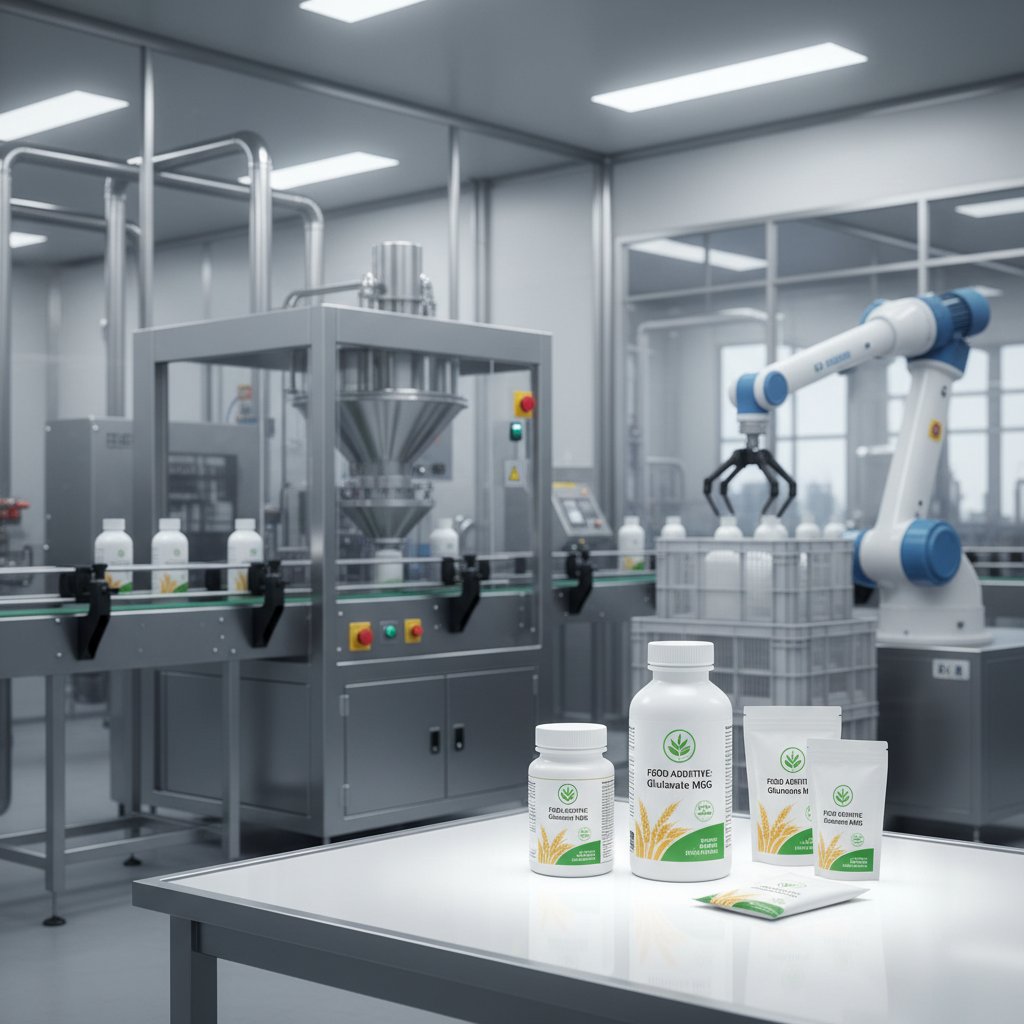
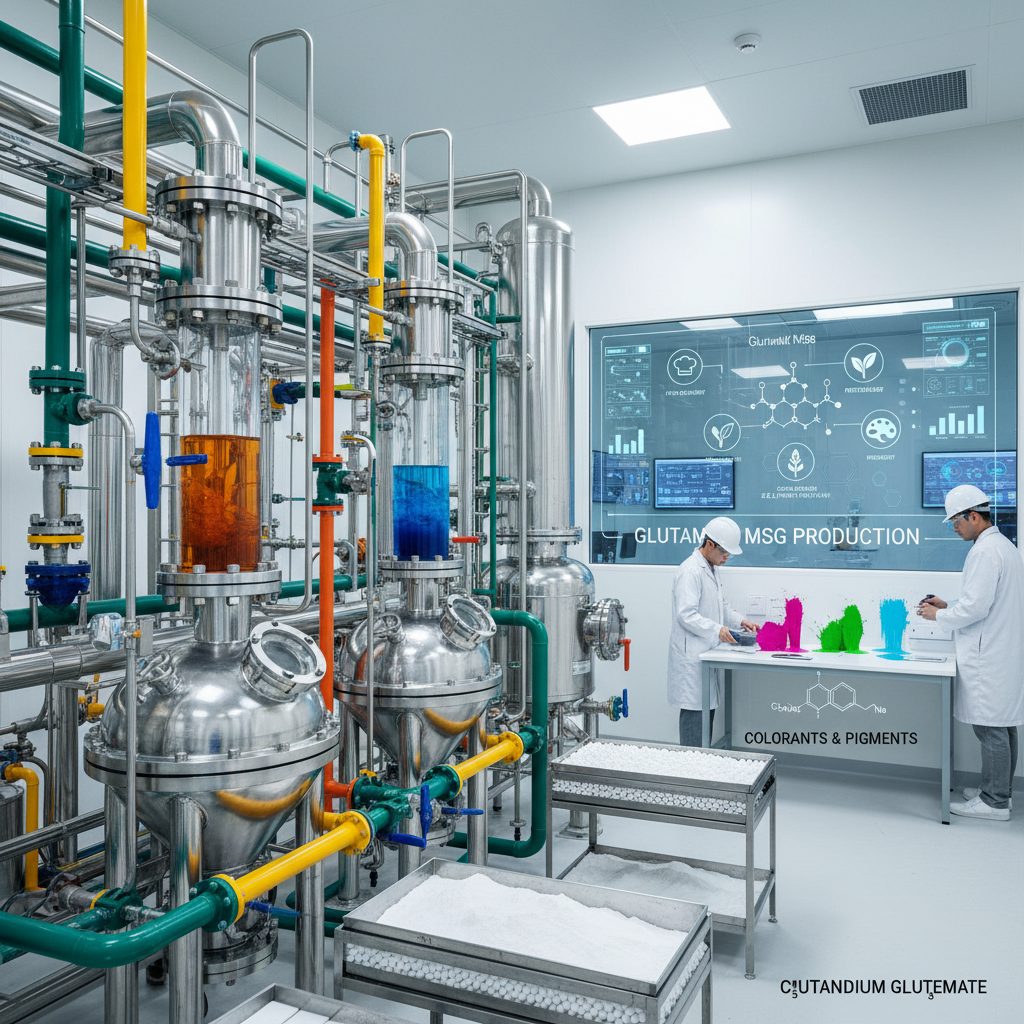
In the complex world of flavor enhancement, glutamate msg stands as one of the most widely utilized and scientifically studied food additives globally. By amplifying the savory "umami" taste, it allows food manufacturers to create satisfying flavor profiles while potentially reducing the reliance on excessive sodium levels in processed goods.
Understanding the role of glutamate msg is essential for those in the food additive, feed additive, and pharmaceutical intermediate industries, as it represents a bridge between basic biochemistry and commercial culinary application. Its ability to interact with specific taste receptors makes it an indispensable tool for achieving taste consistency across diverse product lines.
Globally, the demand for high-purity glutamate msg continues to grow as emerging markets seek affordable ways to enhance the palatability of nutrient-dense but bland staple foods. By mastering the application and sourcing of this compound, manufacturers can optimize production costs while delivering a product that appeals to the innate human preference for savory depth.
Global Industry Context of glutamate msg
The global market for glutamate msg is deeply integrated into the modern food supply chain, with production scales reaching millions of tons annually. According to industry trends aligned with ISO quality standards, the shift toward fermentation-based production has revolutionized how this additive is sourced, moving away from synthetic chemical synthesis toward bio-based sustainable methods using molasses or corn starch.
However, the industry faces a persistent challenge: balancing the high consumer demand for savory taste with the prevailing misconceptions regarding its safety. In many regions, manufacturers must navigate complex regulatory landscapes to prove that their glutamate msg meets strict purity levels, ensuring that the final product is free from contaminants and safe for diverse populations.
Defining the Chemical Nature of glutamate msg
At its most basic level, glutamate msg is the sodium salt of glutamic acid, an amino acid that occurs naturally in many foods such as tomatoes, aged cheeses, and mushrooms. When dissolved in water or food, it dissociates into glutamate ions and sodium ions, triggering the umami receptors on the human tongue, which signals the presence of proteins.
In the context of modern industry, it is viewed not just as a seasoning, but as a precise biochemical tool. For the pharmaceutical and food additive sectors, the crystallization process of glutamate msg is critical; the size and shape of the crystals determine the dissolution rate and the distribution of flavor within a complex food matrix.
This compound addresses a fundamental humanitarian need: making low-cost, protein-poor diets more palatable. By adding small amounts of glutamate msg to fortified foods or basic grains, organizations can improve the appetite and nutrient intake of populations in food-insecure regions, proving its value beyond simple commercial profit.
Core Technical Components of glutamate msg
The effectiveness of glutamate msg is primarily driven by its Purity Level. High-grade MSG must maintain a purity of 99% or higher to ensure that no off-flavors interfere with the intended taste profile, which is a critical requirement for pharmaceutical intermediates and high-end food additives.
Another key component is Solubility and Granulation. Depending on the application—whether it is a dry seasoning mix or a liquid sauce—the glutamate msg must be engineered with specific particle sizes to ensure rapid blending and an even dispersion of savory notes throughout the product.
Furthermore, Stability plays a vital role. The compound must remain chemically stable under various thermal conditions, such as high-temperature frying or long-term storage in humid environments, ensuring that the glutamate msg does not degrade or clump, thereby maintaining a consistent shelf-life for the end consumer.
Practical Performance Factors of glutamate msg
When evaluating the quality of glutamate msg, industry experts look at several performance metrics, including its synergy with other nucleotides and its cost-to-flavor efficiency ratio. By combining MSG with inosine monophosphate (IMP) or guanosine monophosphate (GMP), the perceived intensity of the savory taste is multiplied, allowing for a reduction in the total amount of additive used.
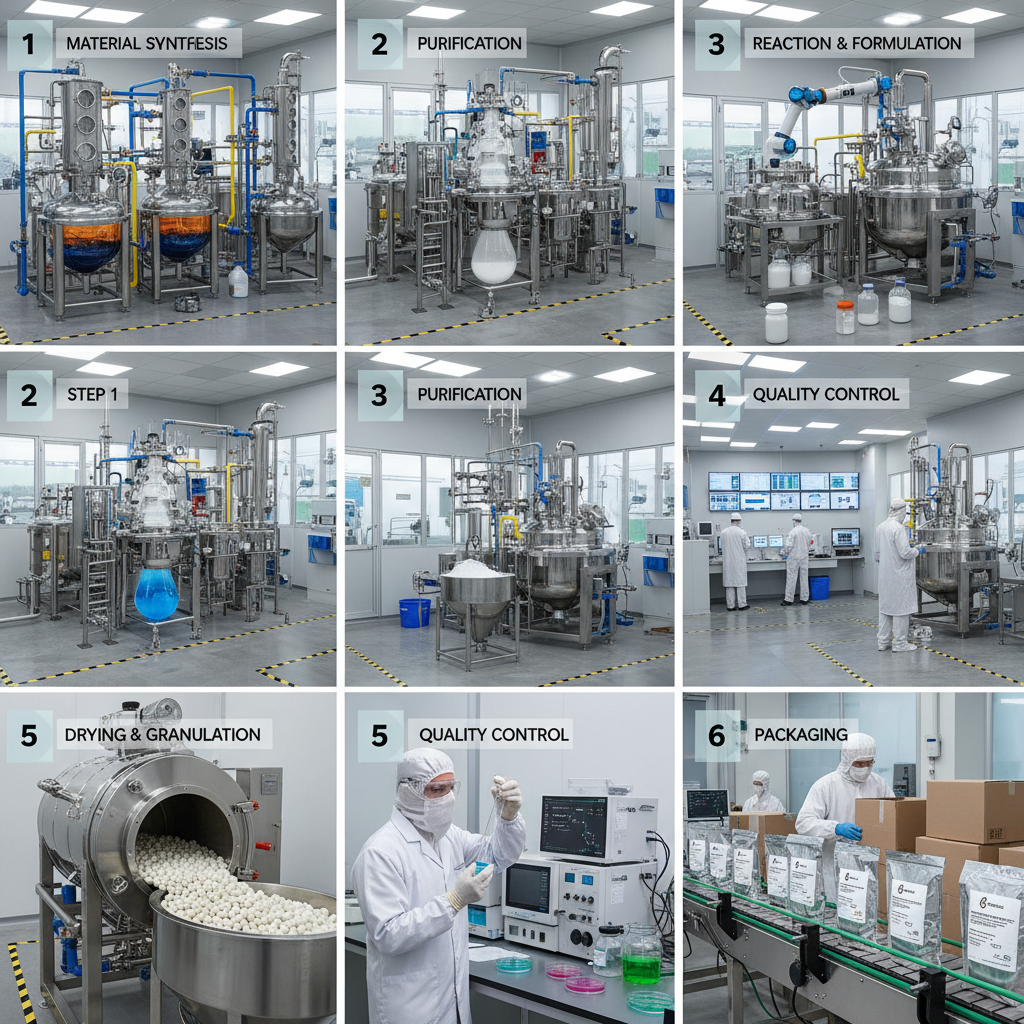
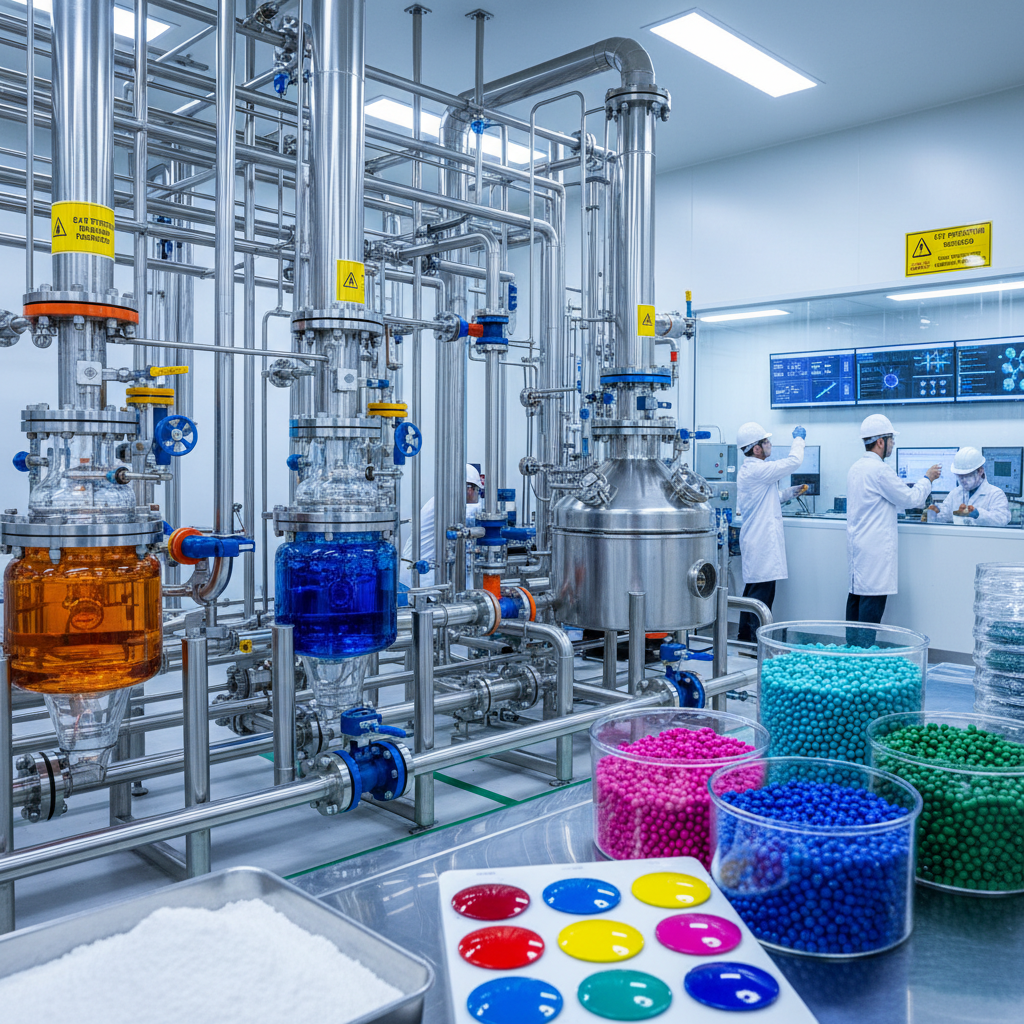
The scalability of production also determines the commercial viability. Large-scale fermentation plants utilize automated bioreactors to maintain precise pH and temperature levels, ensuring that the yield of glutamate msg remains high while minimizing waste and energy consumption.
Comparative Efficiency of glutamate msg Variations
Global Applications and Use Cases
In the food industry, glutamate msg is ubiquitous, from the production of instant noodles in Southeast Asia to the formulation of savory snacks in North America. It is used to standardize the taste of bulk-produced soups and sauces, ensuring that a consumer in Tokyo experiences the same flavor profile as one in New York.
Beyond human consumption, glutamate msg finds critical applications in the feed additive sector. By enhancing the palatability of livestock feed, it encourages higher intake rates in young animals or stressed livestock, which can lead to faster growth rates and improved overall animal health in industrial farming zones.
Long-term Value and Economic Advantages
The primary economic advantage of glutamate msg lies in its cost-effectiveness. Because a very small concentration is required to achieve a significant sensory impact, manufacturers can reduce the amount of expensive natural protein extracts needed to achieve a savory taste, thereby lowering the cost of goods sold (COGS).
From a sustainability perspective, the transition to microbial fermentation for producing glutamate msg has reduced the environmental footprint compared to traditional chemical synthesis. This shift allows companies to market their products as being derived from natural sources, aligning with the global trend toward "clean label" ingredients and sustainable manufacturing.
Moreover, the reliability of the supply chain for this compound provides a safety net for food producers. Because glutamate msg is produced at such a massive global scale, it is less susceptible to the price volatility associated with niche botanical extracts, offering long-term price stability for large-scale operations.
Future Innovations in glutamate msg Production
The future of glutamate msg is being shaped by digital transformation and synthetic biology. AI-driven fermentation monitoring is now being used to optimize the metabolic pathways of Corynebacterium glutamicum, the primary bacterium used in production, resulting in higher yields with fewer raw materials.
We are also seeing a move toward "green" energy integration in manufacturing plants. By using biogas generated from the fermentation waste itself to power the crystallization process, producers are creating a circular economy model that significantly reduces the carbon intensity of every kilogram of glutamate msg produced.
Additionally, research into nano-encapsulation is promising. By encapsulating glutamate msg in a biodegradable lipid shell, manufacturers can create "time-release" flavor profiles, where the savory taste is triggered only at a specific temperature or during digestion, opening new doors for pharmaceutical and specialized nutritional applications.
Analysis of glutamate msg Production and Application Standards
| Production Method |
Purity Level |
Cost Efficiency |
Primary End-Use |
| Corn Fermentation |
99.2% |
High |
Food Additives |
| Sugarcane Molasses |
98.8% |
Very High |
Feed Additives |
| Synthetic Chemical |
97.5% |
Medium |
Industrial Grade |
| Enzymatic Hydrolysis |
99.5% |
Low |
Pharma Intermediates |
| Bio-engineered Strain |
99.7% |
Medium |
Specialty Nutrition |
| Natural Extraction |
95.0% |
Very Low |
Premium Organic |
FAQS
Yes, the consensus among global health authorities, including the FDA and EFSA, is that glutamate msg is "generally recognized as safe" (GRAS). Since glutamate is naturally present in many whole foods, the body processes the additive in the same way it processes naturally occurring glutamates. When used within recommended daily intake levels, it poses no risk to the general population.
Unlike artificial sweeteners or aromatic flavorings that mimic specific tastes, glutamate msg specifically targets umami receptors. It doesn't just add a flavor; it enhances the existing flavors of other ingredients, making them taste "fuller" and more savory. This synergy is why it is often used in combination with other nucleotides for a more powerful effect.
Absolutely. In the feed additive industry, glutamate msg is used to improve the palatability of feeds. This is particularly useful for weaning piglets or calves who may be reluctant to switch from milk to solid feed. By making the feed more appetizing, it ensures consistent nutrient intake, which supports healthier and faster growth cycles.
Because glutamate msg is hygroscopic (absorbs moisture from the air), it should be stored in a cool, dry environment using moisture-proof packaging such as multi-wall kraft bags with a PE liner. Maintaining a relative humidity below 60% is crucial to prevent caking and ensure the product remains a free-flowing powder for industrial dosing.
Modern industrial glutamate msg is typically vegan. It is produced via the fermentation of carbohydrate sources like sugar beets, sugarcane, or corn using the bacterium Corynebacterium glutamicum. This fermentation process does not require animal-derived ingredients, making it suitable for plant-based food products.
For pharmaceutical-grade glutamate msg, it is essential to partner with a supplier that provides a complete Certificate of Analysis (CoA) and adheres to GMP (Good Manufacturing Practices). You should specify the required purity level (typically >99.5%) and ensure the supplier has rigorous filtration and crystallization protocols to eliminate any trace impurities.
Conclusion
In summary, glutamate msg remains a cornerstone of the global food and additive industry, providing an unparalleled combination of sensory enhancement, cost-efficiency, and production scalability. From its fundamental role in triggering the umami taste to its advanced applications in animal nutrition and pharmaceutical intermediates, this compound continues to drive innovation in how we develop palatable and affordable food products worldwide.
Looking forward, the integration of green chemistry and biotechnology will further solidify the role of glutamate msg as a sustainable choice for the future. For manufacturers seeking to optimize their flavor profiles or enhance feed efficiency, investing in high-purity, ethically sourced glutamate msg is a strategic move toward quality and consistency. To explore our premium range of additives, visit our website: www.chinaseasoning.com.