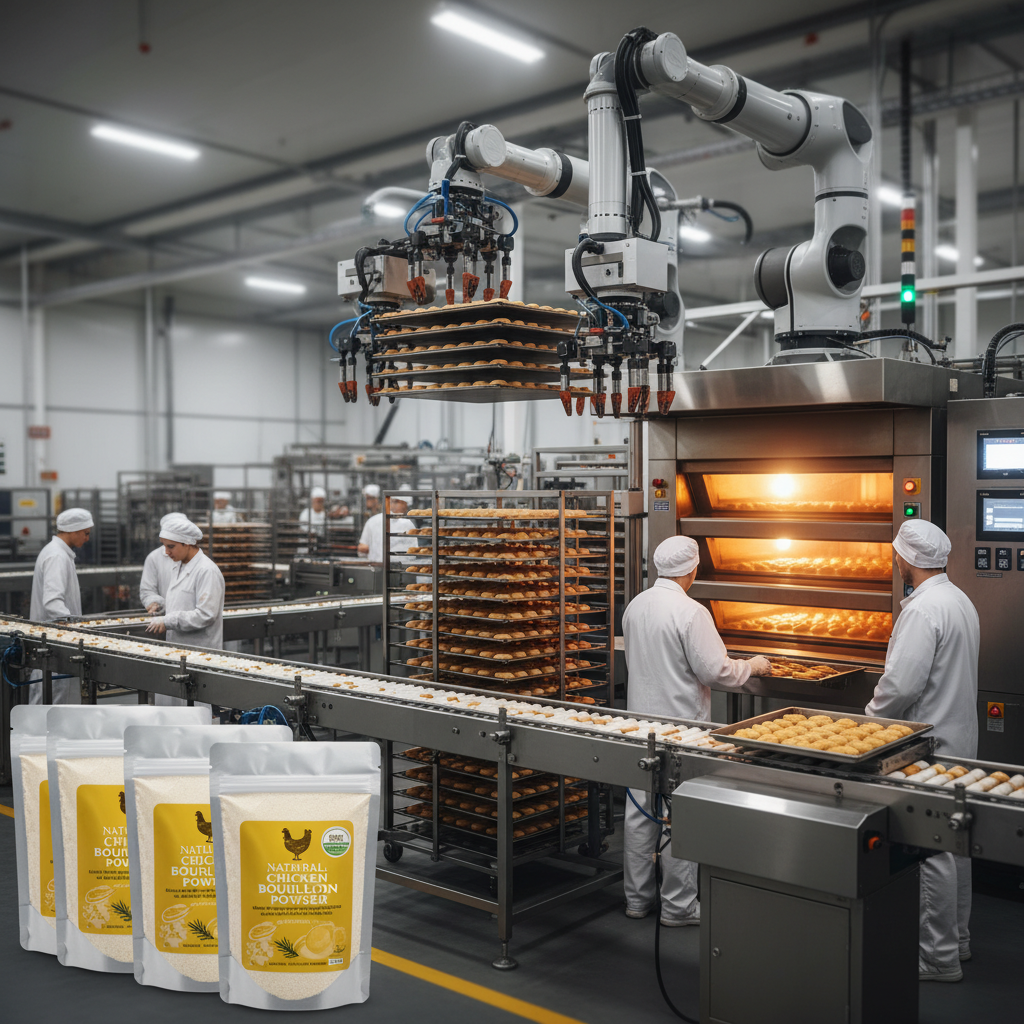
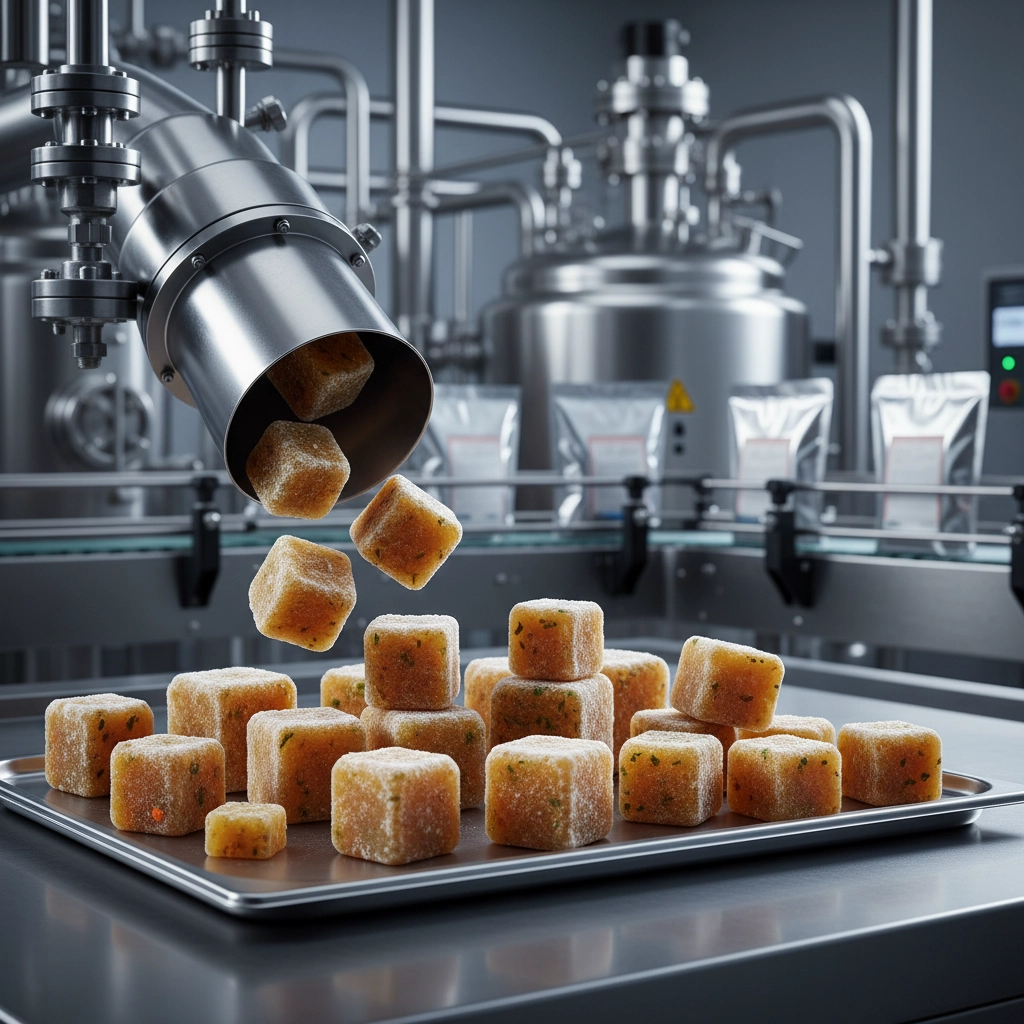
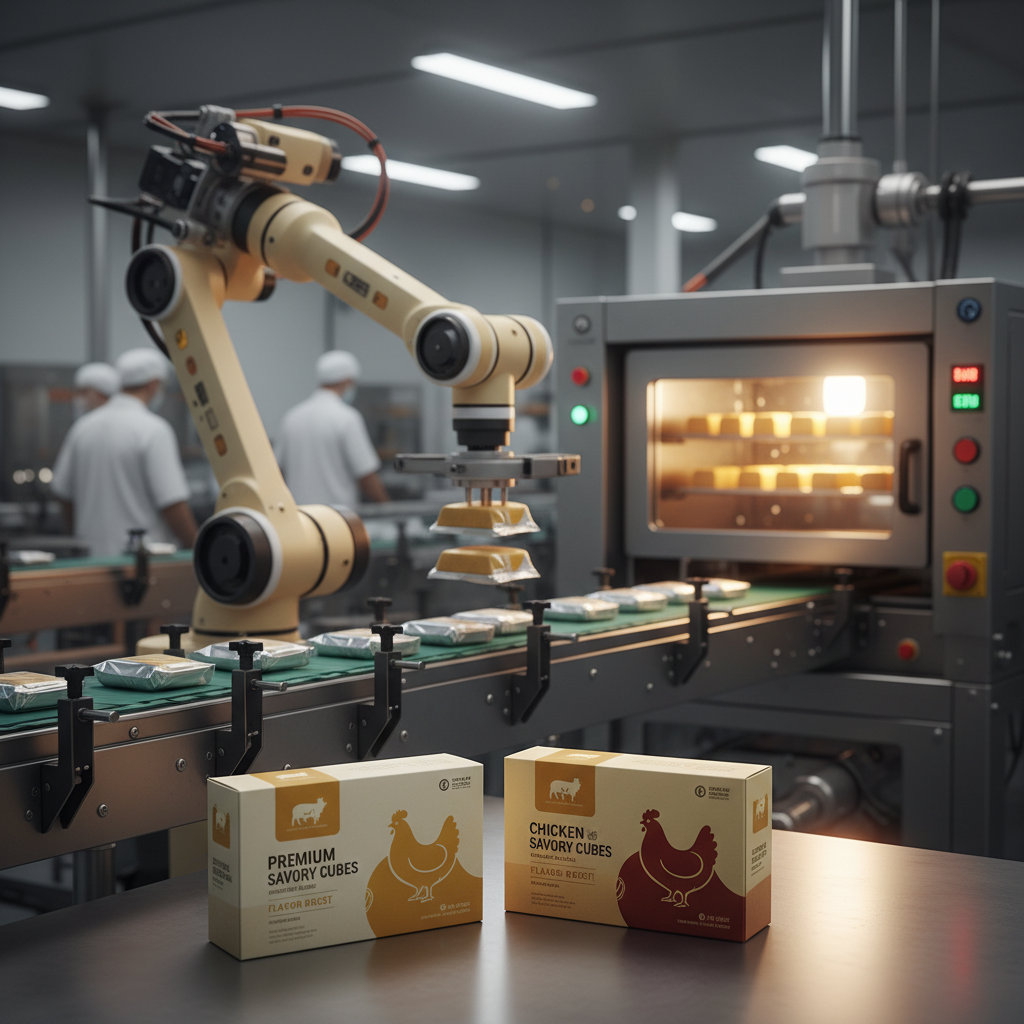
In the evolving landscape of the global food industry, the demand for clean-label ingredients has pushed manufacturers to seek alternatives to synthetic flavor enhancers. natural chicken bouillon powder emerges as a pivotal solution, bridging the gap between industrial efficiency and the consumer's desire for authentic, minimally processed tastes. By leveraging advanced dehydration and extraction techniques, this ingredient provides a consistent, savory profile that is essential for high-volume food production.
The global shift toward health-conscious eating has transformed bouillon from a simple kitchen staple into a complex technical ingredient. Today, the industry focuses on removing artificial MSG and synthetic dyes, replacing them with natural yeast extracts and real chicken concentrates. Understanding the nuances of natural chicken bouillon powder allows food scientists and procurement managers to optimize their recipes for both taste and transparency, ensuring that products meet strict international regulatory standards.
Beyond mere flavor, the strategic integration of high-quality bouillon powders impacts the scalability of food brands. Whether used in ready-to-eat meals, instant soups, or as a base for professional catering, the stability and solubility of the powder determine the final product's quality. For businesses operating within the feed additive, food additive, and pharmaceutical intermediate sectors, mastering the application of these natural seasonings is key to capturing market share in an increasingly competitive global economy.
Global Industry Context of Natural Chicken Bouillon Powder
The global market for savory seasonings is experiencing a paradigm shift, driven by ISO standards for food safety and a growing consumer distrust of synthetic additives. According to recent industry trends, the transition toward natural chicken bouillon powder is no longer optional but a necessity for brands aiming for longevity. In regions like Europe and North America, the "clean label" movement has forced a redesign of bouillon formulations to eliminate hydrolyzed proteins and artificial flavorings.
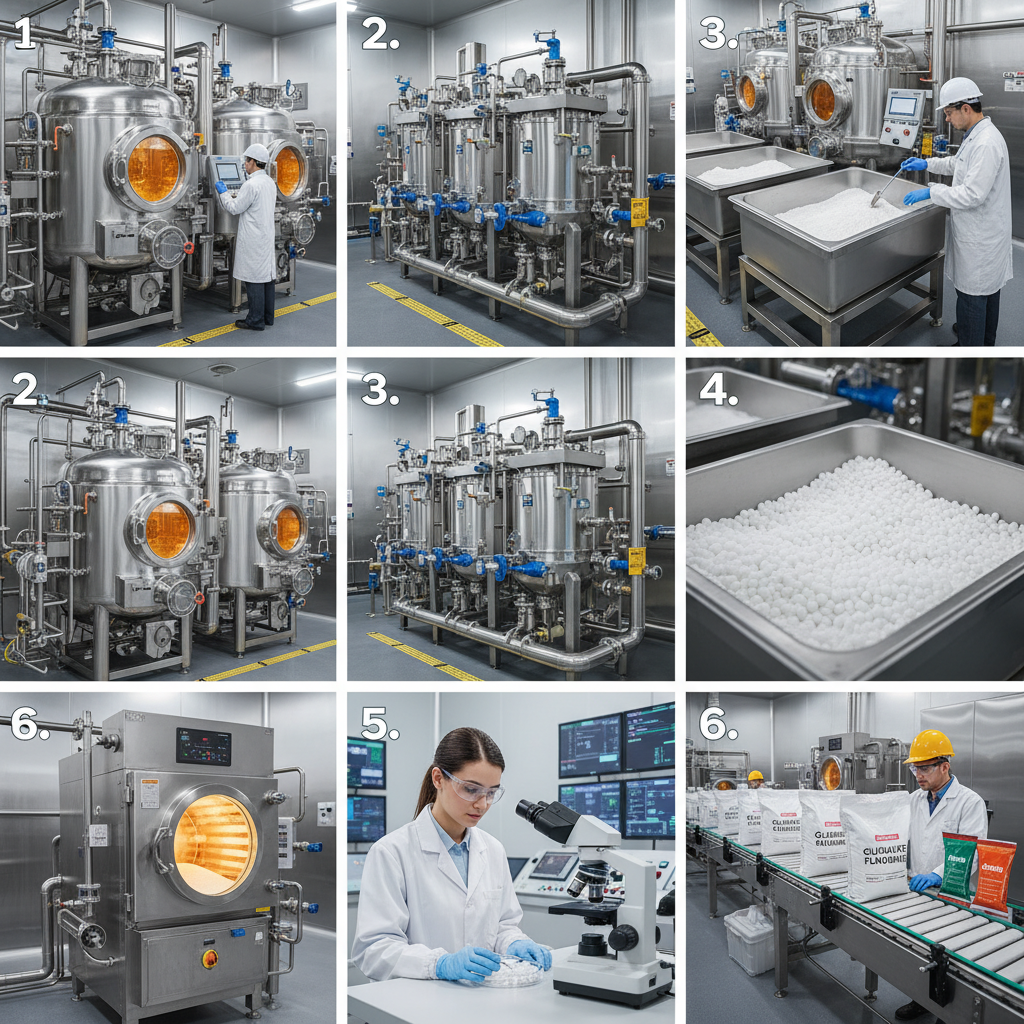
This industrial evolution addresses a critical challenge: maintaining the "umami" depth of traditional slow-cooked chicken stock while achieving the shelf-stability and convenience of a powder. By integrating modern spray-drying and freeze-drying technologies, manufacturers can now preserve the volatile aromatic compounds of real chicken, ensuring that the industrial output matches the sensory experience of homemade stock.
Definition and Technical Meaning of Bouillon Powders
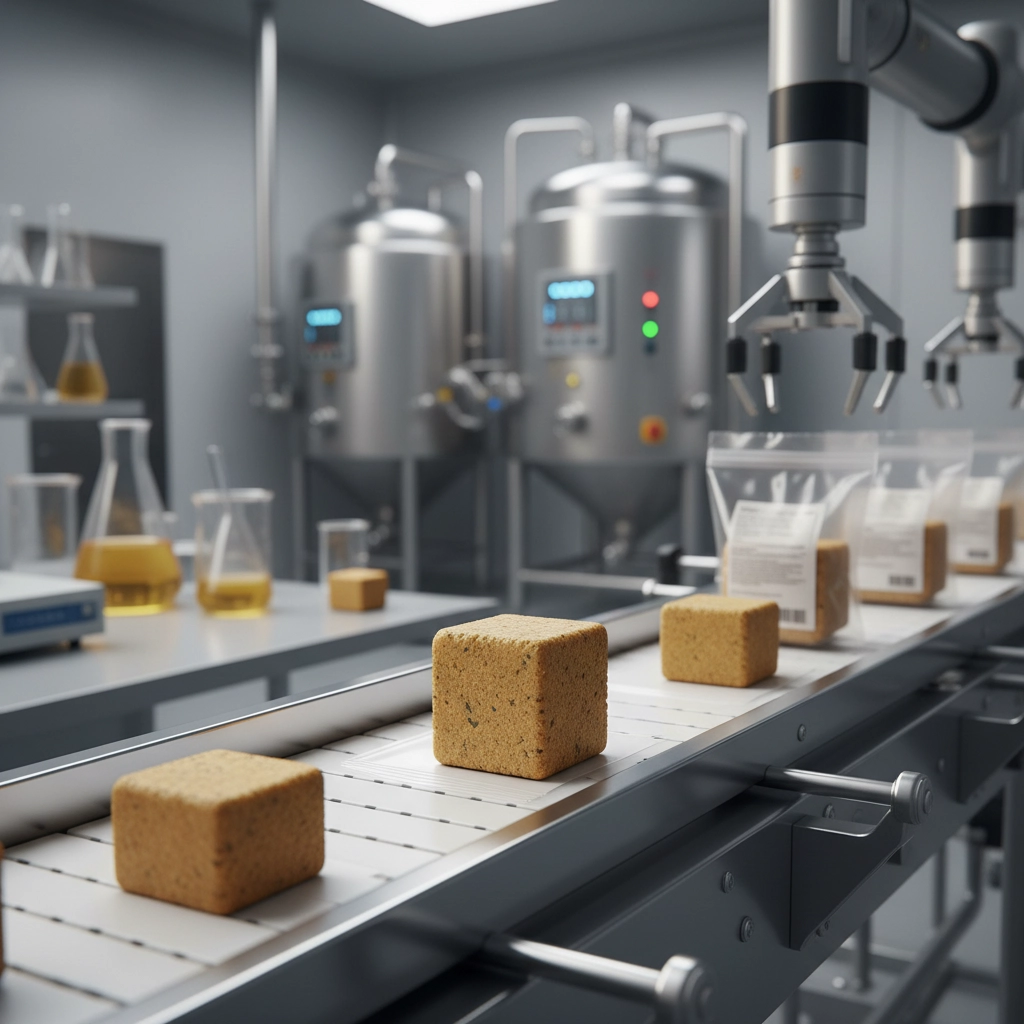
At its core, natural chicken bouillon powder is a dehydrated seasoning blend composed of chicken extract, salt, natural spices, and often a carrier like maltodextrin or cornstarch. Unlike traditional cubes, the powder form offers superior solubility and precision in dosing, making it the preferred choice for large-scale food manufacturing and pharmaceutical-grade food supplements.
Technically, "natural" implies that the flavor profile is derived from biological sources through physical processes (such as extraction, fermentation, or distillation) rather than chemical synthesis. This distinction is crucial for regulatory compliance and consumer trust, as it ensures the product is free from artificial flavor enhancers like MSG, replacing them with natural glutamates found in yeast or chicken proteins.
In the context of modern humanitarian needs, these powders provide a nutrient-dense, easy-to-transport source of flavor and essential minerals. In disaster relief or remote industrial zones, where fresh ingredients are unavailable, a high-quality bouillon powder serves as a critical tool for enhancing the palatability and nutritional value of basic grains and legumes.
Core Components and Quality Factors
The efficiency of natural chicken bouillon powder is determined by its solubility and dispersion. A high-grade powder must dissolve rapidly in hot or cold water without clumping, ensuring a homogenous flavor distribution throughout the final product. This is achieved through precise particle size control and the use of natural anti-caking agents.
Flavor Stability is another critical factor. The aromatic profile of chicken can degrade over time due to oxidation. To combat this, premium manufacturers use vacuum-sealed packaging and natural antioxidants, ensuring that the natural chicken bouillon powder maintains its rich, savory notes from the factory to the end-consumer's plate.
Lastly, Cost Efficiency and Scalability are paramount. By optimizing the ratio of chicken extract to carrier agents, manufacturers can provide a potent flavor profile that reduces the total volume of seasoning required per batch. This optimization allows food producers to maintain high margins without sacrificing the sensory quality of their products.
Practical Applications and Use Cases
The versatility of natural chicken bouillon powder extends across multiple sectors. In the commercial food industry, it serves as the foundational base for "instant" products, such as dehydrated soup mixes and bouillon-based sauces. In the professional culinary world, it is used as a "flavor booster" to accelerate the preparation of stocks, risottos, and braised dishes, reducing labor costs while maintaining a consistent taste profile.
Beyond the kitchen, we see unique applications in specialized nutrition. For example, in medical-grade food supplements or pharmaceutical intermediates, bouillon powders are used to mask the bitterness of certain nutrients, making them more palatable for patients with low appetites. In remote industrial mining camps or military rations, these powders provide a psychological sense of comfort through familiar flavors while ensuring efficient logistics and storage.
Performance Comparison of Natural Chicken Bouillon Powder Methods
Long-Term Value and Sustainability Advantages
Investing in premium natural chicken bouillon powder provides substantial long-term economic and social value. From a sustainability perspective, the powder form significantly reduces shipping weight and volume compared to liquid stocks, drastically lowering the carbon footprint associated with logistics. Furthermore, the extended shelf life reduces food waste in both the supply chain and the end-consumer's household.
From a brand perspective, the transition to natural ingredients fosters a deeper level of trust and loyalty. In an era where consumers scrutinize every ingredient on the label, providing a product that is transparent, safe, and naturally derived enhances brand dignity. This shift from "synthetic efficiency" to "natural quality" is not just a marketing trend but a strategic move toward ethical manufacturing and corporate social responsibility.
Future Trends and Technological Innovations
The future of natural chicken bouillon powder is being shaped by the intersection of biotechnology and automation. We are seeing the rise of "precision fermentation," where specific umami-rich proteins are created by microbes to mimic the exact molecular structure of chicken stock, allowing for "hybrid" bouillons that are even more sustainable and allergen-free.
Digital transformation is also entering the factory. AI-driven flavor profiling is now being used to analyze consumer preferences in real-time, allowing manufacturers to tweak the spice and salt levels of their natural chicken bouillon powder for specific regional markets. This ensures a "hyper-localized" taste profile while maintaining a standardized global production process.
Additionally, green energy is revolutionizing the drying process. Solar-powered freeze-drying facilities are reducing the energy intensity of production, aligning the food additive industry with global net-zero goals. As we move forward, the focus will remain on maximizing the sensory experience while minimizing the environmental impact.
Challenges and Expert Solutions in Production
One of the primary challenges in producing natural chicken bouillon powder is the prevention of "caking" or clumping. Because natural extracts are often hygroscopic, they easily absorb moisture from the air. Experts solve this by utilizing natural flow agents like silicon dioxide (in approved limits) or by optimizing the encapsulation of the chicken extract within a protective maltodextrin shell.
Another significant hurdle is the balance between salt reduction and flavor intensity. Salt is not only a flavor enhancer but also a preservative. To reduce sodium without losing the "punch" of the bouillon, manufacturers are incorporating potassium salts and enhancing the natural glutamic acid content through the addition of yeast extracts, creating a sophisticated flavor matrix that satisfies the palate with less sodium.
Finally, ensuring raw material traceability is a constant struggle. To overcome this, many leading suppliers are implementing blockchain technology to track chicken sources from the farm to the final powder. This guarantees that the "natural" claim is backed by verifiable data, providing the transparency that modern B2B buyers demand.
Analysis of Production Challenges and Strategic Solutions for Natural Bouillon
| Challenge Category |
Technical Limitation |
Expert Solution |
Effectiveness (1-10) |
| Physical Stability |
Hygroscopic clumping |
Advanced Micro-encapsulation |
9 |
| Nutrition |
High Sodium Content |
Yeast Extract Substitution |
8 |
| Sensory |
Aroma Volatility |
Vacuum Freeze-Drying |
10 |
| Compliance |
Clean Label Verification |
Blockchain Traceability |
7 |
| Solubility |
Poor Cold-Water Mix |
Agglomeration Processing |
9 |
| Cost |
High Extraction Costs |
Co-Product Valorization |
6 |
FAQS
A "natural" chicken bouillon powder is defined by its ingredients and processing. It must be derived from real chicken extracts and natural flavorings (like yeast extract or salt) without the use of synthetic flavor enhancers, artificial colors, or chemically synthesized MSG. The process relies on physical extraction and drying rather than chemical modification.
Powder offers several advantages over cubes: it dissolves much faster, allows for precise dosing in industrial recipes, and typically contains fewer binders and fillers. While cubes are convenient for home use, powders are far more efficient for food manufacturers and professional chefs who require consistency across large batches.
Yes, it is specifically designed for clean-label applications. By replacing artificial additives with natural alternatives, it allows brands to list "chicken extract" and "natural spices" on the ingredient panel, which appeals to health-conscious consumers and meets the strict requirements of many international food safety certifications.
To prevent caking, we recommend storing the powder in a cool, dry environment with humidity control. From a production standpoint, using agglomerated powders or those with natural anti-caking agents (like a small percentage of silicon dioxide) ensures the powder remains free-flowing during industrial dispensing.
Absolutely. Because of its high solubility and strong flavor profile, natural chicken bouillon powder is often used as a taste-masking agent in nutritional supplements, especially for those requiring high-protein or savory-flavored medical foods, provided it meets the specific purity standards of the pharma industry.
The drying method is critical. Spray-drying is cost-effective but can lose some volatile aromas due to heat. Freeze-drying preserves the most authentic "fresh" chicken taste and aroma but is more expensive. Vacuum-drying offers a middle ground, providing high quality with better efficiency than freeze-drying.
Conclusion
In summary, natural chicken bouillon powder represents the ideal intersection of culinary tradition and industrial innovation. By focusing on clean-label ingredients, advanced drying technologies, and sustainable logistics, manufacturers can deliver a product that satisfies the modern consumer's demand for health and authenticity without sacrificing the scalability required for global distribution. From its role in enhancing ready-meals to its utility in specialized nutrition, this versatile ingredient is a cornerstone of the modern food additive industry.
Looking ahead, the integration of biotech and digital flavor profiling will only further refine the quality and sustainability of bouillon production. For businesses looking to upgrade their product lines, adopting high-grade natural seasonings is not just a matter of taste, but a strategic investment in brand trust and operational efficiency. We invite you to explore how our advanced formulations can elevate your product's sensory profile. Visit our website: www.chinaseasoning.com