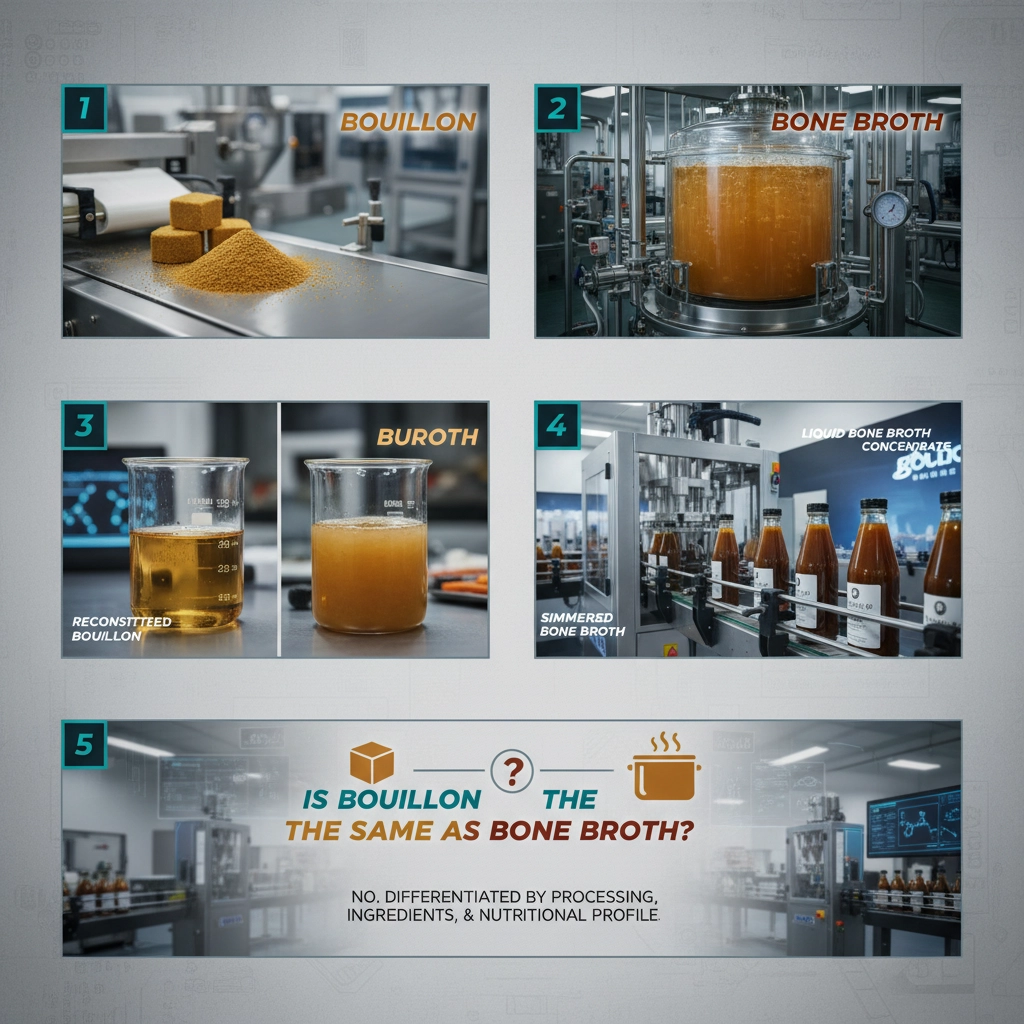
When diving into the world of culinary bases and nutritional supplements, a common point of confusion for home cooks and industrial food manufacturers alike is whether is bouillon the same as bone broth. While both serve as the foundation for soups and stews, they differ fundamentally in their production methods, nutrient profiles, and intended commercial applications. Understanding these distinctions is crucial for achieving the right flavor profile and health benefit in any food product.
From a global food manufacturing perspective, the distinction between a quick-dissolving bouillon cube and a slow-simmered bone broth represents the balance between convenience and holistic nutrition. As consumer demand shifts toward "clean label" ingredients and functional foods, the industry is seeing a surge in the integration of high-quality food additives that can mimic the depth of bone broth while maintaining the scalability of bouillon.
Ultimately, determining if is bouillon the same as bone broth requires looking past the surface. One is primarily a seasoning agent designed for efficiency, while the other is a nutrient-dense extract focused on joint health and gut wellness. This guide explores these differences through the lens of food science and industrial manufacturing to provide a definitive answer.
Defining the Core Differences: Bouillon vs. Bone Broth
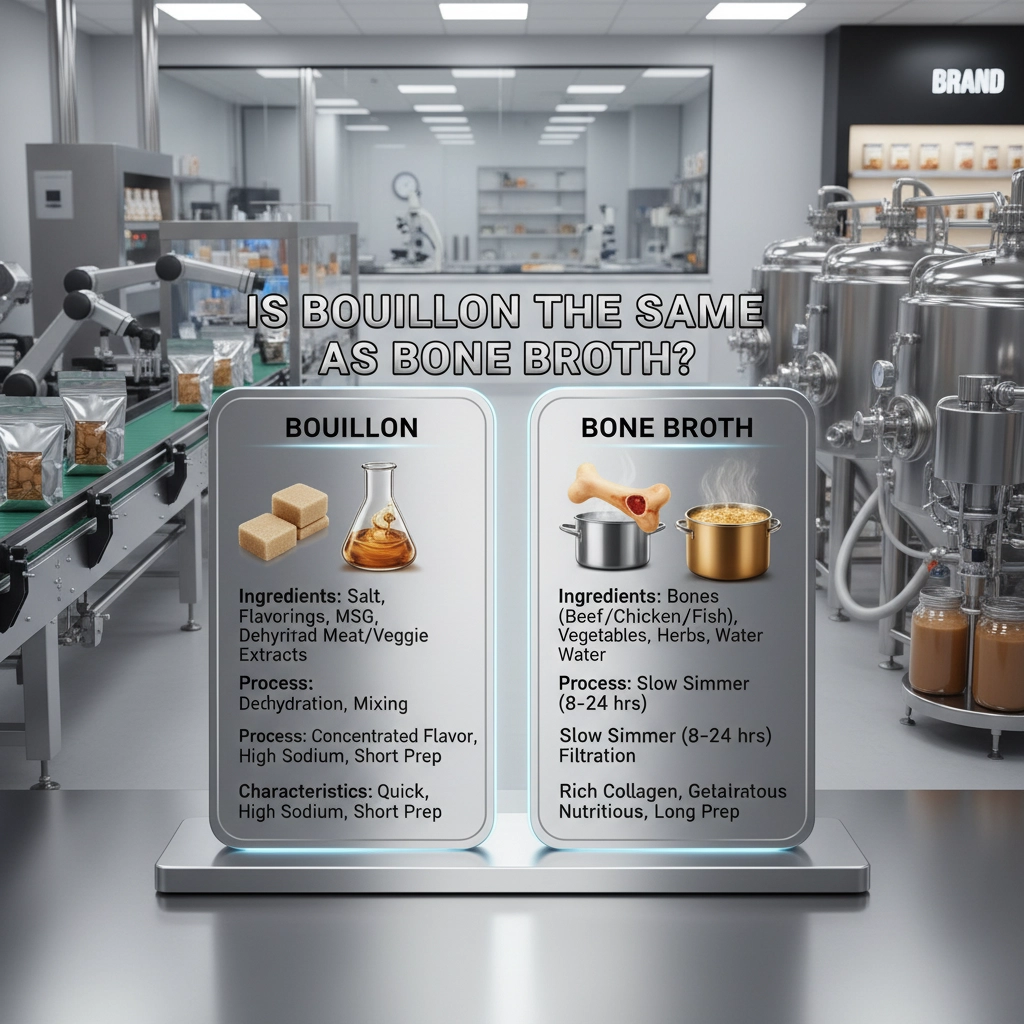
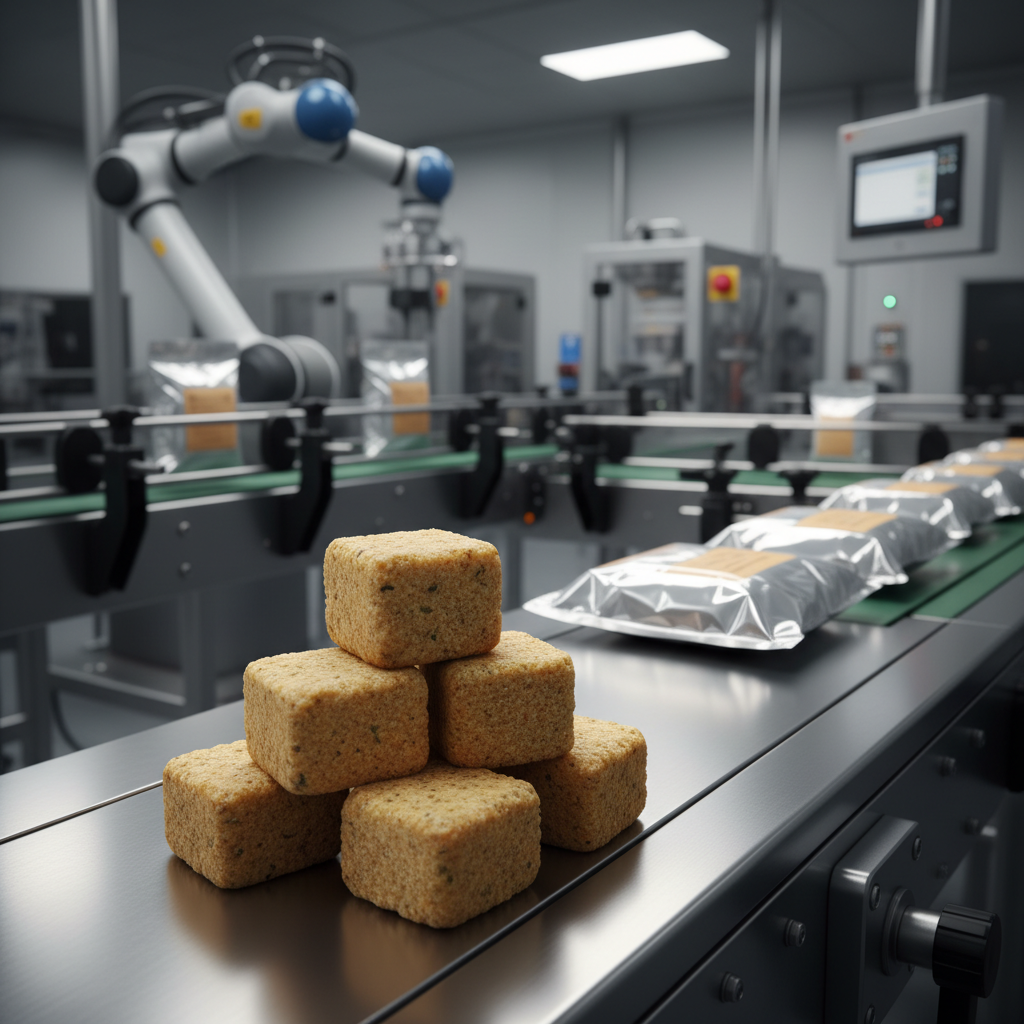
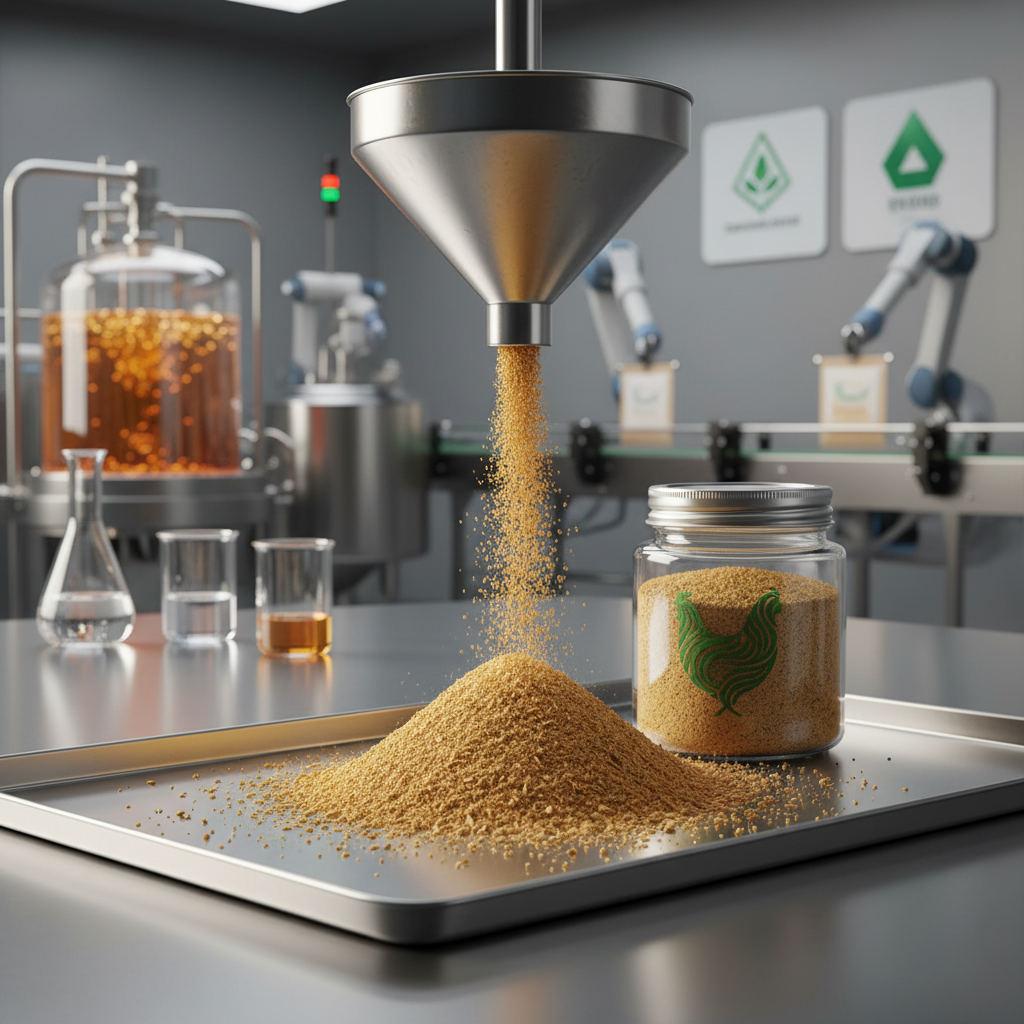
To answer the question is bouillon the same as bone broth, we must first look at the definition. Bouillon is typically a concentrated stock, often sold in dehydrated cube or powder form, designed to provide an immediate burst of flavor. It is essentially a seasoning product that relies on salt, MSG, and flavor enhancers to simulate the taste of a long-simmered meat stock.
Bone broth, conversely, is a therapeutic liquid created by simmering animal bones and connective tissue for an extended period—often 12 to 48 hours. This process extracts collagen, amino acids, and minerals, transforming the liquid into a gelatinous substance rich in nutrients. While bouillon focuses on taste, bone broth focuses on the biological value of the extract.
The Industrial Context of Flavor Bases
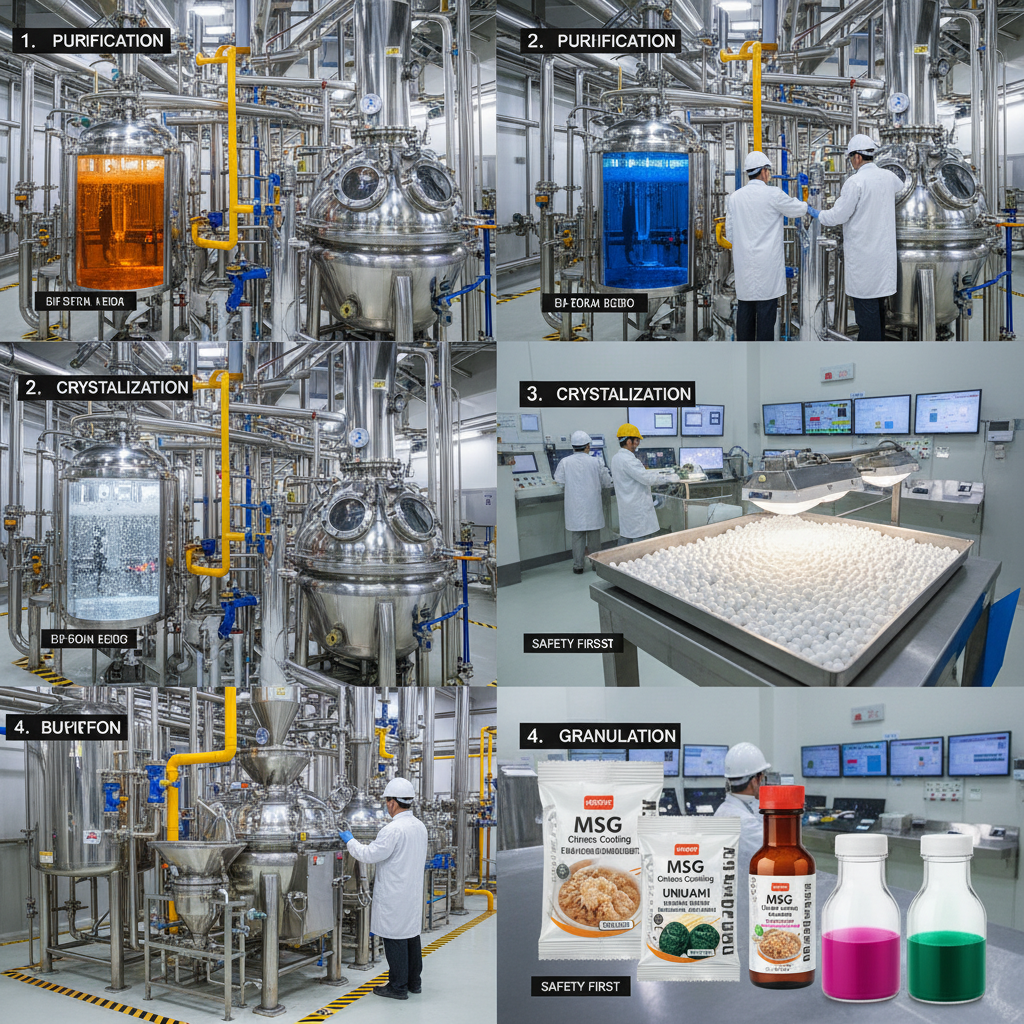
In the global food additive industry, the debate over whether is bouillon the same as bone broth is a matter of processing standards. According to ISO standards for food additives, bouillon falls under the category of "seasoning," where the primary goal is sensory appeal. The industrial production of bouillon involves spray-drying and the addition of stabilizers to ensure a shelf life of several years.
Bone broth is increasingly classified as a "functional food." With the rise of the wellness economy, manufacturers are now utilizing specialized pharmaceutical intermediates to stabilize the collagen content in bone broths without compromising their nutritional integrity. This shift moves the product from a simple kitchen ingredient to a health-oriented supplement.
The challenge for manufacturers is bridging the gap: creating a product that has the convenience of a bouillon cube but the nutritional profile of a bone broth. This requires advanced extraction technologies and a deep understanding of protein denaturation to ensure that the health benefits survive the dehydration process.
Key Nutritional and Chemical Components
When analyzing is bouillon the same as bone broth from a chemical perspective, the most striking difference is the presence of gelatin. Bone broth is rich in glycine and proline, amino acids that support joint health and skin elasticity.
Bouillon, on the other hand, is characterized by high sodium levels and the use of flavor amplifiers. While it provides the "umami" sensation, it lacks the biological activity of the collagen found in bone broth, meaning they are functionally opposite in terms of dietary impact.
For those in the pharmaceutical intermediates or food additive sectors, synthesizing these natural components is key. By adding hydrolyzed collagen to bouillon-style products, companies can attempt to answer the "is bouillon the same as bone broth" dilemma by creating a hybrid "nutritional bouillon."
Scalability and Cost Efficiency in Production
From a manufacturing standpoint, bouillon is vastly more scalable. The cost of producing a dehydrated cube is minimal compared to the energy-intensive process of simmering thousands of gallons of bone broth for days. This makes bouillon the preferred choice for mass-market food additives and instant meal kits.
However, the premium market is shifting. Consumers are willing to pay a higher price point for authentic bone broth due to its perceived health benefits. The industrial challenge is to optimize the extraction process—using pressure vessels and enzymatic hydrolysis—to reduce the time required while maintaining the quality of the broth.
Efficiency and Nutrition Analysis: Bouillon vs. Bone Broth
Global Applications in Food Manufacturing
In regions like North America and Europe, bone broth has transitioned from a traditional grandmother's remedy to a luxury health beverage sold in cafes. This has forced food additive manufacturers to create high-stability collagen powders that can be integrated into a variety of "hot products," allowing brands to claim the benefits of bone broth in a convenient format.
Conversely, in rapidly developing industrial zones in Asia, bouillon remains the cornerstone of flavor enhancement due to its cost-effectiveness and long shelf life. However, as the middle class grows and health awareness increases, we see a merger where bouillon is being fortified with the same amino acids found in bone broth to meet modern dietary needs.
Long-Term Value of Functional Broths
The long-term value of understanding whether is bouillon the same as bone broth lies in the ability to target specific consumer segments. For the budget-conscious consumer, the efficiency and taste of bouillon are paramount. For the health-conscious "bio-hacker," the structural integrity of bone broth is a non-negotiable requirement.
From a sustainability angle, bone broth promotes a "nose-to-tail" philosophy, reducing waste by utilizing animal parts that would otherwise be discarded. This aligns with global sustainability goals and the circular economy, giving bone broth a moral and environmental advantage over synthetically flavored bouillon.
Ultimately, the innovation in pharmaceutical intermediates allows us to create a "best of both worlds" scenario. By isolating the bioactive peptides of bone broth and incorporating them into a bouillon delivery system, manufacturers can offer safety, dignity in nutrition, and unmatched convenience.
Future Trends in Broth Innovation
The future of the industry is leaning toward "Precision Broths." Utilizing AI-driven flavor profiling, manufacturers can now determine the exact ratio of salts and amino acids needed to make a bouillon taste exactly like a 48-hour bone broth, without the 48-hour wait. This digital transformation in food chemistry is blurring the lines of the "is bouillon the same as bone broth" debate.
We are also seeing the rise of plant-based bone broths. By using yeast extracts and fermented fungi, additive manufacturers are creating "vegan bone broth" that mimics the viscosity and umami of animal-based collagen. This is a critical step in making functional nutrition accessible to all dietary preferences.
Automation in the extraction process, such as the use of ultrasound-assisted extraction (UAE), is allowing for higher yields of collagen in shorter times. This technological leap will likely make genuine bone broth as affordable and accessible as bouillon in the coming decade.
Comparative Analysis of Broth Types and Industrial Attributes
| Product Type |
Primary Goal |
Nutritional Value |
Industrial Cost |
| Standard Bouillon |
Flavor Enhancement |
Low (High Sodium) |
Very Low |
| Traditional Bone Broth |
Health & Wellness |
High (Collagen) |
High |
| Fortified Bouillon |
Convenience + Health |
Moderate |
Moderate |
| Vegan "Bone" Broth |
Ethical Nutrition |
Moderate |
Moderate |
| Concentrated Base |
Commercial Kitchen Use |
Low to Moderate |
Low |
| Medical Grade Broth |
Gut Recovery |
Very High |
Very High |
FAQS
No, they are not the same. Bone broth is a nutrient-dense liquid rich in collagen and amino acids that support joint and gut health. Bouillon is primarily a seasoning product containing salt and flavor enhancers, providing very little in the way of biological nutrition.
For flavor purposes, yes. However, if your recipe requires the thickening properties of gelatin or the health benefits of collagen, bouillon will not work. You will miss the "mouthfeel" and the nutritional profile that authentic bone broth provides.
The cost difference comes down to production time and raw materials. Bone broth requires long simmering times (up to 48 hours) and high energy consumption, whereas bouillon is mass-produced using dehydration and additive technologies.
Yes, many modern food additive manufacturers are creating "clean label" bases. By using hydrolyzed collagen and organic yeast extracts, they can create a product that is as convenient as bouillon but as healthy as bone broth.
Homemade bone broth is generally better because you can control the salt content. Commercial bouillon is often extremely high in sodium, which can be detrimental to those with hypertension.
Manufacturers can integrate pharmaceutical-grade collagen peptides and mineral complexes during the mixing phase before spray-drying, effectively bridging the gap between a seasoning and a functional food.
Conclusion
In summary, the answer to is bouillon the same as bone broth is a definitive no. While they may look similar in a soup pot, bouillon is a tool for flavor and convenience, whereas bone broth is a tool for health and nutrition. The former relies on additive chemistry to simulate taste, while the latter relies on slow extraction to preserve biological value.
Looking forward, the convergence of food science and pharmaceutical intermediates will likely erase this divide, giving us products that offer the therapeutic benefits of bone broth with the industrial efficiency of bouillon. For businesses and consumers alike, the key is to choose the product that aligns with their specific goals—whether that is a quick Tuesday night dinner or a long-term health regimen. Visit our website for more professional food additive solutions: www.chinaseasoning.com