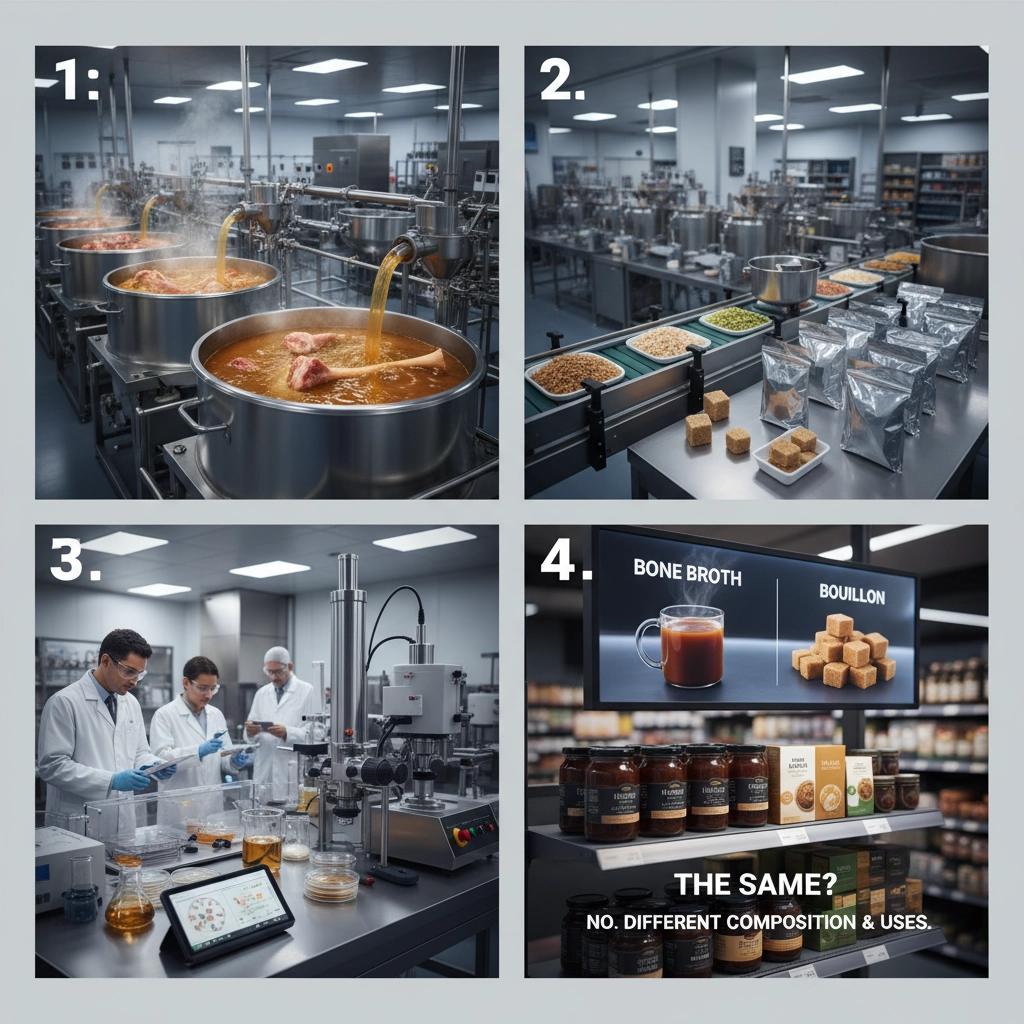
When navigating the world of culinary bases and nutritional supplements, many home cooks and professional chefs often ask: is bone broth the same as bouillon? While they may seem interchangeable at a glance, they differ fundamentally in their preparation, nutrient density, and intended use in the kitchen. Understanding these nuances allows for better flavor profiling and ensures that the health benefits of collagen and minerals are actually delivered.
From a global food manufacturing perspective, the distinction between a slow-simmered extraction and a concentrated additive is critical. The rise of the "wellness" trend has skyrocketed the demand for authentic bone broths, while the convenience economy continues to rely on bouillon for rapid meal preparation. This tension between artisan quality and industrial efficiency defines much of the current landscape in the food additive and seasoning industry.
Ultimately, determining whether is bone broth the same as bouillon depends on your goals—are you seeking a therapeutic tonic rich in amino acids, or a salty, flavor-dense base for a quick soup? By breaking down the chemical composition, production methods, and commercial applications, we can provide a clear guide for consumers and manufacturers alike to make the most informed choice.
Defining the Core Differences: Bone Broth vs Bouillon
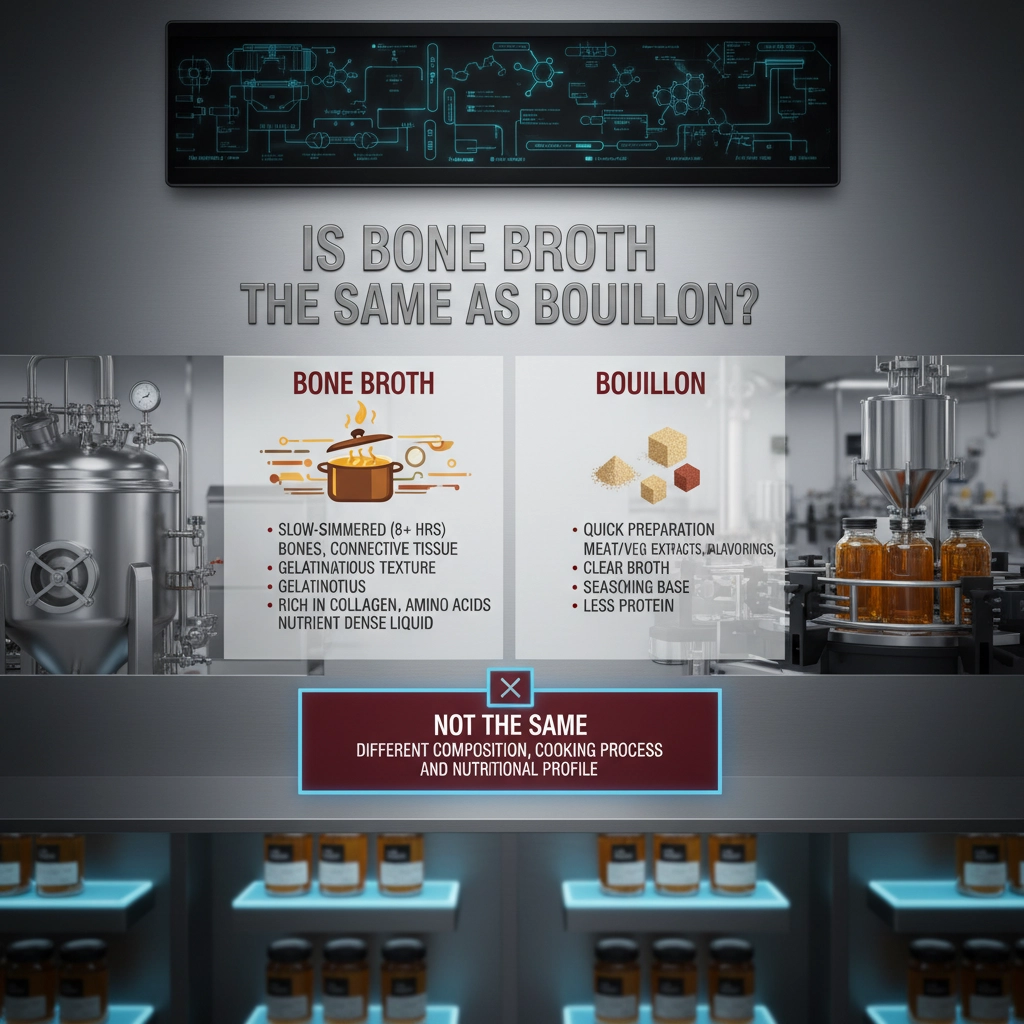
To answer the question is bone broth the same as bouillon, we must first look at the extraction process. Bone broth is a slow-cooked liquid resulting from simmering animal bones and connective tissue for extended periods—often 12 to 48 hours. This process breaks down collagen into gelatin, creating a thick, nutrient-rich liquid that is prized for its joint-supporting and gut-healing properties.
Bouillon, conversely, is a concentrated stock that has been dehydrated into cubes, granules, or pastes. While it begins as a stock, the final product is designed for convenience and shelf-stability. It often contains a high concentration of salt, MSG, and other food additives to mimic the deep flavor of a long-simmered broth without requiring the actual time or equipment associated with bone broth.
The Industrial Context of Flavor Concentrates
In the global food manufacturing sector, the debate over whether is bone broth the same as bouillon reflects a broader shift toward "clean label" ingredients. According to ISO standards for food additives, the purity and source of the raw materials dictate the final classification. While bouillon is classified as a seasoning or flavor enhancer, bone broth is increasingly categorized as a functional food or a nutraceutical.
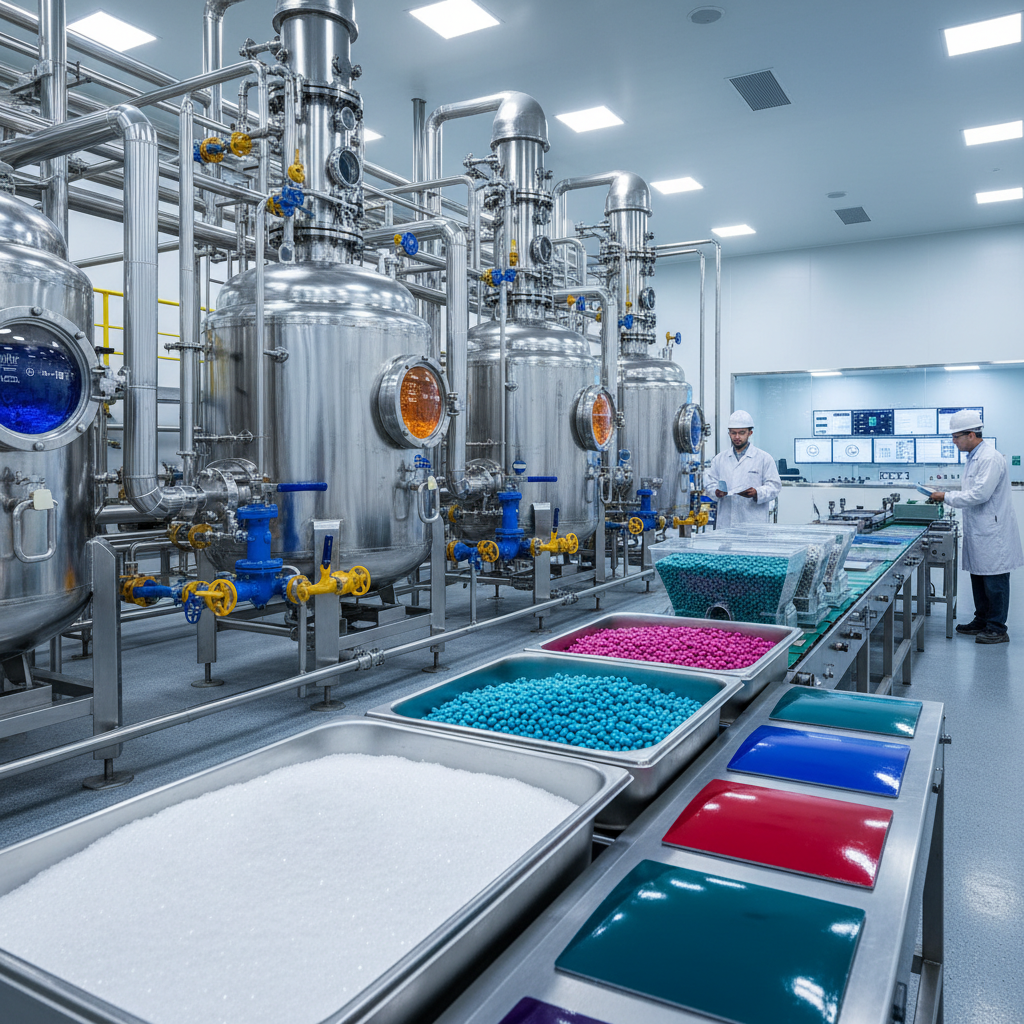
The challenge for the industry lies in scalability. Creating authentic bone broth on an industrial scale requires massive vats and precise temperature control to ensure collagen extraction without burning the proteins. This is why many commercial "broths" are actually enhanced bouillons—they use food additives to simulate the viscosity and mouthfeel of gelatin.
As consumer awareness grows, there is a surging demand for pharmaceutical-grade intermediates that can stabilize natural collagen in liquid form. This allows manufacturers to bridge the gap between the convenience of bouillon and the nutritional density of bone broth, creating a hybrid product that satisfies both the need for speed and the desire for health.
Nutritional Profiles and Chemical Composition
When analyzing the chemical makeup to determine if is bone broth the same as bouillon, the presence of gelatin is the primary marker. Bone broth is rich in glycine and proline, amino acids essential for skin elasticity and intestinal lining repair. These are naturally occurring results of the long-term hydrolysis of collagen.
Bouillon lacks these structural proteins because the dehydration process and the short cooking times used in commercial stock production do not sufficiently break down the bone matrix. Instead, bouillon relies on sodium chloride and hydrolyzed vegetable proteins to provide a "savory" punch, making the answer to "is bone broth the same as bouillon" a definitive "no" from a nutritional standpoint.
Furthermore, the mineral content differs wildly. Bone broth provides bioavailable calcium, magnesium, and phosphorus. Bouillon, while sometimes fortified with vitamins, primarily delivers sodium. For those utilizing food additives in pharmaceutical intermediates, these distinctions are vital for formulating supplements that target joint health.
Performance Metrics in Culinary Applications
In practical kitchen applications, the choice between these two depends on the desired outcome. Bone broth provides a natural thickness (viscosity) that helps sauces cling to food, whereas bouillon provides a sharp, consistent salt profile that is ideal for seasoning large volumes of water quickly. When chefs ask is bone broth the same as bouillon, they are often asking about the "body" of the liquid.
From a cost-efficiency standpoint, bouillon is unbeatable for mass catering, but bone broth is the gold standard for high-end gastronomy and therapeutic dieting. The following chart illustrates how these two options compare across key performance indicators.
Comparative Analysis: Bone Broth vs Bouillon Utility
Global Market Trends and Consumer Demand
Across North America and Europe, there is a noticeable shift toward the "Paleo" and "Keto" lifestyles, which have rebranded bone broth as a superfood. This has forced bouillon manufacturers to innovate, introducing "natural" versions of their cubes that avoid synthetic additives. However, the fundamental question—is bone broth the same as bouillon—remains a point of confusion for many consumers who see "beef broth" on a label and assume it contains the collagen benefits of bone broth.
In Asian markets, particularly in China and Vietnam, the tradition of long-simmered bone soups is deeply embedded in the culture. The industrialization of these processes has led to the development of high-quality feed and food additives that can replicate the richness of these traditional broths, allowing for a consistent taste profile in packaged convenience foods without sacrificing the perceived quality.
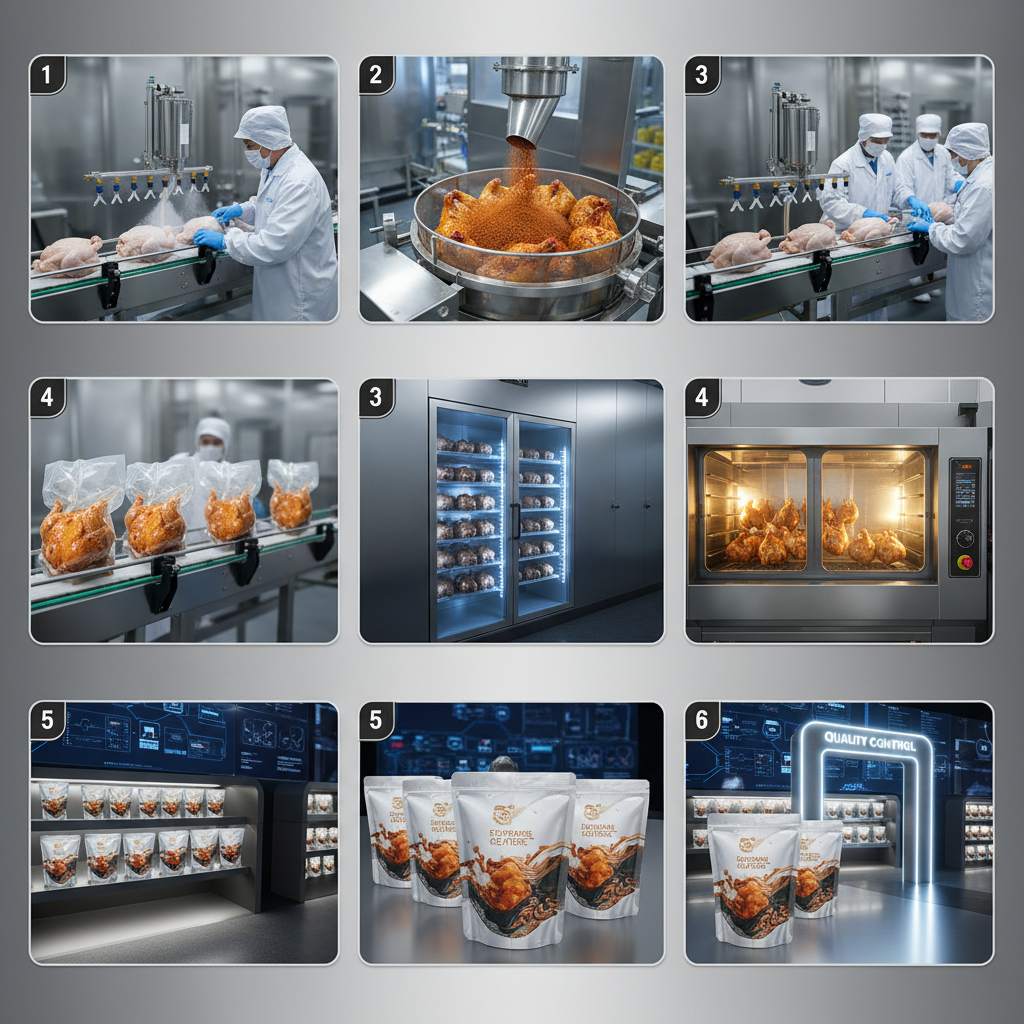
Manufacturing Processes: From Simmering to Dehydration
The production of bone broth is an exercise in patience and temperature management. To ensure the collagen converts to gelatin, the liquid must be kept at a low simmer for hours, often with the addition of an acid (like apple cider vinegar) to help leach minerals from the bones. This artisanal approach is difficult to automate without losing the "soul" of the product.
Bouillon production, on the other hand, is a marvel of chemical engineering. It involves creating a concentrated stock, adding stabilizers, flavor enhancers, and salt, and then using spray-drying or freeze-drying technology to remove water. This results in a product that can sit on a shelf for years without refrigeration, solving the problem of perishability that plagues fresh bone broth.
The intersection of these two worlds occurs in the "Hot Products" category of food additives. By using hydrolyzed collagen peptides, manufacturers can now "fortify" bouillon-style products, effectively answering the question "is bone broth the same as bouillon" by making the bouillon nutritionally equivalent to bone broth.
Comparing Value and Long-term Utility
When evaluating the long-term value, bone broth wins on health, while bouillon wins on logistics. For a professional kitchen, using bouillon for the base and finishing with a reduction of real bone broth is often the most efficient strategy. This hybrid approach manages food costs while maintaining the luxury mouthfeel expected by customers.
From a sustainability angle, bone broth encourages the use of "waste" materials—bones that would otherwise be discarded—aligning with circular economy principles. Bouillon's value lies in its reduced carbon footprint during transport due to its lightweight, dehydrated nature.
Ultimately, for those interested in the pharmaceutical or food additive industry, the distinction provides a roadmap for innovation. The goal is to create a product that possesses the convenience of a bouillon cube but the biological activity of a 24-hour bone broth.
Comparison of Bone Broth and Bouillon Characteristics
| Feature |
Bone Broth |
Bouillon |
Industrial Impact |
| Primary Ingredient |
Whole Bones/Connective Tissue |
Concentrated Extracts/Salt |
Raw Material Sourcing |
| Cooking Time |
12 - 48 Hours |
Instant/Fast |
Energy Consumption |
| Key Nutrient |
Gelatin/Collagen |
Sodium/Flavorants |
Nutraceutical Value |
| Shelf Life |
Short (Refrigerated) |
Very Long (Ambient) |
Supply Chain Logistics |
| Texture |
Viscous/Gel-like |
Thin/Watery |
Mouthfeel Engineering |
| Main Use |
Health/Gourmet Base |
Quick Seasoning |
Market Segmentation |
FAQS
No. Bone broth is significantly healthier because it contains gelatin, collagen, and minerals extracted from bones over a long period. Bouillon is primarily a flavor enhancer and usually contains high amounts of sodium and artificial additives, offering very little in terms of therapeutic nutrition.
Yes, for flavor and liquid volume, bouillon is a fine substitute. However, you will lose the thick, silky texture that bone broth provides. If the recipe relies on the gelatin for thickening (like a risotto or a rich sauce), bouillon will not provide the same result.
The price difference is due to production costs. Bone broth requires expensive raw materials (high-quality bones) and significant energy and time for the long simmering process. Bouillon is mass-produced using concentrated extracts and dehydration, making it much cheaper per serving.
Some modern bouillon brands use organic ingredients and reduce sodium. However, unless they explicitly state that they have added hydrolyzed collagen or are made via a slow-extraction process, they still lack the structural proteins found in traditional bone broth.
Check the ingredients list for "collagen" or "gelatin." A simple trick is to refrigerate the broth; authentic bone broth will turn into a jelly-like substance due to the collagen content, whereas bouillon-based broths will remain liquid.
Most traditional bouillons do, but many are now available in vegan versions. Unlike bone broth, which is by definition animal-based, bouillon is a "style" of concentrate and can be made entirely from vegetables and yeast extracts.
Conclusion
In summary, while both serve as savory liquid bases, the answer to is bone broth the same as bouillon is a clear no. Bone broth is a nutrient-dense, collagen-rich tonic derived from a patient extraction process, whereas bouillon is a convenient, salt-forward flavor concentrate designed for efficiency and shelf-stability. One offers wellness and depth, while the other offers speed and consistency.
For consumers and food manufacturers, the future lies in merging these two worlds—creating high-stability products that do not compromise on nutritional integrity. Whether you are formulating a new food additive or preparing a family meal, understanding this distinction ensures that you are delivering the right balance of taste, health, and value. Visit our website for professional seasoning and additive solutions: www.chinaseasoning.com