In the world of culinary arts and food manufacturing, clarity regarding ingredients is paramount for consistency and quality. A common point of confusion for chefs, home cooks, and procurement managers alike is whether is bouillon the same as stock concentrate. While they often serve the same purpose—adding a deep, savory foundation to soups, sauces, and stews—their chemical composition, production methods, and intensity vary significantly.
Understanding the distinction between these two is not just a matter of semantics but a critical factor in flavor profiling and cost management. From a food additive perspective, the transition from a traditional bouillon cube to a high-efficiency stock concentrate represents an evolution in dehydration and extraction technologies. This allows manufacturers to provide a product that is more stable, easier to dose, and more consistent in flavor across global supply chains.
Globally, the demand for convenient seasoning solutions has surged, leading to an overlap in marketing terms. However, for those seeking professional-grade results, knowing that is bouillon the same as stock concentrate (the short answer being no) helps in selecting the right product for the right application, ensuring that the final dish maintains its integrity without excessive sodium or artificial fillers.
Defining the Difference: Bouillon vs. Stock Concentrate
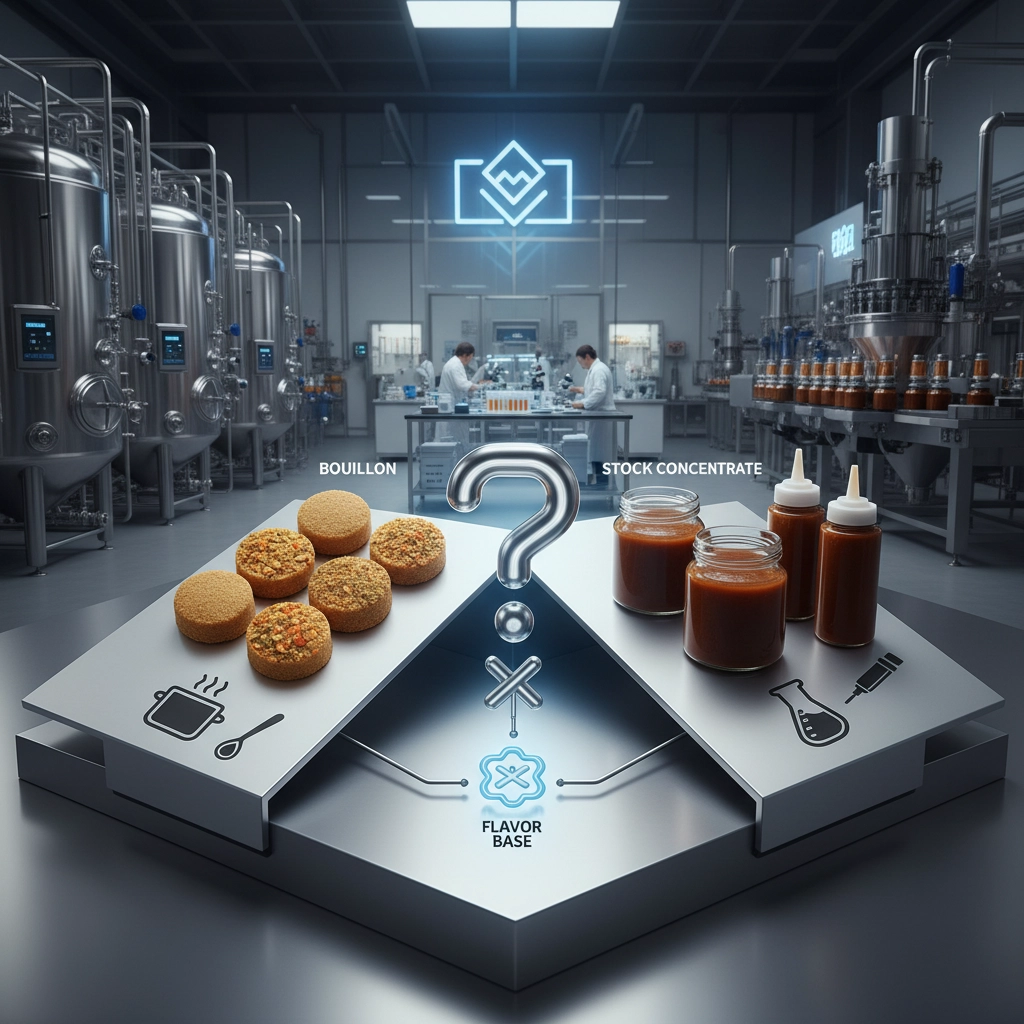
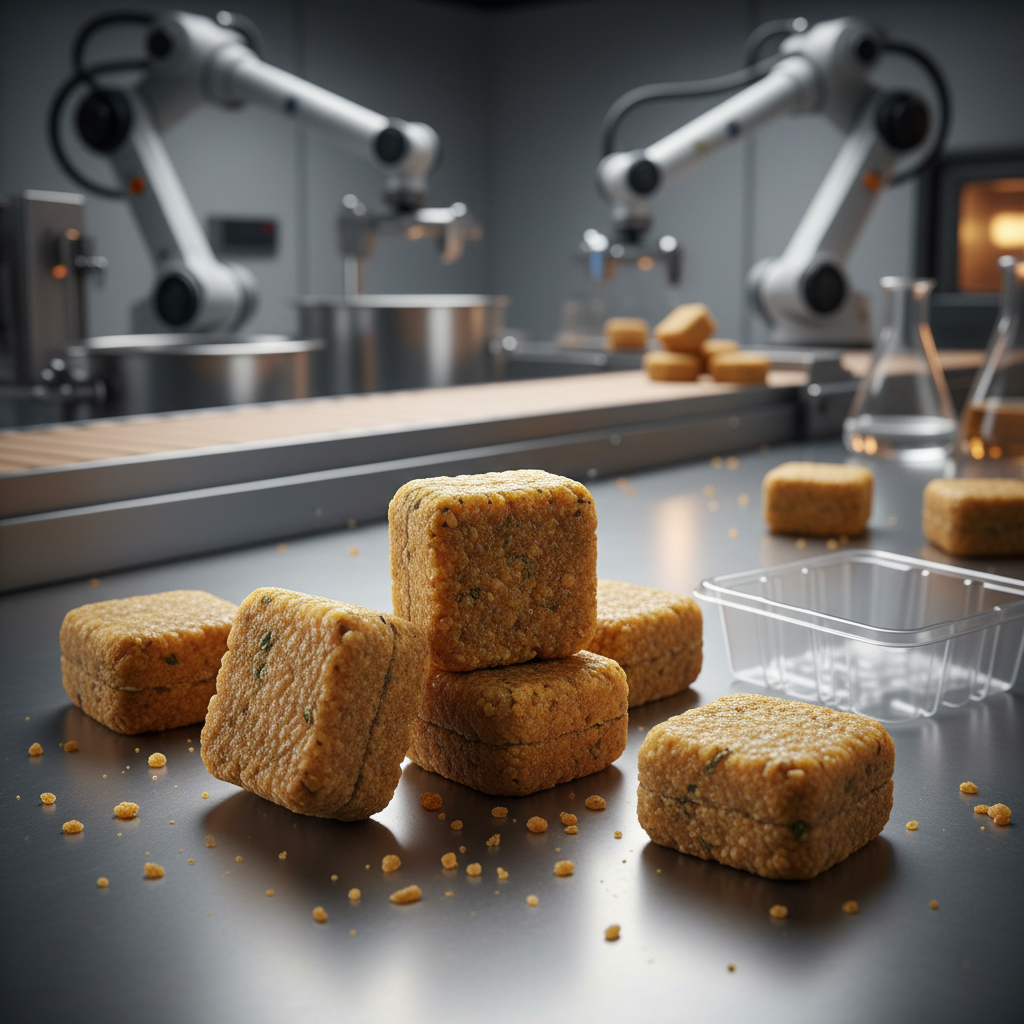
To address the question, is bouillon the same as stock concentrate, we must first look at the form. Bouillon typically refers to a dehydrated, compressed cube or powder that contains a mix of salt, flavor enhancers (like MSG), and a small percentage of meat or vegetable extracts. It is designed for quick dissolution in boiling water, prioritizing convenience and shelf-stability over complex flavor layers.
In contrast, a stock concentrate is a highly reduced liquid or a dense paste. It is created by simmering bones, vegetables, and aromatics for extended periods and then removing a significant portion of the water through vacuum evaporation. This process preserves the natural gelatin and collagen, providing a "mouthfeel" and depth of flavor that a standard bouillon cube simply cannot replicate.
Global Industry Context and Market Demand
On a global scale, the food additive industry has seen a massive shift toward "clean label" ingredients. According to market trends observed in ISO-certified food processing plants, there is a growing push to replace high-sodium bouillon with nutrient-dense concentrates. This shift is driven by consumer health awareness and a demand for transparency in ingredient sourcing.
The challenge the industry faces is balancing this demand for "natural" flavor with the need for logistical efficiency. Transporting water is expensive; hence, the development of advanced stock concentrates allows companies to ship the essence of a flavor without the weight of a full-strength stock. This addresses the logistical nightmare of maintaining a cold chain for fresh stocks while avoiding the artificial taste of traditional bouillon.
Furthermore, in regions where food security is a priority, the ability to produce stable, nutrient-rich concentrates is vital. By understanding the technical answer to is bouillon the same as stock concentrate, NGOs and government agencies can better allocate resources—choosing concentrates for nutritional fortification and bouillon for rapid, low-cost flavor enhancement.
Core Components and Chemical Composition
The chemical makeup of these products provides a definitive answer to whether is bouillon the same as stock concentrate. Bouillon relies heavily on sodium chloride as a preservative and flavor carrier, often utilizing maltodextrin as a bulking agent to maintain the cube's structure.
Stock concentrates, however, are characterized by a high concentration of amino acids and dissolved collagen. Because they are reduced rather than chemically dehydrated, they retain the organic polymers that create the viscous, rich texture associated with authentic slow-cooked stocks, distinguishing them from the thin consistency of bouillon.
When examining the additive profiles, concentrates often contain fewer artificial stabilizers. The natural density of the reduction acts as a preservative, whereas bouillon requires a suite of anti-caking agents and synthetic dyes to ensure a uniform appearance and shelf life over several years.
Key Factors for Industrial Application
When integrating these products into large-scale food manufacturing, the decision hinges on scalability and cost-efficiency. Bouillon is often the choice for low-cost, mass-market instant products where the objective is a consistent, salty profile. However, for premium ready-to-eat meals, the richness of a concentrate is indispensable.
Another critical factor is the "dissolution rate." Bouillon is engineered for instant solubility, making it ideal for dry-mix applications. Concentrates, being more viscous, may require specific blending equipment to ensure a homogeneous distribution within a large batch of sauce or soup.
Comparative Performance: Bouillon vs. Stock Concentrate
Global Applications and Use Cases
In the hospitality sector, specifically within high-volume hotel kitchens across Europe and North America, stock concentrates are preferred for "mother sauces." They provide the essential baseline of flavor that can be customized with fresh herbs, allowing chefs to maintain a standard of quality without spending 24 hours simmering bones for every service.
Conversely, in the fast-food and instant-noodle industries in Asia, the answer to is bouillon the same as stock concentrate is practically irrelevant to the end consumer, as the bouillon-style powder is the primary vehicle for delivering intense, salty flavor profiles at a fraction of the cost and storage space.
Long-term Value and Economic Advantages
From a procurement perspective, the long-term value of stock concentrates lies in their versatility. While the initial price per kilogram may be higher than bouillon, the potency is significantly greater. A small amount of concentrate can replace a large volume of water and multiple bouillon cubes, reducing overall ingredient waste and improving kitchen efficiency.
Sustainability is another major angle. By utilizing concentrates, food manufacturers can reduce the carbon footprint associated with the transport of liquid stocks. This alignment with "Green Logistics" makes concentrates a more sustainable choice for companies aiming for ESG (Environmental, Social, and Governance) compliance.
Ultimately, the trust a brand builds with its customers depends on flavor authenticity. Moving away from the "chemical" taste often associated with bouillon and toward the natural depth of concentrates enhances the perceived value of the product, allowing for a higher price point and increased customer loyalty.
Future Trends in Flavor Concentration Technology
The future of flavor extraction is moving toward "Cold-Press Concentration" and "Ultrasonic Extraction." These technologies allow manufacturers to remove water and concentrate flavors without using high heat, which can sometimes degrade the delicate volatile compounds of the stock. This means the next generation of concentrates will taste even closer to fresh stock.
Digital transformation is also playing a role. Smart dosing systems in industrial kitchens can now integrate with concentrated flavor dispensers, precisely calculating the amount of concentrate needed based on the batch size, further eliminating the guesswork and waste associated with traditional bouillon cubes.
As we look forward, the blurring line between "additive" and "whole food" will continue. We expect to see "Hybrid Concentrates" that combine the instant solubility of bouillon with the nutritional and flavor profile of a reduction, finally solving the dilemma of is bouillon the same as stock concentrate by merging the best of both worlds.
Technical Comparison of Bouillon and Stock Concentrate Characteristics
| Metric |
Bouillon Cube/Powder |
Stock Concentrate |
Industrial Impact |
| Flavor Profile |
Salty, singular |
Complex, multi-layered |
High for Gourmet |
| Viscosity |
Low (Watery) |
High (Syrupy/Paste) |
Better Mouthfeel |
| Sodium Level |
Very High |
Moderate to High |
Health Compliance |
| Shelf Stability |
Excellent (Years) |
Good (Months/Years) |
Inventory Mgmt |
| Production Method |
Spray Drying/Pressing |
Vacuum Reduction |
Energy Intensive |
| Primary Use |
Quick Home Cooking |
Professional Kitchens |
B2B Scalability |
FAQS
While you can, it is not recommended for high-end culinary applications. Bouillon lacks the gelatin and collagen found in stock concentrates, meaning your sauce will lack the desired thickness and "cling" to the food. It may also introduce an overly salty, artificial taste that masks the other ingredients.
Generally, stock concentrates are the better choice. Bouillon relies on salt as a primary preservative and flavor agent. Many concentrates are produced through reduction, which concentrates the natural flavors of the meat and vegetables, allowing for a reduction in added sodium while maintaining a rich taste.
Bouillon is typically shelf-stable in a cool, dry place. Stock concentrates, depending on their water activity level, may require refrigeration after opening to prevent spoilage. Always check the packaging, but generally, concentrates are more susceptible to temperature fluctuations than dehydrated bouillon.
In terms of price per unit, bouillon is cheaper. However, in terms of "flavor yield," concentrates can be more cost-effective. Because they are more potent, you use less product per liter of finished stock, which can lower the overall cost of ingredients in large-scale production.
Both come in vegan versions. However, be cautious with bouillon, as some "vegetable" versions use animal-derived flavor enhancers. High-quality vegetable stock concentrates typically offer a cleaner label and a more authentic garden-fresh taste than synthetic bouillon powders.
Look for "reduced stock" or "concentrate" as the first ingredient. Avoid products where salt, maltodextrin, or MSG are listed in the top three ingredients. A high-quality concentrate will list actual meat or vegetable extracts and will have a higher viscosity when you examine the product.
Conclusion
To summarize, while they are often used interchangeably in casual conversation, the answer to is bouillon the same as stock concentrate is a definitive no. Bouillon is a convenient, salt-forward, dehydrated product ideal for quick utility, whereas stock concentrate is a nutrient-dense, flavor-rich reduction designed for culinary depth and professional consistency. Understanding these differences allows food manufacturers and chefs to optimize their flavor profiles, manage costs more effectively, and meet the growing consumer demand for authentic, clean-label ingredients.
As food technology continues to evolve, the gap between these two will likely close through innovative extraction methods that provide the convenience of bouillon with the quality of a concentrate. For businesses looking to upgrade their seasoning game and ensure the highest standards of taste and nutrition, investing in high-grade concentrates is the strategic path forward. Visit our website for more professional food additive solutions: www.chinaseasoning.com