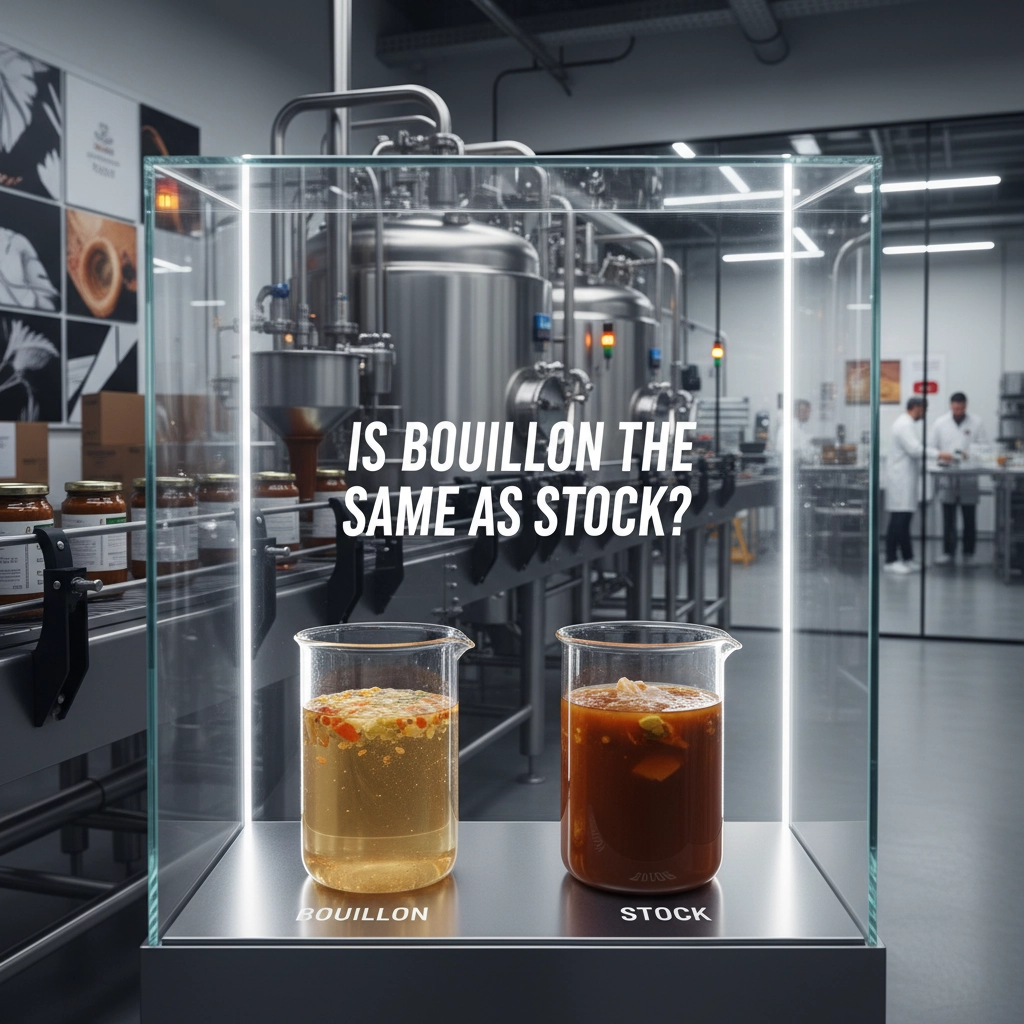
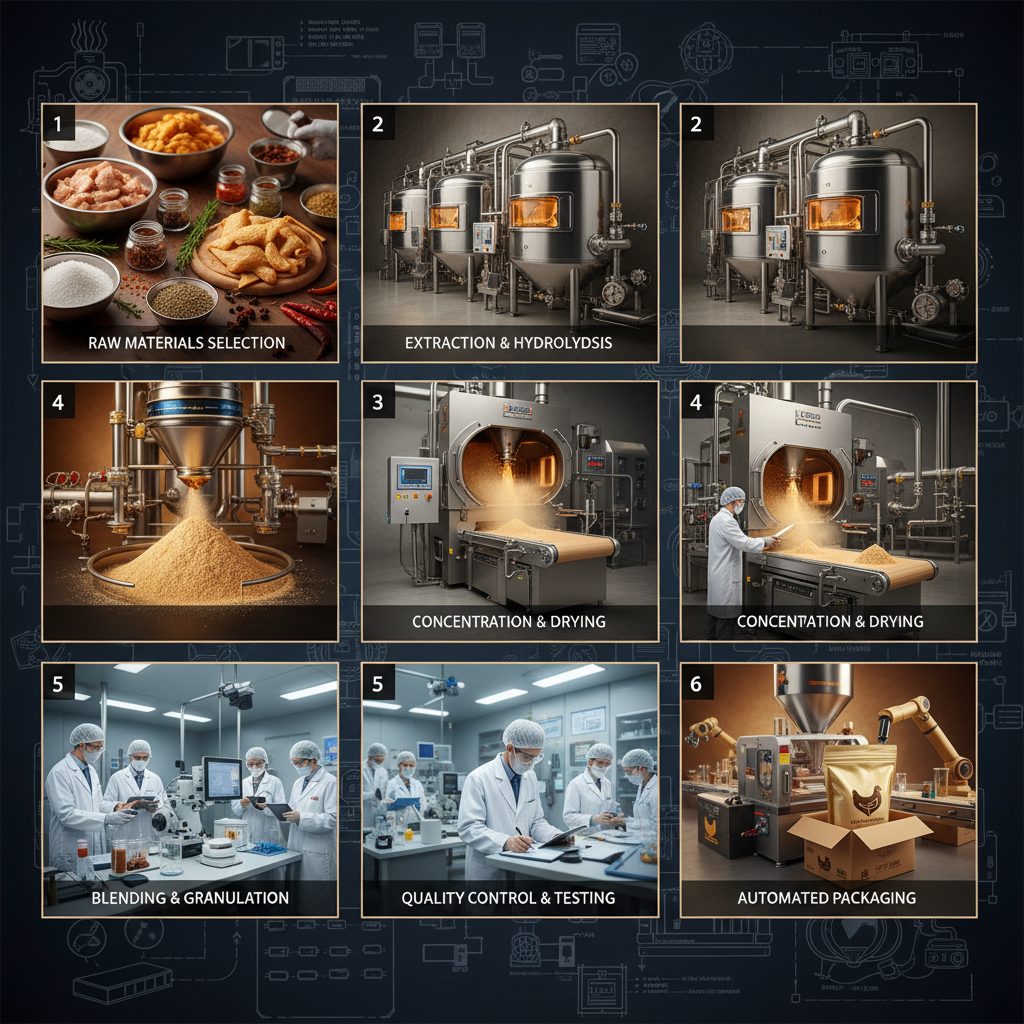
When entering the world of culinary arts or food manufacturing, one of the most frequent questions encountered is: is bouillon the same as stock? While they may seem interchangeable in a quick recipe, the distinction lies in their concentration, production method, and ultimate application in the kitchen or industrial scale. Understanding this difference is crucial for achieving the desired depth of flavor and texture in any savory dish.
From a global perspective, the demand for convenient flavor enhancers has shifted the market toward concentrated forms. The question of whether bouillon is the same as stock is not just a matter of semantics but reflects the evolution of food processing, where traditional slow-simmered liquids are transformed into dehydrated cubes or powders for efficiency and shelf-stability. This transition allows for global distribution of authentic regional tastes.
For professionals in the food additive and seasoning industry, clarifying the nuances between these two is essential for quality control and product formulation. Whether you are a home cook or a procurement manager for a large-scale food facility, knowing the technical differences ensures that the final product maintains consistency, nutritional value, and the precise sensory profile required by consumers.
Fundamental Definitions: Stock vs. Bouillon
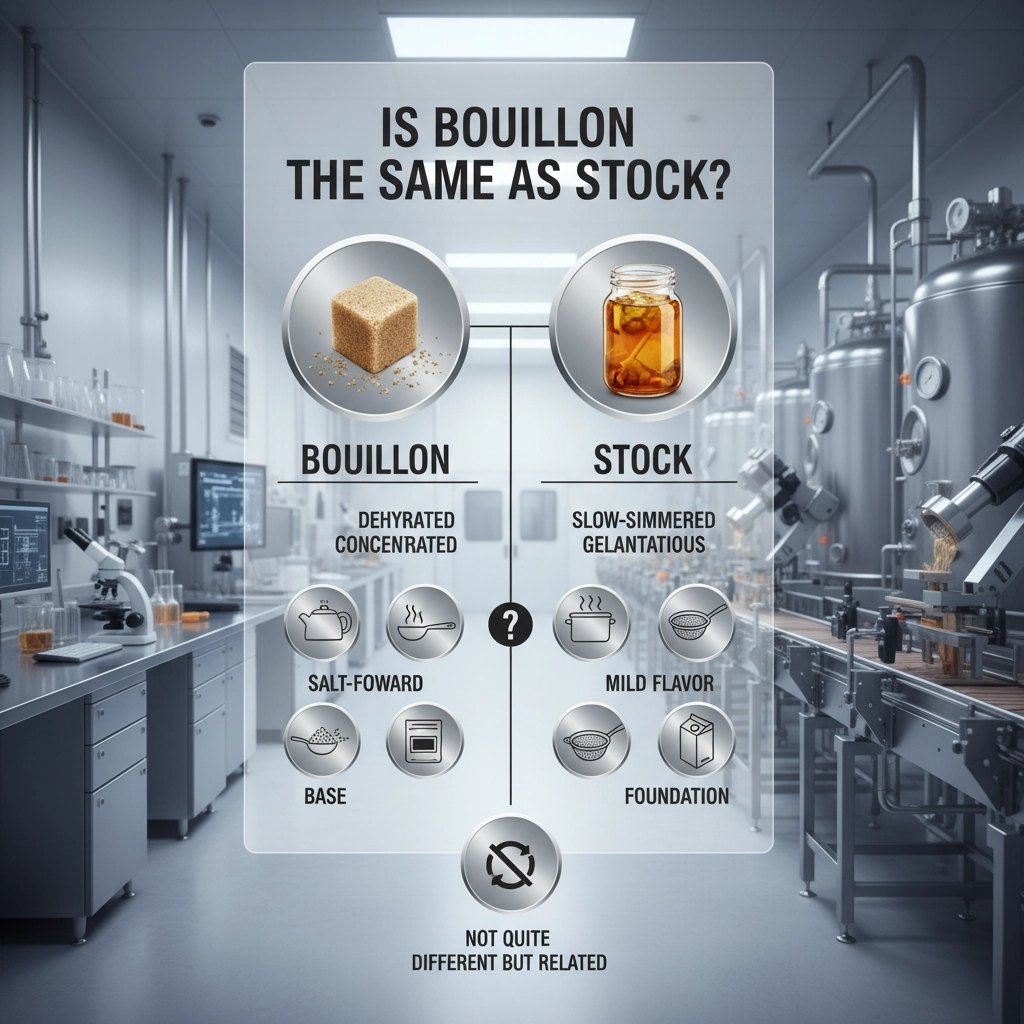
To answer the question "is bouillon the same as stock," we must first look at the roots. Stock is a liquid preparation made by simmering bones, vegetables, and aromatics in water for several hours. This process extracts collagen and minerals, resulting in a rich, body-heavy liquid that serves as a foundational element for soups and sauces. It is characterized by its natural viscosity and purity.
Bouillon, on the other hand, is essentially a concentrated form of stock. While the term can refer to a clear broth, in modern commercial contexts, it typically refers to the dehydrated cubes or granules. It is formulated for convenience, containing salt and often flavor enhancers to mimic the complexity of a long-simmered stock in a fraction of the time.
The Technical Composition of Flavor Bases
The primary difference when analyzing if bouillon is the same as stock lies in the ingredient profile. A traditional stock relies on the physical breakdown of connective tissues (gelatin), which provides a "mouthfeel" that is difficult to replicate in powdered forms. Stocks are typically low in sodium, allowing the chef to control the seasoning throughout the cooking process.
Bouillon is engineered for stability and impact. To achieve a powerful flavor in a small cube, manufacturers utilize salt as a preservative and flavor carrier, alongside yeast extracts and maltodextrin. This makes bouillon a highly efficient "flavor bomb," but it differs from stock in terms of nutritional density and the presence of natural gelatin.
Consequently, while they share a similar flavor profile, the structural composition differs. Stock is a biological extraction, whereas commercial bouillon is a processed food additive designed to provide a consistent, standardized taste across different batches and regions.
Industrial Production and Concentration Methods
In the food manufacturing sector, the debate over is bouillon the same as stock extends to the machinery used. Producing stock requires massive simmering vats and cooling systems to prevent spoilage. It is a volume-heavy process with significant logistics costs due to the weight of the water.
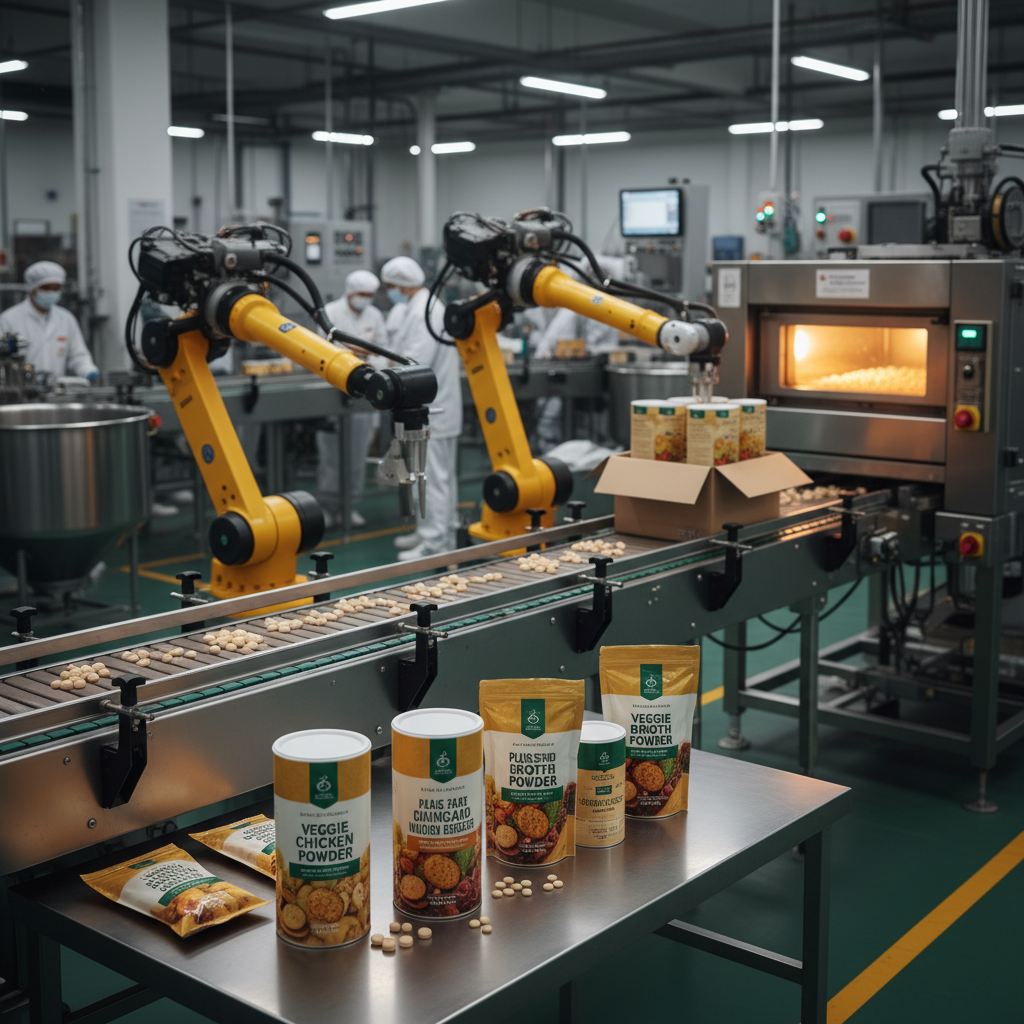
The industrial shift toward bouillon involves spray-drying or freeze-drying technologies. By removing the water content, manufacturers can create a product that is lightweight and shelf-stable for years. This process transforms a perishable liquid stock into a versatile food additive, answering the logistical challenge of providing high-quality flavor bases globally.
Modern automation now allows for the precise blending of proteins and minerals to ensure that the final bouillon cube mimics the organic complexity of a slow-cooked stock. This convergence of technology and gastronomy is why many consumers still ask if bouillon is the same as stock, as the taste gap continues to shrink.
Comparative Performance in Culinary Applications
When applying these ingredients in a professional kitchen, the choice depends on the desired outcome. Stock is preferred for reductions, where the natural gelatin creates a glossy, thick glaze. In contrast, bouillon is ideal for quick-service meals or as a seasoning base for large batches of rice or grains where a light, salty infusion is required.
The versatility of bouillon makes it a staple in food additive manufacturing, especially for the "Hot Products" category. It provides a reliable baseline of flavor that does not vary by season or source material, unlike fresh stock which can fluctuate in intensity based on the quality of the bones or vegetables used.
Performance Metrics: Stock vs. Bouillon Application
Global Market Trends for Seasoning Agents
The global market for flavor enhancers is seeing a surge in "clean label" bouillon. Consumers are moving away from high-sodium options and are demanding products that blur the line between processed bouillon and natural stock. This has led to the development of low-salt, organic bouillon powders that use natural fermentation to achieve depth.
In regions like Asia and Europe, where traditional stock-making is a cultural cornerstone, there is a growing hybrid market. Manufacturers are now offering "liquid concentrates" that provide the convenience of bouillon with the viscosity and mouthfeel of a traditional stock, effectively solving the dilemma of is bouillon the same as stock by merging the two.
Cost-Benefit Analysis for Food Manufacturers
For a large-scale food manufacturer, the decision to use bouillon over stock is driven by economics. Producing fresh stock requires immense energy for boiling and significant refrigeration for storage. The cost per liter is high, and the waste management of organic solids (bones/vegetables) adds an operational burden.
Bouillon offers an unmatched ROI in terms of storage space and logistics. Because it is a concentrated food additive, a small warehouse can store the flavor equivalent of thousands of gallons of stock. This scalability allows manufacturers to maintain lean inventories while ensuring a consistent taste profile across global production lines.
Furthermore, the stability of bouillon reduces the risk of batch failure. While a stock can spoil or vary in flavor due to ingredient quality, bouillon is a standardized product. This reliability is essential for brands that must guarantee the same taste in New York as they do in Tokyo.
Future Innovations in Dehydrated Bases
The future of flavor bases lies in biotechnology. We are seeing the rise of precision fermentation, where yeast is programmed to produce specific proteins and flavor molecules that mimic the exact profile of a long-simmered bone stock. This will eventually make the answer to "is bouillon the same as stock" a resounding "yes" in terms of sensory experience.
Sustainability is also driving innovation. Manufacturers are exploring the use of upcycled ingredients—extracting flavors from food waste to create eco-friendly bouillon. This aligns with global ISO standards for sustainability and reduces the carbon footprint associated with livestock-based stock production.
Digital transformation in the lab is allowing for "molecular mapping" of traditional stocks. By analyzing the chemical composition of a 24-hour veal stock, chemists can recreate that exact profile in a soluble powder, ensuring that the convenience of bouillon no longer comes at the cost of culinary integrity.
Comparative Analysis of Stock and Bouillon Characteristics
| Feature Dimension |
Traditional Stock |
Commercial Bouillon |
Impact on Production |
| Viscosity |
High (Gelatinous) |
Low (Watery) |
Affects Sauce Thickness |
| Sodium Level |
Very Low |
Very High |
Controls Flavor Intensity |
| Shelf Life |
Days (Refrigerated) |
Years (Dry) |
Reduces Food Waste |
| Prep Time |
6-24 Hours |
Instant |
Increases Throughput |
| Cost Structure |
Labor Intensive |
Material Intensive |
Optimizes OpEx |
| Consistency |
Variable |
Standardized |
Ensures Brand Quality |
FAQS
Yes, but with caution. Since bouillon is highly concentrated and salty, you should reduce the additional salt in your recipe. If the recipe calls for the "body" or thickness of a stock (like in a risotto or a reduction), bouillon may leave the dish feeling slightly thin. To compensate, some chefs add a pinch of cornstarch or a small amount of gelatin to the bouillon liquid.
Generally, homemade stock is healthier because it contains natural collagen, minerals, and is free from artificial preservatives or excessive sodium. Commercial bouillon is designed for flavor and shelf-life, often containing MSG or high levels of salt. However, organic and low-sodium bouillon options are becoming more available for health-conscious consumers.
Bouillon is cheaper primarily due to the removal of water and the use of industrial-scale processing. The cost of shipping water is immense; by dehydrating the product, manufacturers drastically reduce shipping and storage costs. Additionally, bouillon uses standardized flavor extracts and additives that are more cost-effective than sourcing high-grade bones and fresh vegetables for every batch.
Bouillon cubes and powders should be stored in a cool, dry place in airtight containers. Because they are hygroscopic (they absorb moisture from the air), exposure to humidity can cause them to clump or lose potency. Keeping them away from heat sources and moisture ensures the flavor additives remain stable for the duration of their shelf life.
Absolutely. Vegetable bouillon is the most common vegan alternative, created by concentrating yeast, salt, and vegetable extracts. While it lacks the animal-based gelatin of meat stock, modern food additives like agar-agar or modified starches are often used to replicate the mouthfeel, making vegan bouillon a viable substitute in most savory applications.
Check the ingredient list. A true stock will list ingredients like "beef bones," "carrots," and "water" as primary components and will usually be found in the refrigerated section or as a frozen concentrate. Bouillon will typically list "salt," "maltodextrin," "flavorings," and "hydrolyzed protein" as top ingredients and be sold in dry form (cubes/powder).
Conclusion
In summary, while the question "is bouillon the same as stock" may seem simple, the answer reveals a complex relationship between traditional culinary art and modern food science. Stock provides the raw, organic depth and structural body essential for high-end gastronomy, while bouillon provides the efficiency, stability, and consistency required by the global food industry. Both serve a vital purpose: one as a foundational craft and the other as a high-performance additive.
As we look forward, the gap between these two will continue to narrow through biotechnological innovation and a commitment to clean-label ingredients. For manufacturers and chefs alike, the key is to choose the right tool for the specific application—prioritizing stock for texture and purity, and bouillon for scale and speed. To discover more about high-quality food additives and seasoning solutions, visit our website: www.chinaseasoning.com