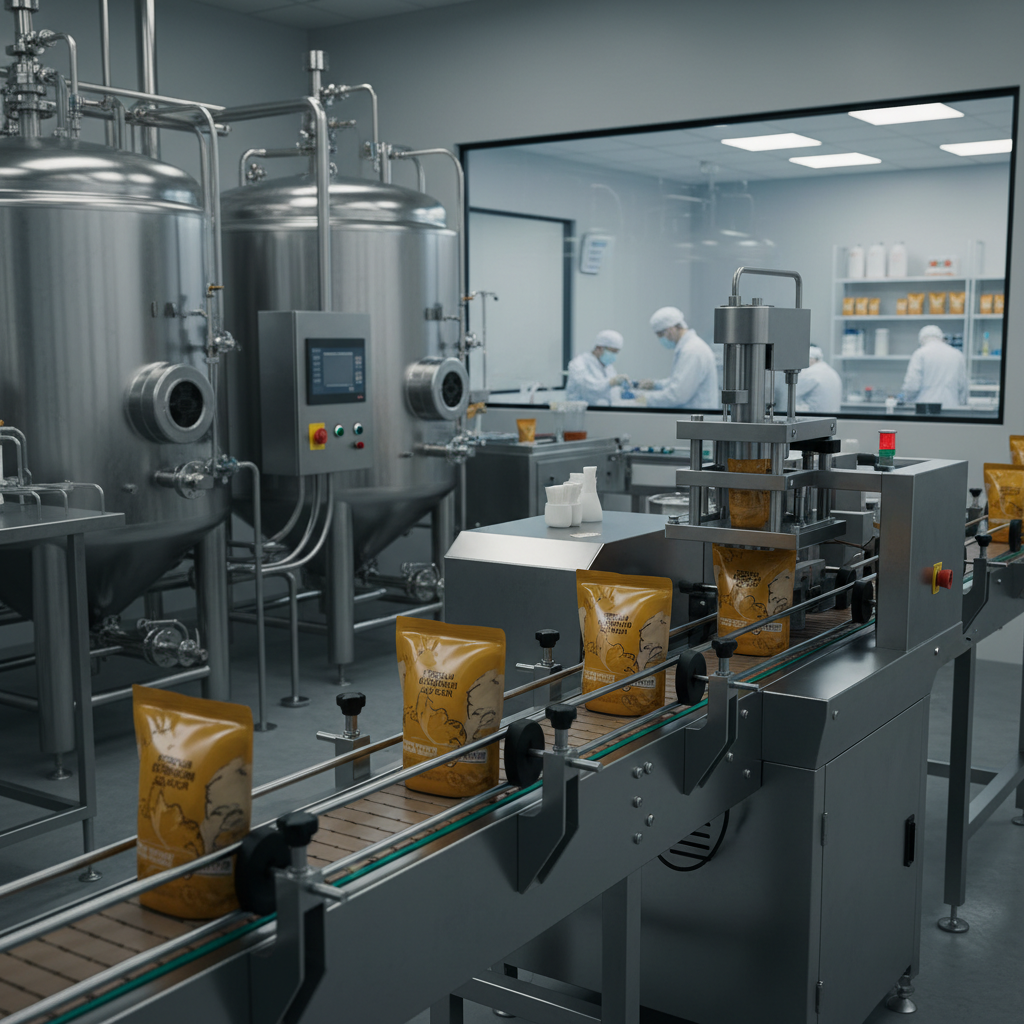
In the fast-paced world of modern culinary arts and industrial food production, the efficiency of flavor delivery is paramount. The 1 cube bouillon stands as a cornerstone of convenience, offering a concentrated burst of savory depth that transforms simple ingredients into gourmet experiences. By condensing complex stocks into a portable, shelf-stable format, these cubes have revolutionized how both home cooks and commercial kitchens manage taste consistency.
Beyond simple convenience, the global demand for high-quality 1 cube bouillon is driven by the need for standardized flavor profiles across diverse geographical regions. Whether it is providing essential nutrients in humanitarian food aid or ensuring a signature taste in a franchise restaurant chain, the precision of a single cube ensures that quality is never compromised by human error during the measurement process.
Understanding the chemistry and manufacturing behind the 1 cube bouillon allows producers to optimize for health, such as reducing sodium levels without sacrificing the "umami" punch. As we delve deeper into the technical aspects of food additives and compression technology, it becomes clear that this small cube is a marvel of food engineering that balances cost, logistics, and sensory satisfaction.
Global Industry Context of 1 Cube Bouillon
The global market for concentrated seasonings has seen an unprecedented surge, with the 1 cube bouillon becoming a staple in emerging economies. Data from food industry analysts suggest that the demand for dehydrated flavor enhancers grows in tandem with urbanization, as consumers seek faster meal preparation methods that do not compromise on traditional tastes. The ability to transport high-flavor concentrations with minimal weight makes it an essential tool for global food security and trade.
However, the industry faces the challenge of balancing intense flavor with nutritional transparency. As ISO standards for food additives become more stringent, manufacturers are tasked with refining the 1 cube bouillon to meet clean-label demands. The transition from synthetic flavor enhancers to natural extracts is now a primary driver of innovation in the food additive sector, ensuring that convenience does not come at the cost of health.
Definition and Technical Meaning of 1 Cube Bouillon
At its most basic level, a 1 cube bouillon is a dehydrated, compressed block of seasonings, salts, and flavor extracts designed to be dissolved in boiling water to create a savory stock. Unlike liquid bases, the cube format utilizes advanced dehydration techniques to remove water, significantly extending shelf life and reducing the risk of microbial contamination.
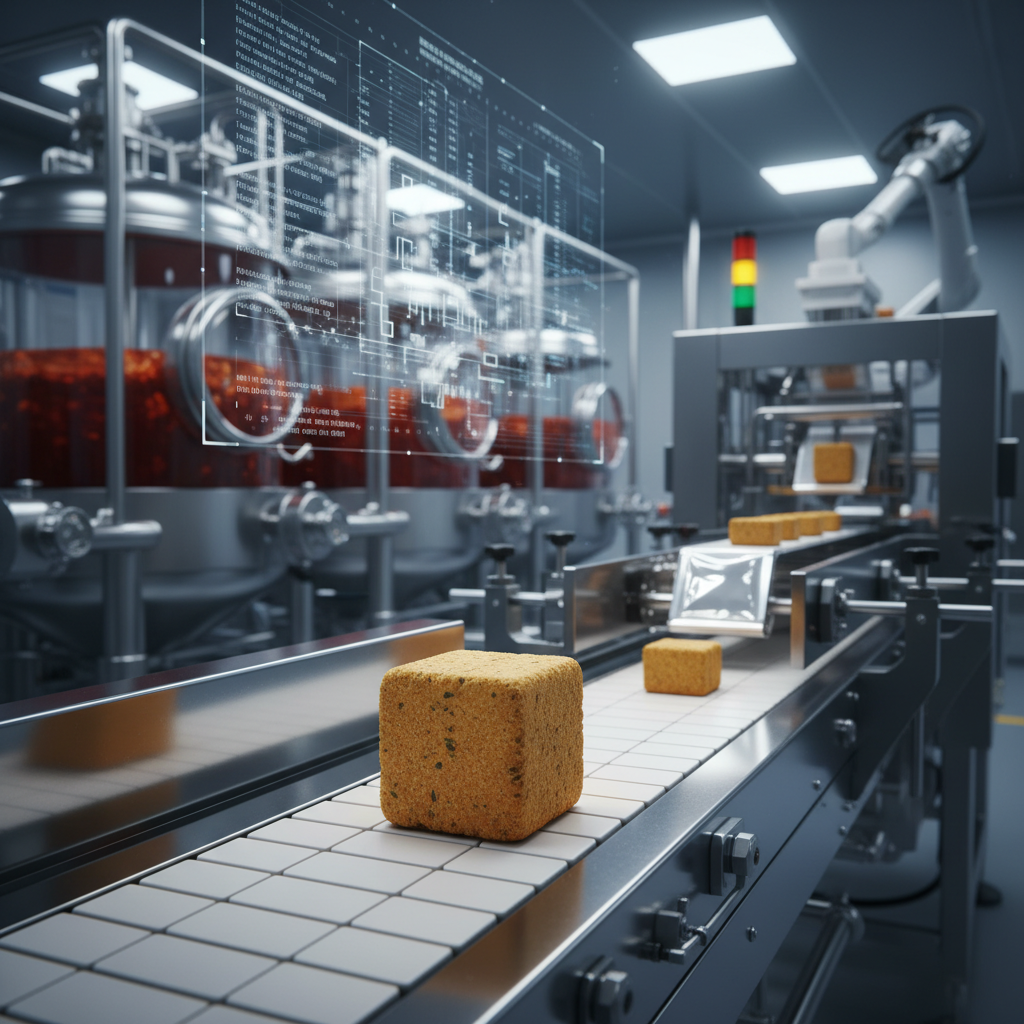
Technically, the production of a 1 cube bouillon involves the precise blending of powders—including maltodextrin, salt, and hydrolyzed vegetable proteins—which are then subjected to high-pressure compression. This process creates a dense matrix that remains stable at room temperature but disintegrates rapidly upon contact with hot water, ensuring a homogenous distribution of flavor.
In the context of modern humanitarian needs, this format is invaluable. For NGOs operating in disaster-prone areas, the 1 cube bouillon serves as a critical tool for making bland emergency rations palatable and nutrient-dense, proving that a small piece of food engineering can have a massive social impact.
Core Components and Quality Factors
The structural integrity and taste profile of a 1 cube bouillon depend heavily on its binding agents. Ingredients like palm oil or hydrogenated fats are often used to ensure the cube holds its shape during shipping while facilitating a smooth melt-in-mouth experience when dissolved.
Flavor consistency is the most critical quality factor for 1 cube bouillon. This is achieved through the use of high-grade food additives and precise ratio controls, ensuring that every single cube delivers the exact same saltiness and aroma, regardless of the batch or production date.
Furthermore, the scalability of production relies on the efficiency of the compression machinery. A high-quality 1 cube bouillon must be hard enough to resist crumbling but porous enough to dissolve within minutes, a delicate balance achieved through calibrated pressure settings.
Practical Applications and Use Cases
The versatility of the 1 cube bouillon extends far beyond the domestic kitchen. In the hospitality industry, large-scale catering services utilize these concentrated cubes to maintain flavor uniformity across thousands of servings, eliminating the variance that occurs when simmering fresh bones for hours.
In remote industrial zones, such as mining camps or offshore oil rigs, the 1 cube bouillon is the gold standard for nutrition. Due to limited refrigeration and storage space, these cubes provide a reliable way to introduce essential savory notes and salts into a restricted diet, enhancing the morale and well-being of workers in extreme environments.
Efficiency Rating of 1 Cube Bouillon Production Methods
Long-Term Value and Economic Advantages
From a commercial perspective, the 1 cube bouillon offers immense cost-efficiency. By reducing the water content, manufacturers drastically lower shipping costs and storage requirements. This logistical leaness allows brands to penetrate lower-income markets where the cost of fresh stock is prohibitively high, thereby expanding their customer base and increasing social accessibility to flavor.
Beyond the balance sheet, the long-term value lies in reliability and trust. When a consumer uses a 1 cube bouillon, they are buying a guaranteed outcome. This psychological safety—knowing that the meal will taste exactly as expected—builds strong brand loyalty and ensures that the product remains a staple in the household pantry for generations.
Future Trends in Bouillon Innovation
The future of the 1 cube bouillon is inextricably linked to the "green" revolution. We are seeing a shift toward sustainable sourcing, where the fats used for binding are replaced by plant-based, non-GMO alternatives. Digital transformation is also playing a role, with AI-driven flavor profiling allowing companies to create hyper-regionalized bouillon cubes that mimic local street food flavors with pinpoint accuracy.
Automation in the manufacturing process is reducing waste and increasing the precision of the 1 cube bouillon's composition. New additive technologies are enabling the fortification of these cubes with vitamins and minerals, turning a simple seasoning tool into a functional food that combats micronutrient deficiencies in developing nations.
Furthermore, the trend toward "Clean Label" products is pushing manufacturers to eliminate MSG and artificial dyes. The next generation of 1 cube bouillon will likely rely on fermentation-derived umami enhancers, blending ancient biotechnology with modern industrial efficiency to satisfy the health-conscious consumer.
Overcoming Industry Challenges in Production
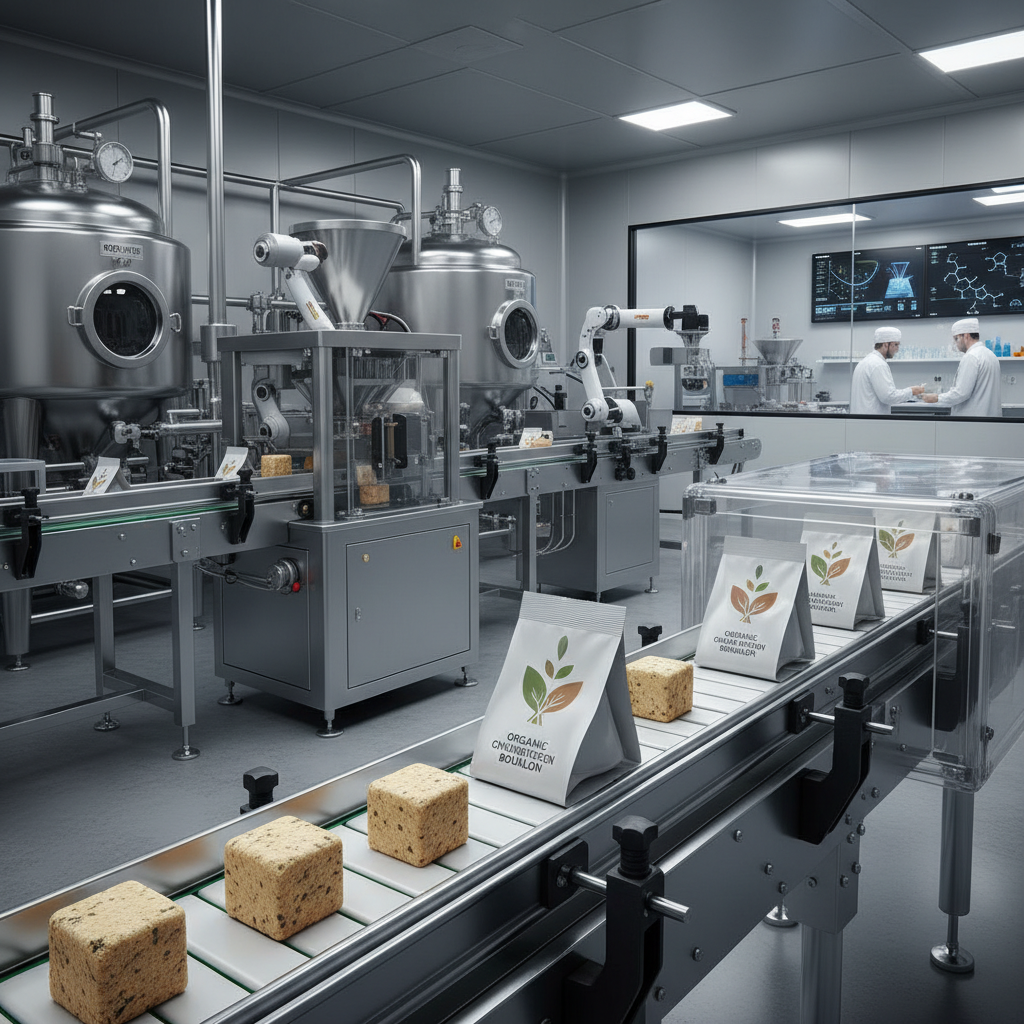
One of the primary challenges in producing a 1 cube bouillon is the prevention of "caking" or hardening over time. Humidity can cause the compressed powder to bond too tightly, making it difficult to dissolve. The industry solution involves advanced moisture-barrier packaging and the strategic addition of anti-caking agents that are safe for consumption but effective at the molecular level.
Another hurdle is the reduction of sodium levels without compromising the flavor profile. Since salt acts as both a preservative and a flavor enhancer in the 1 cube bouillon, removing it can lead to a bland product. Expert food chemists are now utilizing potassium salts and yeast extracts to maintain the savory experience while adhering to heart-healthy guidelines.
Finally, ensuring the sustainability of the supply chain for raw ingredients remains a complex task. By implementing blockchain tracking for the spices and fats used in 1 cube bouillon, manufacturers can guarantee ethical sourcing and transparency, meeting the demands of the modern, socially conscious global consumer.
Comparative Analysis of 1 Cube Bouillon Formulation Standards
| Formulation Type |
Dissolution Speed |
Shelf Stability |
Umami Intensity |
| Standard MSG-Based |
Very Fast |
High |
10/10 |
| Organic/Clean Label |
Moderate |
Medium |
7/10 |
| Low-Sodium Version |
Fast |
High |
6/10 |
| Vegan-Fortified |
Moderate |
High |
8/10 |
| Industrial Grade |
Very Fast |
Very High |
9/10 |
| Artisan Compressed |
Slow |
Medium |
9/10 |
FAQS
The efficiency stems from the removal of water, which reduces weight and volume. This lowers transportation costs and eliminates the need for refrigeration, providing a shelf-stable alternative that maintains a consistent flavor profile across different batches, which is nearly impossible with fresh liquid stocks in large-scale operations.
Due to the low water activity (aw) and the presence of salts and binding fats, bouillon cubes are highly resistant to spoilage. When stored in moisture-proof packaging, they can remain stable for 12 to 24 months even in tropical climates, making them ideal for global export.
Depending on the formulation, yes. Many manufacturers now offer a 1 cube bouillon that uses vegetable extracts and plant-based fats instead of animal-derived ingredients, ensuring compliance with vegan, Halal, and Kosher dietary requirements.
Yes, by utilizing umami-rich alternatives such as yeast extracts, mushroom powders, and potassium chloride. These ingredients trick the taste buds into perceiving saltiness and depth, allowing for a significant reduction in sodium while maintaining the savory profile.
Proper storage is key. Ensure the cubes are kept in an airtight container away from direct sunlight and humidity. Using high-quality foil packaging helps prevent moisture ingress, which is the primary cause of over-compression or "caking" in bouillon products.
Buyers should ensure the manufacturer provides a Certificate of Analysis (CoA) and adheres to ISO and FDA standards. Working with experienced exporters who understand the customs regulations regarding food additives ensures a smooth transition from the factory to the destination market.
Conclusion
The 1 cube bouillon is far more than a simple kitchen shortcut; it is a sophisticated product of food science that addresses global challenges of logistics, cost, and flavor standardization. From its technical composition as a compressed matrix of savory enhancers to its role in humanitarian aid and industrial catering, it provides an unmatched balance of convenience and quality.
As we move toward a future defined by sustainable sourcing and health-conscious consumption, the bouillon cube will continue to evolve. By integrating plant-based binders and natural umami sources, the industry can ensure that this essential tool remains relevant in a world demanding both transparency and taste. To explore high-quality additive solutions for your own production, visit our website: www.chinaseasoning.com