The global food industry relies heavily on precision chemistry to enhance flavor profiles and nutritional consistency, and monosodium glutamate salt stands as one of the most influential additives in this regard. By isolating the essence of "umami"—the fifth basic taste—this compound allows manufacturers to create savory experiences that resonate across diverse culinary cultures, from processed snacks to high-end pharmaceutical-grade nutritional supplements.
Understanding the chemical properties and application standards of monosodium glutamate salt is crucial for businesses operating within the food additive and pharmaceutical intermediate sectors. As consumer demand shifts toward transparency and clean-labeling, the industry is witnessing a transition toward more sustainable fermentation processes, ensuring that this flavor enhancer meets rigorous safety and quality certifications worldwide.
Whether utilized as a primary seasoning or a critical component in feed additives to stimulate appetite in livestock, the versatility of monosodium glutamate salt makes it a cornerstone of modern agricultural and food science. This guide explores its industrial significance, the technical factors driving its efficacy, and the evolving trends that are shaping its future in the global marketplace.
Global Industry Context of Monosodium Glutamate Salt
On a global scale, the market for monosodium glutamate salt is driven by the rapid urbanization of Asia-Pacific and Latin American regions, where processed convenience foods are seeing unprecedented growth. According to industry standards aligned with ISO and FAO guidelines, the demand for efficient flavor enhancers has led to a sophisticated supply chain that balances large-scale fermentation with stringent purity requirements to meet both food-grade and pharmaceutical-grade specifications.
However, the industry faces the persistent challenge of public perception and regulatory scrutiny regarding synthetic additives. To combat this, leading manufacturers are integrating advanced biotechnology to produce the salt through natural fermentation of sugar beets or sugarcane, effectively aligning the product with "natural" labels while maintaining the chemical potency required for commercial stability.
Technical Definition and Chemical Nature
In its simplest terms, monosodium glutamate salt is the sodium salt of glutamic acid, an amino acid found naturally in many foods like tomatoes and aged cheeses. Chemically, it acts by stimulating the umami receptors on the tongue, which signals the brain that a food is protein-rich and savory, thereby enhancing the overall palatability of the product without requiring excessive amounts of sodium chloride.
Within the context of modern industry, this compound is more than just a seasoning; it is a critical tool for nutritional fortification and taste standardization. In pharmaceutical intermediates, the purity of the glutamic acid precursor is paramount, as it serves as a building block for various medical syntheses, demonstrating the bridge between basic food additives and complex biochemistry.
The humanitarian application of this salt is also notable in the production of fortified emergency food rations. By incorporating monosodium glutamate salt, agencies can increase the caloric intake of malnourished populations by making nutrient-dense but bland pastes more palatable, ensuring higher compliance with feeding programs in crisis zones.
Core Components of High-Quality Production
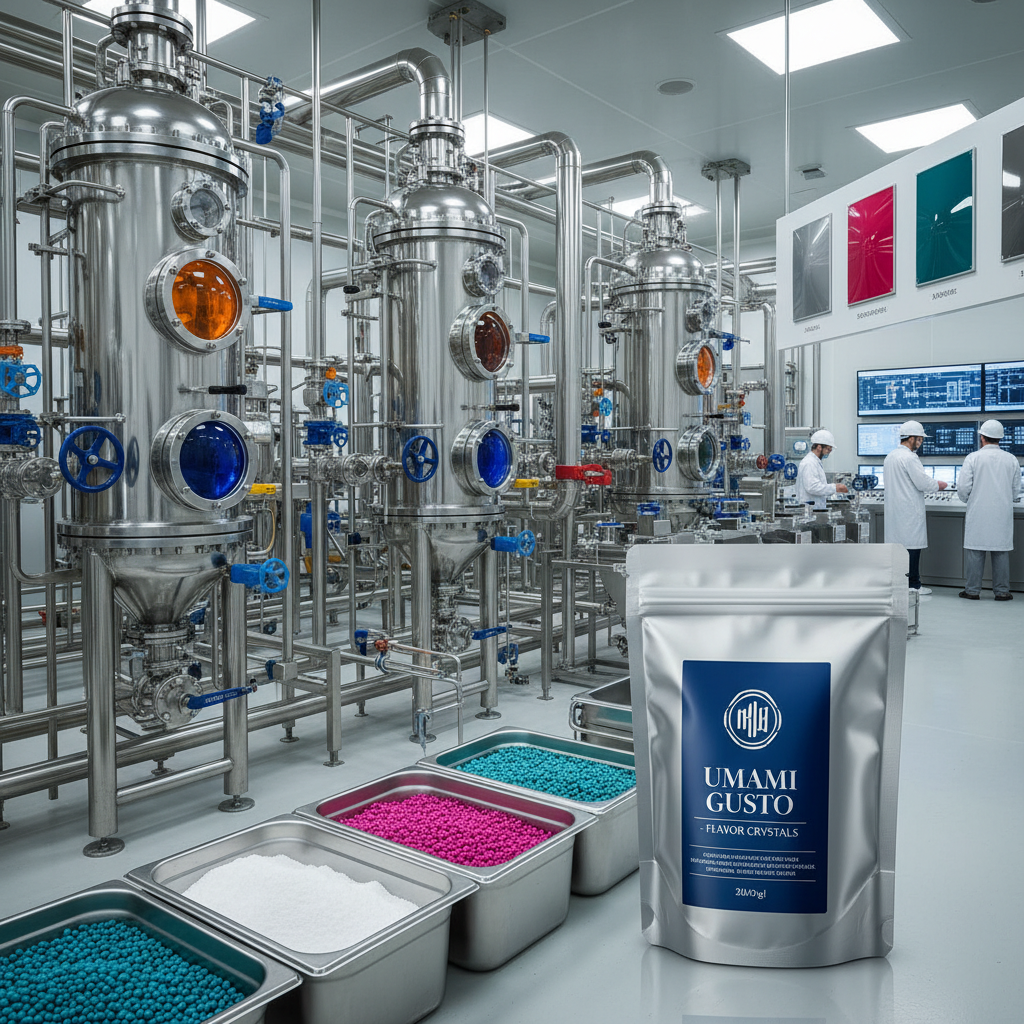
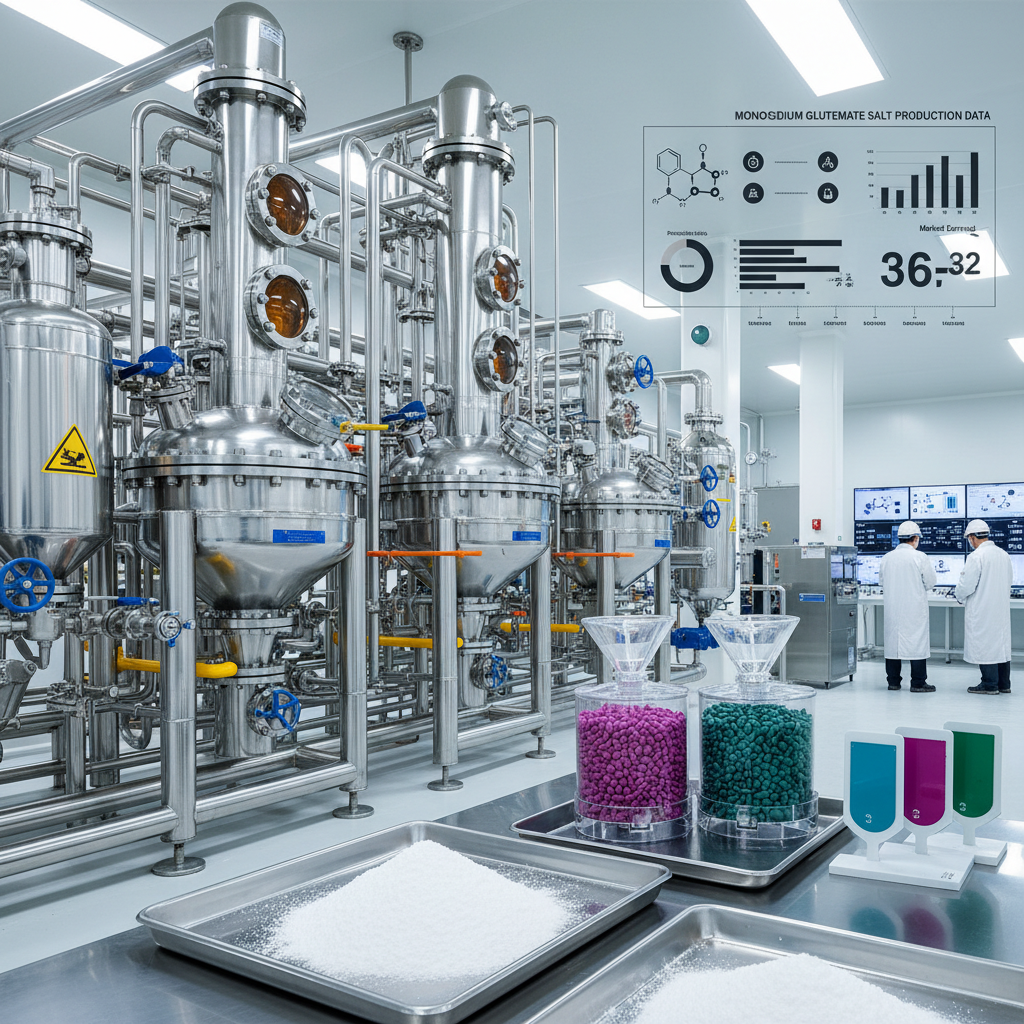
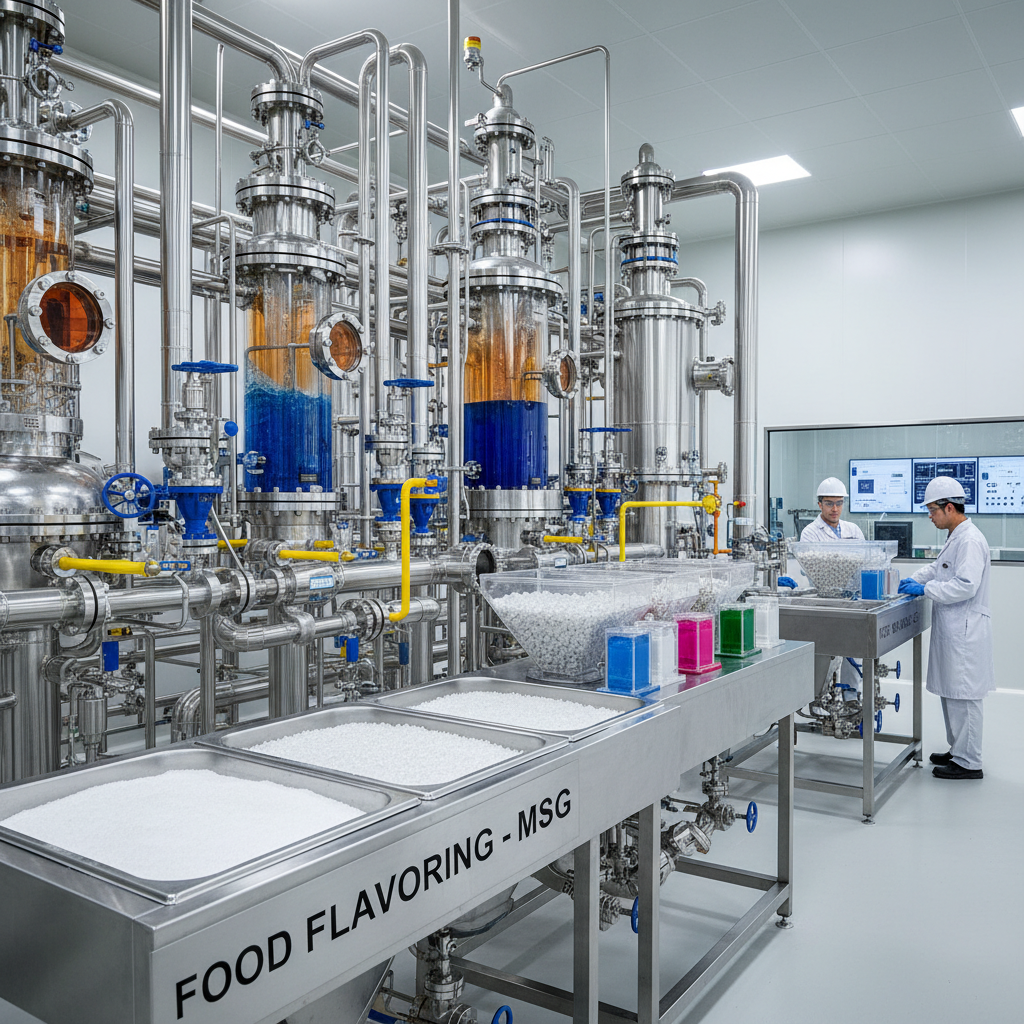
The efficacy of monosodium glutamate salt depends heavily on its crystalline purity. Manufacturers focus on the precision of the fermentation process, utilizing specific strains of Corynebacterium glutamicum to maximize the yield of L-glutamic acid, which is then neutralized with sodium hydroxide to form the final salt.
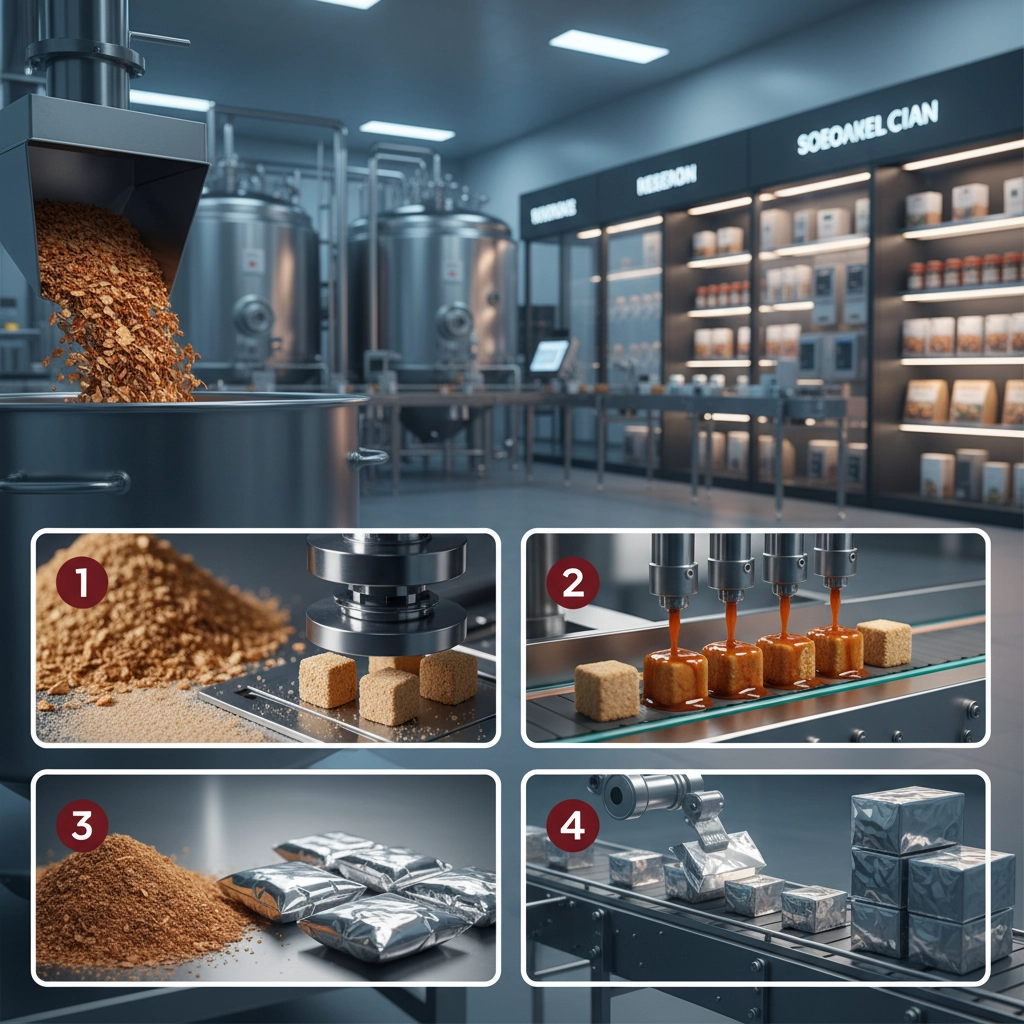
Scalability is another core component; the ability to produce thousands of tons while maintaining a consistent particle size and moisture content is what separates industrial-grade suppliers from boutique labs. This consistency ensures that when the salt is integrated into automated food production lines, the flavor distribution remains uniform across millions of units.
Finally, cost-efficiency is achieved through the integration of circular economy principles, where the fermentation by-products are repurposed as organic fertilizers. This reduces the overall environmental footprint of monosodium glutamate salt production, making it a more sustainable choice for global supply chains.
Global Applications and Industrial Use Cases
The application of monosodium glutamate salt extends far beyond the kitchen. In the livestock industry, it is utilized as a Feed Additive to stimulate the appetite of piglets and calves, promoting faster growth rates and improving feed conversion ratios. This is particularly vital in remote industrial farming zones where nutrient absorption must be optimized to reduce costs.
In the realm of pharmaceutical intermediates, the high-purity salts are used in the synthesis of various drugs and as stabilizers in specific medical formulations. Furthermore, in the food processing sectors of Southeast Asia and Europe, it is an essential component in the creation of savory snacks and frozen meals, providing a consistent taste profile that survives the freezing and reheating process.
Comparative Performance of Monosodium Glutamate Salt Variants
Long-Term Value and Economic Advantages
The long-term value of integrating monosodium glutamate salt into food formulations lies in its ability to reduce total sodium intake. Because MSG provides a powerful savory punch with significantly less sodium than table salt, manufacturers can reduce overall sodium levels in their products—a key health goal for global populations fighting hypertension—without sacrificing taste.
From an economic perspective, the high potency of the salt means that very small quantities are required to achieve a significant effect. This reduces shipping costs, storage requirements, and raw material expenditure, providing a tangible competitive advantage for large-scale food manufacturers who operate on thin margins.
Future Trends and Green Innovations
The future of monosodium glutamate salt is inextricably linked to the digital transformation of the manufacturing plant. "Smart Fermentation" using AI-driven sensors is now being implemented to monitor pH and nutrient levels in real-time, ensuring that the microorganisms produce the highest possible yield of glutamic acid with minimal waste.
Sustainability is also driving a shift toward "Green Chemistry." New catalysts and bio-engineered enzymes are reducing the energy required for the crystallization phase, lowering the carbon footprint of the production cycle. This evolution allows the product to fit into the "Circular Bioeconomy" framework, where waste is designed out of the system.
Moreover, we are seeing a trend toward specialized, micronized versions of monosodium glutamate salt. These ultra-fine powders dissolve faster and blend more seamlessly into a wider array of Pharmaceutical Intermediates, opening new doors for nutraceuticals and targeted dietary supplements.
Challenges and Professional Solutions
One of the primary challenges facing the industry is the "clean label" movement, where consumers avoid ingredients they perceive as artificial. To solve this, experts are moving toward "Yeast Extracts" and "Hydrolyzed Vegetable Proteins," which naturally contain high levels of the glutamate ion, effectively providing the same benefits of monosodium glutamate salt while appealing to the eco-conscious consumer.
Another limitation is the susceptibility of the crystals to clumping in high-humidity environments. Professional solutions include the use of advanced anti-caking agents or the development of encapsulated salts that release the flavor only upon heating or hydration, ensuring a longer shelf life and better product stability.
Lastly, regulatory discrepancies between different regions (e.g., EU vs. US FDA) can complicate international trade. The solution lies in adopting the most stringent global standard as the baseline for all production, ensuring that every batch of monosodium glutamate salt is compliant with the strictest safety protocols regardless of its destination.
Analysis of Monosodium Glutamate Salt Quality and Application Metrics
|
Product Grade
|
Purity Level (%)
|
Primary Application
|
Stability Score (1-10)
|
| Pharmaceutical Grade |
99.9% |
Medical Synthesis |
10 |
| Food Grade (Premium) |
99.0% |
Processed Foods |
9 |
| Industrial Grade |
95.0% |
Bulk Seasoning |
7 |
| Feed Additive Grade |
90.0% |
Animal Nutrition |
8 |
| Technical Grade |
85.0% |
Chemical Precursor |
6 |
| Organic-Certified Grade |
98.0% |
Clean Label Products |
9 |
FAQS
Yes, monosodium glutamate salt is recognized as safe (GRAS) by the FDA and other global health authorities. When used within recommended dosage levels, it is processed by the body in the same way as naturally occurring glutamates found in proteins, making it a safe and effective tool for flavor enhancement in global food supply chains.
While table salt (sodium chloride) primarily provides "saltiness," monosodium glutamate salt provides "umami," a savory, meaty taste. Because it is more potent in taste perception, it allows manufacturers to reduce the total amount of sodium chloride in a product while maintaining or enhancing the overall flavor profile.
Absolutely. In the feed additive industry, it is used to improve the palatability of feed for livestock, particularly for young animals that are transitioning to solid food. This stimulation of appetite helps in achieving better growth rates and overall health through improved nutrient intake.
To maintain the crystalline structure of monosodium glutamate salt, it should be stored in a cool, dry environment in airtight containers. Using moisture-barrier packaging such as multi-layer polyethylene bags is highly recommended for industrial quantities to prevent hygroscopic absorption of atmospheric moisture.
Yes, yeast extracts and hydrolyzed vegetable proteins are common natural alternatives. These are produced through the enzymatic breakdown of proteins, which releases natural glutamates. While they provide a similar umami effect, they are often more expensive and may have slightly different flavor notes than pure MSG salt.
Pharmaceutical-grade monosodium glutamate salt is verified using High-Performance Liquid Chromatography (HPLC) and titration methods to ensure the absence of impurities and a purity level typically exceeding 99.9%. This ensures that it is safe for use as a precursor in medical syntheses.
Conclusion
In summary, monosodium glutamate salt remains an indispensable asset across the food, feed, and pharmaceutical industries. From its ability to reduce overall sodium levels to its role in enhancing animal growth and medical synthesis, the compound's versatility is matched only by its economic efficiency. By focusing on high purity, sustainable fermentation, and innovative delivery methods, manufacturers can continue to leverage this salt to meet the evolving demands of a global population.
Looking forward, the integration of AI-driven production and a shift toward "green" chemistry will likely redefine the industry's environmental impact. We suggest that businesses prioritize suppliers who adhere to the highest ISO and safety certifications to ensure consistency and regulatory compliance. As the world moves toward a more transparent and health-conscious food system, the strategic application of this flavor enhancer will be key to balancing nutrition, taste, and profitability. Visit our website: www.chinaseasoning.com