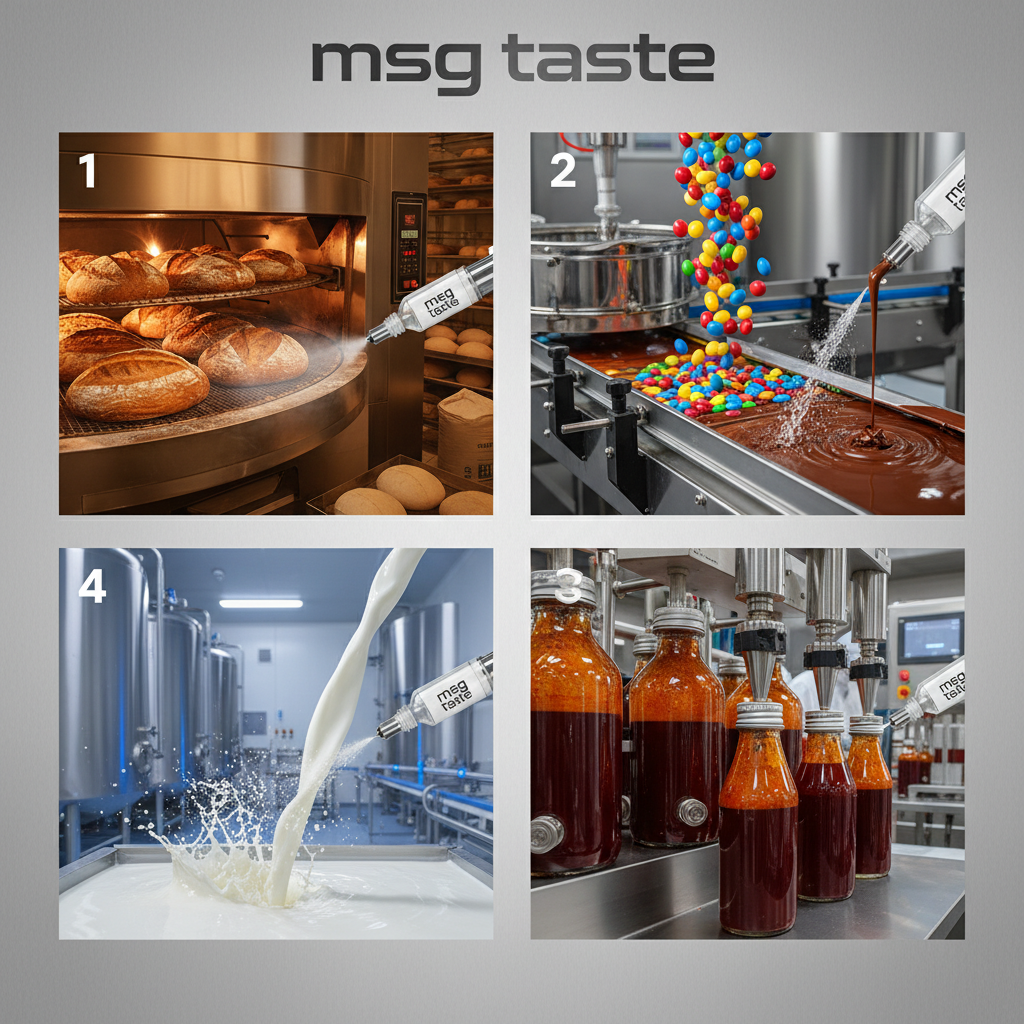
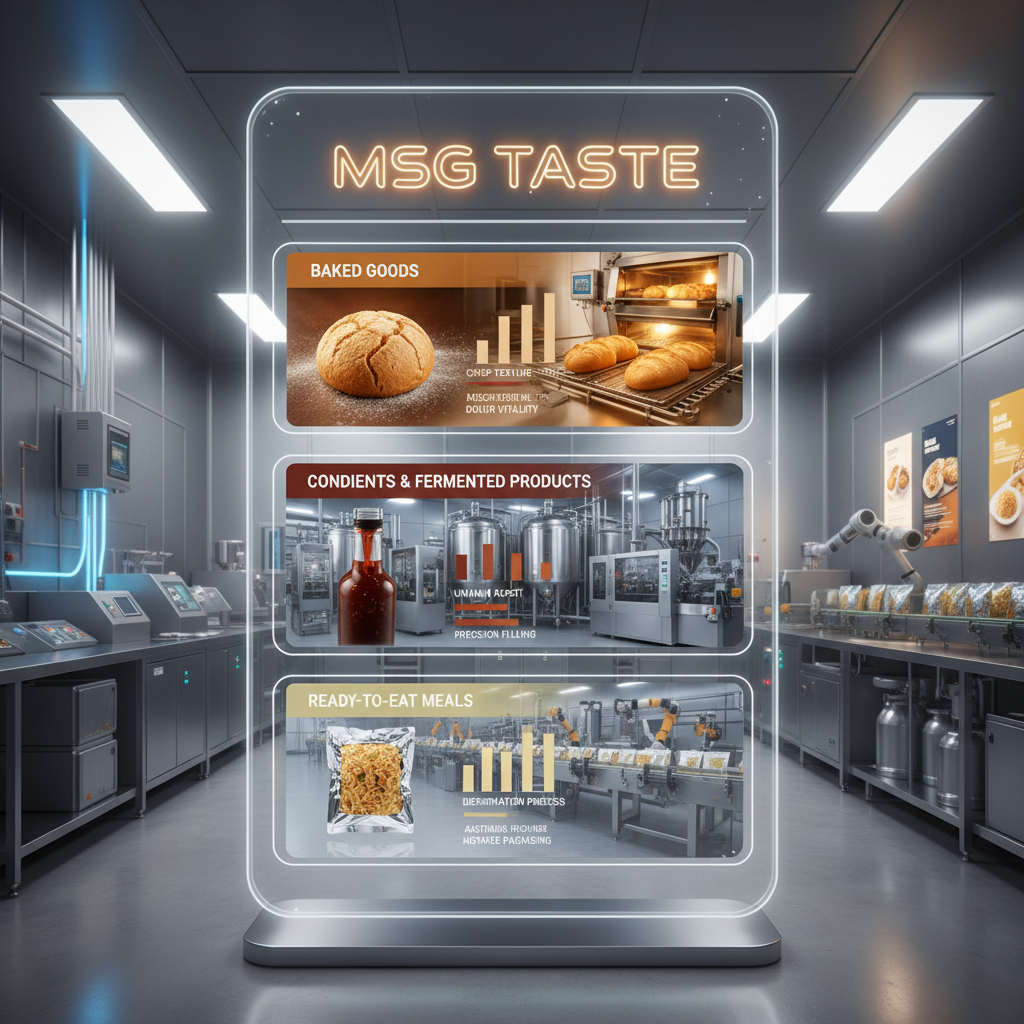
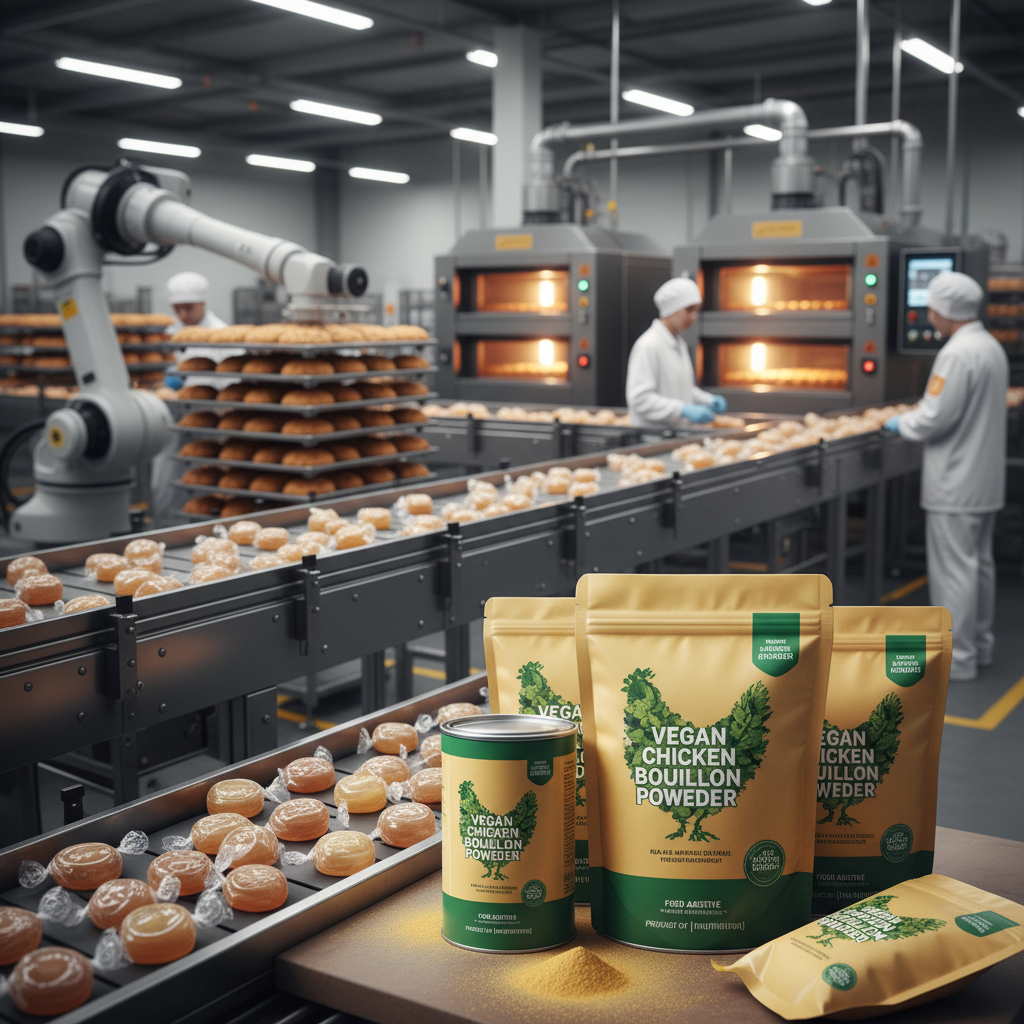
The pursuit of the perfect msg taste has shaped the global culinary landscape for decades, bridging the gap between basic nutrition and gastronomic pleasure. As a fundamental component of the "umami" profile, this specific flavor enhancer does more than just add saltiness; it amplifies the natural savory notes of ingredients, making it an indispensable tool for food manufacturers worldwide. Understanding the chemistry and application of this taste allows producers to create products that are not only consistent in quality but also deeply satisfying to the consumer's palate.
From a global industrial perspective, the demand for a standardized msg taste is driven by the rapid urbanization of populations and the subsequent rise in processed food consumption. In many regions, achieving a balanced savory profile is the key to market penetration, as taste preferences often dictate the success of a product line. By leveraging advanced food additive technology, manufacturers can now fine-tune the intensity of umami to meet regional preferences, whether it be the bold profiles favored in Southeast Asia or the more subtle enhancements preferred in Western markets.
However, the industry faces a constant challenge: balancing the high efficiency of flavor enhancement with the increasing consumer demand for "clean label" ingredients. The modern food scientist must navigate the complexities of sensory perception and regulatory standards to ensure that the msg taste is delivered safely and sustainably. This requires a deep dive into the synergy between different food additives, pharmaceutical-grade intermediates, and natural protein hydrolysates to evolve the way we experience savory flavors in the 21st century.
The Science Behind msg taste
At its core, the msg taste is the result of glutamate ions binding to specific receptors on the tongue, signaling the presence of proteins. This biological trigger creates the sensation of "umami," the fifth basic taste, which the human brain associates with nutrient-dense foods. In the food additive industry, replicating this experience requires high-purity monosodium glutamate or similar compounds that can interact precisely with these T1R1 and T1R3 taste receptors.
The complexity of this flavor lies in its ability to act as a catalyst. Rather than masking other flavors, a well-calibrated msg taste enhances the perception of salt and sweetness while rounding out bitter notes. This synergy is why it is widely utilized in everything from gourmet sauces to processed snacks, allowing manufacturers to reduce overall sodium content without sacrificing the perceived depth of the food's flavor profile.
Industrial Standardization of Savory Profiles
Achieving a consistent msg taste across millions of units of production is a monumental task for food engineers. Industrial standardization involves strict control over the purity of the additives and the precise temperature and pH levels during the mixing process. Variations in the alkalinity of a food matrix can significantly alter how the glutamate is released, potentially turning a savory note into something metallic or overly salty if not managed correctly.
To combat these variances, the industry employs advanced sensory analysis and HPLC (High-Performance Liquid Chromatography) to monitor the concentration of active flavor molecules. By establishing a "gold standard" profile, companies can ensure that a consumer in New York experiences the same depth of flavor as a consumer in Tokyo. This level of precision is critical for global brands that rely on taste consistency to maintain consumer trust and brand loyalty.
Furthermore, the integration of pharmaceutical-grade intermediates in the synthesis of flavor enhancers has allowed for a higher degree of stability. These intermediates ensure that the msg taste does not degrade during high-heat processing, such as extrusion or sterilization, which is common in the production of canned goods and ready-to-eat meals.
Factors Influencing Taste Perception
The perception of msg taste is not universal; it is heavily influenced by the chemical environment of the food. For instance, the presence of nucleotides, such as inosinate (IMP) and guanylate (GMP), creates a synergistic effect that multiplies the intensity of the umami sensation. When these are combined with MSG, the resulting flavor is exponentially more powerful than the sum of its parts, allowing for lower dosage rates.
The physiological state of the consumer also plays a role. Factors such as age, genetic predisposition, and even the temperature of the food can shift how the msg taste is registered. Cold foods typically require a higher concentration of flavor enhancers to achieve the same savory impact as hot foods, as heat increases the volatility and movement of molecules toward the taste buds.
Lastly, the "contrast effect" is a key consideration in product development. Pairing a strong msg taste with an acidic component, like citric acid or vinegar, creates a balanced flavor profile that prevents the savory notes from becoming cloying. This balance is the secret behind the success of many iconic condiments and sauces used in global cuisines.
Efficiency Metrics in Flavor Application
Measuring the efficiency of a flavor enhancer involves calculating the "flavor threshold"—the minimum concentration required to trigger a perceptible msg taste. In industrial applications, maximizing this efficiency allows manufacturers to reduce costs while maintaining a high-quality sensory experience. This involves analyzing the interaction between the additive and the specific proteins present in the food matrix.
Beyond cost, efficiency is also measured by the "persistence" of the flavor. A high-quality savory profile should provide an immediate impact and a lingering finish without leaving an unpleasant aftertaste. By utilizing a blend of fast-release and slow-release flavor molecules, engineers can extend the duration of the msg taste, enhancing the overall eating experience.
Comparative Intensity of Umami Delivery Methods
Global Use Cases and Market Trends
In the Asia-Pacific region, the msg taste is deeply integrated into traditional cooking and industrial food production. From instant noodles to complex seafood pastes, the use of glutamate enhancers is seen as a way to highlight the freshness of ingredients. In these markets, the trend is shifting toward "hybrid" enhancers—combining traditional MSG with mushroom or tomato extracts to provide a more "natural" label while retaining the same potency.
Conversely, in North American and European markets, there has been a resurgence in the acceptance of savory enhancers as the focus shifts from "avoiding MSG" to "reducing sodium." Because the msg taste allows for a reduction in salt without losing flavor, it is becoming a key tool for health-conscious product reformulations. This pivot is driving innovation in "stealth" umami, where the savory profile is integrated into the food's structure so seamlessly that it is perceived as part of the natural ingredient.
Sustainability and Health Innovations
The future of producing the msg taste lies in green biotechnology. Traditional fermentation processes are being upgraded to use non-GMO sugar beets and corn, reducing the carbon footprint of production. Automation and digital twins in the fermentation vats now allow for real-time monitoring of glutamate yield, ensuring that resources are used with maximum efficiency and minimum waste.
Innovation is also focusing on the intersection of food additives and pharmaceutical intermediates. Researchers are exploring ways to deliver the msg taste through encapsulated micro-beads. These beads release the flavor only upon reaching specific temperatures or pH levels in the mouth, preventing the flavor from reacting with other ingredients during storage and extending the shelf life of the product.
Moreover, there is a growing emphasis on the "social impact" of flavor. By making nutrient-dense, savory foods more palatable and affordable through efficient additives, the industry helps combat malnutrition in remote industrial zones and developing regions. High-quality flavor enhancers ensure that fortified foods—such as protein-enriched porridge—are actually consumed by the target population because they taste appetizing.
Comparative Analysis of Flavor Enhancers
When selecting the right agent to achieve a specific msg taste, manufacturers must weigh several variables, including cost, purity, and the final "mouthfeel." While pure monosodium glutamate offers the most direct and intense umami hit, yeast extracts provide a more complex, "meaty" background. The choice often depends on whether the goal is a sharp flavor spike or a broad, foundational savoriness.
The role of pharmaceutical intermediates cannot be overlooked here. These high-purity precursors allow for the synthesis of customized glutamate salts that can be tailored to specific solubility requirements. For instance, in powdered drink mixes, a highly soluble version of the msg taste is required to prevent sedimentation and ensure a uniform flavor across every sip.
Ultimately, the most successful commercial products utilize a "layering" strategy. By combining different types of savory agents, developers can create a multi-dimensional msg taste that evolves as the consumer eats, beginning with a bright, savory note and ending with a deep, rich finish.
Technical Comparison of Savory Flavor Agents
| Additive Type |
Intensity Score (1-10) |
Cost Efficiency |
Label Appeal |
| Pure MSG |
10 |
Very High |
Moderate |
| Yeast Extract |
7 |
Moderate |
High |
| HVP (Hydrolyzed Vegetable Protein) |
8 |
High |
Moderate |
| Nucleotide Blend (I+G) |
9 |
Moderate |
Moderate |
| Mushroom Extract |
6 |
Low |
Very High |
| Synthetic Intermediates |
9 |
High |
Low |
FAQS
While salt provides a sharp, salty sensation, the msg taste delivers "umami," which is a deep, savory richness. Salt enhances flavors, but MSG creates a sensation of fullness and meatiness, often allowing producers to use less sodium while maintaining a satisfying taste profile.
Yes, but it is more challenging and costly. Natural extracts like yeast or mushrooms contain glutamates, but in lower concentrations and with more variable profiles. To achieve the same consistency as pure additives, you often need to use standardized extracts or combine them with pharmaceutical-grade intermediates.
Absolutely. Heat generally increases the volatility of aroma compounds and the activity of taste receptors, making the msg taste more prominent in hot soups or stews than in cold salads. Food developers must adjust dosages based on the intended serving temperature.
Nucleotides like IMP and GMP act as "potentiators." When they bind to the umami receptor alongside glutamate, they change the receptor's shape to hold the glutamate more tightly, which significantly amplifies the msg taste, creating a much stronger savory effect than using either alone.
The key is balance. Incorporating acidic components (like lime or vinegar) or a touch of sweetness can cut through the intensity of the msg taste. Additionally, using a blend of different savory agents instead of a single high-intensity additive can create a smoother, more natural profile.
Yes, the industry is moving toward bio-fermentation using sustainable feedstocks like agricultural waste or non-GMO corn. These "green" processes reduce the environmental impact while producing the same high-purity compounds required to achieve the desired msg taste.
Conclusion
The mastery of the msg taste is a delicate balance of chemistry, sensory science, and industrial precision. From the fundamental biological triggers of umami to the complex interplay of nucleotides and pharmaceutical intermediates, achieving the perfect savory profile is essential for the success of modern food products. By focusing on standardization, efficiency, and a deep understanding of consumer perception, manufacturers can deliver consistent, high-quality experiences that resonate across diverse global markets.
Looking forward, the evolution of flavor enhancement will be driven by the dual demands of sustainability and health. The shift toward clean-label ingredients and green fermentation technology suggests a future where the msg taste is delivered more naturally and ethically without compromising on intensity. For those in the food manufacturing sector, investing in high-purity additives and innovative delivery systems is the only way to stay competitive in an increasingly discerning global marketplace. Visit our website for more professional solutions: www.chinaseasoning.com