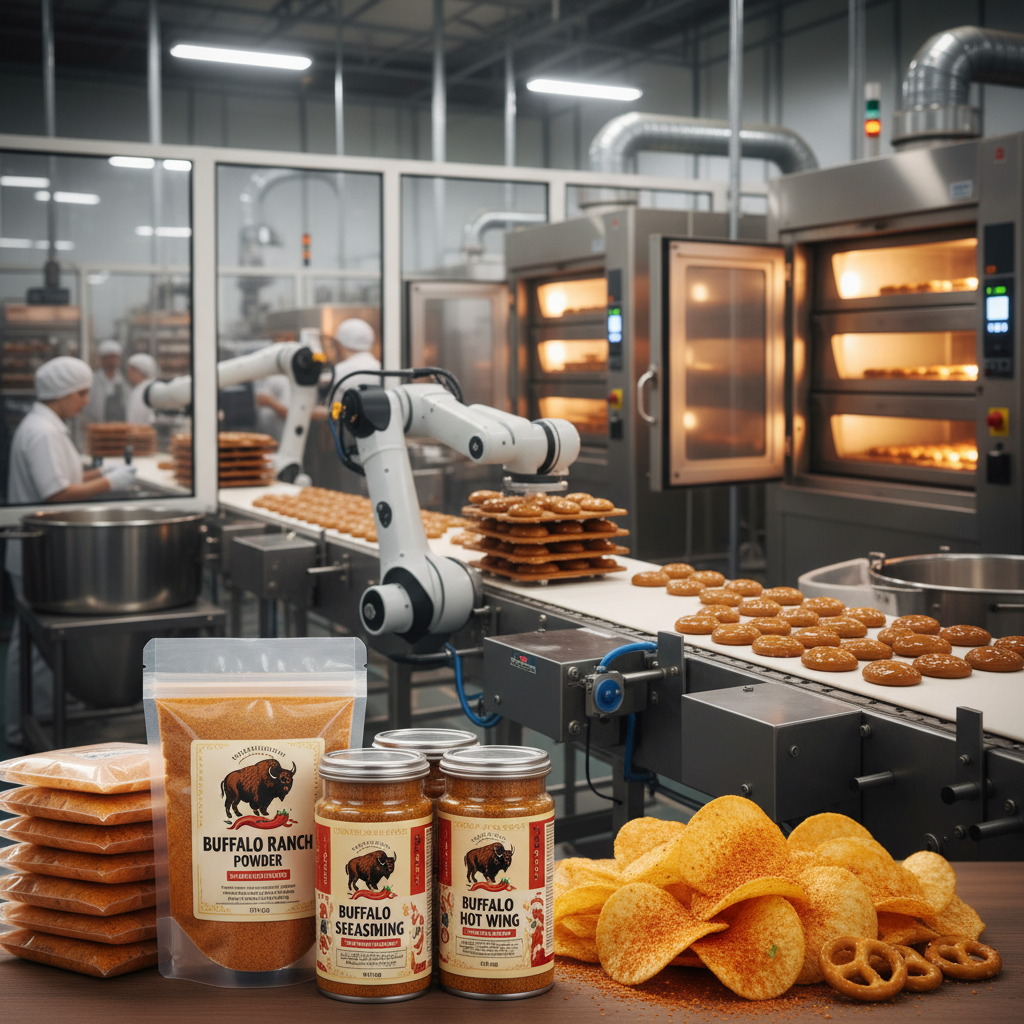
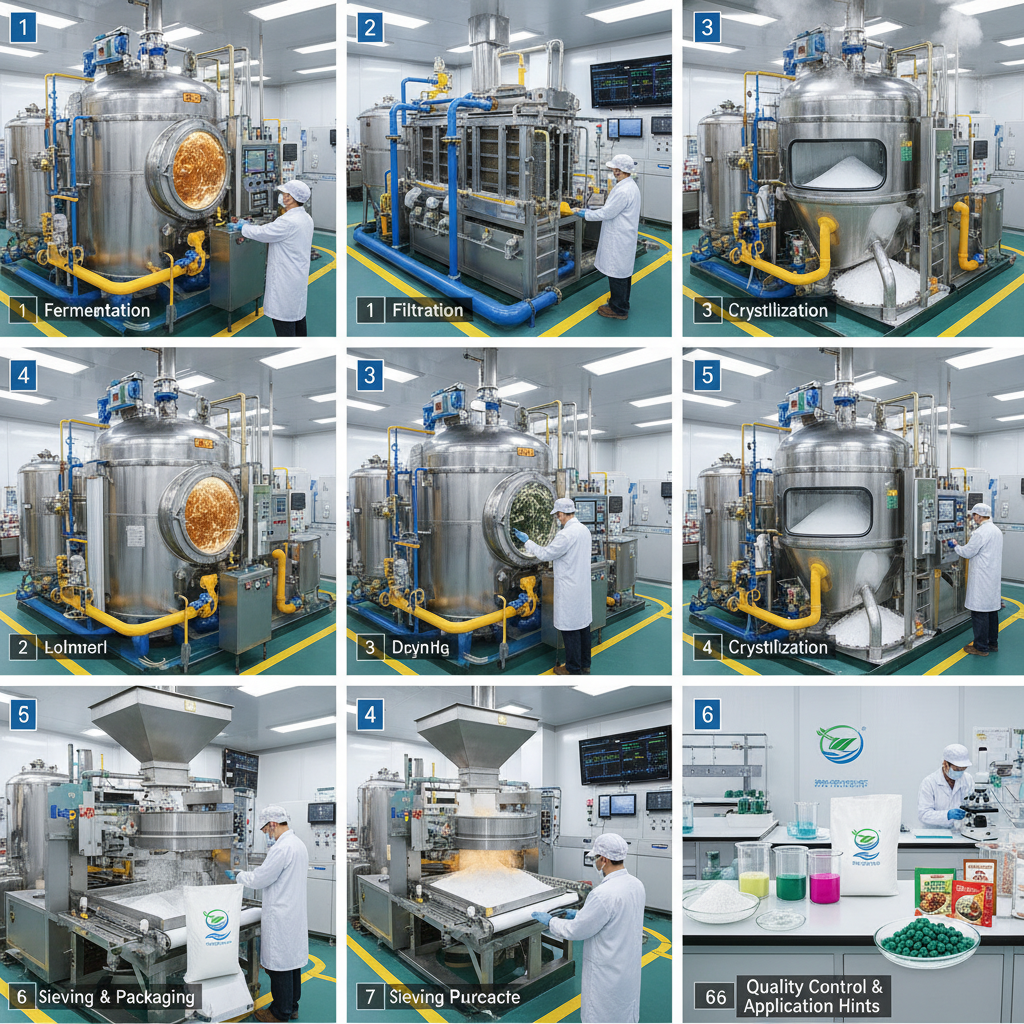
In the competitive landscape of the modern food industry, achieving a consistent and bold flavor profile is essential for brand loyalty. The introduction of high-quality buffalo powder seasoning has revolutionized how manufacturers approach spicy, tangy flavor profiles, moving away from unstable liquid batters toward standardized powder formats. By integrating advanced food science with culinary artistry, this seasoning provides a scalable solution for snacks, wings, and processed meats.
Globally, the demand for convenience foods has surged, placing immense pressure on food additive manufacturers to provide stable, long-shelf-life ingredients. The versatility of buffalo powder seasoning allows producers to maintain a precise "heat-to-tang" ratio, ensuring that every batch meets strict quality control standards regardless of the production volume. This shift not only reduces waste but also optimizes the logistical chain for large-scale food distribution.
Understanding the technical composition and application of these seasoning blends is critical for those looking to penetrate the savory snack market. From managing acidity levels to ensuring uniform adhesion on various substrates, the science behind buffalo powder seasoning is a cornerstone of modern flavor engineering. This comprehensive guide explores the industrial relevance, technical components, and future innovations of this essential food additive.
Global Market Dynamics of Buffalo Powder Seasoning
The global appetite for spicy condiments has seen an exponential rise, with a significant increase in the adoption of buffalo powder seasoning across North America, Asia, and Europe. According to industry trends aligned with ISO food safety standards, the shift toward "dry-rub" applications in industrial food processing has reduced oil consumption and improved the shelf-stability of ready-to-eat snacks.
One of the primary drivers of this growth is the rise of the "bold flavor" trend among Gen Z and Millennial consumers. Manufacturers are now tasked with creating complex flavor profiles that balance acidity and heat. The challenge lies in maintaining this balance during high-temperature processing, which is where a professionally engineered buffalo powder seasoning outperforms traditional liquid sauces.
Defining the Technical Composition of Buffalo Powder Seasoning
In technical terms, buffalo powder seasoning is a precise blend of dehydrated acids, capsaicin-based heat agents, salt, and flavor enhancers. Unlike home-made versions, industrial powder seasoning utilizes carrier agents like maltodextrin or modified starches to ensure that the powder does not clump and adheres evenly to the food surface, whether it be a potato chip or a fried chicken wing.
The connection to modern industry lies in the need for "clean label" ingredients. Modern consumers demand transparency, leading manufacturers to replace artificial colors with natural extracts like paprika or turmeric to achieve that iconic orange-red buffalo hue. This transition requires sophisticated spray-drying technology to ensure the flavor remains potent despite the removal of liquid solvents.
Furthermore, the integration of this seasoning into pharmaceutical-grade intermediate processing for food additives ensures that the product is free from contaminants. This rigorous approach to purity makes it suitable for global export, meeting the stringent requirements of both the FDA and EFSA.
Core Performance Factors in Flavor Engineering
When analyzing the efficacy of buffalo powder seasoning, Adhesion is the most critical factor. If the powder does not cling to the substrate, the resulting product suffers from "flavor pooling," where the bottom of the bag contains all the seasoning, leaving the top portions bland.
Scalability is another pillar of professional flavor engineering. A high-quality buffalo powder seasoning must perform identically in a 10kg test batch as it does in a 10-ton industrial run. This requires strict control over particle size distribution (granulometry), ensuring that the powder flows smoothly through industrial feeders without bridging.
Finally, Cost Efficiency is achieved through the optimization of the ingredient matrix. By balancing expensive natural extracts with high-performance food additives, manufacturers can produce a buffalo powder seasoning that delivers a premium sensory experience while maintaining a competitive price point for the end-consumer.
Industrial Applications and Versatility
The application of buffalo powder seasoning extends far beyond the traditional chicken wing. In the snack industry, it is widely used for extruded corn puffs, roasted nuts, and popcorn. In the frozen food sector, it is integrated into breading mixes for mozzarella sticks and cauliflower bites, providing a consistent flavor that survives the freeze-thaw cycle.
Across different regions, the application varies. In North American markets, the focus is on a buttery, vinegary tang, whereas in Asian markets, the buffalo profile is often blended with local spices to create a "fusion" heat. This adaptability makes it a versatile tool for multinational food corporations looking to localize their product lines.
Performance Comparison of Buffalo Powder Seasoning Variants
Long-term Economic and Operational Advantages
Implementing a standardized buffalo powder seasoning offers significant logistical advantages. Powdered formats occupy less space than liquid alternatives, reducing shipping costs and storage requirements. Moreover, the extended shelf life of dry seasonings minimizes product spoilage and reduces the frequency of inventory replenishment.
From a quality assurance perspective, the reliability of powder blends eliminates the human error associated with mixing wet ingredients in-house. This ensures a consistent taste profile across different production facilities globally, which is essential for maintaining brand integrity. The emotional value for the consumer is a "trustworthy" taste—they know exactly what to expect every time they open a package.
Future Trends in Sustainable Seasoning Production
The future of buffalo powder seasoning is being shaped by the digital transformation of the food industry. AI-driven flavor profiling is allowing manufacturers to tweak the molecular composition of seasonings to hit specific "craveability" markers, optimizing the ratio of umami to acidity for maximum consumer appeal.
Sustainability is also becoming a core focus. We are seeing a move toward "green chemistry" in the production of food additives, where solvent-free extraction methods are used to derive heat and color from peppers. This reduces the carbon footprint of the manufacturing process and appeals to the eco-conscious consumer.
Automation in the application process is further enhancing efficiency. Robotic seasoning drums with precision sensors can now apply buffalo powder seasoning with micron-level accuracy, ensuring that no product is over-seasoned and reducing ingredient waste by up to 15%.
Overcoming Common Challenges in Application
Despite its benefits, applying buffalo powder seasoning is not without challenges. One common issue is "clumping" caused by high humidity in production environments. To solve this, expert manufacturers incorporate anti-caking agents like silicon dioxide or use vacuum-sealed packaging to maintain the powder's free-flowing properties.
Another challenge is the "flavor fade" that can occur during high-heat frying or baking. To combat this, encapsulated flavors are being used, where the volatile aroma compounds are trapped in a protective shell that only melts at a specific temperature, releasing the full buffalo punch only when the product reaches the consumer.
Finally, achieving the perfect color without using synthetic dyes remains a hurdle. The solution lies in the blend of high-grade paprika and beta-carotene, which provide a vibrant, natural appearance that resists fading under supermarket lighting.
Technical Analysis of Buffalo Powder Seasoning Optimization
| Optimization Goal |
Technical Approach |
Impact on Product |
Efficiency Score (1-10) |
| Anti-Clumping |
Silicon Dioxide Integration |
Better Flowability |
9 |
| Color Stability |
Natural Paprika Extracts |
Vibrant Visuals |
8 |
| Heat Intensity |
Capsaicin Oleoresin |
Consistent Pungency |
10 |
| Adhesion Rate |
Maltodextrin Carrier |
Uniform Coating |
7 |
| Shelf Life |
Vacuum Packaging |
Oxidation Prevention |
9 |
| Tangy Profile |
Citric Acid Blending |
Sharp Acidity |
8 |
FAQS
Buffalo powder seasoning offers significantly better stability, longer shelf life, and easier application. In industrial lines, powders ensure a more uniform coating on snacks and frozen foods without making the product soggy, which is a common failure point with liquid sauces. Additionally, powders reduce shipping costs and storage requirements.
To prevent clumping, professional grade seasonings use food-safe anti-caking agents like silicon dioxide. Furthermore, manufacturers are advised to store the powder in humidity-controlled environments and utilize vacuum-sealed foil packaging to prevent moisture ingress, ensuring the powder remains free-flowing during the application process.
Yes, the heat level is easily adjustable by altering the concentration of capsaicin or using different varieties of chili extracts. Whether a client requires a "Mild," "Medium," or "Atomic" heat level, the formulation can be tweaked without affecting the overall tangy buffalo flavor profile, providing great flexibility for brand positioning.
Absolutely. A clean label version replaces synthetic dyes (like Yellow 5 or Red 40) with natural alternatives such as paprika extract and turmeric. By using natural vinegar powders instead of artificial acidulants, manufacturers can provide a transparent ingredient list that appeals to health-conscious consumers while maintaining a bold taste.
Particle size, or granulometry, determines how the seasoning adheres to the food. If the particles are too large, they fall off the product; if they are too fine, they may create a "dusty" mouthfeel. A balanced particle size ensures an even, professional coating that looks appetizing and tastes consistent across every bite.
Efficient import requires documentation that complies with the target country's food safety laws (FDA, EFSA, etc.). Using a supplier that provides comprehensive COAs (Certificates of Analysis) and MSDS (Material Safety Data Sheets) ensures a smooth customs process. Bulk shipping in moisture-proof industrial bags is the most cost-effective method.
Conclusion
In summary, buffalo powder seasoning represents a critical intersection of culinary demand and industrial efficiency. By transitioning from unstable liquids to precision-engineered powders, food manufacturers can guarantee consistency, reduce operational waste, and meet the evolving tastes of a global audience. The balance of adhesion, scalability, and flavor intensity makes this additive indispensable for anyone operating in the savory snack or processed meat sectors.
Looking forward, the integration of sustainable sourcing and AI-optimized flavor profiles will continue to push the boundaries of what is possible in food additives. For businesses aiming to lead the market, investing in high-quality, stable, and clean-label seasoning solutions is not just an operational choice—it is a strategic necessity for long-term brand growth. Visit our website for professional solutions: www.chinaseasoning.com