The global drive toward sustainable agriculture and circular economy principles has placed a renewed spotlight on nutrient recovery from animal by-products. Among these, chicken bone powder emerges as a powerhouse of bio-available minerals, transforming what was once considered waste into a high-value asset for various industries. By leveraging advanced processing techniques, this material provides a natural alternative to synthetic mineral supplements, bridging the gap between waste management and nutritional efficiency.
In the context of modern food and feed manufacturing, the demand for consistent, high-purity mineral sources is at an all-time high. The integration of chicken bone powder into animal feed and pharmaceutical intermediates helps address the critical need for phosphorus and calcium, which are essential for skeletal development and metabolic health. As global populations grow, the pressure on traditional mining for phosphate rock increases, making biological alternatives not just an ecological choice, but an economic necessity.
Understanding the versatility of this additive allows manufacturers to optimize their product formulations while reducing their environmental footprint. Whether used as a feed additive to enhance livestock growth or as a raw material in specialized pharmaceutical applications, the strategic application of chicken bone powder ensures a steady supply of organic minerals. This comprehensive guide explores the technical dimensions, global applications, and future innovations surrounding this essential industrial component.
Global Relevance of Chicken Bone Powder
On a global scale, the poultry industry generates millions of tons of by-products annually. The transformation of these remnants into chicken bone powder is a critical component of the "Zero Waste" initiative promoted by organizations like the FAO. By recycling calcium and phosphorus back into the food chain, industries can significantly reduce the reliance on environmentally damaging phosphate mining, which often leads to soil degradation and water contamination.
Moreover, the rise of precision nutrition in animal husbandry has increased the demand for highly digestible mineral sources. In regions like Southeast Asia and Latin America, where livestock production is a primary economic driver, the adoption of processed bone powders ensures that animals receive optimal nutrition, leading to better feed conversion ratios and higher productivity. This shift not only improves food security but also stabilizes the cost of protein production for the end consumer.
Defining Chicken Bone Powder in Modern Industry
In simple technical terms, chicken bone powder is a finely milled, dehydrated, and sterilized mineral concentrate derived from the skeletal remains of poultry. Unlike raw bone meal, industrial-grade powder undergoes rigorous thermal processing and micronization to ensure that pathogens are eliminated and the nutrient profile is standardized for consistent industrial application.
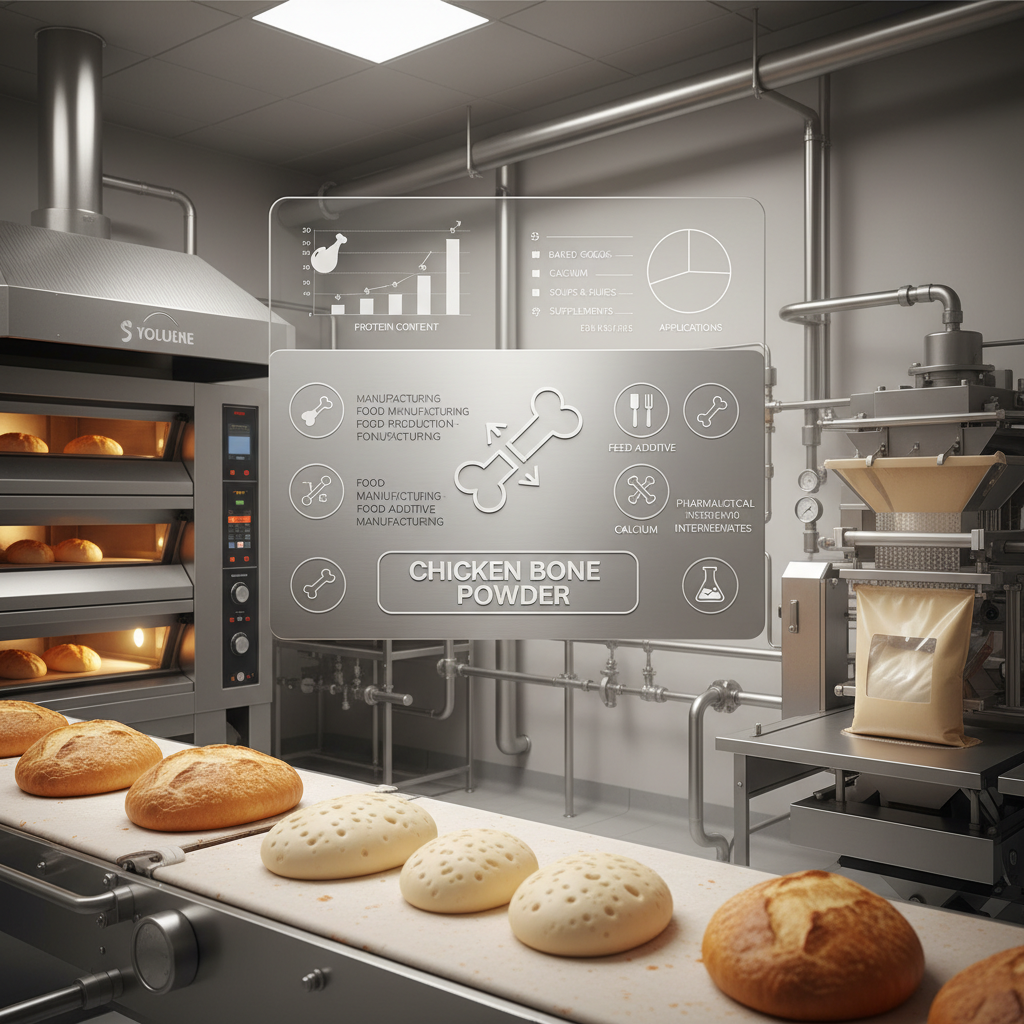
From an industrial perspective, this material serves as a bridge between agricultural waste and high-performance additives. It is categorized primarily as a Feed Additive or Food Additive depending on the purity level and the regulatory standards (such as FDA or EFSA) it meets. Its role is to provide a concentrated source of hydroxyapatite—the primary mineral component of bone—which is highly compatible with biological systems.
Beyond mere nutrition, the definition of this powder has evolved to include its role in humanitarian needs, such as fortifying low-cost animal feeds in developing nations. By providing a reliable, low-cost source of essential minerals, it helps small-scale farmers maintain healthy livestock, which is vital for the economic stability of remote rural communities.
Core Components and Technical Factors
The efficacy of chicken bone powder is primarily determined by its bioavailability. The ratio of calcium to phosphorus is the most critical technical factor, as this balance dictates how efficiently the additive is absorbed by the target organism. High-quality powder maintains a natural synergy between these minerals, preventing the antagonistic effects often seen with isolated synthetic salts.
Another essential factor is particle size and scalability. Micronization allows chicken bone powder to be blended uniformly into large-scale feed batches without settling or separating. This uniformity ensures that every animal receives the exact dosage required, avoiding nutritional deficiencies or toxicity from over-supplementation.
Lastly, purity and stability are non-negotiable for pharmaceutical intermediates. The removal of lipids and organic residues through advanced rendering processes prevents oxidation and rancidity, ensuring a long shelf-life. This stability allows for global shipping and storage in varied climates without compromising the chemical integrity of the mineral complex.
Global Applications and Practical Use Cases
The application of chicken bone powder spans multiple continents and industries. In the European Union, it is widely used in organic-certified poultry and swine feeds to meet strict sustainability mandates. In North America, it is often integrated into specialized pet food formulations, where "natural" mineral sources are preferred over synthetic chemicals to appeal to health-conscious pet owners.
In more specialized contexts, such as pharmaceutical intermediates, this powder serves as a precursor for bone graft substitutes and calcium-based supplements. For example, in medical research zones, refined bone powder is used to study osteoblast activity, providing a biocompatible scaffold that mimics natural bone structure.
Comparative Efficiency of Mineral Sources
Tangible Advantages and Long-Term Value
The most immediate advantage of using chicken bone powder is the drastic reduction in raw material costs. By utilizing a byproduct of the meat industry, manufacturers can secure a stable price point that is less volatile than the global phosphate market. This cost-efficiency allows for the production of more affordable, high-quality feed, which in turn reduces the price of poultry and pork for the global consumer.
Beyond the balance sheet, there is a significant emotional and ethical value. Implementing a circular economy approach builds trust with consumers who are increasingly concerned about the origin of their food. The knowledge that waste is being repurposed into a nutrient-dense additive fosters a sense of innovation and environmental stewardship, positioning brands as leaders in the transition toward sustainable agriculture.
Future Trends and Technological Innovations
The future of chicken bone powder lies in the integration of nanotechnology. Researchers are currently developing "nano-hydroxyapatite" derived from bone powder, which allows for even higher absorption rates and the ability to deliver minerals to specific cellular targets in pharmaceutical applications. This digital and chemical transformation is turning a simple additive into a precision-engineered medical tool.
Automation in the rendering process is also playing a huge role. New AI-driven sorting and temperature-control systems ensure that the powder is processed with zero contamination and maximum nutrient retention. These "Smart Factories" reduce energy consumption during the drying phase, further enhancing the green credentials of the final product.
Additionally, we are seeing a shift toward "Customized Mineral Profiles." By blending chicken bone powder with other organic chelates, manufacturers can create tailor-made supplements for specific life stages of livestock, such as rapid-growth phases for broilers or lactation periods for sows, optimizing health outcomes through data-driven nutrition.
Challenges and Expert Solutions
Despite its benefits, the industry faces challenges regarding regulatory hurdles and contamination risks. Different countries have varying rules on the use of animal-derived proteins in feed to prevent diseases like avian flu. The solution lies in the adoption of high-pressure thermal sterilization (HPT) and rigorous batch testing, ensuring that every shipment of chicken bone powder is certified pathogen-free.
Another common limitation is the presence of residual fats, which can lead to oxidation and a shorter shelf-life. Expert insights suggest the use of centrifugal degreasing and vacuum drying. These methods remove lipids without damaging the mineral structure, resulting in a "lean" powder that is more stable and easier to store in tropical climates.
Finally, the perception of "waste" can sometimes hinder market adoption. To overcome this, the industry is rebranding these products under the "Upcycled Nutrients" banner, emphasizing the scientific processing and purity of the material. Transparency in the supply chain, backed by blockchain tracking, allows buyers to verify the origin and processing standards of their chicken bone powder.
Comparative Analysis of Processing Methods for Bone Powder
| Processing Method |
Purity Level |
Bio-availability |
Cost Efficiency |
| Standard Drying |
Medium |
Moderate |
High (9/10) |
| Vacuum Degreasing |
High |
High |
Medium (7/10) |
| HPT Sterilization |
Ultra-High |
Very High |
Low (5/10) |
| Micronization |
High |
Ultra-High |
Medium (6/10) |
| Chemical Leaching |
High |
Moderate |
Low (4/10) |
| Nano-milling |
Ultra-High |
Maximum |
Very Low (3/10) |
FAQS
Yes, provided it is processed through professional sterilization. When rendered correctly, chicken bone powder is an excellent source of calcium and phosphorus for poultry, swine, and ruminants. However, it is crucial to ensure the product is free from contaminants and meets the specific regulatory guidelines of your region to prevent cross-species disease transmission.
Unlike synthetic phosphates, which are often isolated salts, chicken bone powder provides minerals in a naturally bound hydroxyapatite form. This often results in higher bio-absorption rates and a lower environmental impact, as it reduces the need for destructive mining practices associated with synthetic phosphorus production.
Industrial-grade chicken bone powder typically has a shelf life of 12 to 24 months. The duration depends heavily on the degreasing process; powder with lower lipid content is significantly more resistant to oxidation. We recommend storing it in a cool, dry place in airtight packaging to maintain maximum potency.
Yes, but only if it is produced under "Food Grade" certifications. This requires a much more stringent purification process than feed-grade powder, including the complete removal of impurities and rigorous microbial testing. When these standards are met, it can serve as a natural calcium fortifier in various dietary supplements.
The best way to ensure purity is to request a Certificate of Analysis (COA) for every batch. A professional supplier should provide data on mineral concentration, moisture content, and results from pathogen tests (e.g., Salmonella). Additionally, look for certifications such as ISO or GMP to ensure the manufacturing plant follows global safety standards.
Absolutely. The production of chicken bone powder is a prime example of upcycling. By diverting animal by-products from landfills and transforming them into useful nutrients, the process reduces methane emissions from waste decay and decreases the ecological footprint of the livestock industry.
Conclusion
In summary, chicken bone powder represents a critical intersection between industrial efficiency and environmental sustainability. From its role as a high-bioavailability mineral source in animal feed to its potential as a precision-engineered pharmaceutical intermediate, it offers a viable, cost-effective alternative to synthetic additives. By focusing on purity, micronization, and sustainable sourcing, the industry is successfully transforming a byproduct into a cornerstone of modern nutrition.
Looking forward, the continued evolution of nanotechnology and automated processing will likely expand the applications of this material even further. For manufacturers and distributors, investing in high-quality, certified bone powder is not just a strategic business move to lower costs, but a commitment to a more circular and ethical food system. To explore our premium range of additives and find the perfect fit for your production needs, visit our website: www.chinaseasoning.com