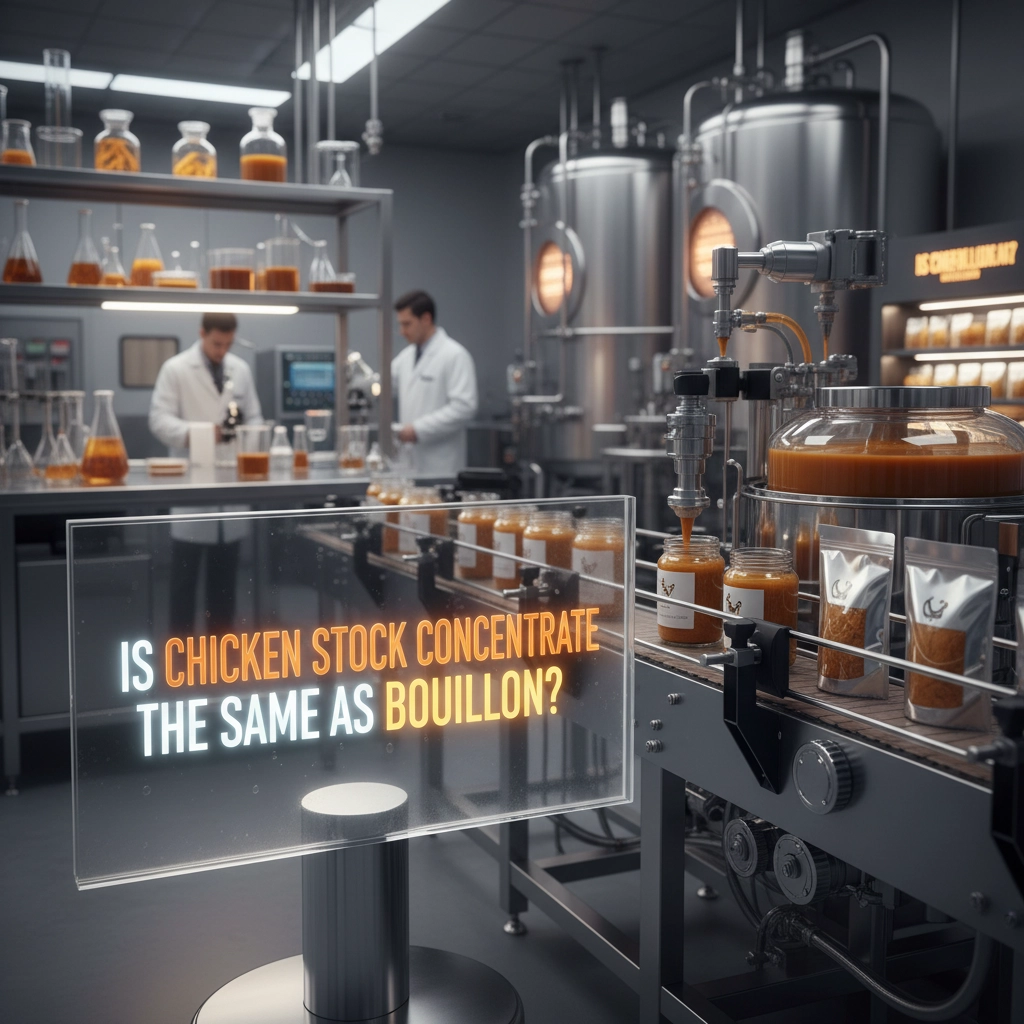
In the competitive landscape of the global food additive industry, bou chicken cubes have emerged as a cornerstone for convenient, high-umami seasoning solutions. These concentrated flavor enhancers are more than just a kitchen staple; they represent a sophisticated blend of food science and culinary tradition, designed to provide consistent taste profiles across diverse gastronomic cultures.
Understanding the technical composition and industrial application of bou chicken cubes is essential for manufacturers and wholesalers aiming to optimize supply chains and meet the growing consumer demand for "instant gourmet" experiences. By balancing salt, fats, and savory extracts, these cubes solve the perennial challenge of flavor stability in mass-produced food products.
Globally, the shift toward urbanized lifestyles and shorter cooking times has catapulted the relevance of these additives. Whether used in domestic kitchens or industrial food processing, bou chicken cubes provide a scalable way to ensure that nutrient-dense meals remain palatable and appealing, bridging the gap between convenience and quality.
The Global Market Impact of bou chicken cubes
The global demand for processed seasonings has seen a steady climb, with bou chicken cubes playing a pivotal role in emerging markets across Africa and Southeast Asia. According to food industry trade data, the shift toward dehydrated condiments is driven by the need for long shelf-life products that can withstand varied climatic conditions without requiring expensive cold-chain logistics.
This market growth is not merely about convenience but also about food security and accessibility. By providing a concentrated source of savory flavor, bou chicken cubes allow households in remote regions to enhance the taste of basic staples, making nutrient-poor diets more palatable and encouraging the consumption of vegetables and grains.
Defining the Composition of bou chicken cubes
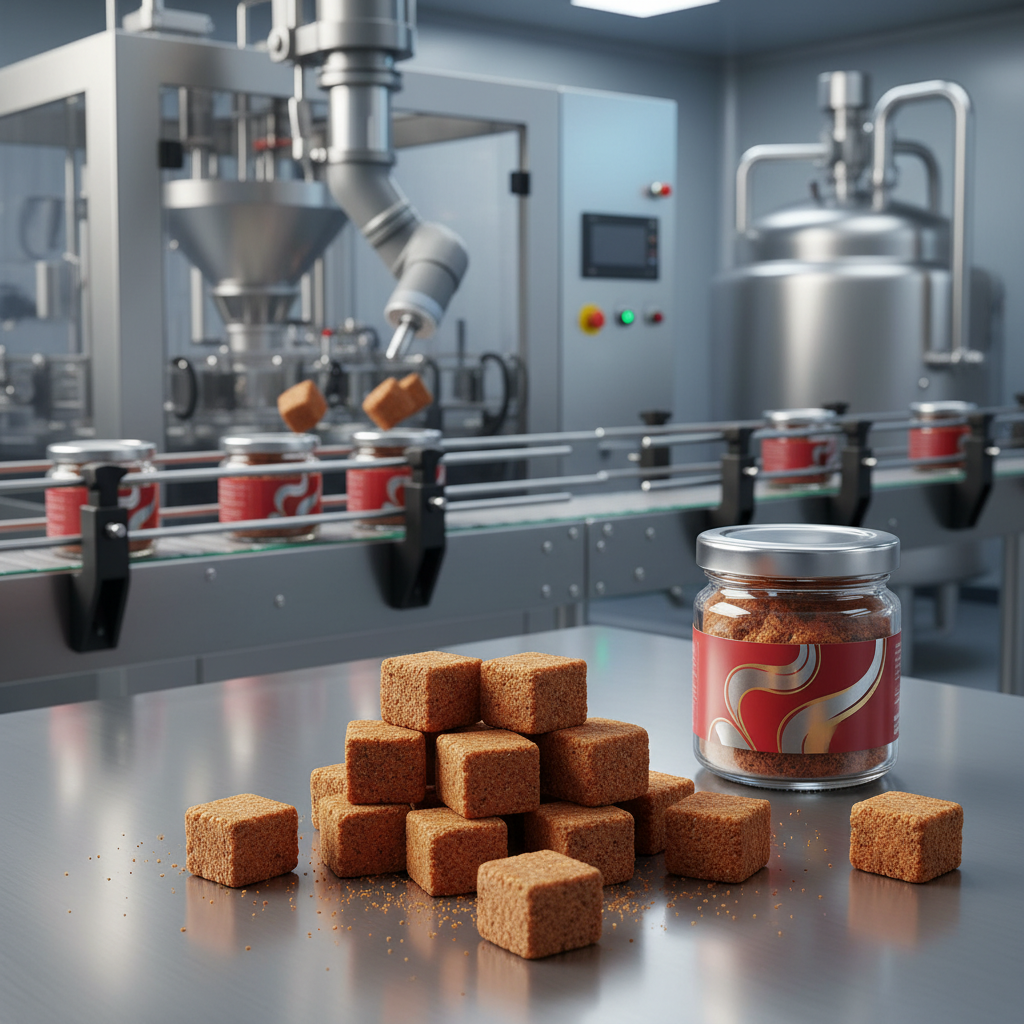
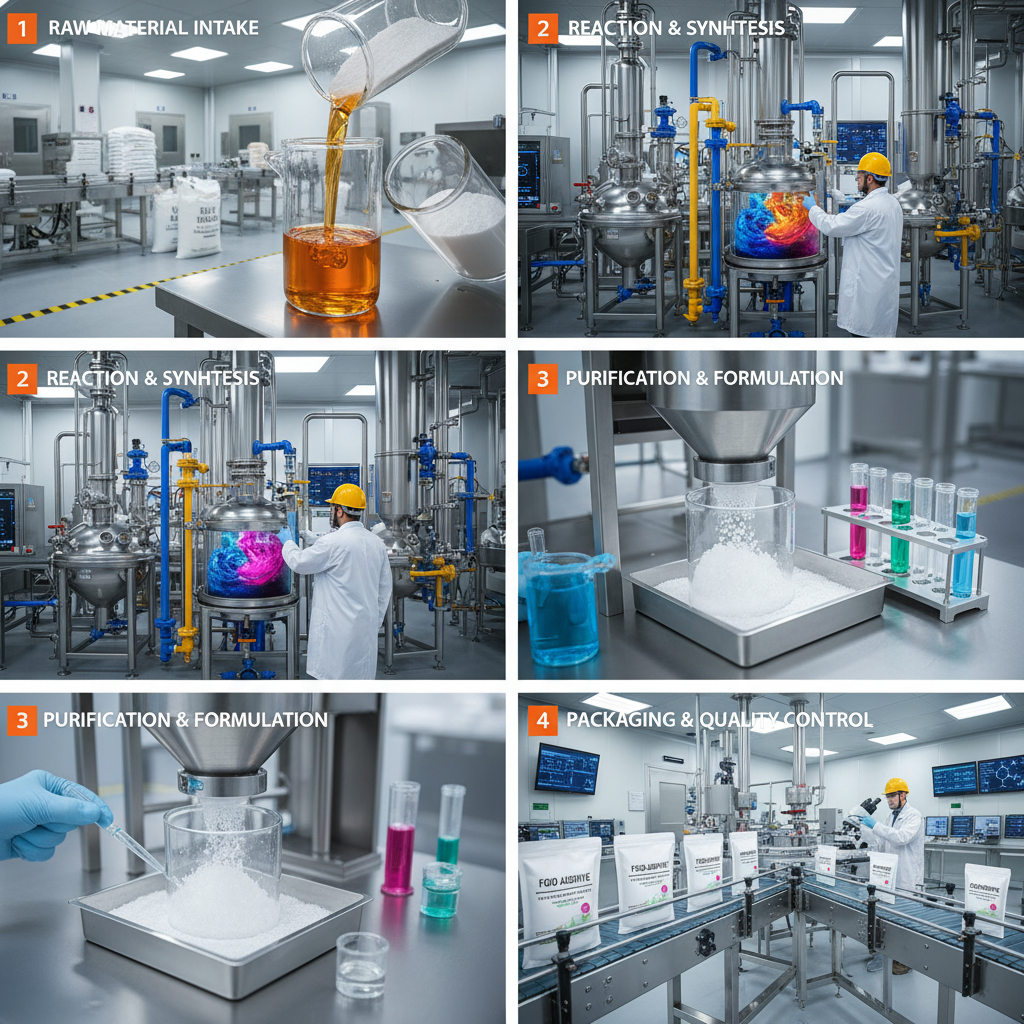
At its core, bou chicken cubes are a dehydrated blend of salt, flavor enhancers (such as MSG or yeast extracts), vegetable powders, and chicken fats or extracts. The manufacturing process involves precise granulation and compression, ensuring that the cube dissolves rapidly in boiling water to release a complex, layered savory profile.
From an industrial perspective, these cubes represent a triumph of food engineering. The challenge lies in maintaining a "home-cooked" taste while using ingredients that are stable for 12 to 24 months. This is achieved through a rigorous control of water activity levels, preventing microbial growth while preserving the aromatic volatile compounds that characterize a rich chicken broth.
Furthermore, the modern definition of bou chicken cubes has expanded to include diverse dietary needs. We now see "clean label" versions that replace synthetic additives with natural fermentation products, reflecting a broader humanitarian need for healthier, more transparent food additive options without sacrificing the sensory experience.
Core Components of High-Quality Seasoning
The stability of bou chicken cubes depends heavily on the quality of the binding agents used. These agents ensure that the cube maintains its structural integrity during shipping and handling, preventing the product from crumbling into powder before it reaches the consumer's pot.
Taste consistency is the most critical factor for bou chicken cubes. By utilizing standardized extracts and precise dosing of salt and spices, manufacturers can guarantee that a cube produced in January tastes identical to one produced in December, providing a reliable baseline for professional chefs and home cooks alike.
Finally, the integration of micronutrients—such as iron or iodine—into bou chicken cubes has transformed them into tools for public health. In regions where malnutrition is prevalent, these seasonings serve as an inconspicuous vehicle for essential minerals, blending industrial efficiency with social responsibility.
Industrial Efficiency and Cost-Effectiveness
For large-scale food manufacturers, the adoption of bou chicken cubes as a primary seasoning base significantly reduces operational costs. Instead of managing bulk liquids and fresh poultry extracts—which require refrigeration and have high spoilage rates—dry cubes offer a compact, shelf-stable alternative that minimizes warehouse footprints.
Moreover, the scalability of using pre-measured cubes eliminates human error in the seasoning process. Whether producing ten liters or ten thousand liters of soup, the standardized dosage of bou chicken cubes ensures that the flavor profile remains uniform, reducing waste and increasing overall production yield.
Efficiency Analysis of bou chicken cubes Processing
Global Applications and Culinary Use Cases
The versatility of bou chicken cubes allows them to transcend traditional soup making. In West African cuisine, they are often crumbled directly into stews and jollof rice to provide a deep, savory foundation. In Asia, they are frequently used as a quick-base for stir-fries and braised dishes, replacing the need for long-simmered stocks.
Beyond domestic use, these cubes are indispensable in humanitarian aid. In post-disaster relief operations where fresh ingredients are unavailable, bou chicken cubes are included in food parcels because they provide a high-impact flavor boost to bland emergency rations, helping to maintain the dignity and morale of displaced populations.
Long-Term Value and Sustainability
Investing in high-quality bou chicken cubes offers long-term economic value by reducing food waste. Because the cubes are concentrated and have a long shelf life, the likelihood of seasoning spoilage is nearly zero compared to liquid stocks. This efficiency translates to lower overheads for distributors and lower costs for end-consumers.
From a sustainability angle, the reduction in water weight during transport is a significant advantage. Shipping dehydrated bou chicken cubes requires far less fuel and smaller packaging than shipping liquid alternatives, thereby reducing the carbon footprint associated with the global spice trade.
Furthermore, the trust built through consistent quality fosters brand loyalty. When a manufacturer provides a reliable, safe, and tasty product, it creates a cycle of trust that allows for the introduction of more innovative, healthier variants, driving the industry toward a more sustainable and health-conscious future.
Future Innovations in Chicken Cube Technology
The future of bou chicken cubes lies in the integration of biotechnology. We are seeing a shift toward "precision fermentation," where proteins and flavors are grown in labs to mimic chicken taste without the need for animal agriculture. This not only appeals to the vegan market but also drastically reduces the environmental impact of the seasoning industry.
Digital transformation is also playing a role in production. Automated dosing systems and AI-driven flavor profiling allow manufacturers to tweak the composition of bou chicken cubes in real-time based on regional taste preferences, ensuring that a product sold in Brazil has a slightly different aromatic profile than one sold in Vietnam.
Finally, sustainable packaging is becoming a priority. The industry is moving away from plastic films toward biodegradable, compostable wraps that protect the cubes from moisture without contributing to landfill waste, aligning the product with global green energy and eco-friendly policies.
Comparative Analysis of Chicken Cube Formulation Innovations
| Technology Type |
Flavor Impact |
Production Cost |
Eco-Friendliness |
| Traditional Extract |
High/Natural |
Medium |
Low |
| Precision Fermentation |
Very High |
High |
High |
| Yeast-Based Umami |
Medium |
Low |
Medium |
| Plant-Based Protein |
Medium |
Medium |
Very High |
| AI-Optimized Blend |
Customized |
Medium |
Medium |
| Fortified Nutrients |
Neutral |
Low |
Medium |
FAQS
The primary efficiency comes from the dehydration process. Bou chicken cubes eliminate the need for refrigeration, significantly reduce storage space, and offer a standardized flavor profile that removes the variability associated with fresh ingredients. This makes them ideal for industrial-scale food production and long-distance export.
When stored in a cool, dry place in their original packaging, these cubes typically maintain their full flavor potency for 12 to 24 months. The low water activity level prevents microbial growth and slows the oxidation of fats, ensuring the savory taste remains consistent over time.
Yes, they are specifically designed for scalability. Industrial processors use them to ensure consistent taste across massive batches of products. Their fast-dissolving nature and precise measurement per cube make them a preferred choice for commercial kitchens and food factories worldwide.
Absolutely. Manufacturers often adjust the levels of salt, spice, and umami enhancers to match local preferences. For instance, versions for the West African market may have different aromatic profiles than those intended for the European or Asian markets to better complement local ingredients.
Due to their high stability and compact size, they are easily shipped to disaster zones. They provide a critical flavor boost to bland emergency rations, and many are fortified with essential vitamins and minerals to help combat malnutrition in vulnerable populations.
Yes, the industry is shifting toward "clean label" formulations. These versions replace synthetic flavor enhancers with natural alternatives like yeast extract or mushroom powder and reduce sodium content while utilizing natural salts to maintain the desired taste profile.
Conclusion
In summary, bou chicken cubes represent a perfect intersection of culinary art and industrial efficiency. From their complex chemical composition that ensures stability to their critical role in global food security and humanitarian aid, these seasoning additives provide immense value beyond simple taste. By optimizing cost, logistics, and nutritional delivery, they have become an indispensable tool for both the home cook and the industrial food manufacturer.
Looking ahead, the evolution of bou chicken cubes will likely be defined by sustainability and biotechnology. As we move toward plant-based proteins and biodegradable packaging, the industry will continue to innovate to meet the needs of a health-conscious and eco-aware global population. We encourage businesses to embrace these advancements to ensure long-term growth and social impact. Visit our website: www.chinaseasoning.com