In the fast-paced world of modern culinary arts and industrial food production, chicken bouillon cubes have emerged as a cornerstone of flavor efficiency. These concentrated seasoning blocks provide a consistent, savory base that allows chefs and home cooks alike to achieve professional-grade depth in their dishes without the labor-intensive process of simmering bones for hours.
Beyond the kitchen, the global demand for these products is driven by the need for shelf-stable, nutrient-dense flavor enhancers that can be transported across borders without refrigeration. From large-scale food manufacturing to humanitarian aid packages, the versatility of these cubes ensures that essential savory notes are accessible regardless of geographical or economic constraints.
Understanding the science behind high-quality bouillon production—including the balance of salt, MSG, and dehydrated chicken extracts—is vital for brands aiming to capture market share. By optimizing the concentration of flavor and ensuring strict adherence to food safety standards, manufacturers can provide a product that balances cost-effectiveness with premium taste.
The Global Market Impact of Chicken Bouillon Cubes
The global consumption of chicken bouillon cubes has seen a significant uptick, particularly in emerging economies across Southeast Asia and Africa. According to market trends aligned with ISO food safety standards, the shift toward processed convenience foods has made these cubes indispensable. They solve the primary challenge of "flavor consistency" in commercial kitchens, where manual stock preparation is often too volatile and time-consuming.
Moreover, the integration of these products into the global food supply chain reflects a broader movement toward dehydrated food technology. By removing water and concentrating the essence of poultry and aromatics, manufacturers reduce shipping weights and eliminate the need for cold-chain logistics, thereby reducing the overall carbon footprint of flavor distribution.
Technical Composition and Flavor Engineering
At its core, a high-quality chicken bouillon cube is a marvel of food chemistry. The primary objective is to encapsulate a complex profile of umami—the fifth taste—which is achieved through a precise blend of hydrolyzed vegetable proteins, salt, and chicken fat. This synergy ensures that when the cube dissolves, it releases a rich, mouth-filling sensation that mimics a slow-cooked broth.
Technical challenges arise when attempting to maintain flavor stability over a two-year shelf life. Engineers use anti-caking agents and precise moisture control to prevent the cubes from becoming too hard or clumping in humid environments. This ensures that the product remains easy to dose and dissolves rapidly in boiling water, a critical factor for end-user satisfaction.
Furthermore, the inclusion of aromatic extracts like celery, onion, and parsley is handled through vacuum-drying techniques. This prevents the volatile organic compounds from evaporating, ensuring that the "fresh" scent of the bouillon is preserved until the moment the packaging is opened, providing a sensory experience that bridges the gap between industrial and homemade.
Industrial Production and Quality Standardization
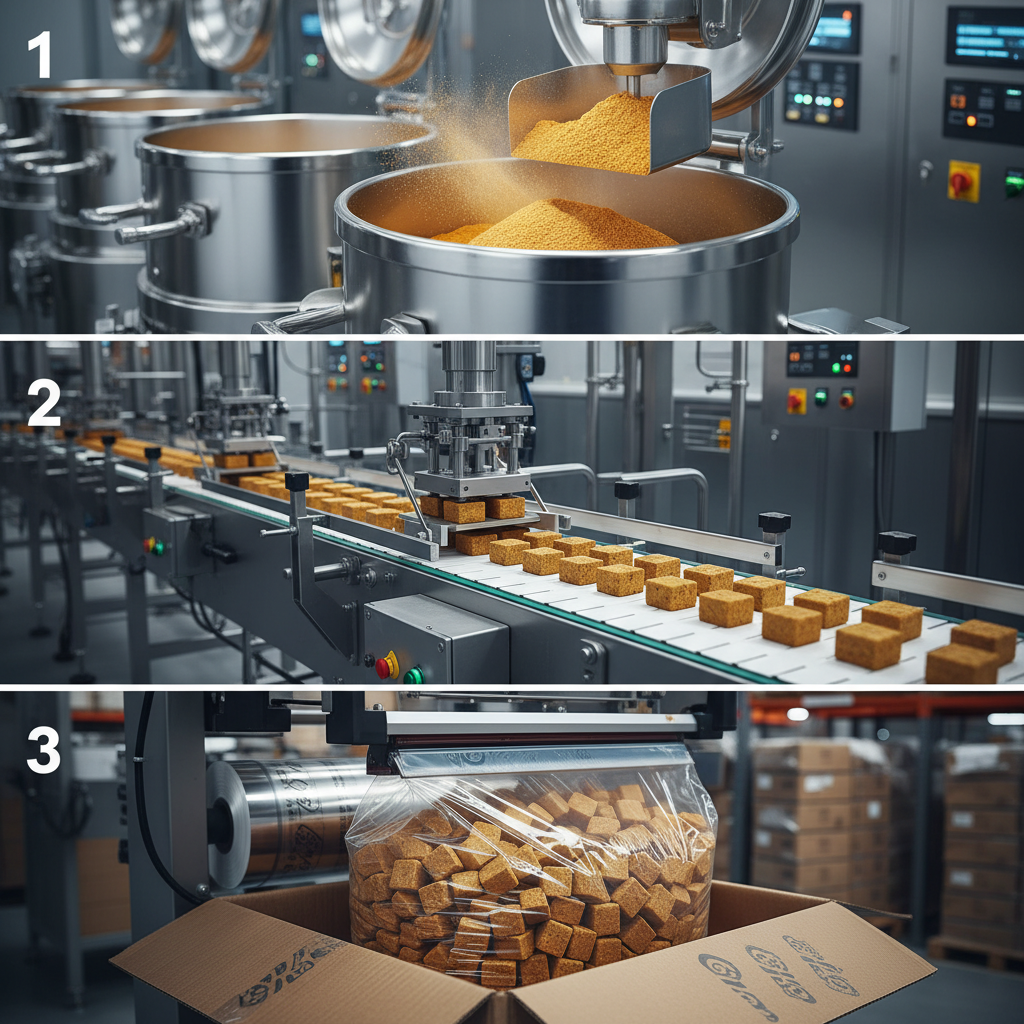
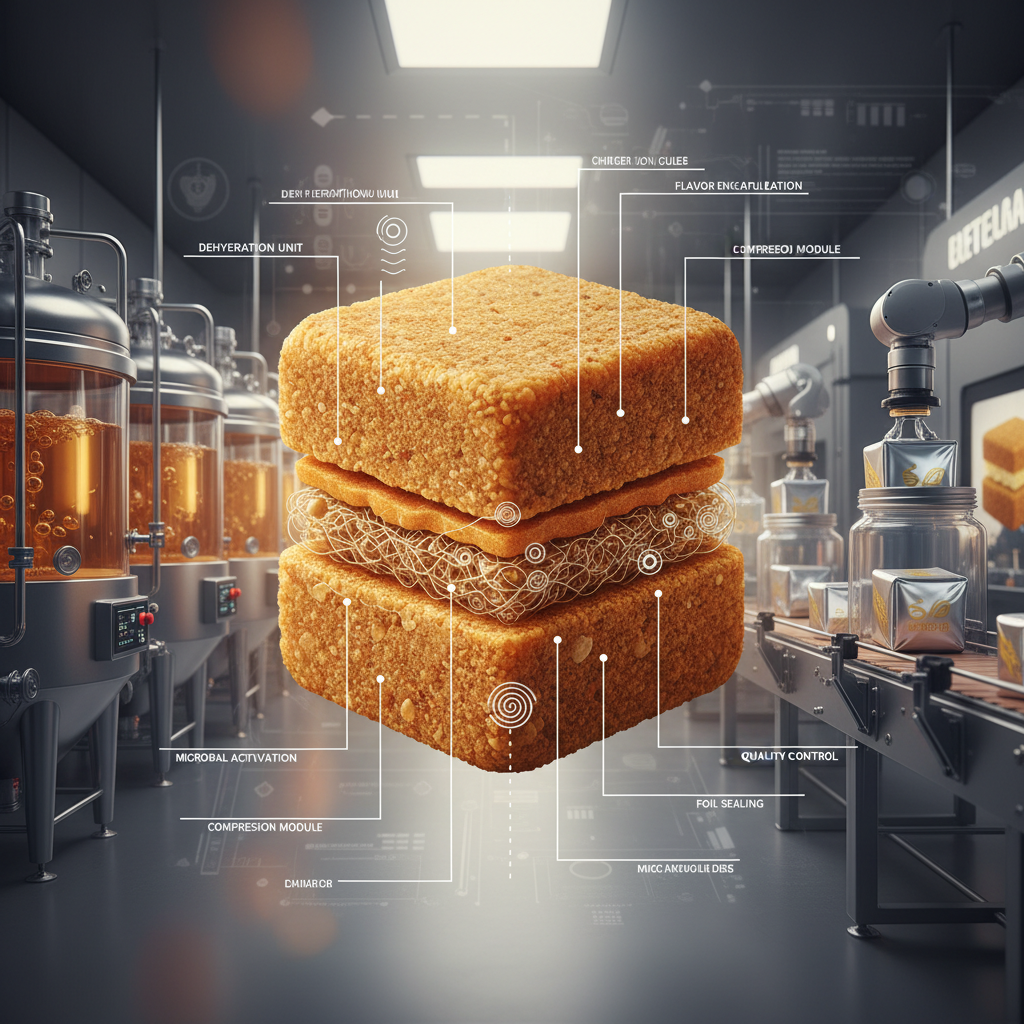
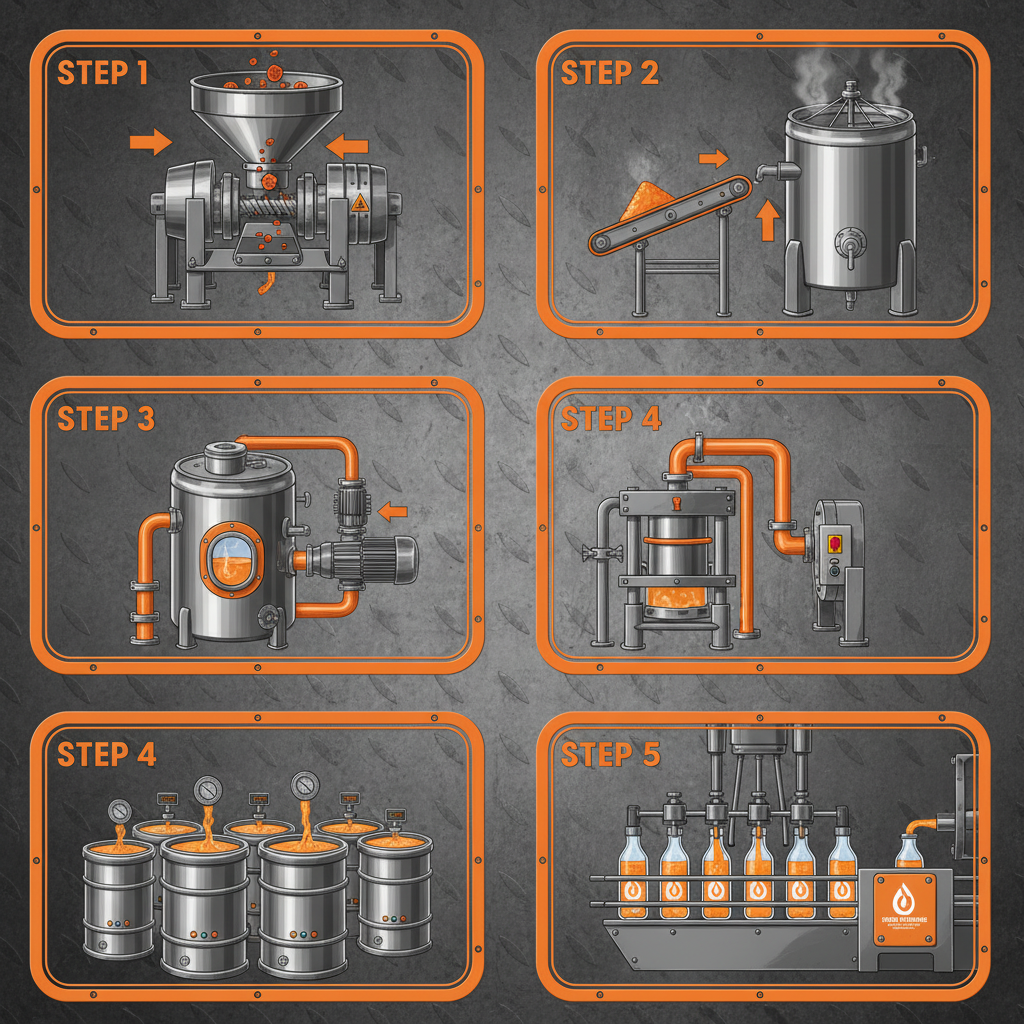
The manufacturing of chicken bouillon cubes begins with the extraction of proteins and fats from poultry, which are then concentrated via evaporation. This industrial process requires rigorous temperature control to avoid scorching the delicate flavor molecules, which would otherwise introduce a bitter aftertaste to the final product.
To ensure global compliance, production lines employ automated dosing systems that maintain a strict ratio of ingredients. Quality control teams utilize refractive index measurements and salt titration to verify that every single batch of chicken bouillon cubes meets the exact specification, ensuring that a consumer in New York experiences the same taste as one in Tokyo.
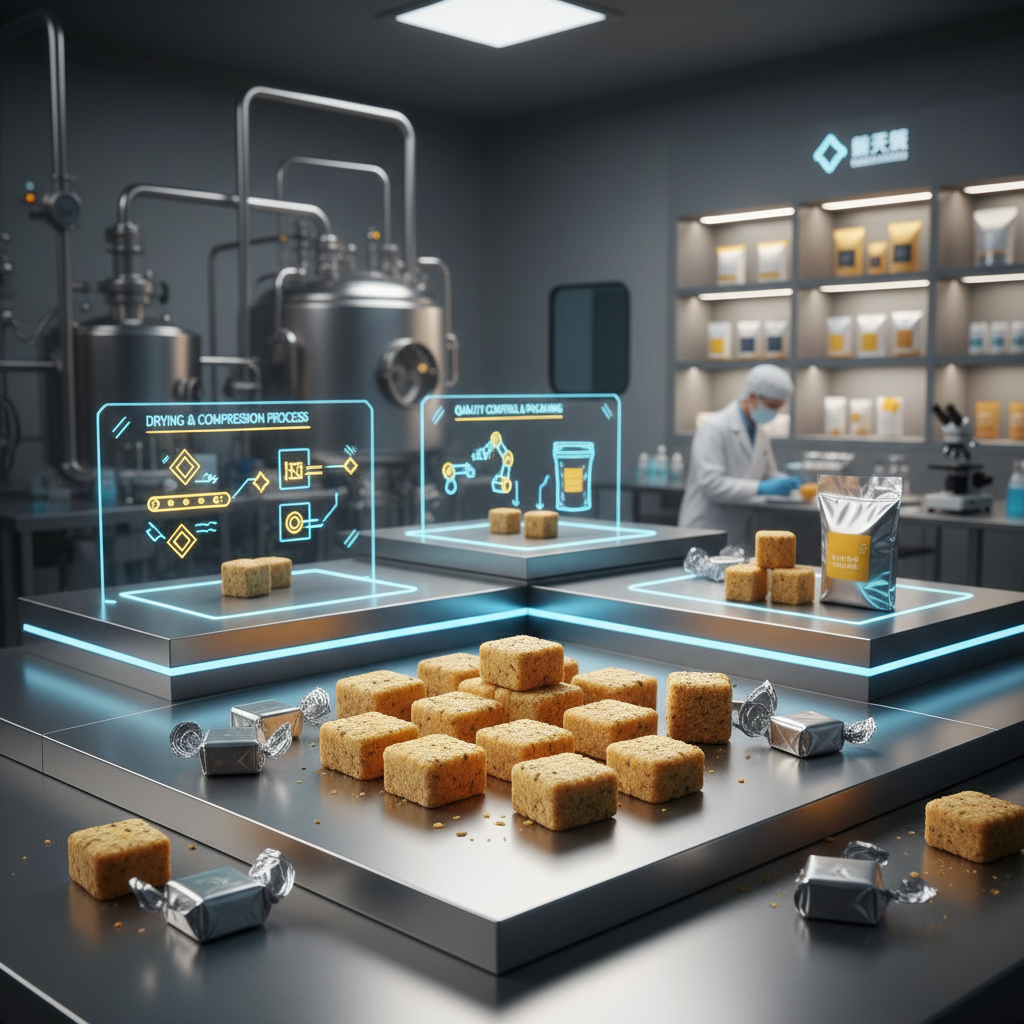
Finally, the compression stage is critical. The mixture is pressed into uniform cubes under high pressure, which not only aids in packaging but also creates a physical barrier that slows down oxidation. This structural integrity is what allows these cubes to withstand the rigors of international shipping without crumbling into powder.
Comparative Efficiency of Seasoning Methods
When comparing chicken bouillon cubes to traditional liquid stocks or fresh poultry reductions, the efficiency gap is staggering. Traditional methods require hours of simmering and significant energy consumption, whereas a bouillon cube provides an instant solution with zero waste. This makes them the preferred choice for high-volume catering and fast-food franchises.
The logical advantage extends to storage space; one box of cubes can replace dozens of liters of liquid stock, drastically reducing the warehouse overhead for food service providers. This scalability is essential for businesses operating on thin margins who need to maintain flavor quality without sacrificing operational speed.
Efficiency Rating of Chicken Bouillon Cubes vs Alternatives
Global Applications and Humanitarian Use Cases
In real-world contexts, chicken bouillon cubes serve a purpose far beyond simple gourmet cooking. In post-disaster relief operations, where access to fresh meat and clean water is limited, these cubes are often included in food rations. They provide essential sodium and a psychological sense of "comfort food" to displaced populations, making bland grains more palatable and nutritious.
Similarly, in remote industrial zones—such as mining camps or polar research stations—the logistical impossibility of transporting fresh poultry makes these cubes the primary source of savory flavor. Their ability to withstand extreme temperature fluctuations without spoiling makes them a reliable asset for long-term survival and sustenance in the most inhospitable environments on Earth.
Economic Advantages and Long-term Value
From a financial perspective, the adoption of chicken bouillon cubes reduces food waste significantly. Fresh stock often spoils within days, leading to costly disposals in commercial settings. Cubes, however, offer a precise cost-per-serving, allowing procurement managers to forecast expenses with pinpoint accuracy and eliminate the unpredictability of fresh ingredient price swings.
Beyond the balance sheet, there is an emotional value tied to reliability. For small-scale entrepreneurs starting street food businesses, bouillon cubes provide a "safety net" of flavor. They can guarantee a consistent taste profile that builds customer trust and brand loyalty, which is the bedrock of any successful food venture.
Innovation in packaging—such as individual foil wrapping—has further enhanced the value proposition by preventing oxidation and ensuring hygiene. This attention to detail transforms a simple additive into a professional tool that empowers cooks of all skill levels to produce high-quality results.
Future Innovations in Sustainable Seasoning
The future of chicken bouillon cubes is leaning heavily toward "Clean Label" initiatives. Consumers are increasingly demanding the removal of artificial dyes and synthetic MSG. In response, manufacturers are exploring fermentation-based umami enhancers and natural yeast extracts to replicate the deep savory profile of traditional cubes while meeting modern health standards.
Digital transformation is also hitting the factory floor. AI-driven flavor profiling is now being used to analyze regional taste preferences, allowing companies to create "localized" bouillon cubes. For example, a cube designed for the West African market may have a different spice concentration than one intended for the European market, maximizing regional appeal.
Sustainability is the final frontier. We are seeing a move toward biodegradable wrappers and the use of upcycled poultry by-products, ensuring that the production of these cubes contributes to a circular economy. This transition ensures that flavor efficiency does not come at the cost of planetary health.
Analysis of Future Trends in Chicken Bouillon Production
| Innovation Driver |
Technical Approach |
Market Impact |
Sustainability Score |
| Clean Label |
Yeast Extract Substitution |
Higher Premium Pricing |
9/10 |
| AI Flavoring |
Regional Data Mapping |
Increased Market Penetration |
7/10 |
| Eco-Packaging |
PLA Biodegradable Film |
Regulatory Compliance |
10/10 |
| Low-Sodium |
Potassium Chloride Blends |
Health-Conscious Segment |
8/10 |
| Upcycling |
By-product Protein Recovery |
Reduced Raw Material Cost |
9/10 |
| Plant-Based Hybrid |
Mushroom-Chicken Blend |
Flexitarian Market Growth |
8/10 |
FAQS
The primary advantages are consistency, shelf-life, and cost. Industrial cubes ensure that every batch of soup or sauce tastes identical, regardless of who is cooking. They eliminate the energy and labor costs of boiling bones for hours and remove the risk of spoilage associated with fresh stocks, allowing for leaner inventory management.
When stored in a cool, dry place and kept in their original foil wrapping, high-quality chicken bouillon cubes generally have a shelf life of 18 to 24 months. The low moisture content and salt concentration act as natural preservatives, preventing microbial growth and ensuring the flavor remains stable over long periods.
Yes, they are ideal for humanitarian aid due to their high nutrient density, lightness for transport, and lack of refrigeration requirements. They provide essential salts and flavor that make basic staples like rice or cornmeal more palatable, which is crucial for maintaining morale and appetite in crisis zones.
Most professional manufacturers offer OEM services where the sodium levels, spice profiles, and the presence of MSG can be adjusted to meet specific regional tastes or health regulations. This allows brands to differentiate their product in a crowded market by offering "low-sodium" or "organic" variations.
The key is using boiling or near-boiling water. The fats in the cube are designed to emulsify at high temperatures. For large-scale industrial use, stirring vigorously or using a whisk during the dissolution process ensures that the seasoning is evenly distributed throughout the liquid base.
Many manufacturers are now creating hybrid or fully plant-based cubes using yeast extracts, mushroom powders, and specific amino acids that replicate the umami profile of chicken. These provide a similar sensory experience while catering to vegan or vegetarian dietary requirements.
Conclusion
In summary, chicken bouillon cubes represent a perfect intersection of food science and commercial practicality. By condensing complex savory flavors into a stable, portable format, they solve critical challenges ranging from culinary consistency in professional kitchens to nutritional support in global humanitarian crises. Their value lies not just in the taste they provide, but in the operational efficiency and economic stability they offer to the food industry.
Looking forward, the evolution toward sustainable packaging and clean-label ingredients will only strengthen the role of these products in the global market. As consumers demand more transparency and health-conscious options, the industry's ability to innovate while maintaining that classic savory depth will be the key to long-term success. We encourage businesses to embrace these advancements to optimize their flavor profiles and operational costs. Visit our website: www.chinaseasoning.com