In the competitive landscape of the global food additive industry, sourcing chicken bouillon cubes bulk has become a strategic priority for food manufacturers and commercial kitchens alike. These concentrated flavor enhancers provide a consistent, cost-effective way to deliver savory depth to a wide array of products, from ready-to-eat meals to industrial soup bases. Understanding the nuances of bulk procurement ensures that businesses can maintain flavor profile stability while optimizing their supply chain efficiency.
The global demand for convenient seasoning solutions is driven by the rapid urbanization of populations and the increasing reliance on processed foods that require high-intensity flavor profiles. According to food industry trends, the shift toward "clean label" and high-efficiency ingredients has forced a transition in how chicken bouillon cubes bulk are formulated, moving away from simple salt-heavy mixtures toward complex blends of yeast extracts, hydrolyzed vegetable proteins, and natural chicken essences.
For procurement managers, the challenge lies in balancing the unit cost of bulk shipments with the stringent quality standards required by international food safety certifications. Choosing a reliable supplier for chicken bouillon cubes bulk is not merely about finding the lowest price, but about securing a partner capable of providing consistent granulation, solubility, and a shelf-stable product that withstands diverse climatic conditions during transit.
Global Market Dynamics of Chicken Bouillon Cubes Bulk
The global market for chicken bouillon cubes bulk is characterized by a high volume of trade between Southeast Asia, Europe, and Africa. As culinary preferences shift toward savory "umami" flavors, the reliance on standardized bouillon bases has grown. This growth is supported by ISO standards for food additives, ensuring that bulk shipments maintain chemical stability and microbiological safety across borders.
Industry data suggests that the bulk seasoning segment is expanding due to the rise of ghost kitchens and large-scale catering services. These entities require high-stability flavor bases that reduce the need for fresh stock preparation, making the procurement of chicken bouillon cubes bulk an essential operational decision for maintaining taste consistency across thousands of servings.
Defining the Standard for Bulk Bouillon Production
At its core, chicken bouillon cubes bulk are dehydrated flavor concentrates composed of salt, flavor enhancers, fats, and chicken extracts, compressed into uniform cubes for ease of dosing. Unlike retail packaging, bulk production focuses on industrial-grade stability, where the primary goal is to minimize moisture content to prevent clumping and spoilage during long-term storage in warehouses.
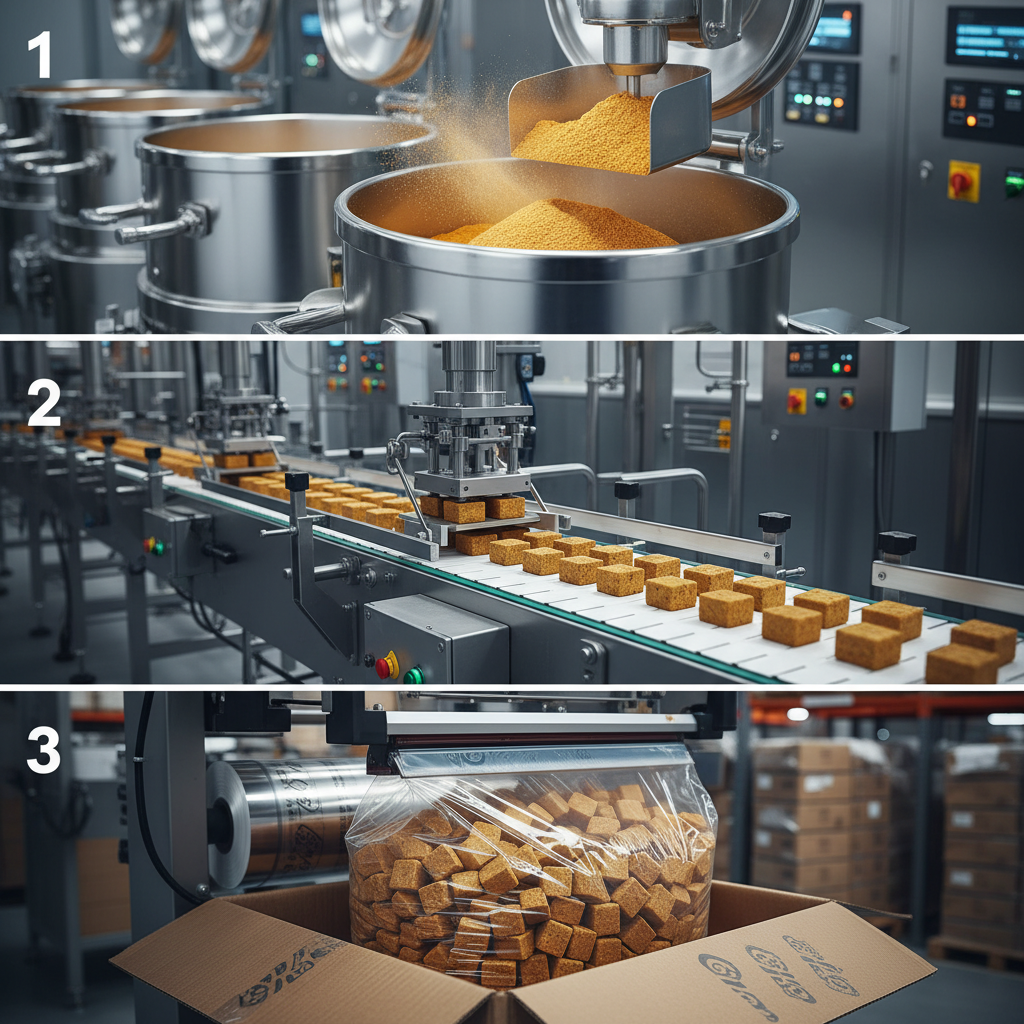
From a technical perspective, the manufacturing process involves a sophisticated blend of spray-drying and compression molding. The "bulk" aspect refers not just to the quantity, but to the standardization of the formula, ensuring that the millionth cube produced has the exact same sodium and flavor concentration as the first. This level of precision is critical for pharmaceutical intermediates or food additive companies that integrate these cubes into other product lines.
Furthermore, the definition of high-quality chicken bouillon cubes bulk includes adherence to strict dietary certifications, such as Halal or Kosher, which are often mandatory for international trade. The ability to customize the formula—adjusting salt levels or removing MSG—allows bulk suppliers to cater to specific regional health regulations and consumer preferences.
Core Components and Quality Metrics
The efficacy of chicken bouillon cubes bulk depends heavily on the quality of the raw materials. The primary components include salt for preservation, chicken fat or vegetable oil for mouthfeel, and hydrolyzed proteins that provide the characteristic savory depth. The ratio of these ingredients determines the solubility and the final taste profile of the broth.
One of the most critical quality metrics for chicken bouillon cubes bulk is the "dissolution rate." In an industrial setting, the product must dissolve completely in hot water without leaving gritty residues or oil slicks on the surface. This is achieved through precise particle size distribution and the use of high-grade emulsifiers.
Beyond taste, stability tests are paramount. Suppliers of chicken bouillon cubes bulk must ensure that the product does not undergo oxidation, which can lead to rancidity in the fat components. Advanced vacuum packaging and the addition of antioxidants like tocopherols are common industry practices to extend the shelf life to 24 months or more.
Industrial Applications and Use Cases
The application of chicken bouillon cubes bulk extends far beyond simple home cooking. In the commercial food sector, these cubes are utilized as the foundation for large-batch sauces, gravies, and stews in hotel chains and institutional cafeterias. By using a standardized bulk base, chefs can ensure that the signature taste of a dish remains identical across different geographical locations.
In humanitarian aid and disaster relief, chicken bouillon cubes bulk serve as a vital tool for nutrition. Because they are lightweight, calorie-dense in flavor, and have a long shelf life without refrigeration, they are frequently included in food parcels for refugees or in remote industrial zones where fresh ingredients are unavailable.
Performance Comparison of Bulk Seasoning Formulations
Economic Advantages of Bulk Procurement
Procuring chicken bouillon cubes bulk offers significant economies of scale. By reducing the packaging overhead associated with retail units, manufacturers can lower the per-kilogram cost of flavor additives. This allows food producers to maintain competitive pricing for their final consumer goods while still utilizing high-quality seasoning agents.
Furthermore, bulk purchasing simplifies inventory management. Instead of managing thousands of small SKUs, warehouses can handle large-format bags or drums of chicken bouillon cubes bulk, reducing labor costs associated with restocking and minimizing the waste generated by secondary plastic packaging, thereby aligning with corporate sustainability goals.
Future Innovations in Seasoning Technology
The future of chicken bouillon cubes bulk is leaning toward "Clean Label" innovation. There is a growing demand for the removal of synthetic flavor enhancers and artificial colors. We are seeing a shift toward using fermentation-derived umami components and natural yeast extracts to achieve the same savory profile without the controversial additives.
Digital transformation is also playing a role in the supply chain. Smart packaging with QR codes now allows bulk buyers to track the batch number, origin of the chicken extract, and quality test results of their chicken bouillon cubes bulk in real-time. This transparency is becoming a requirement for high-end pharmaceutical and food companies.
Additionally, automation in the compression process is allowing for more precise cube shapes and densities. This ensures that the chicken bouillon cubes bulk dissolve even faster, reducing the energy required for heating water in industrial kitchens, thus contributing to overall operational energy efficiency.
Overcoming Supply Chain and Quality Challenges
One of the primary challenges in the trade of chicken bouillon cubes bulk is moisture ingress during maritime shipping. In humid environments, the cubes can clump together, making them difficult to dispense. The solution lies in the adoption of multi-layer aluminum foil liners and desiccants within the bulk drums to create a moisture-proof barrier.
Consistency across different batches is another hurdle. A slight change in the salt-to-fat ratio can alter the flavor of a million-gallon batch of soup. To solve this, top-tier suppliers implement rigorous batch-testing protocols, using HPLC (High-Performance Liquid Chromatography) to ensure the chemical markers of the chicken bouillon cubes bulk remain constant.
Lastly, fluctuating raw material costs, such as the price of palm oil or salt, can impact the pricing of bulk orders. Strategic long-term contracts and diversifying the source of raw materials help manufacturers stabilize the cost of chicken bouillon cubes bulk, protecting the end consumer from sudden price spikes.
Comparison of Bulk Bouillon Quality Standards Across Different Grades
| Grade Level |
Dissolution Rate |
Umami Intensity |
Shelf Stability |
| Premium Grade |
Excellent (< 2 mins) |
High (Natural) |
24+ Months |
| Industrial Std |
Good (3-5 mins) |
Medium |
18-24 Months |
| Economy Grade |
Moderate (5+ mins) |
Low (Salt-based) |
12-18 Months |
| Low-Sodium |
Good (3-5 mins) |
Medium-High |
18 Months |
| Organic Bulk |
Moderate (4-6 mins) |
Natural/Clean |
12 Months |
| Custom Formula |
Adjustable |
Customizable |
Variable |
FAQS
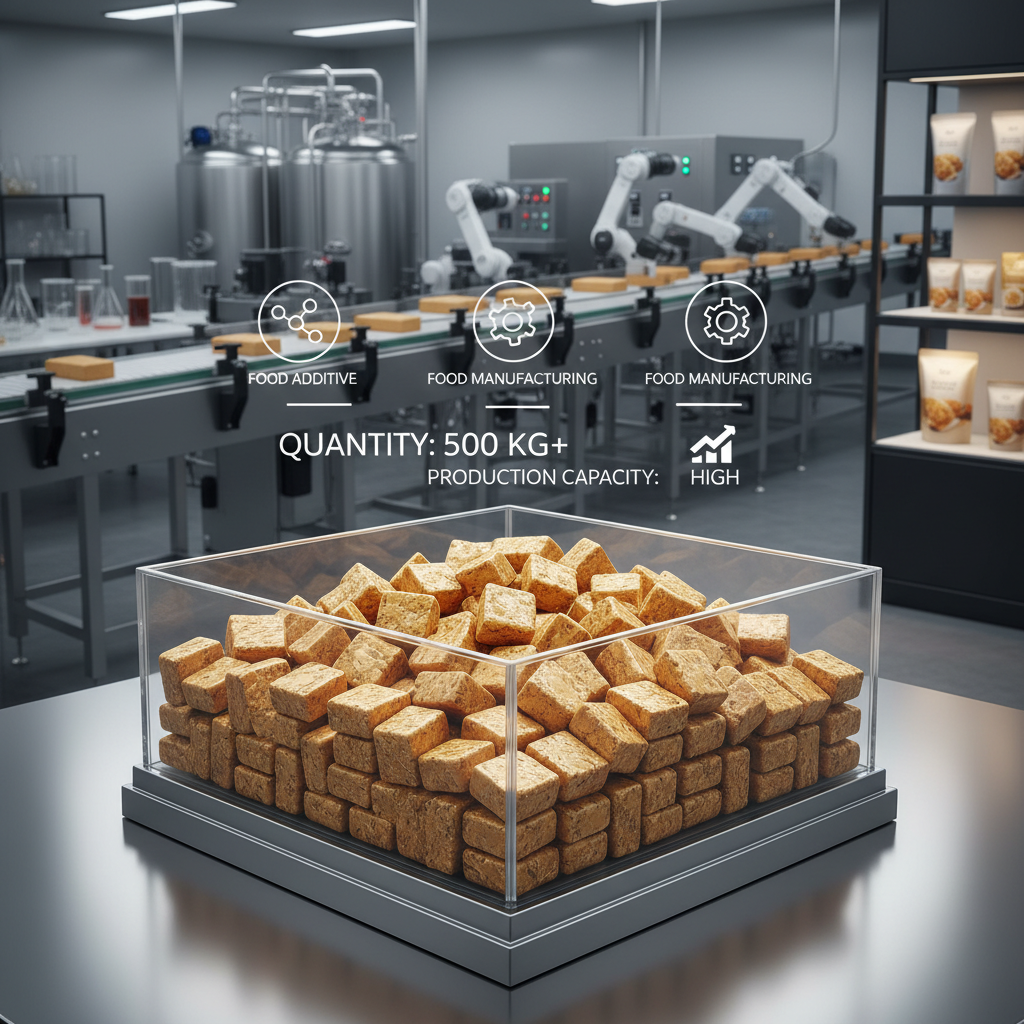
Minimum order quantities (MOQ) vary by manufacturer, but typically for bulk industrial orders, they start at 500kg to 1 metric ton. This allows the factory to optimize the production run and provide the most competitive wholesale pricing per unit.
We utilize vacuum-sealed, moisture-resistant multi-layer packaging and industrial-grade drums. Additionally, our formulas include natural antioxidants and are processed at low humidity levels to prevent clumping and ensure a shelf life of up to 24 months.
Yes, most professional bulk suppliers offer customizable formulas. We can reduce sodium levels and replace a portion of the salt with potassium chloride or increase the proportion of yeast extracts to maintain the savory flavor while meeting health regulations.
Absolutely. Our bulk cubes are produced with precise dimensions and a consistent hardness profile, ensuring they do not crumble during transport and can be easily handled by automated dispensing machinery in food processing plants.
Yes, we understand the global nature of the food industry. All our bulk seasoning products can be provided with the necessary Halal and Kosher certifications, ensuring they meet the dietary laws of diverse markets worldwide.
Cubes provide a pre-measured dose, which reduces waste and errors in commercial kitchens. Powder offers faster dissolution and is better for fully automated liquid mixing systems. We provide both formats depending on your operational needs.
Conclusion
In summary, the strategic procurement of chicken bouillon cubes bulk is a cornerstone of efficiency for the modern food manufacturing and service industries. From the rigorous quality metrics of dissolution rates and stability to the economic benefits of large-scale sourcing, these concentrated flavor bases allow businesses to scale their operations without compromising the sensory quality of their products. By focusing on clean-label innovations and robust supply chain management, companies can ensure a reliable stream of high-quality seasoning.
Looking forward, the integration of sustainable sourcing and transparent digital tracking will likely redefine the bulk seasoning market. We recommend that procurement officers partner with suppliers who prioritize both technological innovation and strict adherence to international safety standards. To explore the best options for your business and secure high-quality flavor solutions, visit our website: www.chinaseasoning.com.