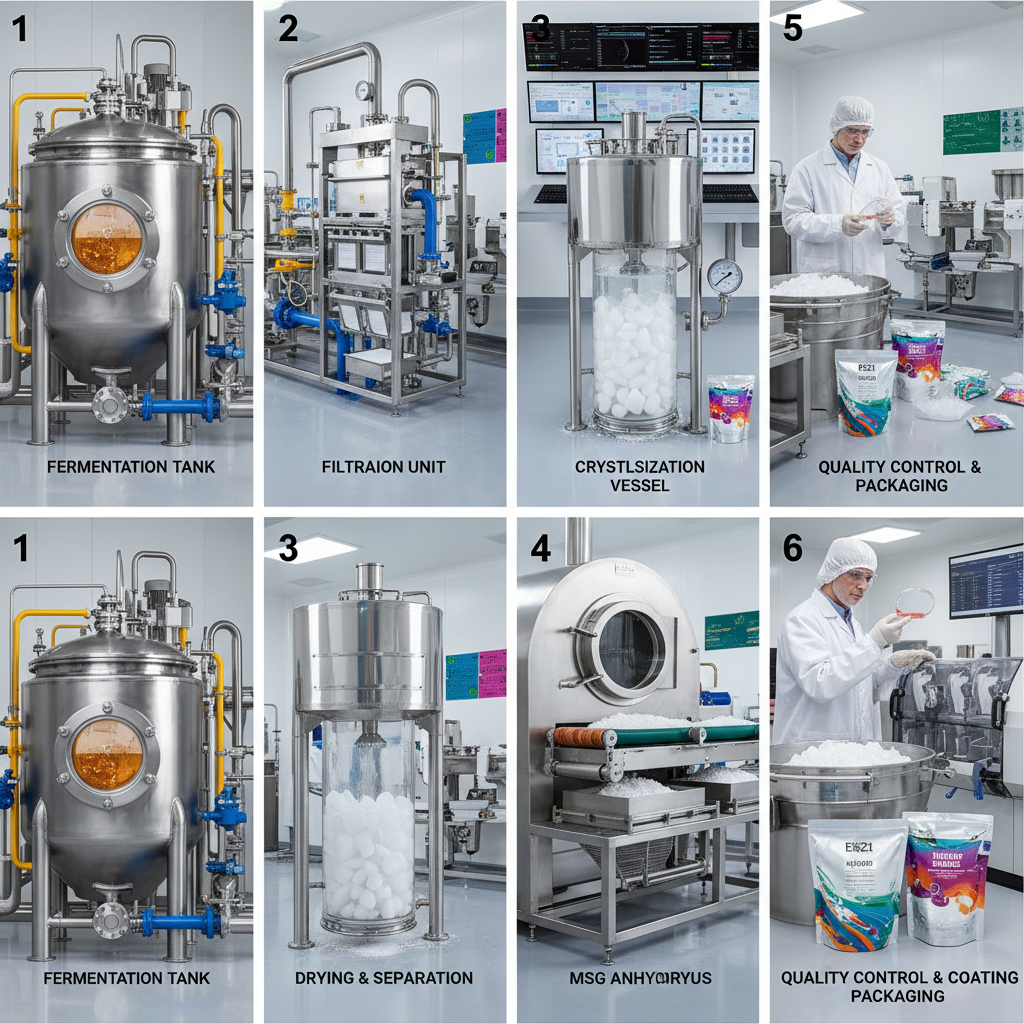
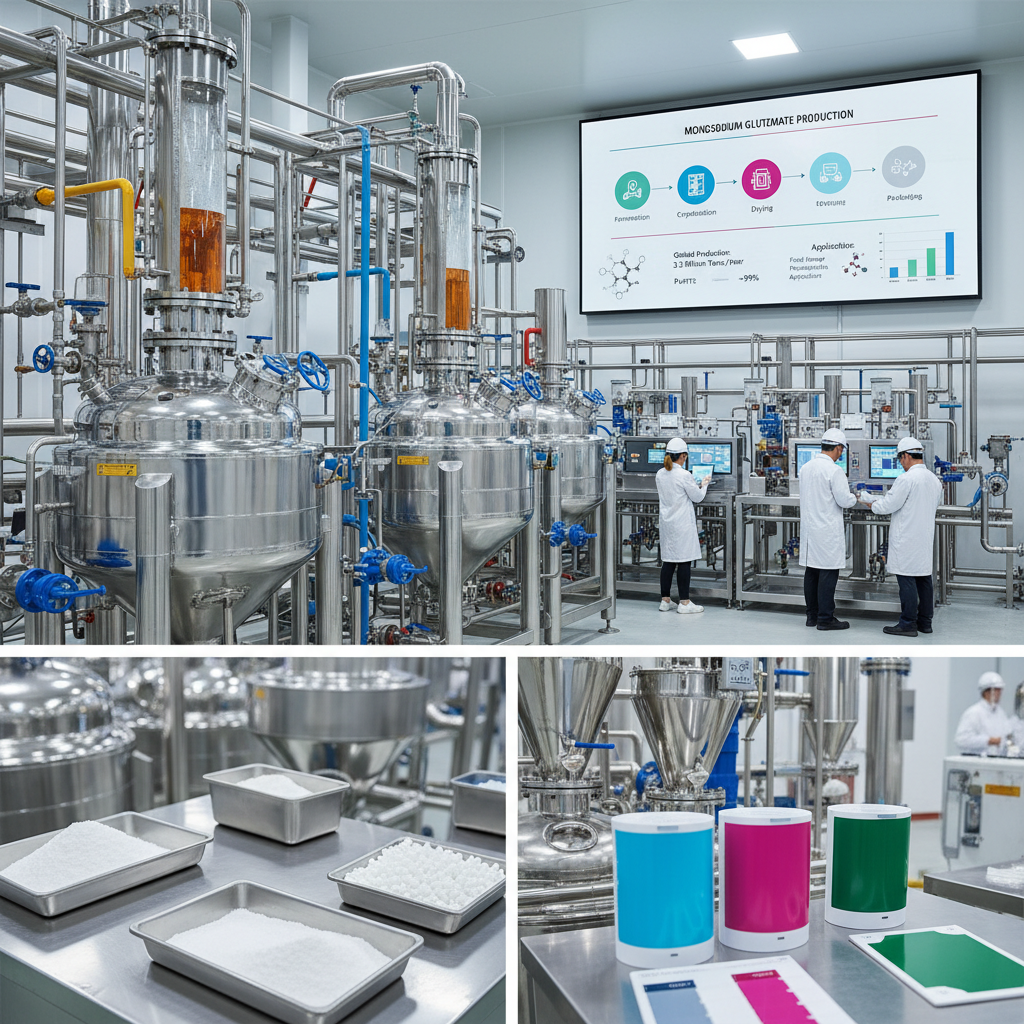
In the sophisticated landscape of modern food science, monosodium glutamate e stands as one of the most researched and utilized flavor enhancers globally. Its ability to trigger the "umami" or savory taste profile makes it an indispensable tool for food manufacturers seeking to enhance the palatability of a wide array of products, from processed snacks to complex pharmaceutical-grade nutritional supplements.
Understanding the technical nuances of monosodium glutamate e is critical for professionals in the food additive and pharmaceutical intermediate sectors. As global demand for convenient, high-protein, and taste-optimized foods grows, the precision with which this compound is applied determines not only the sensory success of a product but also its compliance with international safety standards and labeling regulations.
Beyond its basic application, the strategic integration of monosodium glutamate e reflects a broader trend toward cost-efficient flavor engineering. By optimizing the synergy between salts and amino acids, manufacturers can reduce the reliance on expensive raw ingredients while maintaining a premium taste experience that resonates with diverse consumer demographics across different continents.
Global Industry Relevance of Monosodium Glutamate E
The global market for monosodium glutamate e is driven by the rapid expansion of the processed food industry in emerging economies. According to industrial food additive trends, the demand for umami-enhancing agents has seen a steady CAGR increase as urban populations shift toward ready-to-eat meals. This compound allows manufacturers to standardize taste across different batches of raw materials, ensuring a consistent consumer experience regardless of regional ingredient variations.
From a regulatory perspective, the use of monosodium glutamate e is governed by strict ISO and Codex Alimentarius guidelines. The challenge for the industry lies in balancing high-output efficiency with the growing consumer demand for "clean label" ingredients. Consequently, the industry is pivoting toward high-purity fermentation processes that minimize impurities and maximize the biological efficacy of the additive in food and pharmaceutical applications.
Defining Monosodium Glutamate E in Modern Chemistry
At its chemical core, monosodium glutamate e is the sodium salt of glutamic acid, a non-essential amino acid that occurs naturally in many protein-rich foods. In a commercial context, it is produced through the fermentation of starches or sugars, resulting in a white crystalline powder that is highly soluble in water. Its primary function is to stimulate the T1R1 and T1R3 taste receptors on the human tongue, creating the sensation of richness and satiety.
Within the broader category of food additives and pharmaceutical intermediates, monosodium glutamate e serves as a bridge between nutritional science and culinary art. It is not merely a flavor additive but a tool for nutrient optimization. In certain pharmaceutical applications, derivatives of this compound are explored for their role in neurotransmission and as precursors for other biochemical syntheses, highlighting its versatility beyond the kitchen.
The "E" designation often relates to its classification within the European Union's food additive numbering system, ensuring that every batch of monosodium glutamate e meets stringent purity and safety benchmarks. This standardization is what allows a manufacturer in Asia to export products to Europe or North America with confidence, knowing that the chemical properties and safety profiles are recognized globally.
Core Technical Components of Monosodium Glutamate E
The efficiency of monosodium glutamate e is primarily determined by its purity levels and particle size distribution. High-purity grades ensure that there are no off-notes or metallic aftertastes, which is crucial when the additive is used in delicate pharmaceutical intermediates or high-end food products. The crystallization process must be carefully controlled to ensure optimal solubility and stability during storage.
Another critical factor is the synergy between monosodium glutamate e and other nucleotides, such as disodium inosinate (IMP) and disodium guanylate (GMP). When combined, these components create a synergistic effect that multiplies the perceived intensity of the umami flavor, allowing manufacturers to use lower overall concentrations of additives while achieving a superior taste profile.
Scalability and cost-efficiency are the final pillars of its technical application. Because monosodium glutamate e is produced via large-scale fermentation, the ability to maintain consistent yield and purity across thousands of tons is a testament to modern bio-engineering. This scalability ensures that it remains an accessible solution for small-scale artisanal producers and global conglomerates alike.
Practical Applications of Monosodium Glutamate E
The application of monosodium glutamate e extends far beyond simple seasoning. In the industrial food sector, it is used in the formulation of savory snacks, canned soups, and frozen meals to compensate for flavor loss during high-temperature processing. By restoring the savory depth that is often lost during sterilization or dehydration, it ensures that processed foods remain appealing to consumers.
In the realm of feed additives and pharmaceutical intermediates, the compounds related to monosodium glutamate e are used to enhance the palatability of therapeutic diets for animals and humans. For instance, in medical nutrition for elderly patients who suffer from loss of appetite, the strategic addition of umami agents can significantly increase caloric intake and improve overall health outcomes.
Performance Comparison of Monosodium Glutamate E Variants
Economic and Long-term Value of Monosodium Glutamate E
The long-term value of monosodium glutamate e lies in its ability to reduce overall production costs. By enhancing the perceived saltiness and richness of a product, manufacturers can often reduce the actual sodium chloride content without sacrificing taste. This not only lowers material costs but also aligns with global health initiatives to reduce sodium intake, providing a dual benefit of economic efficiency and public health improvement.
Furthermore, the reliability of monosodium glutamate e as a stable ingredient ensures a longer shelf life for seasoned products. Its resistance to oxidation and temperature fluctuations makes it a safer bet for global logistics, reducing waste caused by flavor degradation during transit. This reliability builds trust between suppliers and manufacturers, fostering long-term partnerships in the global supply chain.
Future Innovations in Monosodium Glutamate E Production
The future of monosodium glutamate e is being shaped by the digital transformation of bio-manufacturing. AI-driven fermentation monitoring allows producers to adjust nutrient feeds in real-time, maximizing the yield of L-glutamate while minimizing energy consumption. This shift toward "Industry 4.0" is reducing the carbon footprint of production, making the additive more sustainable.
Sustainability is also driving the exploration of alternative feedstocks. Instead of relying solely on corn or sugarcane, researchers are investigating the use of agricultural waste and side-streams from other food processes to produce monosodium glutamate e. This circular economy approach not only lowers raw material costs but also appeals to eco-conscious brands looking to green their supply chain.
Additionally, the development of encapsulated monosodium glutamate e is an emerging trend. By using micro-encapsulation, the release of the flavor enhancer can be timed or triggered by specific conditions (such as heat or moisture), allowing for a more controlled and sophisticated taste release profile in multi-layered food products.
Challenges and Strategic Solutions for Monosodium Glutamate E
One of the most persistent challenges facing monosodium glutamate e is the lingering consumer misconception regarding its safety. Despite extensive scientific evidence from organizations like the FDA and EFSA confirming its safety, "MSG-avoidance" remains a marketing hurdle. The solution lies in educational transparency and the use of "natural" labels by deriving the additive from hydrolyzed vegetable proteins or yeast extracts.
Technical limitations, such as the hygroscopic nature of monosodium glutamate e, can lead to caking during storage in humid environments. To overcome this, manufacturers are implementing advanced anti-caking agents and moisture-barrier packaging. These innovations ensure that the product remains free-flowing and easy to dispense in automated industrial settings.
Finally, meeting the diverse regulatory requirements of different global markets requires a flexible production strategy. By implementing modular production lines, manufacturers can switch between different grades of monosodium glutamate e—from food grade to pharmaceutical grade—with minimal downtime, ensuring that they can respond rapidly to shifts in international trade laws and customer specifications.
Comprehensive Analysis of Monosodium Glutamate E Application Standards
| Grade Category |
Purity Level |
Primary Application |
Stability Score (1-10) |
| Industrial Food Grade |
>99% |
Processed Snacks/Soups |
8 |
| Pharmaceutical Grade |
>99.9% |
Medical Nutrition |
10 |
| Feed Additive Grade |
98% - 99% |
Livestock Palatability |
7 |
| Organic-Certified |
>99% |
Clean Label Products |
9 |
| Custom Synergy Blend |
Variable |
High-End Seasonings |
8 |
| Technical Intermediate |
>99.5% |
Biochemical Synthesis |
9 |
FAQS
Yes, monosodium glutamate e is widely recognized as safe (GRAS) by major global health authorities, including the FDA and EFSA. When used within recommended industrial dosage levels, it does not pose a health risk to the general population. Its safety is backed by decades of clinical research and consumption data across millions of people globally.
Unlike simple salts or acids, monosodium glutamate e specifically targets umami receptors. While other enhancers might add sweetness or acidity, MSG-E provides a "savory" depth that mimics the taste of slow-cooked meats or aged cheeses. It also exhibits a synergistic effect when paired with nucleotides (IMP/GMP), which other enhancers do not possess to the same extent.
Absolutely. In pharmaceutical contexts, high-purity grades of monosodium glutamate e are used as precursors for various chemical syntheses and as palatability agents in medical-grade nutritional supplements. This ensures that patients with diminished appetite can consume necessary nutrients more easily due to the enhanced savory profile.
Because it is hygroscopic, it should be stored in a cool, dry environment, away from direct sunlight and moisture. Using air-tight, moisture-barrier packaging like PE-lined bags or sealed drums is essential to prevent caking and maintain the free-flowing crystalline structure required for automated dispensing systems.
To achieve a clean label, many manufacturers switch from pure crystals to "natural" sources of glutamates, such as yeast extract or hydrolyzed vegetable protein. These ingredients contain monosodium glutamate e naturally and can be listed as "natural flavorings" or "yeast extract" on the ingredient list, which is often more appealing to health-conscious consumers.
International shipments typically require a Certificate of Analysis (CoA), a Material Safety Data Sheet (MSDS), and compliance with the destination country's food additive regulations. Most shipments are handled in bulk bags or drums with desiccants to ensure that the product arrives without clumping or contamination.
Conclusion
In summary, monosodium glutamate e remains a cornerstone of the global food additive industry, providing an unparalleled balance of flavor enhancement, cost-efficiency, and technical stability. From its role in enhancing the palatability of everyday snacks to its specialized use in pharmaceutical intermediates, its versatility is matched only by its rigorous safety profile. By focusing on purity, synergy, and sustainable production, manufacturers can leverage this compound to meet the evolving demands of the modern consumer.
Looking forward, the integration of AI-driven production and circular economy feedstocks will further cement the role of monosodium glutamate e as a sustainable and innovative tool for food science. We encourage industry professionals to embrace these technological advancements to optimize their product formulations and improve global food accessibility. For high-quality sourcing and technical consultation, visit our website: www.chinaseasoning.com